
thank you for visiting the labor history resource project as we build this resource!

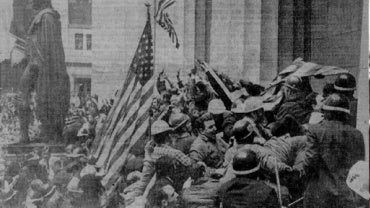
On May 8, 1970, the Dow Jones Industrial Average dropped five points to finish at 717, in the slowest day of trading in months. In the streets outside the New York Stock Exchange, however, chaos erupted: at noon, hundreds of construction workers arrived on Wall…
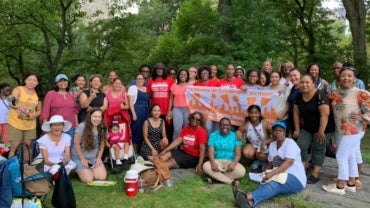
Domestic work is the work that makes all other work possible. Together, we can win the protections and recognition that this vital American workforce needs. Join us today!
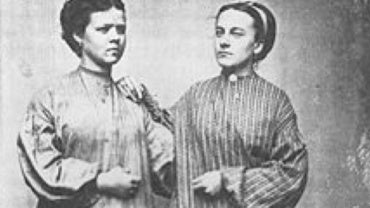
In the early 19th century the United States of America began to experience many changes. In parts of the country there was a shift from an agrarian society to an industrial society.
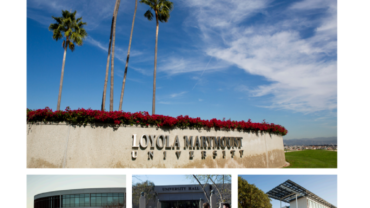
LMU is a private Catholic university with 6,250 undergraduates, 2,150 graduate students and 1,100 law students from diverse backgrounds and many perspectives.
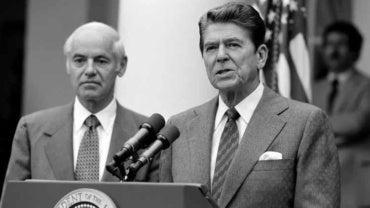
The Takeaway traces it all back to August 1981, when nearly 13,000 air traffic controllers went on strike creating a standoff with Ronald Reagan that ended when he fired the majority of them and de-certified their union, the Professional Air Traffic Controllers Organization.
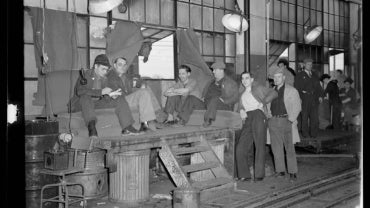
Once called “the strike heard round the world,” the first major labor dispute in the U.S. auto industry ended after General Motors signed a contract with the United Auto Workers Union on February 11, 1937.
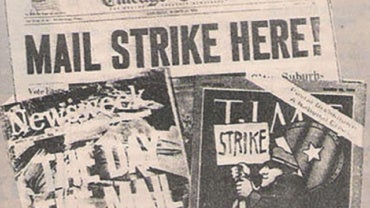
The first mass work stoppage in the 195-year history of the Postal Service began on March 18, 1970, with a walkout of letter carriers in Brooklyn and Manhattan who were demanding better wages.

Voces from La Planta centers the voices of meatpacking workers across California, Minnesota, Colorado, Mississippi, and Washington. Workers whose labor sustains the nation, yet whose lives are too often made invisible.