This section introduces labor stories newly developed with resources provided in whole or part by the LHRP, or edited in consultation with their creators. We plan to feature a changing array of stories that have played out over the past and remain relevant today, and to offer stories that make special use of visual media. The stories will draw attention to the long roots of pressing contemporary issues as well as to how workers, past and present have tried to influence their working and family lives. Our current example “When Teachers Mobilize” reflects long-standing tensions in public education. Under consideration now: the anomalous position of domestic workers in the working class; their efforts to organize; and the role of race in their experiences as workers. Other featured stories might focus on the plight of a growing precarious labor force; and the predicament of public workers (especially postal workers) as they seek to retain union recognition.
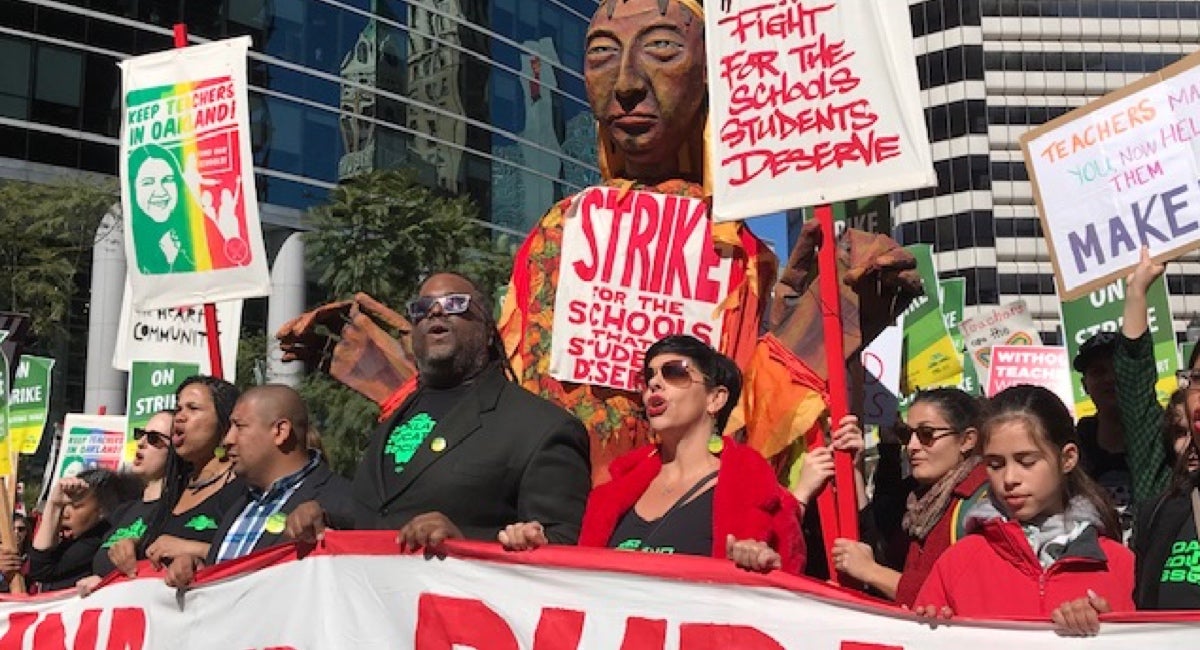
When Teachers Mobilize explores and examines the causes, organizing, success, and ongoing legacies of this movement of educators through oral histories and digital media.
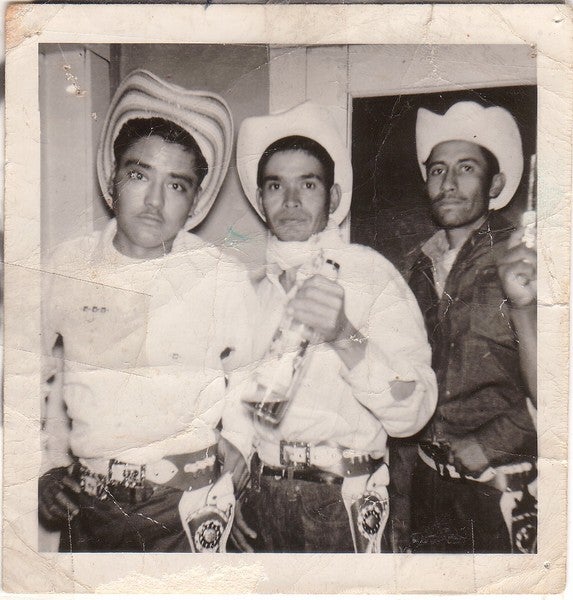
This exhibit invites viewers to examine how the Bracero Program constructed a vision of belonging rooted in productivity and labor. At the same time, it challenges this normative narrative by departing from images of the “ideal” Bracero worker. Through selected photographs and commentary, the exhibit encourages viewers to see Mexican guest workers beyond the framework imposed by the U.S. immigration system, prompting us to question notions of earned value and instead center inherent human worth.
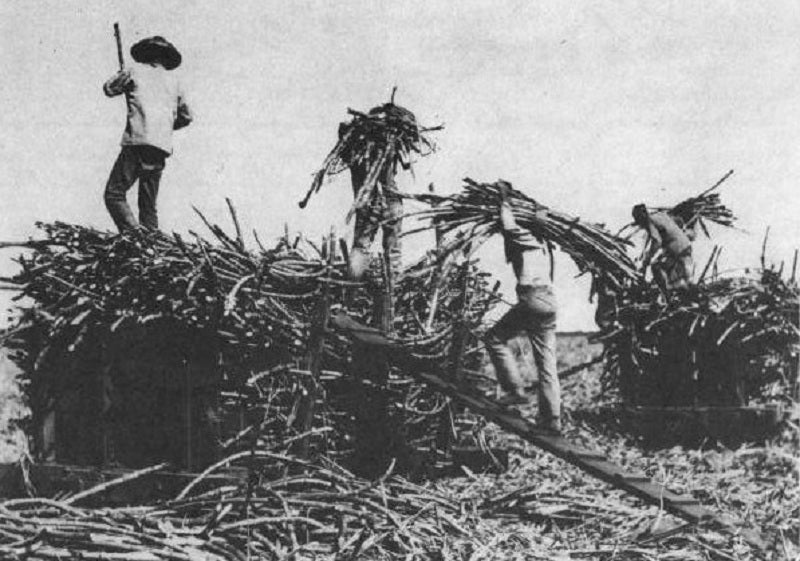
Asian migrant workers built the first multi-ethnic labor unions in American history: in the cane fields of Hawaiʻi, the lettuce rows of California, and the salmon canneries of the Pacific Northwest.
This StoryMap traces three arcs: the emergence of Asian migrant labor organizing from individual refusal to concerted multiethnic movements; a contrast with how European immigrant workers entered political structures from which Asian workers were legally excluded; and the alternative political imagination that was transnational, anti-imperial, and dignity-centered, built by Asian migrant workers in the periphery.