Beginning on April 26, 2023, the Library of Congress is launching a new campaign for its crowdsourcing/transcription project, By the People, "American Federation of Labor Records: Letters in the Progressive Era." Since 2018, the Library of Congress has invited virtual volunteers to transcribe pages from history through By the People. To date, volunteers have completed over 630,000 pages. These transcriptions enhance collection discovery and access on loc.gov.
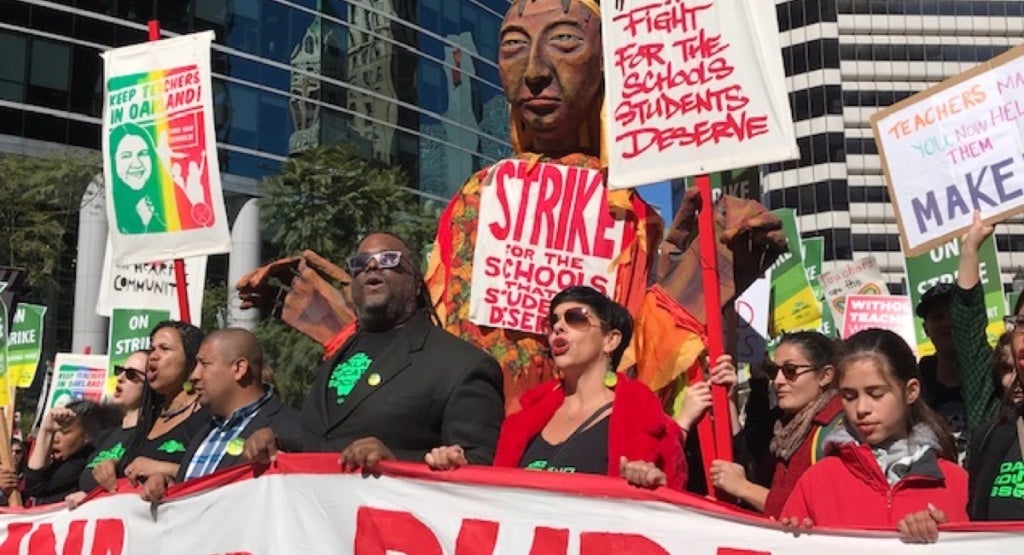
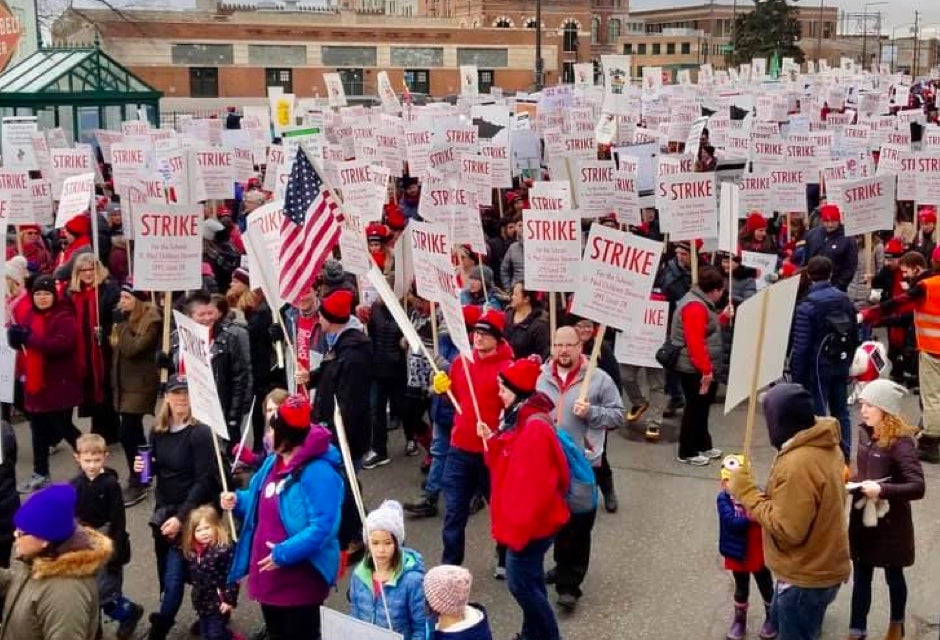
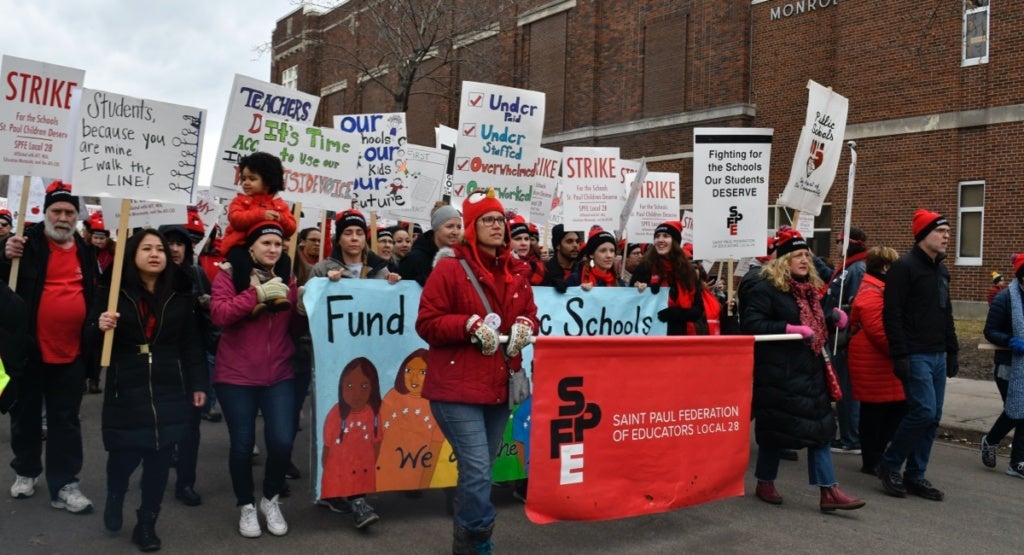
When Teachers Mobilize explores the causes, organizing, successes, and ongoing legacies of a movement of educators through oral histories and digital media.
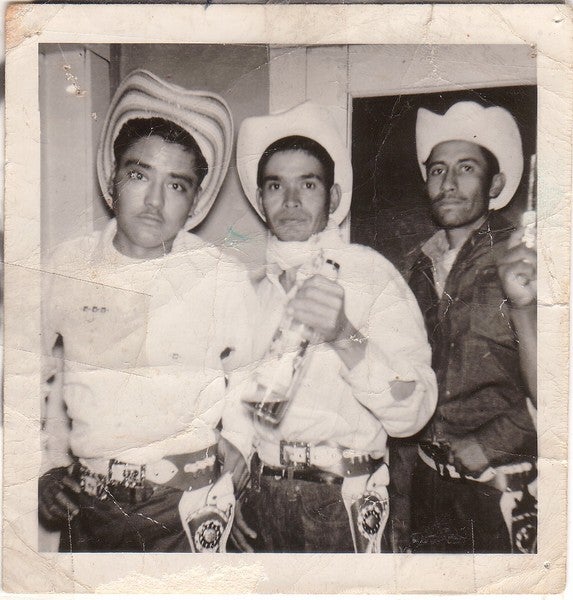
How the Bracero Program tied belonging to productivity, and how photographs of Mexican guest workers invite us to look past “earned value” toward inherent human worth.
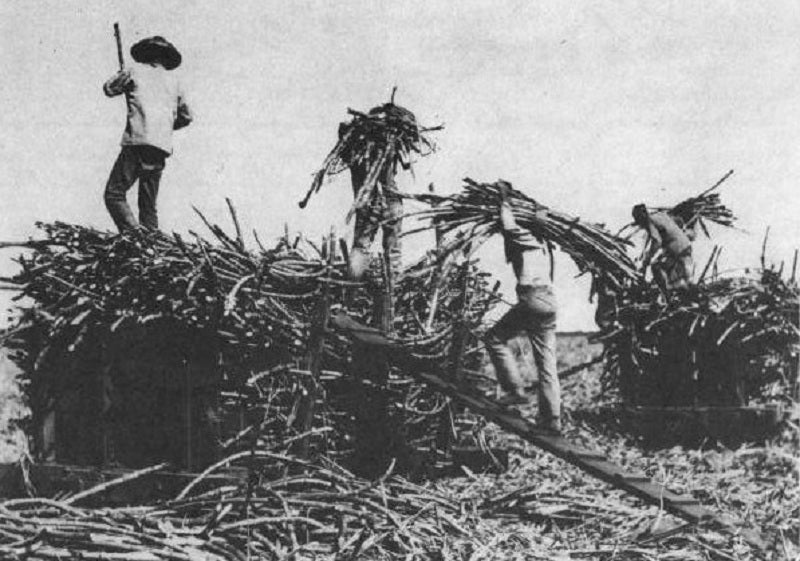
Asian migrant workers built the first multi-ethnic labor unions in American history: in the cane fields of Hawaiʻi, the lettuce rows of California, and the salmon canneries of the Pacific Northwest.
Some of the richest sources on workers and their movements, past and present, are being gathered locally. We link to the most active archives and collections.
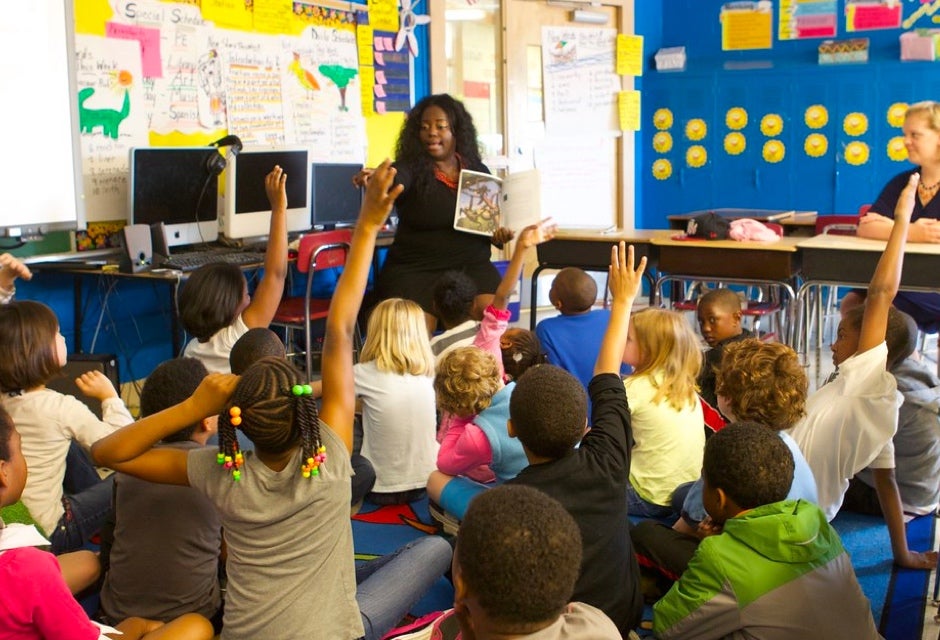
Very little labor history is taught in K–12 schools today. Find materials from historians and educators connecting students’ own family and community experiences of work to the past.
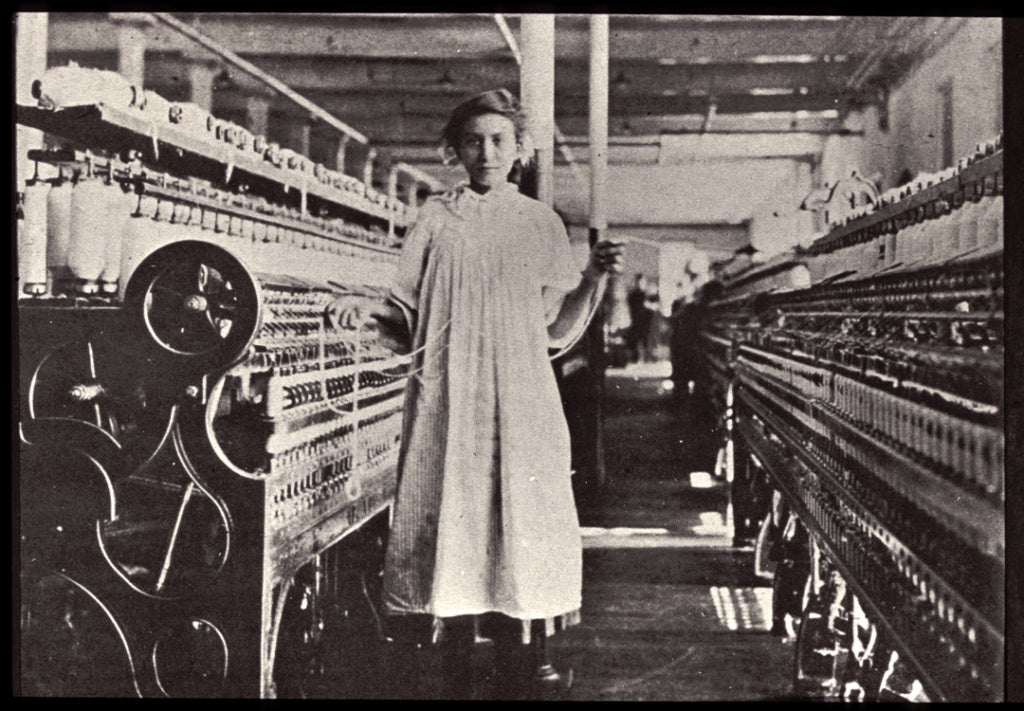
The young women who came to work in the textile mills of Lowell, Massachusetts, during the Industrial Revolution, and who organized for better conditions.
We are historians preserving labor history and the stories of working people
In recent years, the nature of work and the lives of working people have been radically transformed. Labor unions no longer speak with the authority they once possessed. Our information about work and workers now is published, presented, and produced in multiple ways, and sometimes filtered such that the stories are incomplete.
For students, teachers, workers, and a curious public, the Labor History Resource Project will foreground the images, words, voices, and films of workers in the past and present; identify and create materials that can inform and to enlarge our understanding of the contributions workers have made in American history.; and work with archivists, librarians, curators, and learning institutions to highlight resources vital to the story of our time.
The Labor History Resource Project provides a platform for making labor history visible, and it will help to sponsor the creation of new educational resources about neglected chapters of our history.
We invite you to explore the initiative – launching now – and to join our work and get involved.