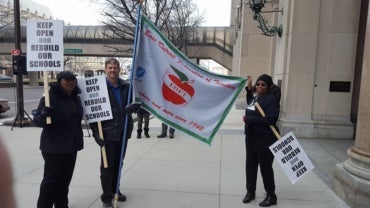

Mapping IWW campaigns, strikes, arrests, persecution
History Site
Interactive maps covering campaigns, strikes, arrests and events involving IWW.

Interactive maps covering campaigns, strikes, arrests and events involving IWW.
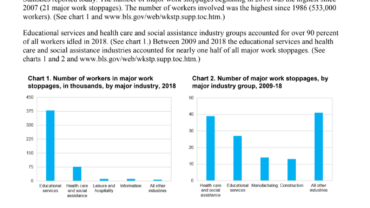
In 2018, there were 20 major work stoppages involving 485,000 workers, the U.S. Bureau of Labor Statistics reported today. The number of major work stoppages beginning in 2018 was the highest since 2007 (21 major work stoppages). The number of workers involved was the highest since 1986 (533,000 workers).
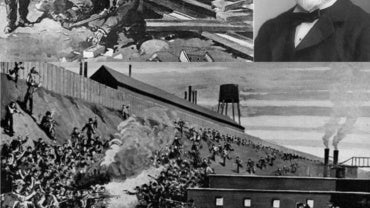
The Battle of Homestead Foundation (BHF) is a diverse organization of citizens, workers, educators and historians. Our purpose is to memorialize the dramatic labor conflict of the 1892 Battle of Homestead and clarify the consequences that remain with us today. Inspired by that event, we promote a people’s history, empower today’s workforce and build strategies for the future of work. The Foundation is a 501(c)(3) tax-exempt nonprofit organization.
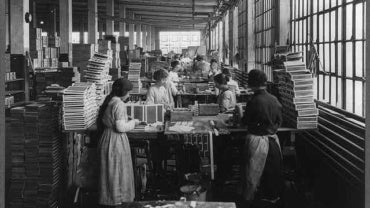
The National Labor Union was founded on August 20, 1866, in Baltimore, Maryland. It was the first attempt to create a national labor group in the United States and one of their first actions was the first national call for Congress to mandate an 8-hour work day.
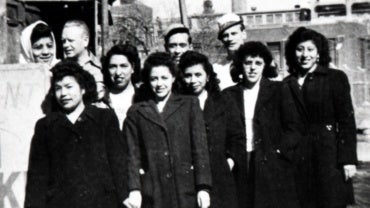
The Iowa Labor History Society is a non-profit made up of individuals and affiliate organizations that have joined together to preserve and promote the rich history of Iowa’s workers—the lives, labors, and struggles that shaped the history of our state.
This is the official bibliography for LAWCHA’s Teaching and Public Sector Unionism initiative. A full listing of our resources can be found on the Teaching Resources page. For an overview of teachers’ unions, see our featured article, “A Century of Teacher Organizing: What Can We…
“Culture becomes not a haven of ideas or a fixed state of experience but a social imaginary erupting out of a storied cultural real.” (Stewart 1996, 63-4)
I remember the day when my father, a West Virginia University professor, accompanied some of his students to Charleston for Undergraduate Research Day at the Capitol in February 2018.
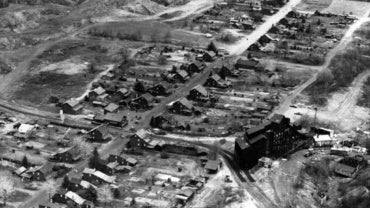
Perched atop a mountain ridge at the center of one of the planet’s largest concentrations of disturbed terrain, Eckley Miners’ Village is a world within a world. Visit our authentic 19th-century company mining town, and experience the lives of the working-class families who once fueled America.
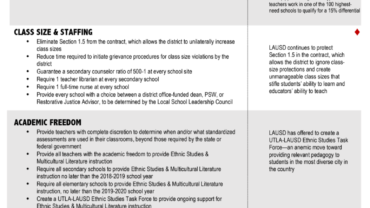
A report covering salary, class size & staffing, academic freedom, shared decision making, assignments and more.