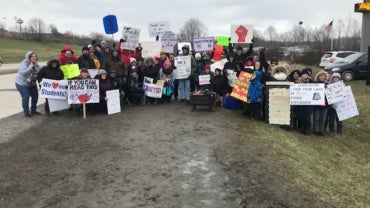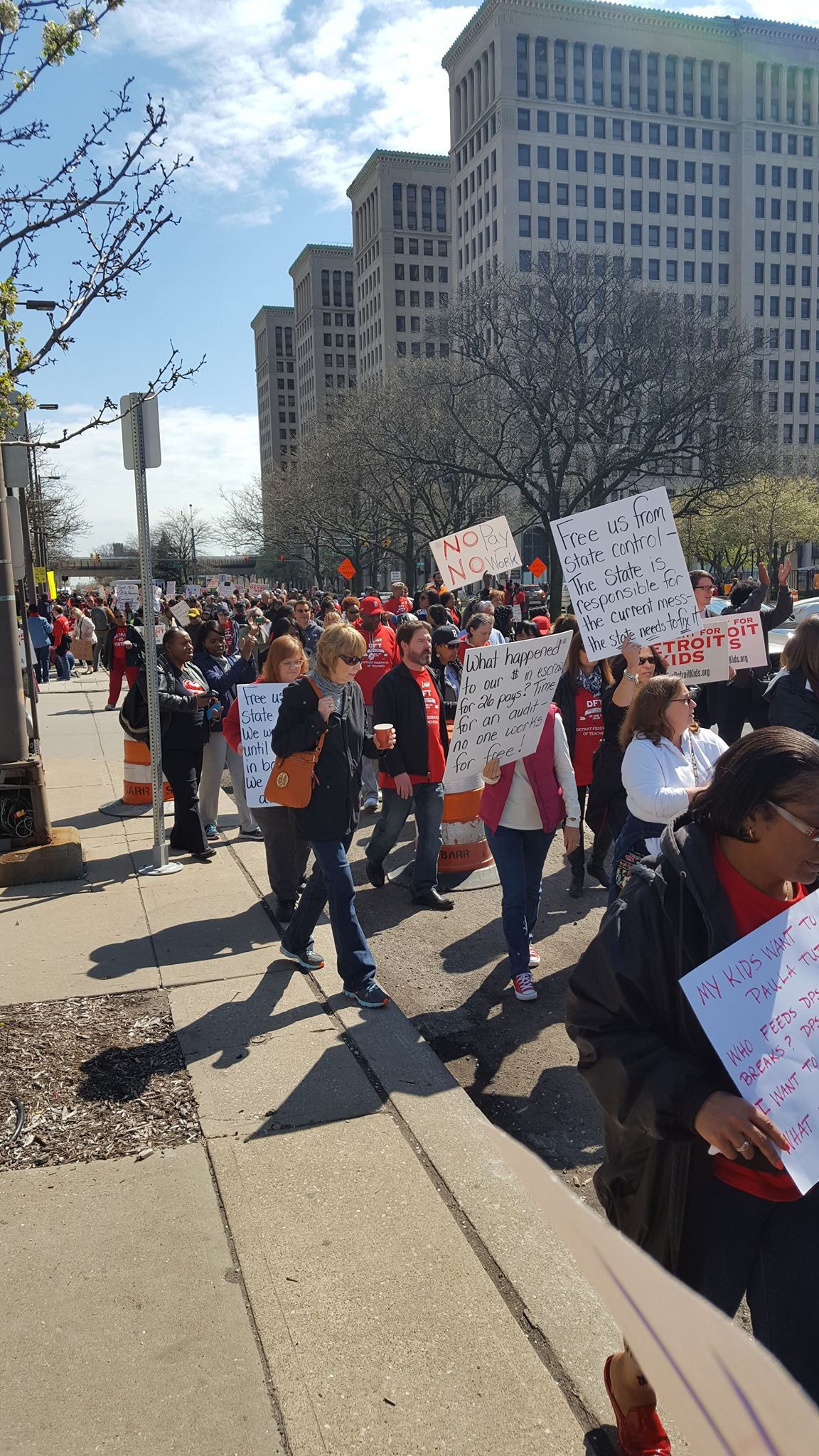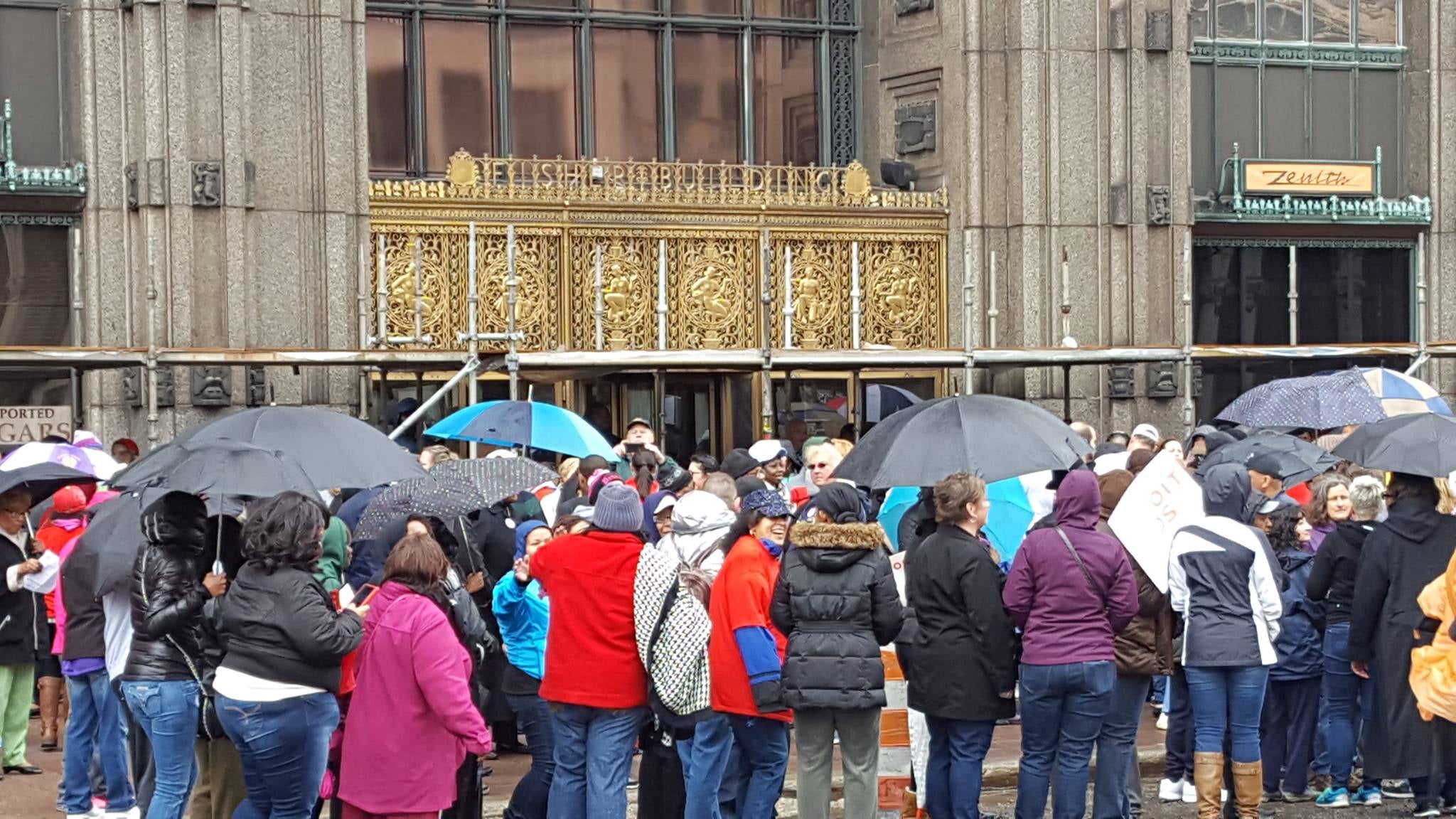

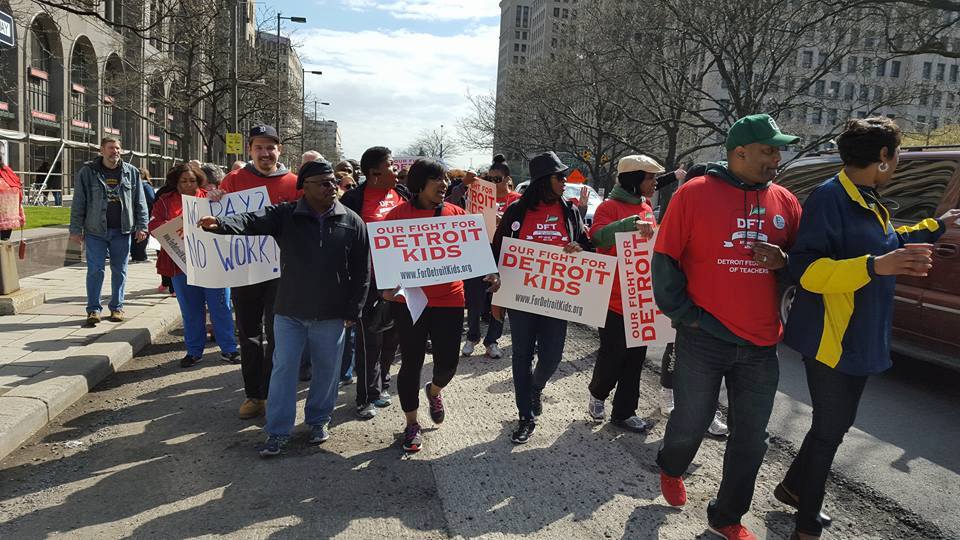
Detroit May 2-3 2016 March, Joel Berger Collection
Photo Gallery
A gallery of photos to explore.

A gallery of photos to explore.
The Lawrence Textile Strike was a public protest mainly of immigrant workers from several countries, including Austria, Belgium, Cuba, Canada, France, England, Germany, Greece, Ireland, Italy, Lithuania, Netherlands, Norway, Poland, Portugal, Russia, Scotland, Spain, Syria, and Turkey. According to the 1910 census, 65% of mill workers (many of whom eventually struck) lived in the United States for less than 10 years; 47% for less than five years.
When Teachers Mobilize Oral Histories
The National Domestic Workers Alliance (NDWA) works for the respect, recognition, and rights for more than 2.2 million nannies, housecleaners, and home care workers who do the essential work of caring for our loved ones and our homes.
In early summer 1982 an estimated 20,000 garment workers in New York City, members of ILGWU Local 23-25 and mostly Chinese immigrant women, walked off the job in protest. This collection from LaborArts memorializes the 40th anniversary of this historic action.
The Kheel Center for Labor-Management Documentation & Archives was founded in 1949 as the Labor-Management Documentation Center. Its continuing purpose is the preservation of original source materials relevant to the history of American labor unions, management theory as it applies to labor and industrial relations,…
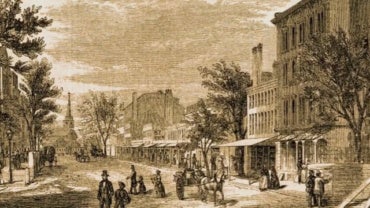
Lowell built on the advances made in the British textile industry, such as the use of the power loom, to industrialize American textile production. He was the first factory owner in the United States to create a textile mill that was vertically integrated.
Women and Social Movements in the United States, 1600-2000, is a resource for students and scholars of U.S. history and U.S. women’s history. Organized around the history of women in social movements in the U.S. between 1600 and 2000, the collection seeks to advance scholarly…
The Knights of Labor was the largest and most extensive association of workers in 19th century America. Organized in 1869, the movement grew slowly in the 1870s, then surged in the 1880s, reaching a peak membership approaching one million in 1886-1887 with Local Assemblies spread across the country in more than 5,600 cities and towns.
This bibliography contains a number of titles dealing with “workers,” the “world of work” generally, and “labor law” in particular, so as to account for some of the more compelling reasons we should assiduously attend to the complex economic and moral questions (the former often…