
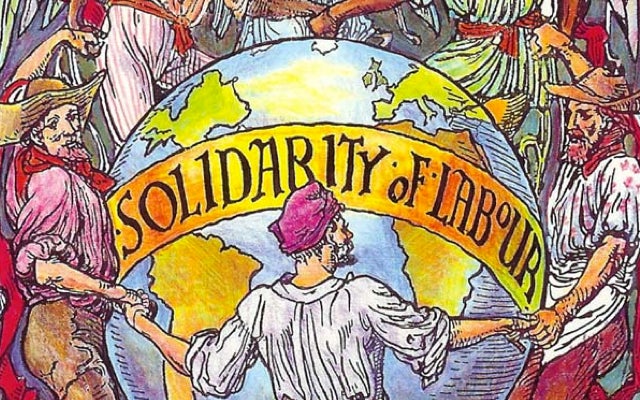
thank you for visiting the labor history resource project as we build this resource!


Prelinger Archives was founded in 1983 by Rick Prelinger in New York City. Over the next twenty years, it grew into a collection of over 60,000 “ephemeral” (advertising, educational, industrial, and amateur) films. In 2002, the film collection was acquired by the Library of Congress,…
“Culture becomes not a haven of ideas or a fixed state of experience but a social imaginary erupting out of a storied cultural real.” (Stewart 1996, 63-4)
I remember the day when my father, a West Virginia University professor, accompanied some of his students to Charleston for Undergraduate Research Day at the Capitol in February 2018.

This is the official bibliography for LAWCHA’s Teaching and Public Sector Unionism initiative. A full listing of our resources can be found on the Teaching Resources page. For an overview of teachers’ unions, see our featured article, “A Century of Teacher Organizing: What Can We…
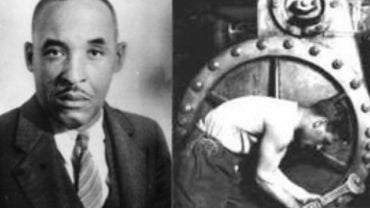
From early in the 19th century through recent years, the Mahoning Valley has drawn new migrants and immigrants seeking economic opportunities and new homes. As those families settled in the area, they created the diverse cultural mix of our present day community. They brought new…

The Knights of Labor was the largest and most extensive association of workers in 19th century America. Organized in 1869, the movement grew slowly in the 1870s, then surged in the 1880s, reaching a peak membership approaching one million in 1886-1887 with Local Assemblies spread across the country in more than 5,600 cities and towns.
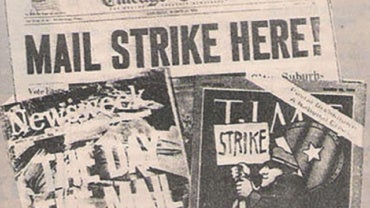
The first mass work stoppage in the 195-year history of the Postal Service began on March 18, 1970, with a walkout of letter carriers in Brooklyn and Manhattan who were demanding better wages.
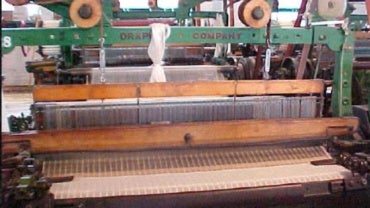
In 1820 Lowell, known as East Chelmsford, MA at the time, had a population of 200 and was a farming community. Thirty years later, the population had grown to 33,000 and one could find 32 textile mills in existence there. Lowell was an ideal location for these mills because it was located near the Merrimac River. The river supplied the water necessary to run these factories.
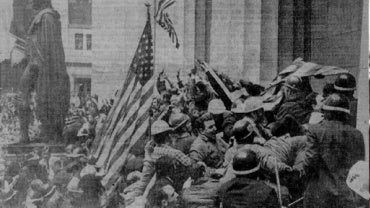
On May 8, 1970, the Dow Jones Industrial Average dropped five points to finish at 717, in the slowest day of trading in months. In the streets outside the New York Stock Exchange, however, chaos erupted: at noon, hundreds of construction workers arrived on Wall…