Rosalío Padilla Barajas’ Oral History
What did the braceros do on weekends, on Saturdays and Sundays?
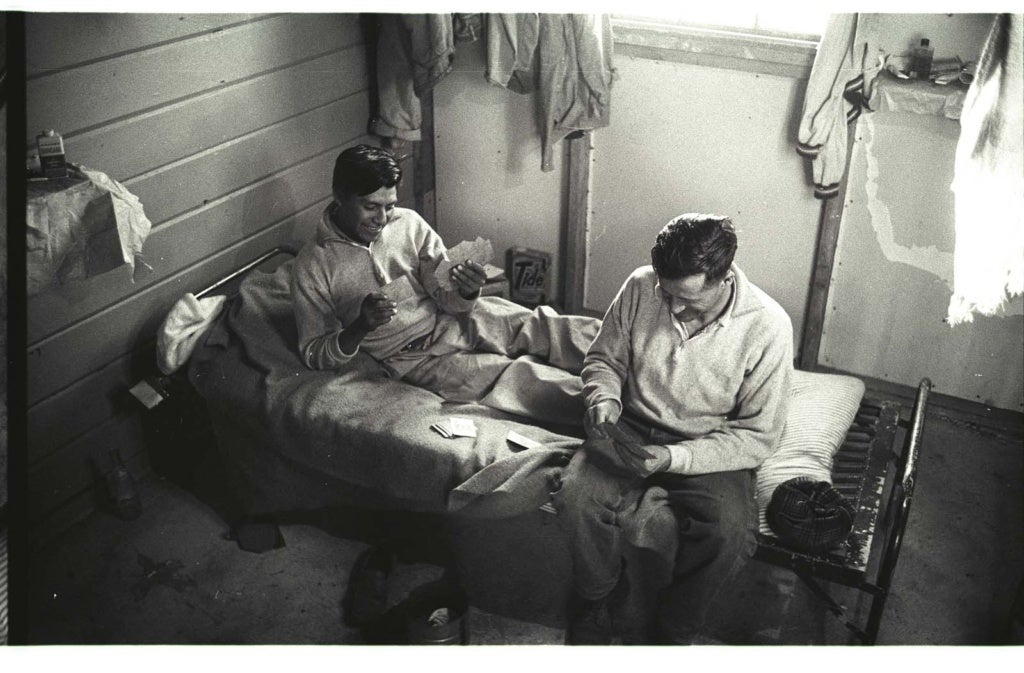
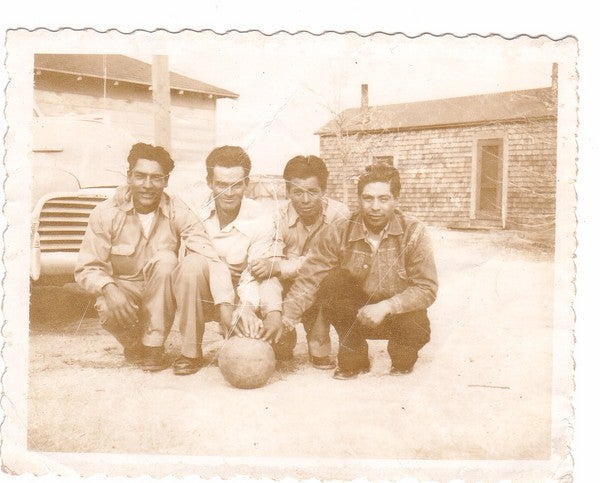
Well, on Saturdays, when we had the day off, we played ball. Sometimes we brought a glove, a bat, and a baseball, and we’d play there. Back then there wasn’t any soccer.
There wasn’t?
No, no, there wasn’t. It was all baseball, nothing but baseball.
Why?
Because soccer still hadn’t really taken off. It existed, but it wasn’t as popular as it is now. Baseball was the biggest sport, the king of sports.
In the United States or here in Mexico?
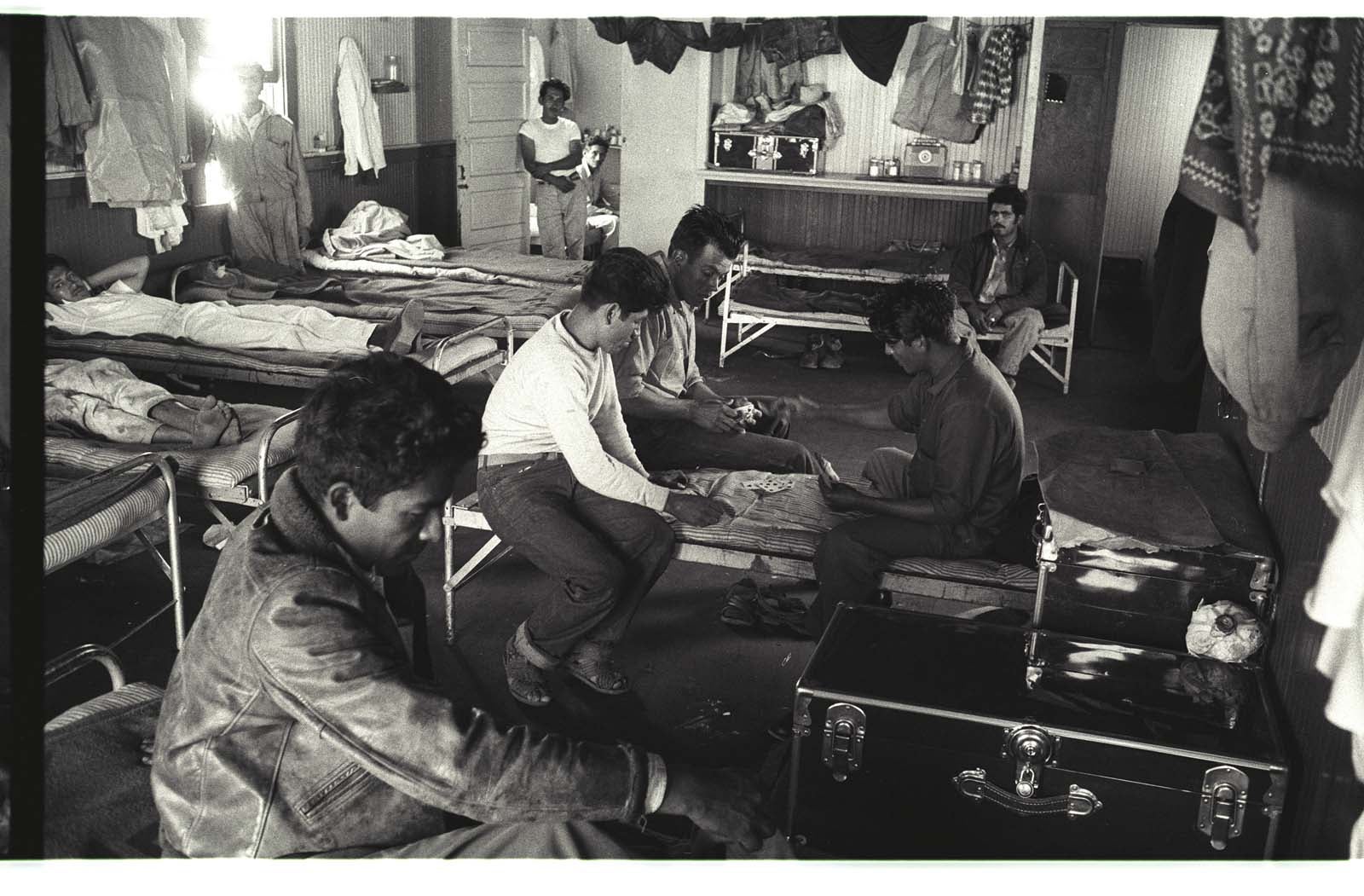
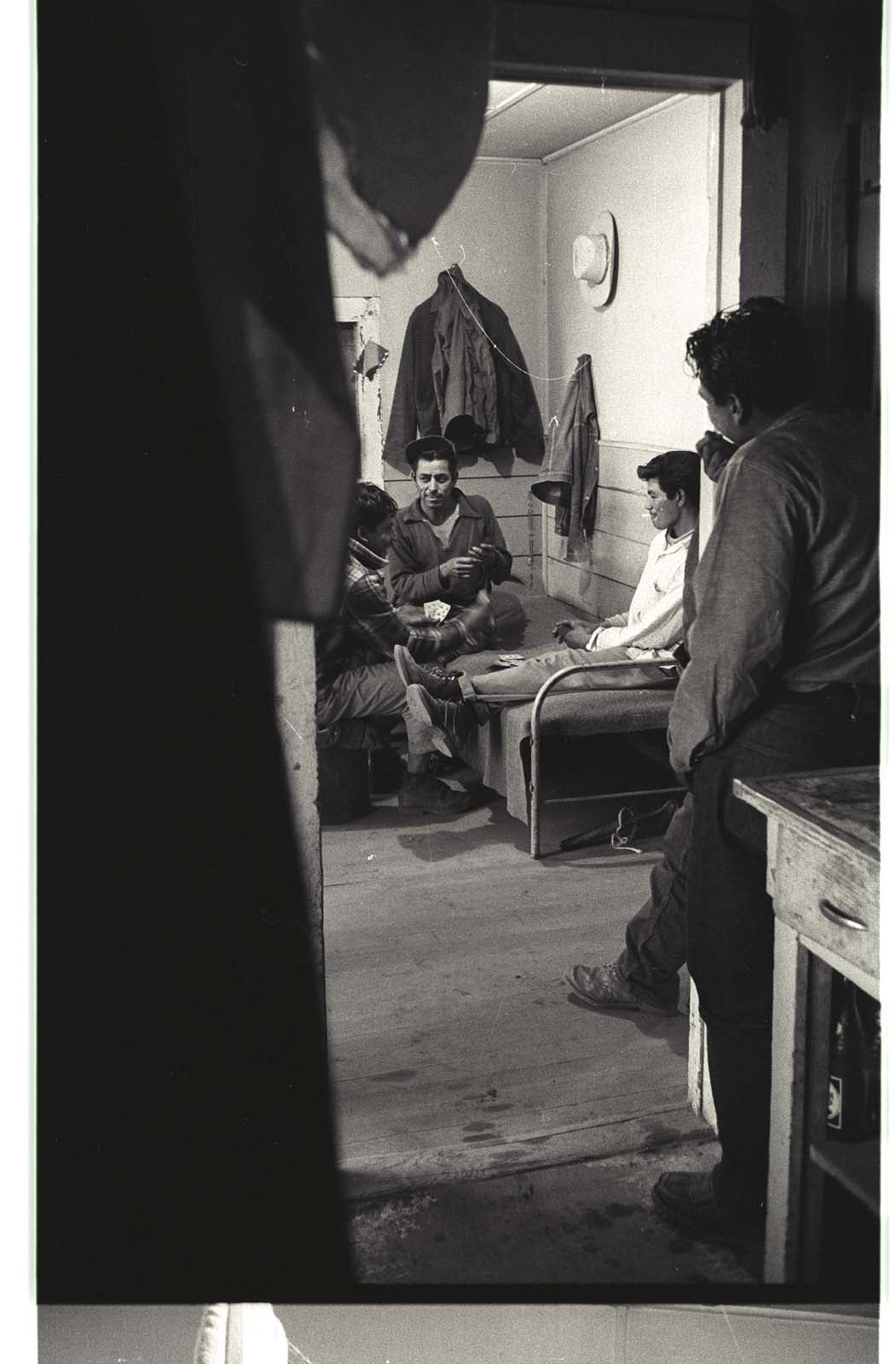
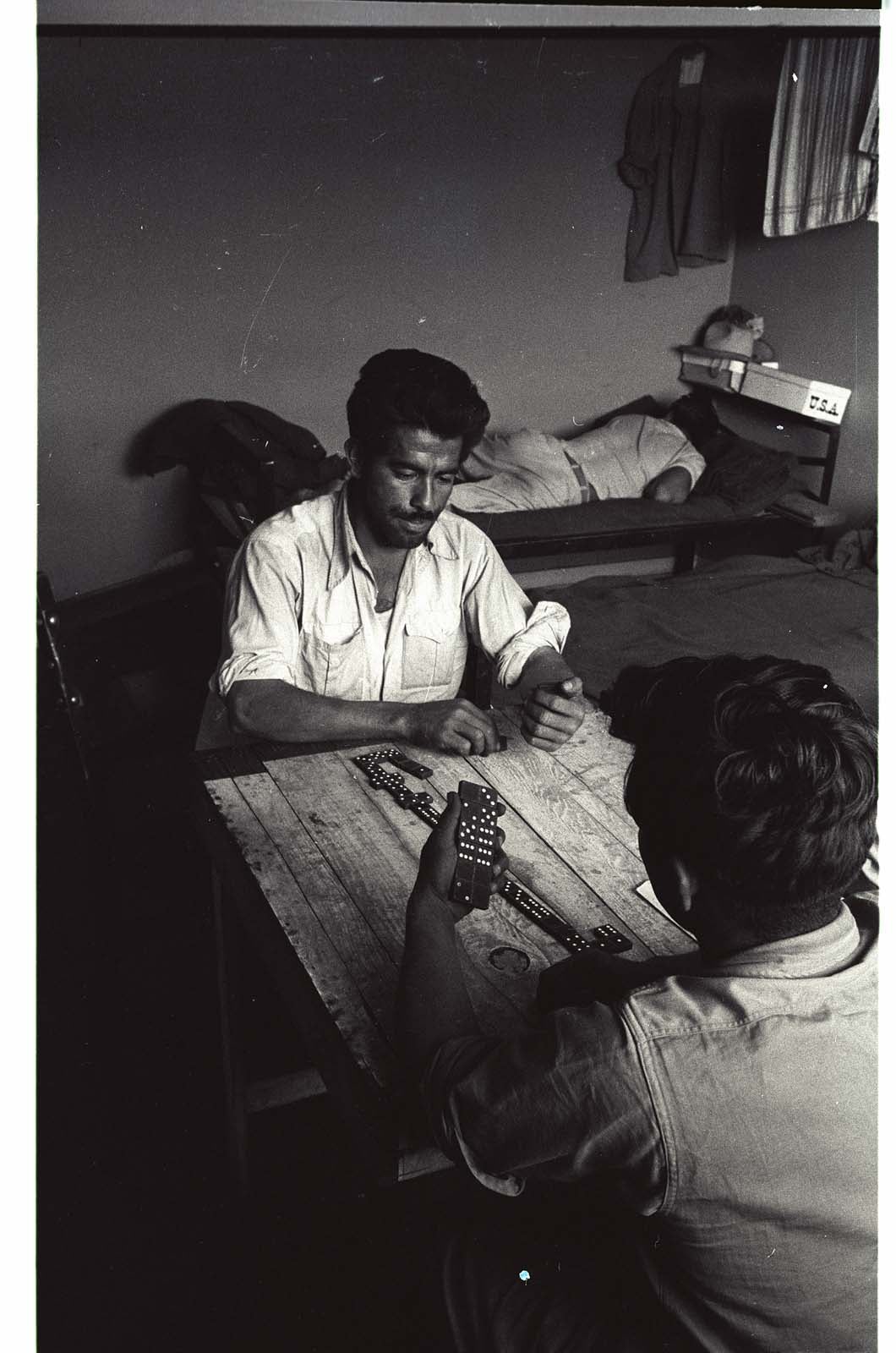
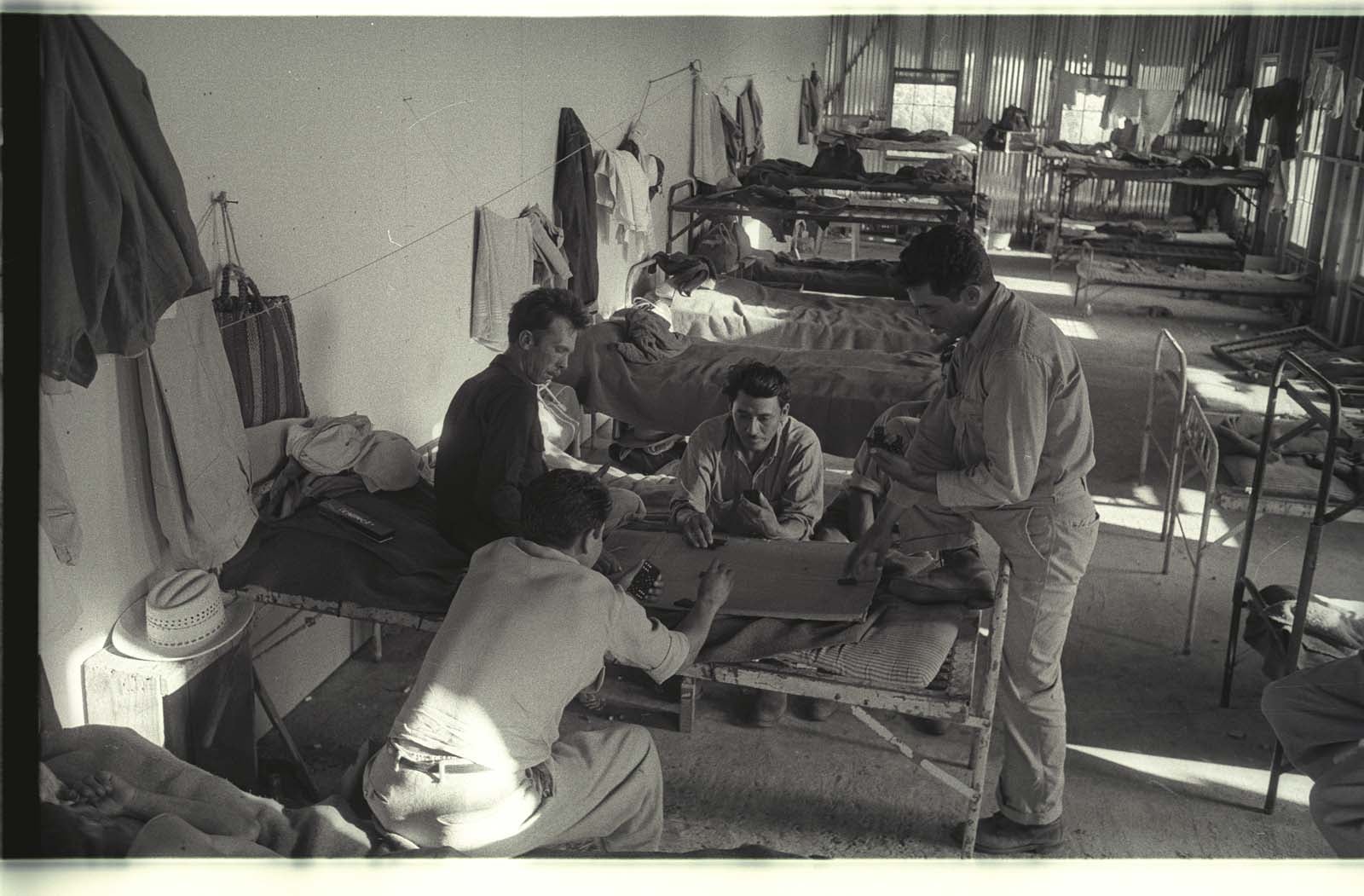
Well, both in Mexico and in the United States, because the Chicago Dodgers were already playing. So we’d watch the games, and sometimes we’d practice too. That’s what we did in the afternoons, play baseball to pass the time so we wouldn’t be thinking, “I wonder what our parents or our children are doing back home.” That’s how we spent our time. Sometimes we’d play volleyball too. Those were the sports we played the most.
But if there was a harvest on Sunday, then you had to go to work. They’d say, “You’ve got to go.” It didn’t matter whether you wanted to play baseball, you had to fulfill your harvesting work because that’s what your contract required. You couldn’t say no. What we all wanted was to save up dollars. We tried not to spend much money over there because it didn’t go very far. A peso was still a peso, as it always had been, but when you sent dollars back to Mexico they stretched much further. At that time one U.S. dollar was worth 12.50 pesos. So when you sent money home, it really helped your family, because it wasn’t just one peso anymore, it was 12.50.
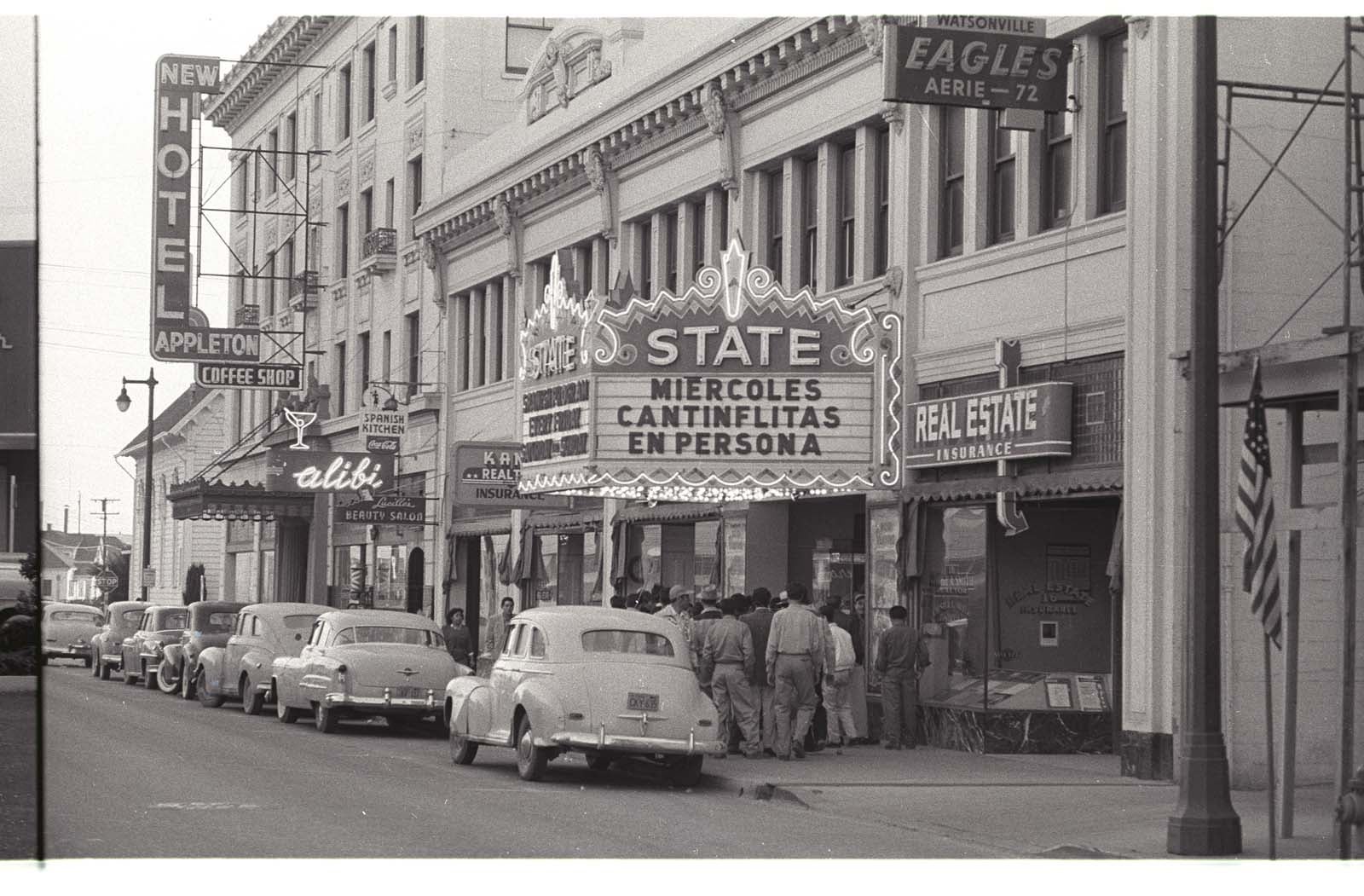
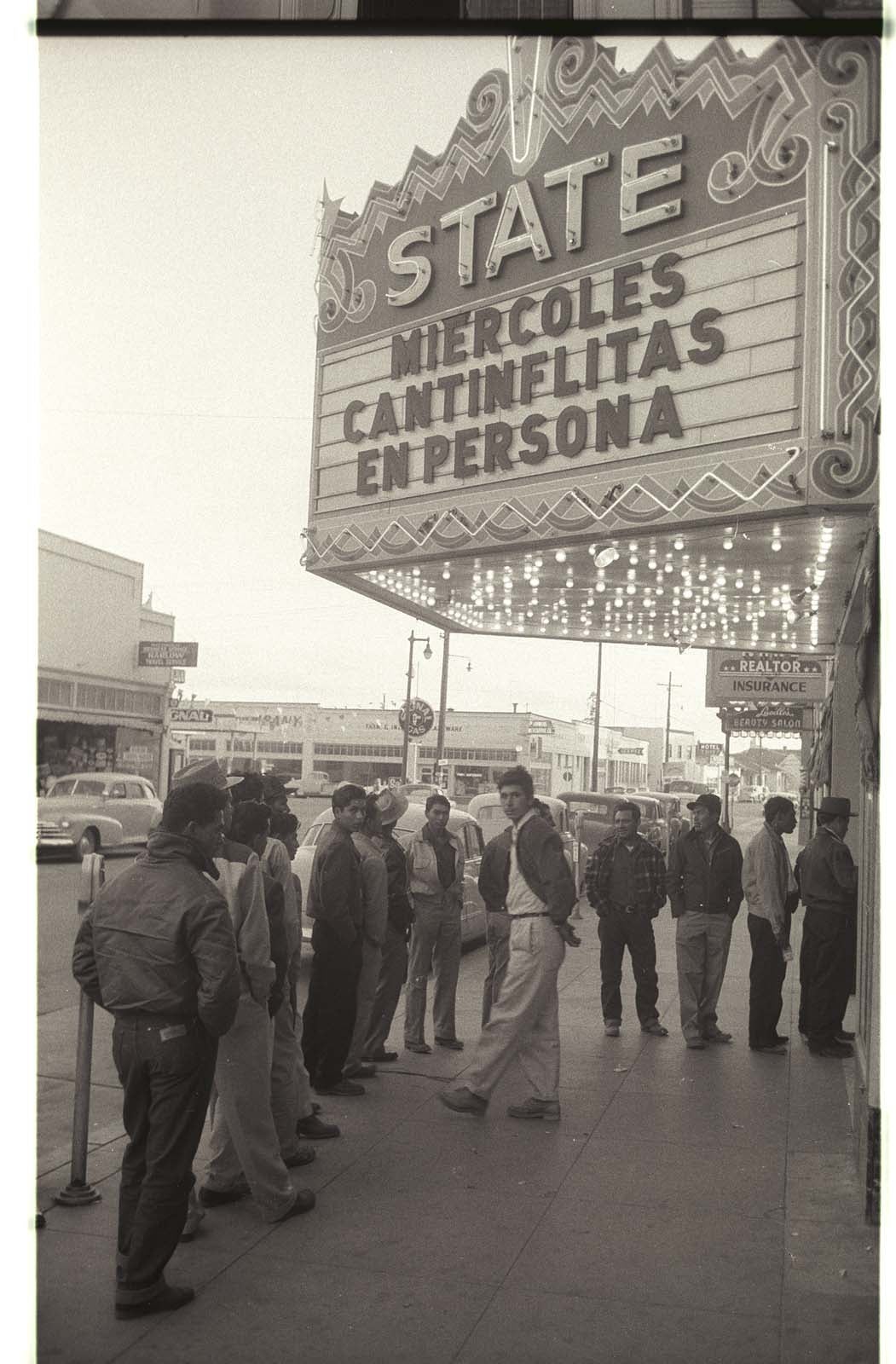
We also went to the movies. We enjoyed ourselves at the movie theater because you didn’t even have to go inside. The screens were outside.
The screens were outside?
Outside, yes. In the United States they had drive-in theaters. Americans would park their cars in front of the screen and watch the movies from their vehicles. We would walk by on foot and watch them too. But they were all American movies, and what could you understand? Nothing.
Then, when they started showing Antonio Aguilar’s movies, that was different. We’d say, “Let’s go see Antonio Aguilar. He’s going to be here now, they’re going to show some good movies.” It was all about Antonio Aguilar because he was the most famous Mexican entertainer in the United States back then. We loved the way he sang, and besides, he was one of our own, from Zacatecas. We’d say, “Oh, Antonio Aguilar. Look how beautifully he sings.” Even people from La Laguna would say, “That Aguilar, that guy from Zacatecas.” And we’d answer, “Well, yes, he sure can sing.”