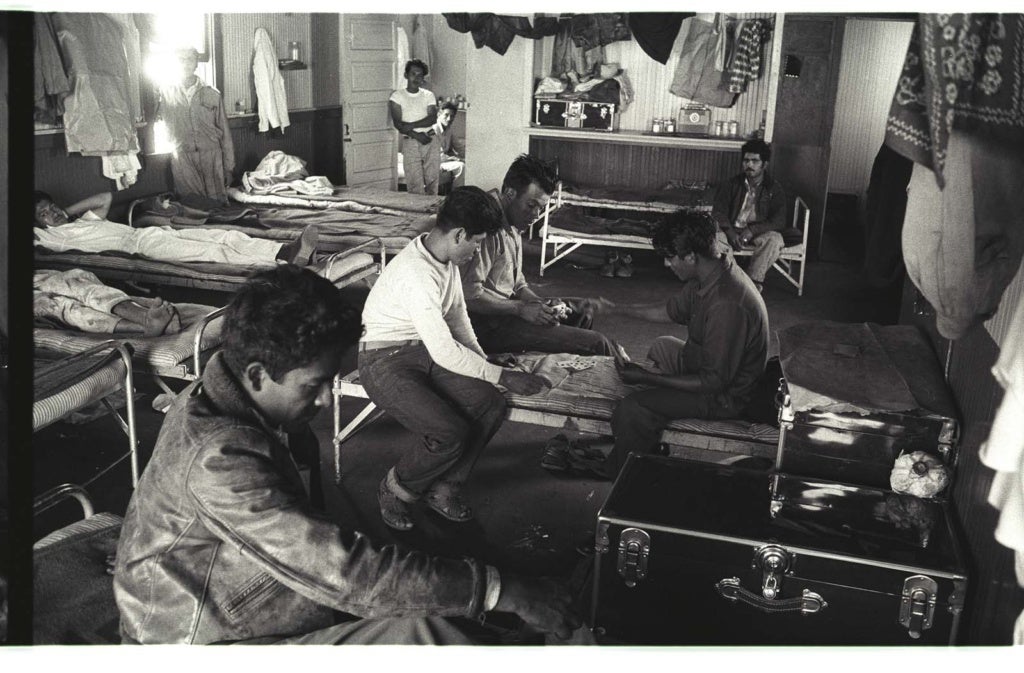
Membership Denied: Braceros and the Conditional Value of Labor
An Examination of the Conditional Value of Work Through Photo
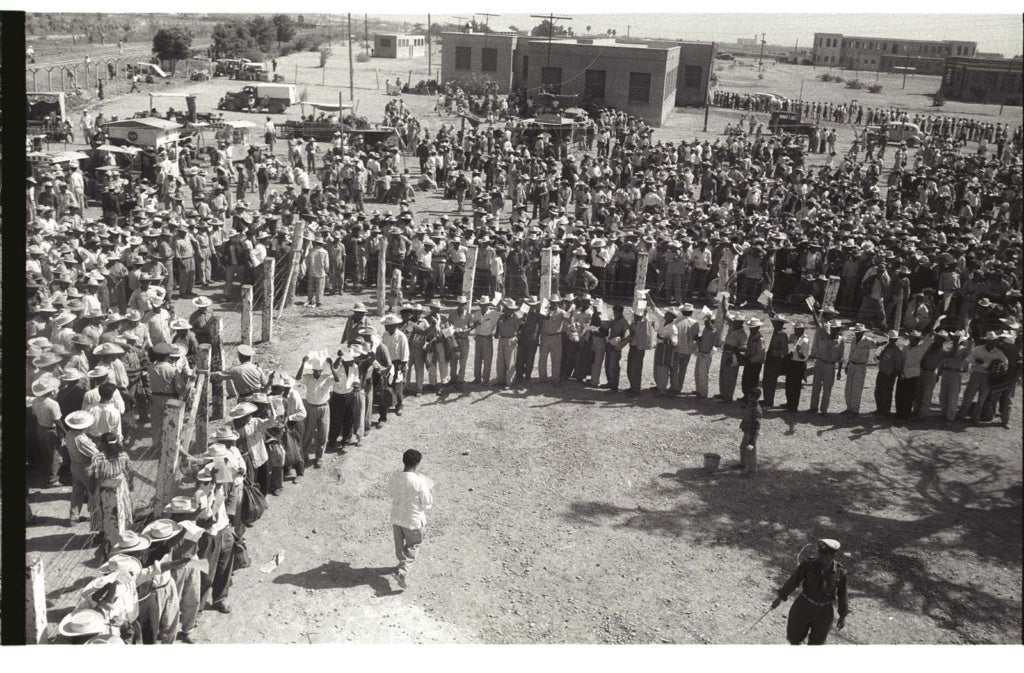
Between 1942 and 1964, a series of binational labor agreements were established by the United States and Mexico, forming what would come to be known as the Bracero Program. Justified by perceived wartime labor shortages, these arrangements specifically allowed Mexican workers to enter the United States on temporary contracts. The program continued past the war years, however, as growers sought continued access to a low-wage, deportable workforce. Over the course of the program, the U.S. government issued more than 4.5 million contracts to Mexican men, some of whom would stay and build a life in the United States.
Official narratives portrayed these guest workers as disciplined workers and devoted family men. Yet, the respect that surrounded these depictions was based in ties to “legality” alongside the capacity to labor. The program thus laid the groundwork for future debates over Mexican immigration by cementing economic utility as a key criterion for limited national inclusion; Mexican immigrants were only welcomed insofar as they served the needs of the U.S. economy. At the end of their contracts, Mexican workers were expected to return to Mexico, and those who challenged their exploitation risked swift deportation.
Immigration policy does more than regulate movement; it produces categories of inclusion and exclusion tied to national belonging. The Bracero Program therefore played a role in shaping how Mexicans and Latinos would be perceived for generations. Although the program granted Mexican workers a temporary form of legal recognition, it simultaneously entrenched the enduring figure of the “Mexican laborer,” framing Mexican labor as essential while rendering Mexican inclusion in the United States unnecessary and undesired.
Discover
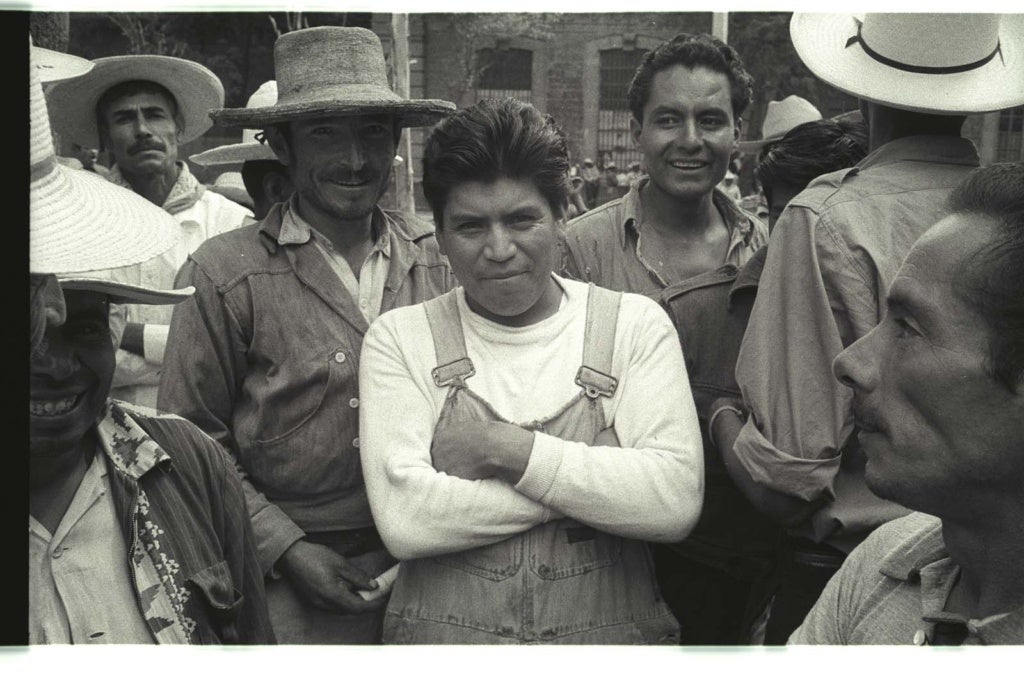
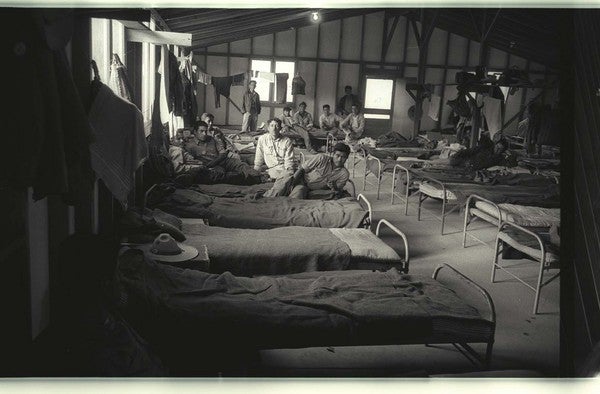
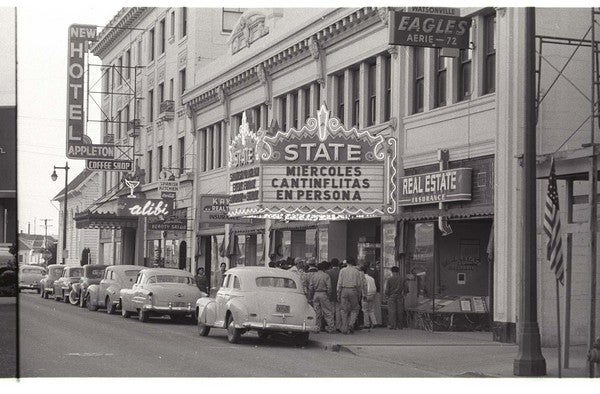
This exhibit invites viewers to examine how the Bracero Program constructed a vision of belonging rooted in productivity and labor. At the same time, it challenges this normative narrative by departing from images of the “ideal” Bracero worker. Through selected photographs and commentary, the exhibit encourages viewers to see Mexican guest workers beyond the framework imposed by the U.S. immigration system, prompting us to question notions of earned value and instead center inherent human worth.
Exhibits Curated and Designed by Marcella Loprinzi Hardin and Mireya Loza. All photos accessed from the Bracero History Archive. To Access the full collection, Click Here