Membership Denied: Braceros and the Conditional Value of Labor
Bracero Migration to the U.S.
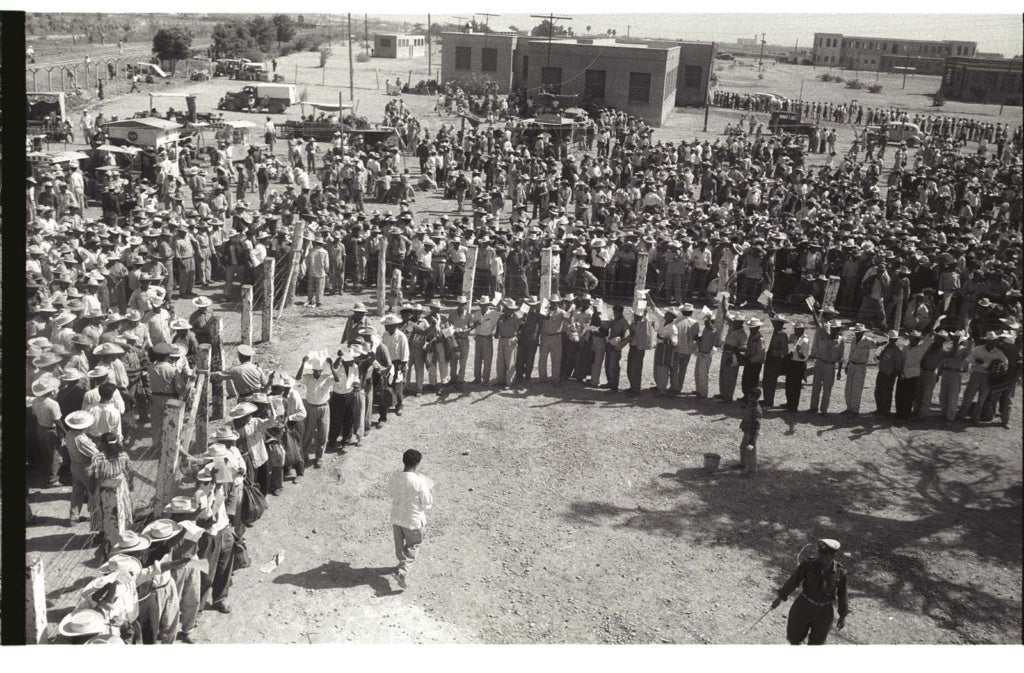
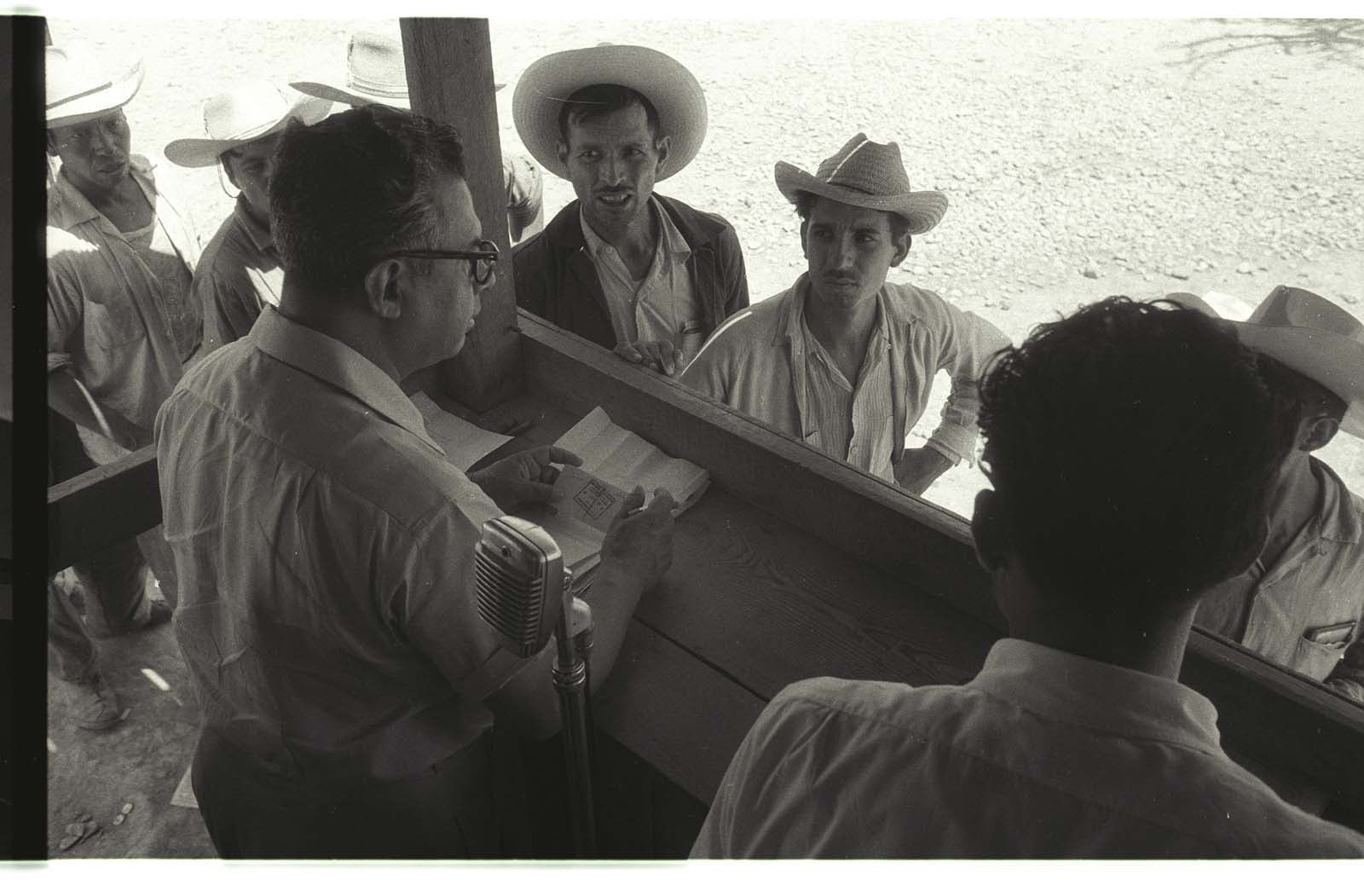
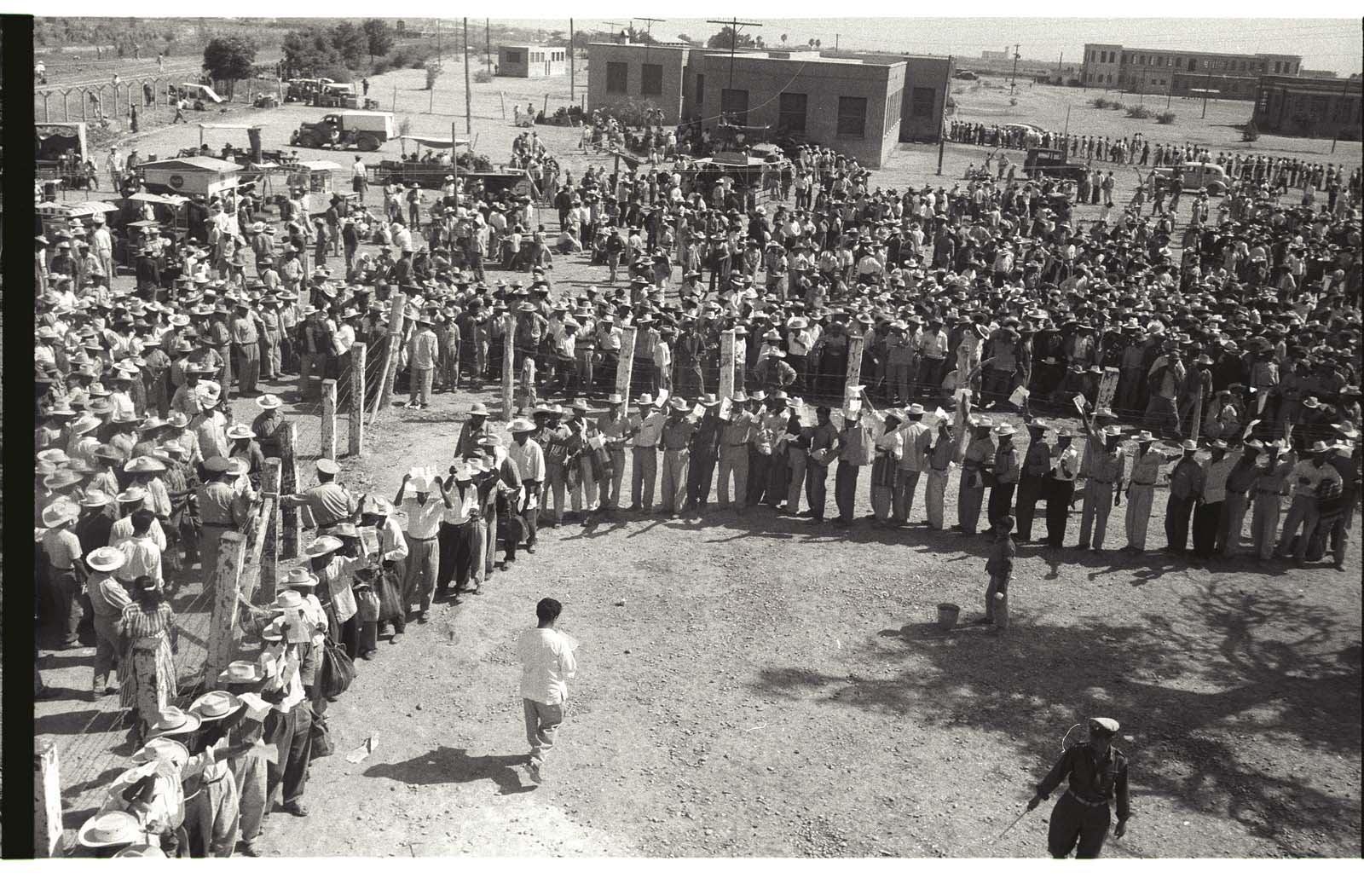
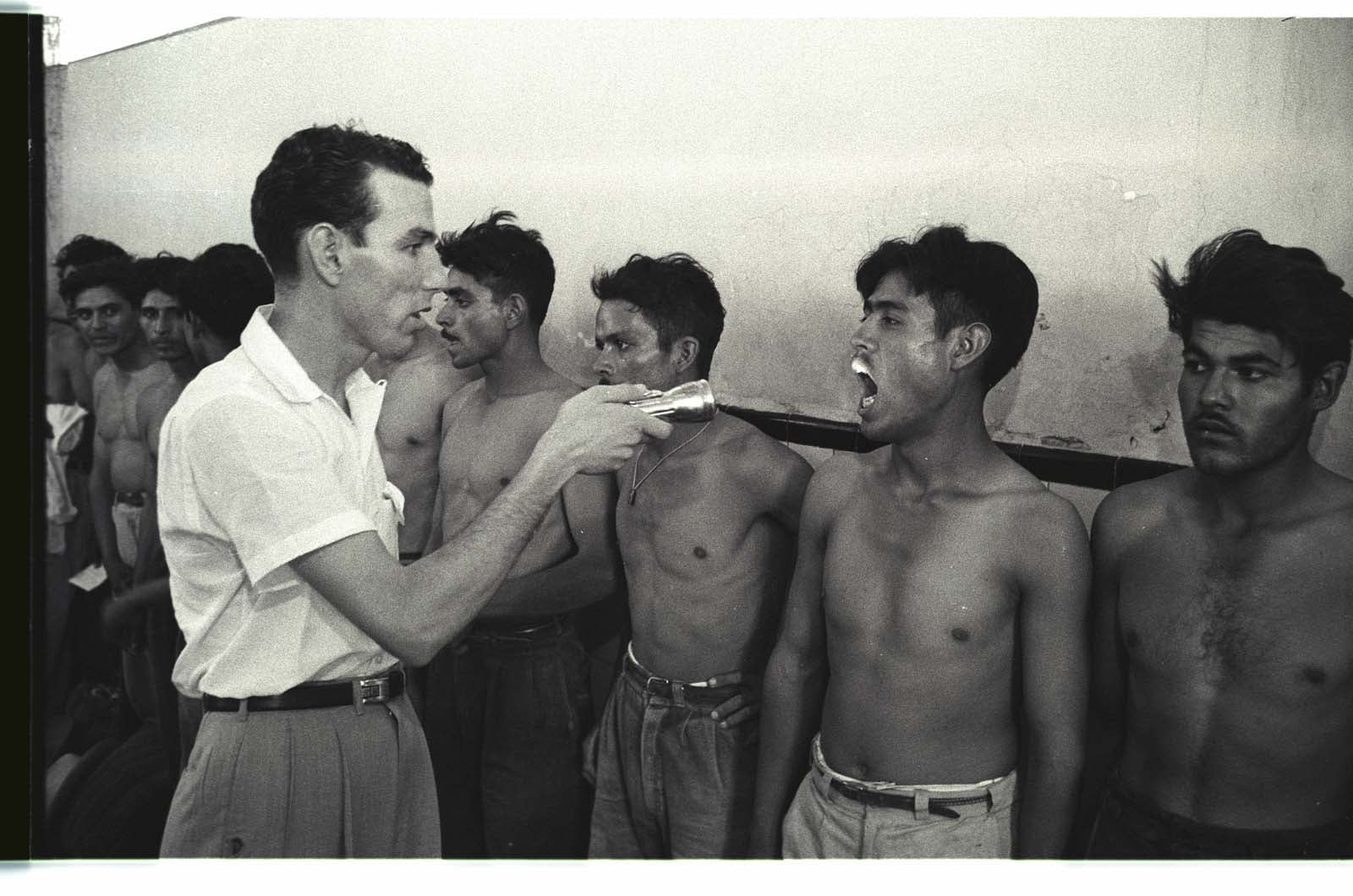
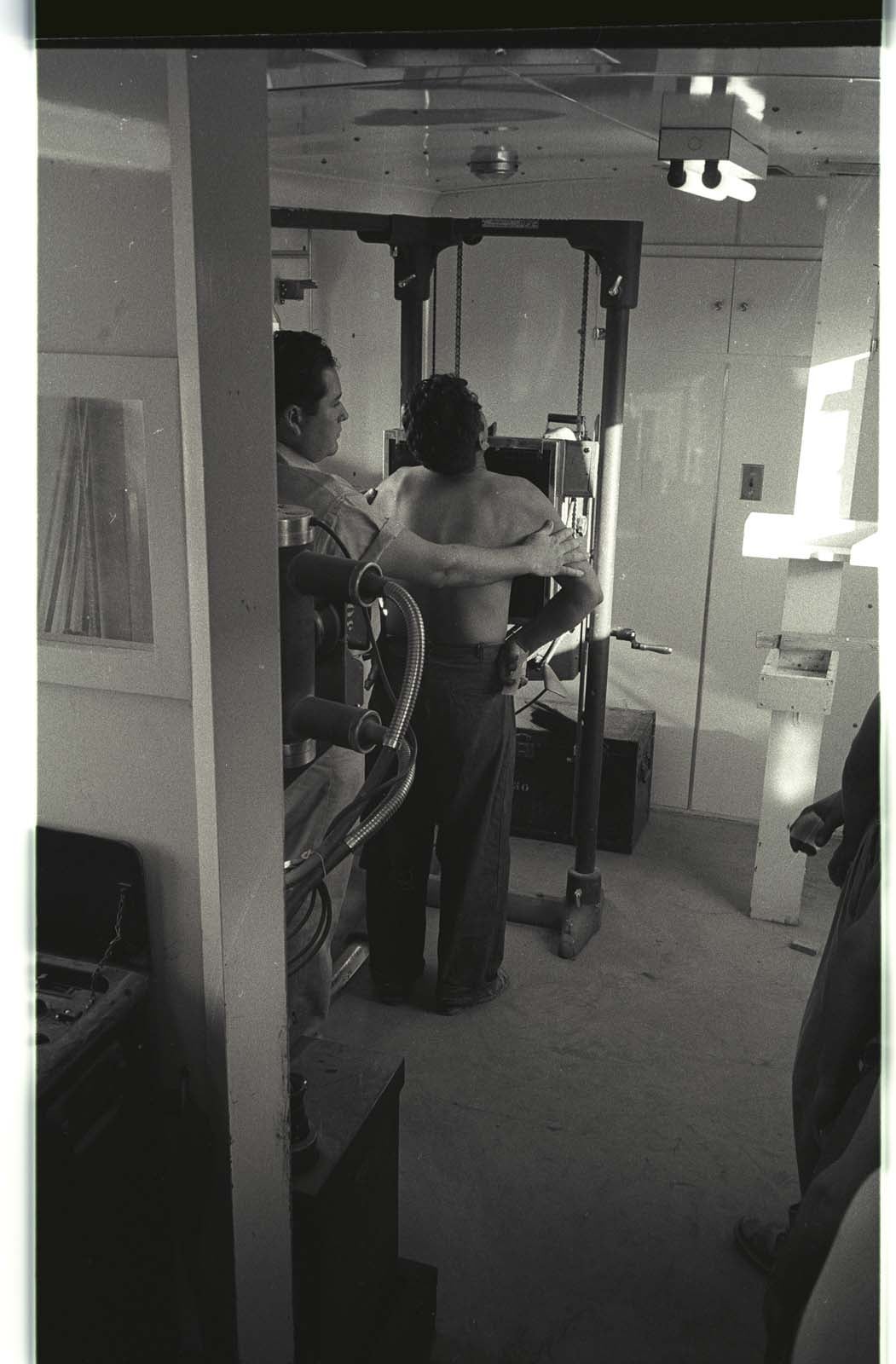
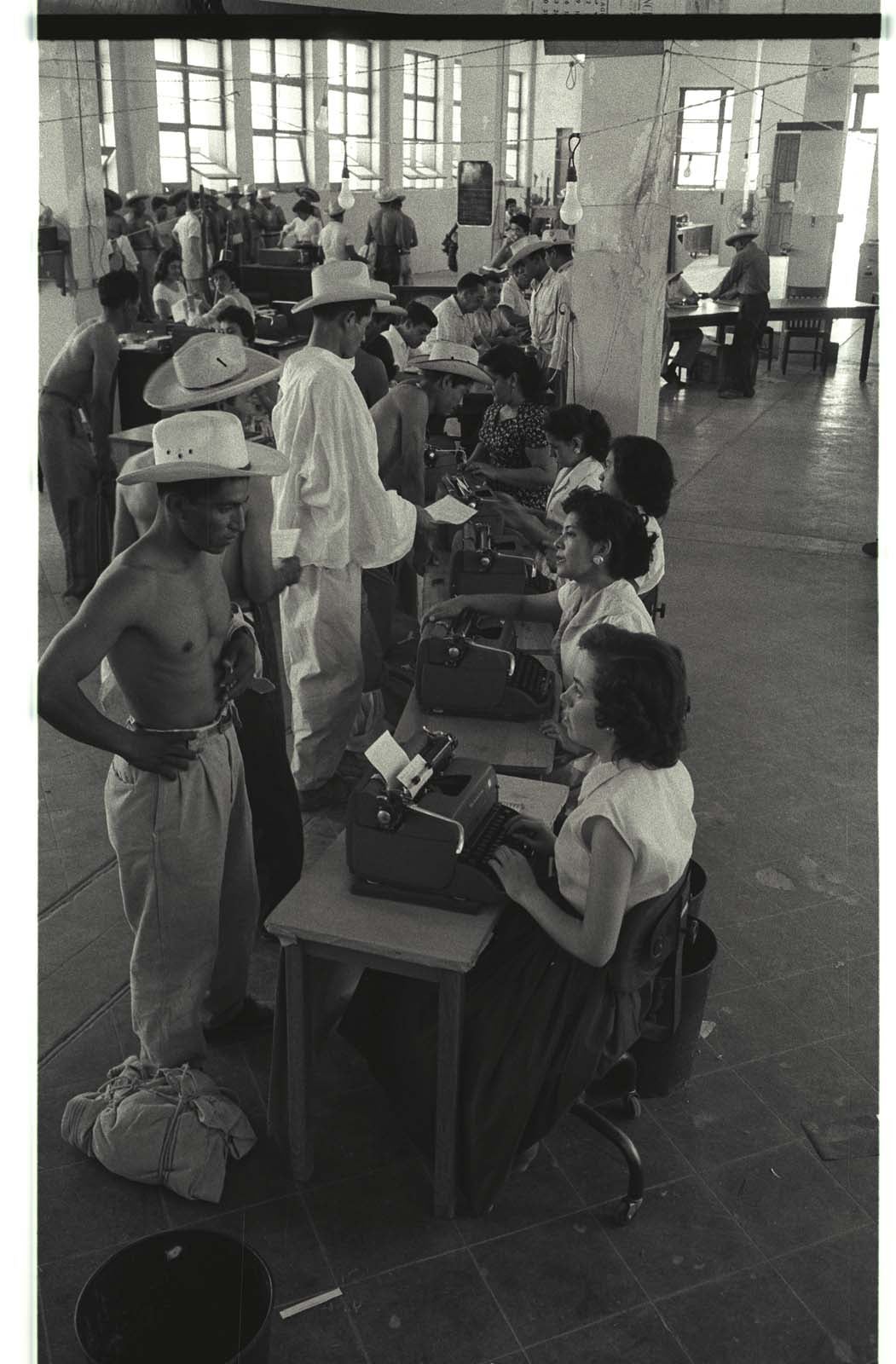
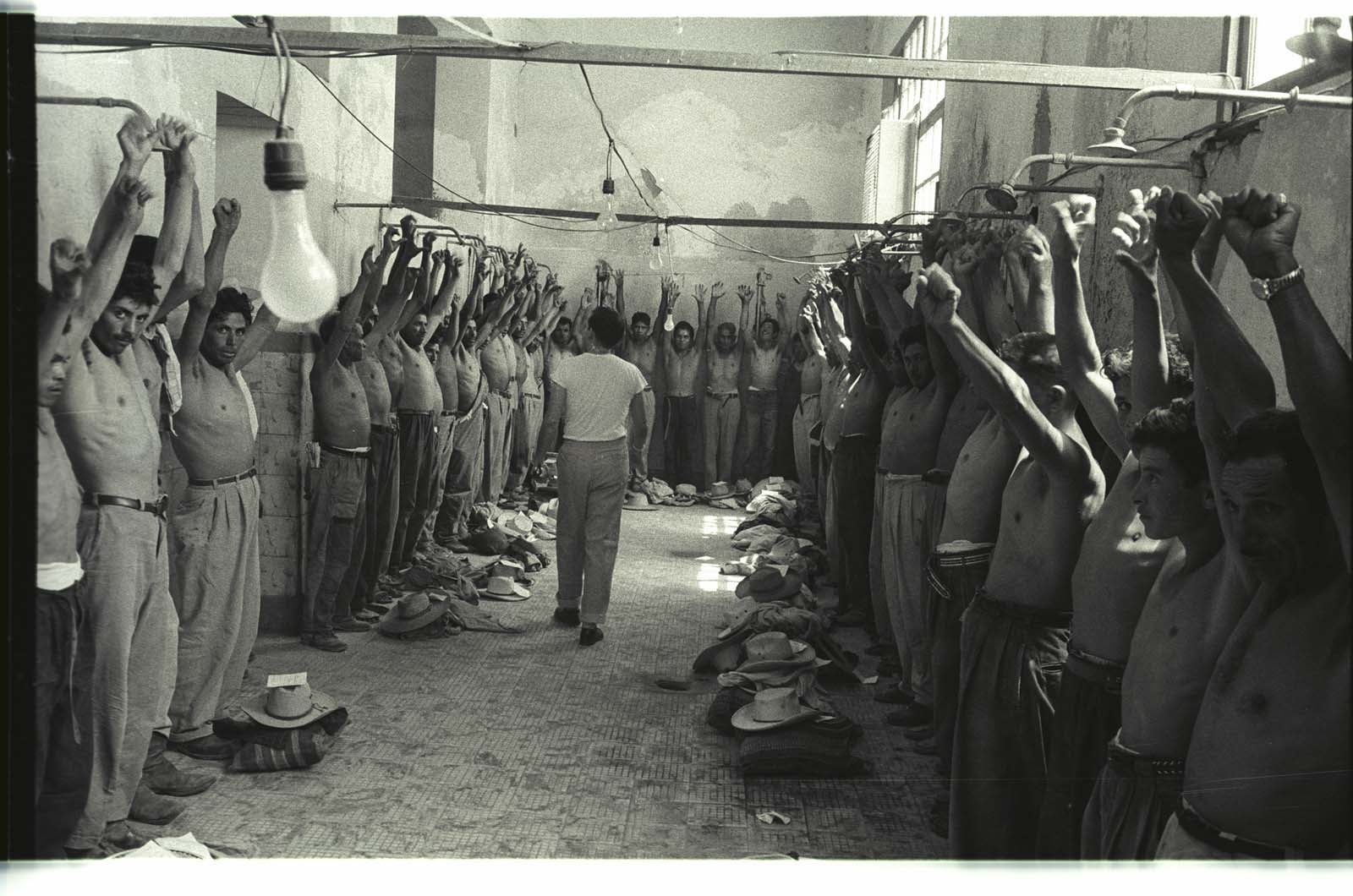
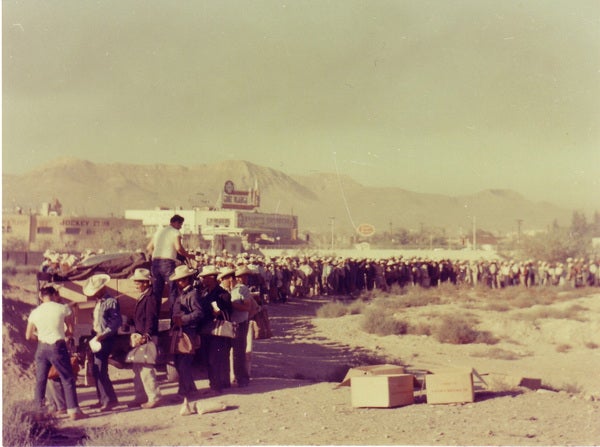
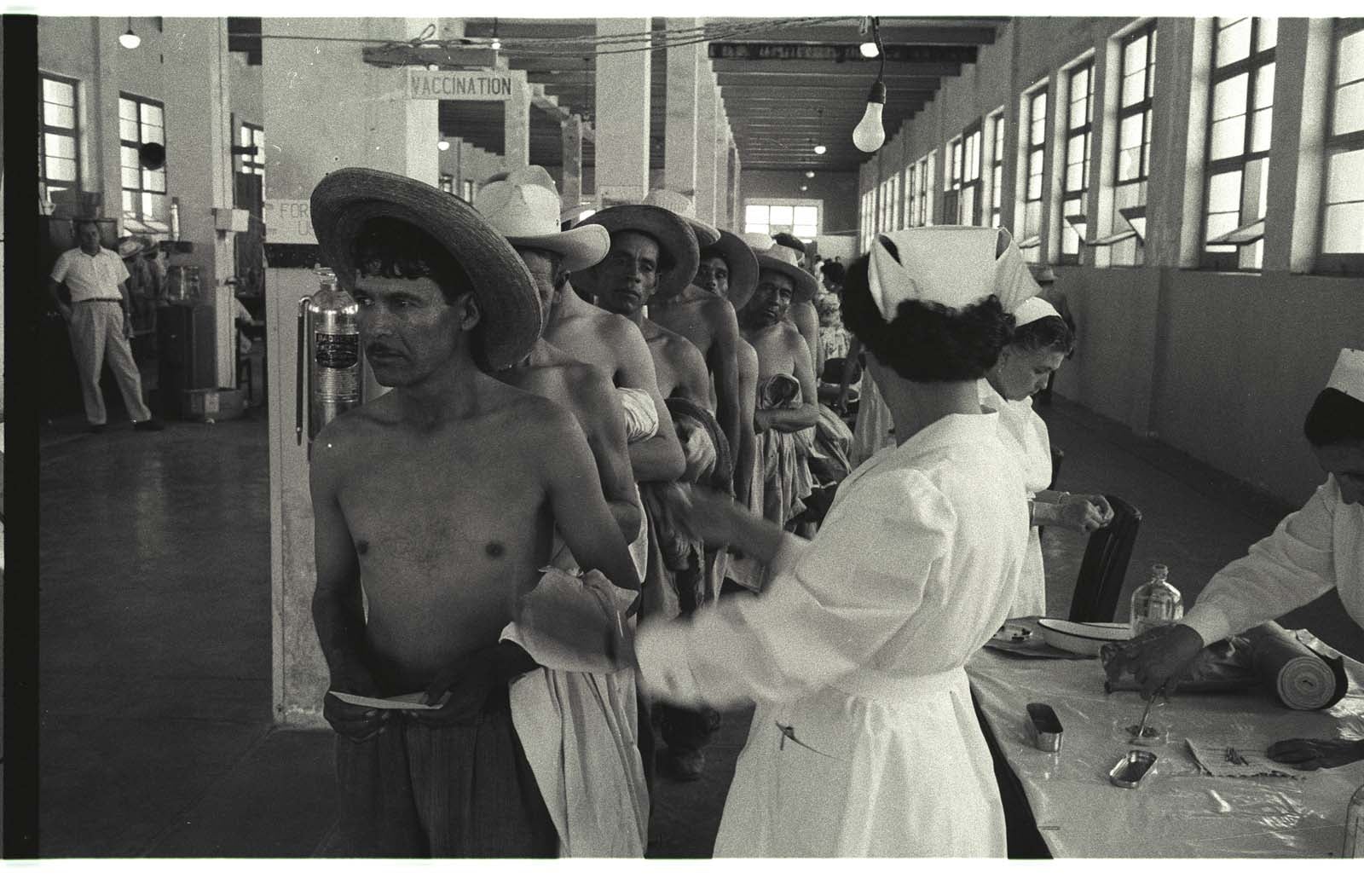
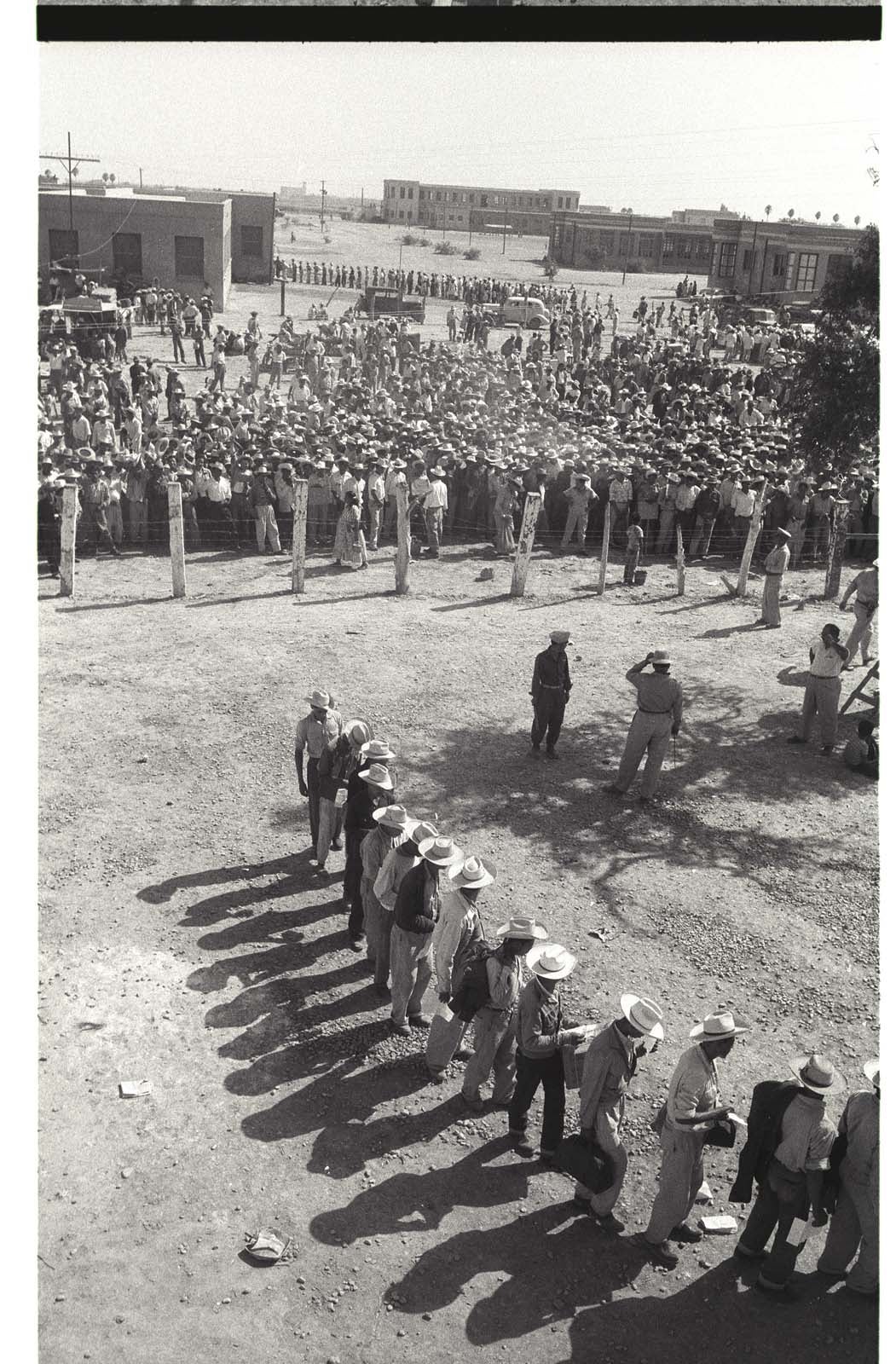
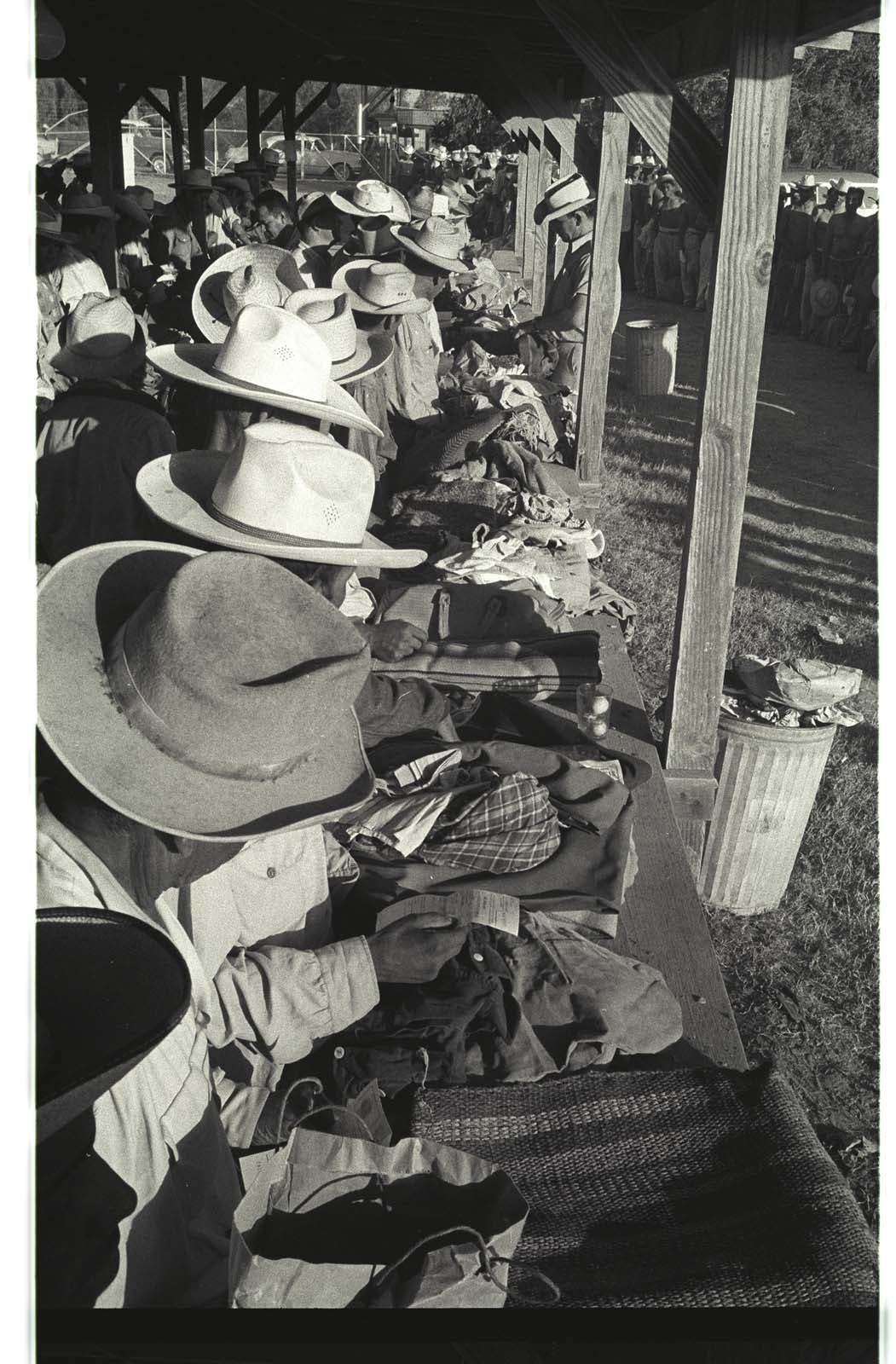
To qualify for a Bracero contract, Mexican men had to demonstrate experience in manual labor, making visual markers a key factor in the selection process. Potential Braceros quickly learned to perform a “campesino identity” to meet these expectations.
As one worker recalled, migrants “wised up to what was taking place—they’d pack their zoot suit britches and sharp-pointed shoes in a suitcase and put on the ol’ tire-casing sandals to get through the selection line.[1]
Selection thus became a performative stage where worker identity was both enacted and reinforced. Prospective Braceros learned to shed signs of urban life, perpetuating narrow and stereotypical ideas of what a Mexican worker was supposed to look like.
Antonio García B’s Oral History
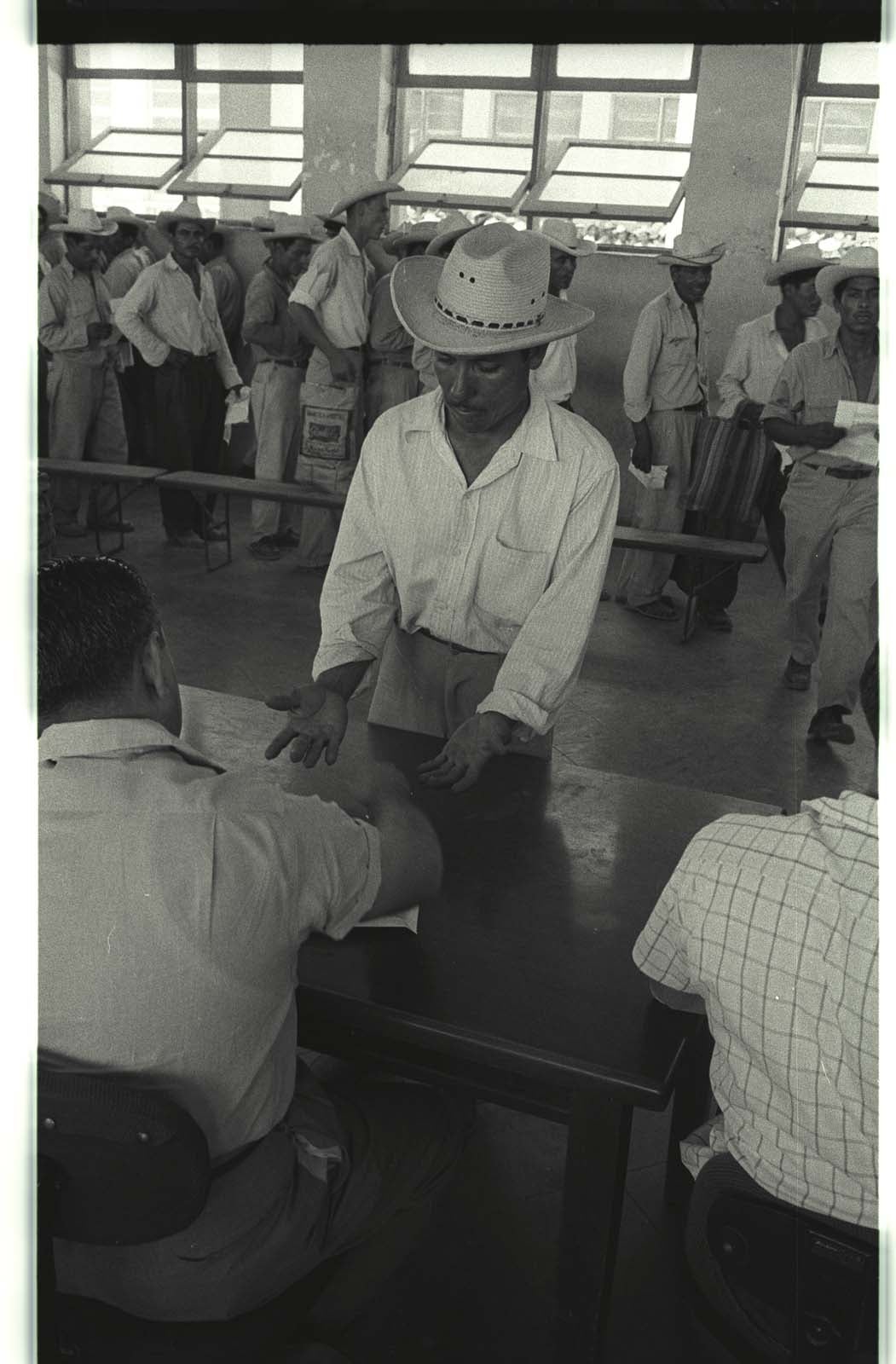
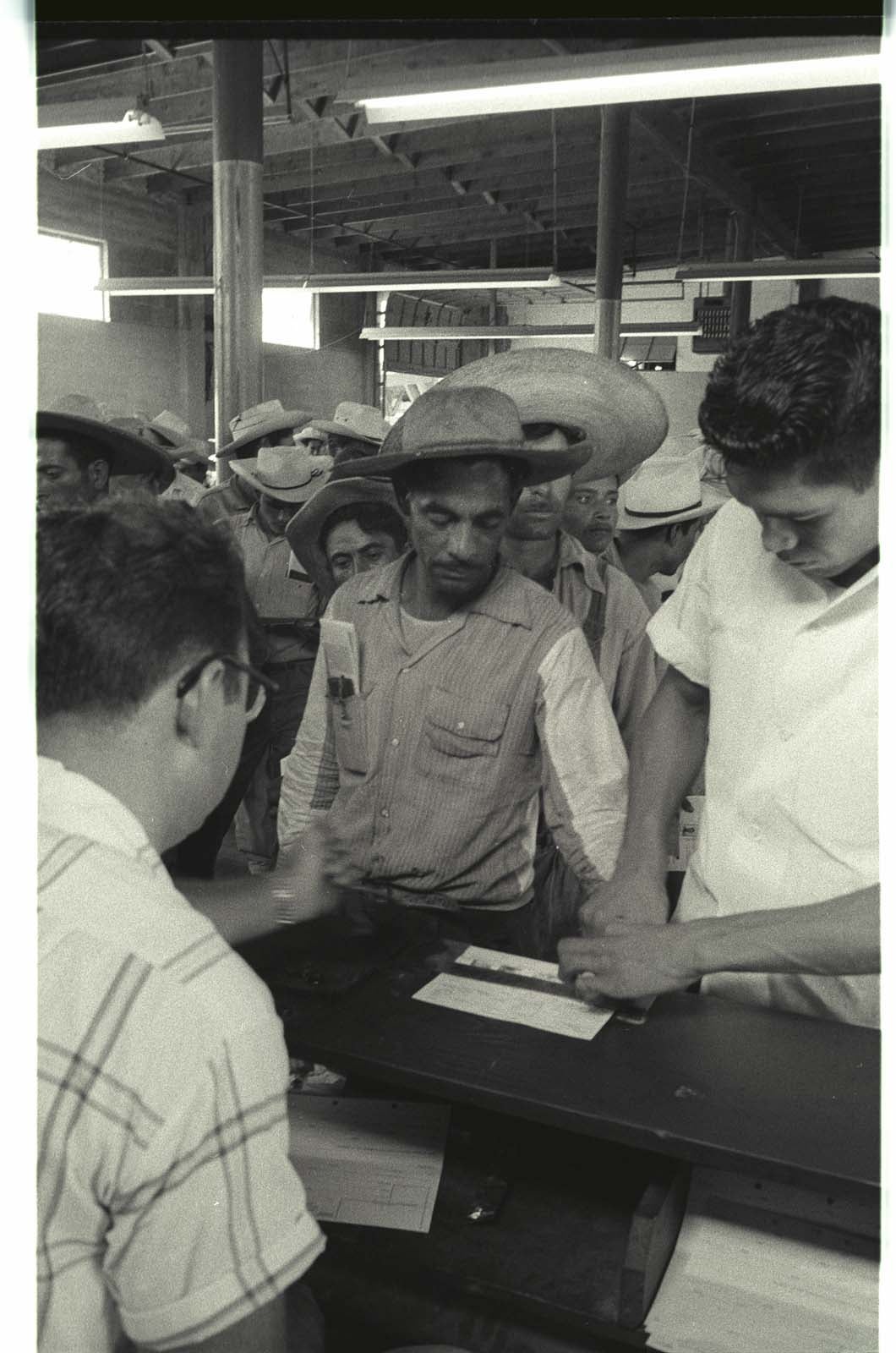
Well, the questions began with: ‘Let’s see your hands.’ The palm of the hand—that was where they started, because they wanted laborers, people who worked in the fields. If their hands were not rough, if they were very smooth, they would tell the person: ‘I’m sorry, but you can’t go. You don’t work in the fields; look how smooth your hands are.’
So that was their question; that was what they based it on. If a person had calloused hands, they would say: ‘No, well, you do work in the fields, because you handle the hoe, you handle the axe, you handle…’ That’s why your hands, your skin, are worn and rough like that.’
Someone whose skin was smooth, they would say: ‘No, you don’t work; you’re lying to me,’ they would tell them. So many were bakers, many were carpenters, many were all sorts of things there, mechanics, and their hands looked different. But they would also go around with a little stick, rubbing at them while they were waiting to be hired so that, so that the callus would become thick.
[1] Mireya Loza, Defiant Braceros : How Migrant Workers Fought for Racial, Sexual, and Political Freedom, (The University of North Carolina Press, 2017), 44.