
Digital Collections
History Site
Created BySpecial Collections Research Center, George Washington University LibrariesAreaResourcesMain CollectionHistory SitesShare

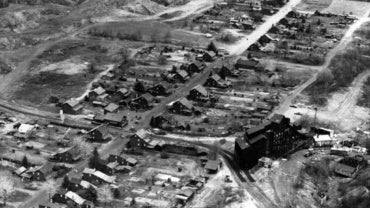
Perched atop a mountain ridge at the center of one of the planet’s largest concentrations of disturbed terrain, Eckley Miners’ Village is a world within a world. Visit our authentic 19th-century company mining town, and experience the lives of the working-class families who once fueled America.
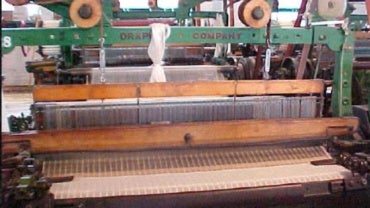
In 1820 Lowell, known as East Chelmsford, MA at the time, had a population of 200 and was a farming community. Thirty years later, the population had grown to 33,000 and one could find 32 textile mills in existence there. Lowell was an ideal location for these mills because it was located near the Merrimac River. The river supplied the water necessary to run these factories.
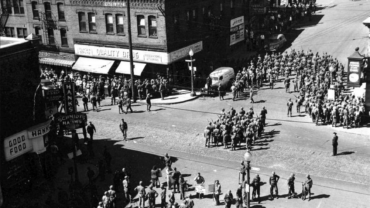
Many were home from war and wanted more than ever to live a long full life. Others had worked long days and nights during the war to feed the troops overseas as well as Americans on the home front. Some had migrated to the cities from farms and small towns looking for work.
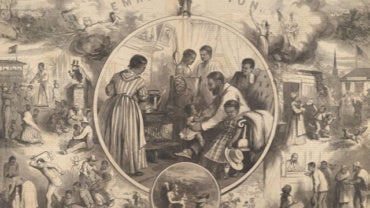
The Freedmen and Southern Society Project was established in 1976 to capture the essence of that revolution by depicting the drama of emancipation in the words of the participants: liberated slaves and defeated slaveholders, soldiers and civilians, common folk and the elite, Northerners and Southerners.…
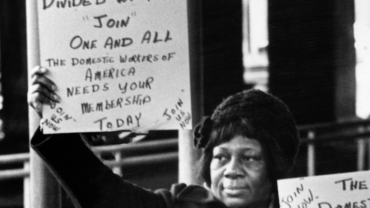
We are activist scholars — Jennifer Guglielmo, Michelle Joffroy, Diana Sierra Becerra — collaborating with the domestic workers movement (nannies, house cleaners, and home care workers) to give workers greater access to their own histories and cultures of resistance. These are educational tools for everyone to learn about these foundational histories.
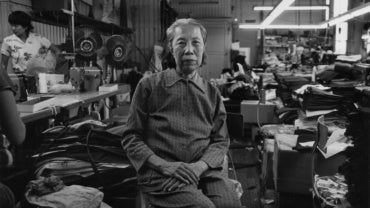
In early summer 1982 an estimated 20,000 garment workers in New York City, members of ILGWU Local 23-25 and mostly Chinese immigrant women, walked off the job in protest. This collection from LaborArts memorializes the 40th anniversary of this historic action.