

thank you for visiting the labor history resource project as we build this resource!

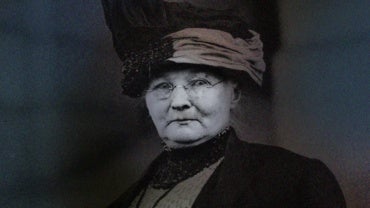
Mother Jones Museum is the website of the Mother Jones Heritage Project, a 501-c-3 non-profit. We are guided by the philosophy & model of Mother Jones, whose base was in Chicago, but who went across the US to organize and fight for justice.
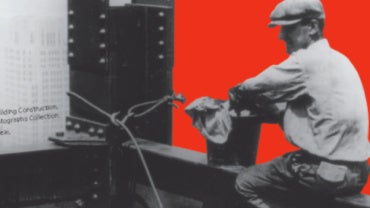
The Tamiment Library and Robert F. Wagner Labor Archives at New York University form a unique, internationally-known center for scholarly research on Labor and the Left. The primary focus of our collections is the complex relationship between trade unionism and progressive politics, and how this…
In 2007, the National Education Association celebrated its 150th year. Over this time, NEA has been a driving force in education at all levels.
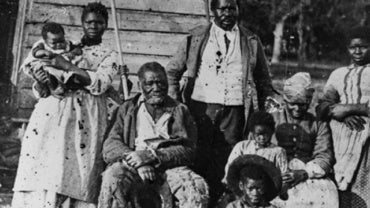
Created by the American Social History Project/Center for Media and Learning at The Graduate Center, City University of New York, HERB is a database of primary documents, classroom activities, and other teaching materials in U.S. history. Named in honor of ASHP/CML’s co-founder, labor historian Herbert…
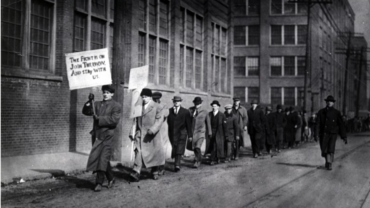
One of the most significant struggles for workers’ rights began on January 12, 1912, in Lawrence, Mass., when thousands of textile workers began a walkout that would come to be known as the Bread and Roses Strike, the Lawrence Textile Strike, and the Singing Strike. Read an overview and find teaching resources below.
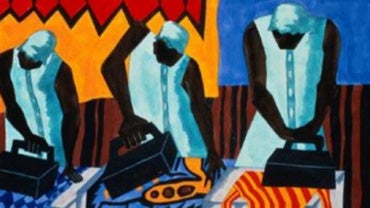
This bibliography contains a number of titles dealing with “workers,” the “world of work” generally, and “labor law” in particular, so as to account for some of the more compelling reasons we should assiduously attend to the complex economic and moral questions (the former often…
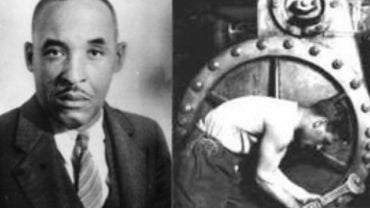
From early in the 19th century through recent years, the Mahoning Valley has drawn new migrants and immigrants seeking economic opportunities and new homes. As those families settled in the area, they created the diverse cultural mix of our present day community. They brought new…
This article examines both the Bargaining for the Common Good (BCG) contract campaigns that have emerged among teachers unions in the years since the Great Recession and the #RedforEd strikes and mobilizations of 2018.
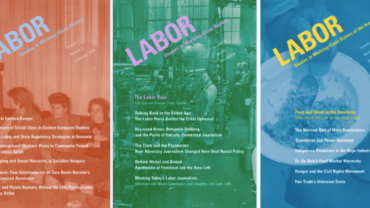
LABOR: Studies in Working-Class History is the official journal for the Labor and Working-Class History Association (LAWCHA), and is housed at the Kalmanovitz Initiative for Labor and the Working Poor at Georgetown University. A subscription to LABOR is available through membership in LAWCHA.