
Wisconsin Labor History
History Site
The Wisconsin Labor History Society is a volunteer-based organization working to record and catalogue the historical labor events of Wisconsin.

The Wisconsin Labor History Society is a volunteer-based organization working to record and catalogue the historical labor events of Wisconsin.

America at Work, America at Leisure: Motion Pictures from 1894-1915 consists of 150 motion pictures, 62 of which also appear in other online collections. The majority of the films are from the Paper Print Collection, while the remainder are from the George Kleine Collection, both…

The Southern Oral History Program Interview Database provides detailed descriptions of interviews in the Southern Oral History Program Collection (04007). The interviews in this collection were conducted or collected under the auspices of the Southern Oral History Program in the Center for the Study of…
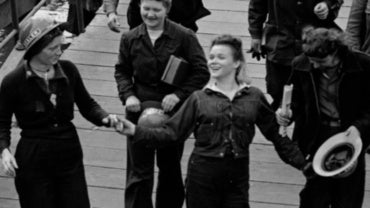
Part of the City University of New York, the American Social History Project is a recognized leader in effective, engaging history education. Who Built America Badges for History Education is designed for Grade 7-12 teachers
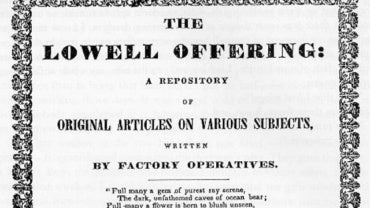
The Lowell mill girls were young female workers who came to work in industrial corporations in Lowell, Massachusetts, during the Industrial Revolution in the United States.

The Kheel Center for Labor-Management Documentation & Archives was founded in 1949 as the Labor-Management Documentation Center. Its continuing purpose is the preservation of original source materials relevant to the history of American labor unions, management theory as it applies to labor and industrial relations,…
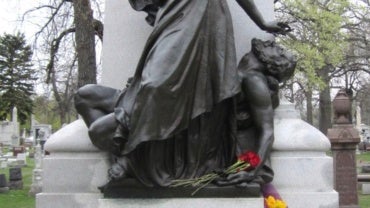
It shall be the Purpose of the Illinois Labor History Society to encourage the preservation and study of labor history materials of the Illinois Region, and to arouse public interest in the profound significance of the past to the present.
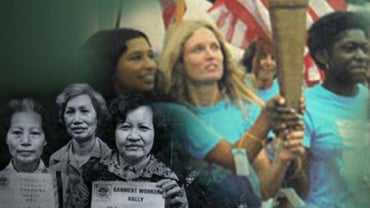
Women and Social Movements in the United States, 1600-2000, is a resource for students and scholars of U.S. history and U.S. women’s history. Organized around the history of women in social movements in the U.S. between 1600 and 2000, the collection seeks to advance scholarly…
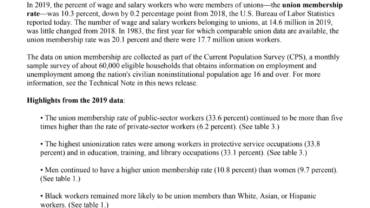
In 2019, the percent of wage and salary workers who were members of unions—the union membership rate—was 10.3 percent, down by 0.2 percentage point from 2018, the U.S. Bureau of Labor Statistics reported today.
This project produces and displays free interactive maps showing the historical geography of dozens of social movements that have influenced American life and politics since the start of the 20th century, including radical movements, civil rights movements, labor movements, women’s movements, and more. Until now…