

thank you for visiting the labor history resource project as we build this resource!

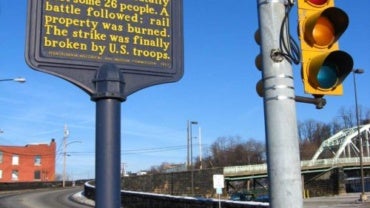
The Howling Mob Society was a Pittsburgh-based group of anonymous artists, activists, and citizen historians with an interest in the oft-buried radical peoples’ history of the United States. We worked as a team throughout 2007-08 to research, fabricate, and install a series of ten historical markers which detail the events of the Great Railroad Strike of 1877 as they unfolded in Pittsburgh, PA.
“Culture becomes not a haven of ideas or a fixed state of experience but a social imaginary erupting out of a storied cultural real.” (Stewart 1996, 63-4)
I remember the day when my father, a West Virginia University professor, accompanied some of his students to Charleston for Undergraduate Research Day at the Capitol in February 2018.

Women Have Always Worked: Fighting for Equality: 1950–2018.
An exploration from an online edX course.
The Wisconsin Labor History Society is a volunteer-based organization working to record and catalogue the historical labor events of Wisconsin.

This is the official bibliography for LAWCHA’s Teaching and Public Sector Unionism initiative. A full listing of our resources can be found on the Teaching Resources page. For an overview of teachers’ unions, see our featured article, “A Century of Teacher Organizing: What Can We…
This project explores the history of the IWW in its first three decades, presenting information that has never before been available. We have compiled databases of more than 1,800 strikes, campaigns, arrests, and other incidents involving IWW members and present this information both yearbook format…

Welcome to the Haymarket Affair Digital Collection. The Chicago Historical Society has created this digital collection to provide on-line access to its primary source materials relating to the Haymarket Affair, a controversial moment in Chicago’s past and a pivotal event in the early history of…
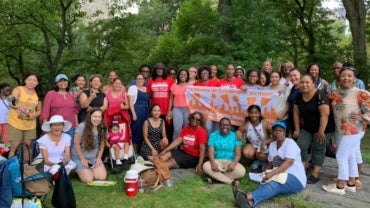
Domestic work is the work that makes all other work possible. Together, we can win the protections and recognition that this vital American workforce needs. Join us today!
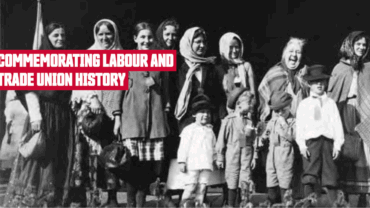
The International Trade Union and Labour Memory Network is a collaborative international project by a group of historians and labour activists. We aim to examine the commemoriation of labour history by highlighting what kind of labour and trade union memory work is undertaken across the globe, how trade unions use history and memory as a resource, and discuss the problems and challenges involved in commemoration.