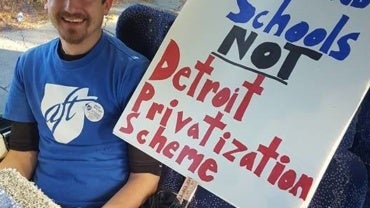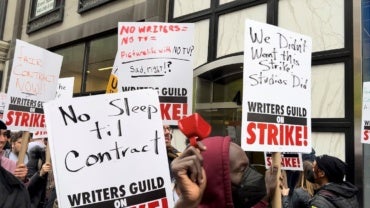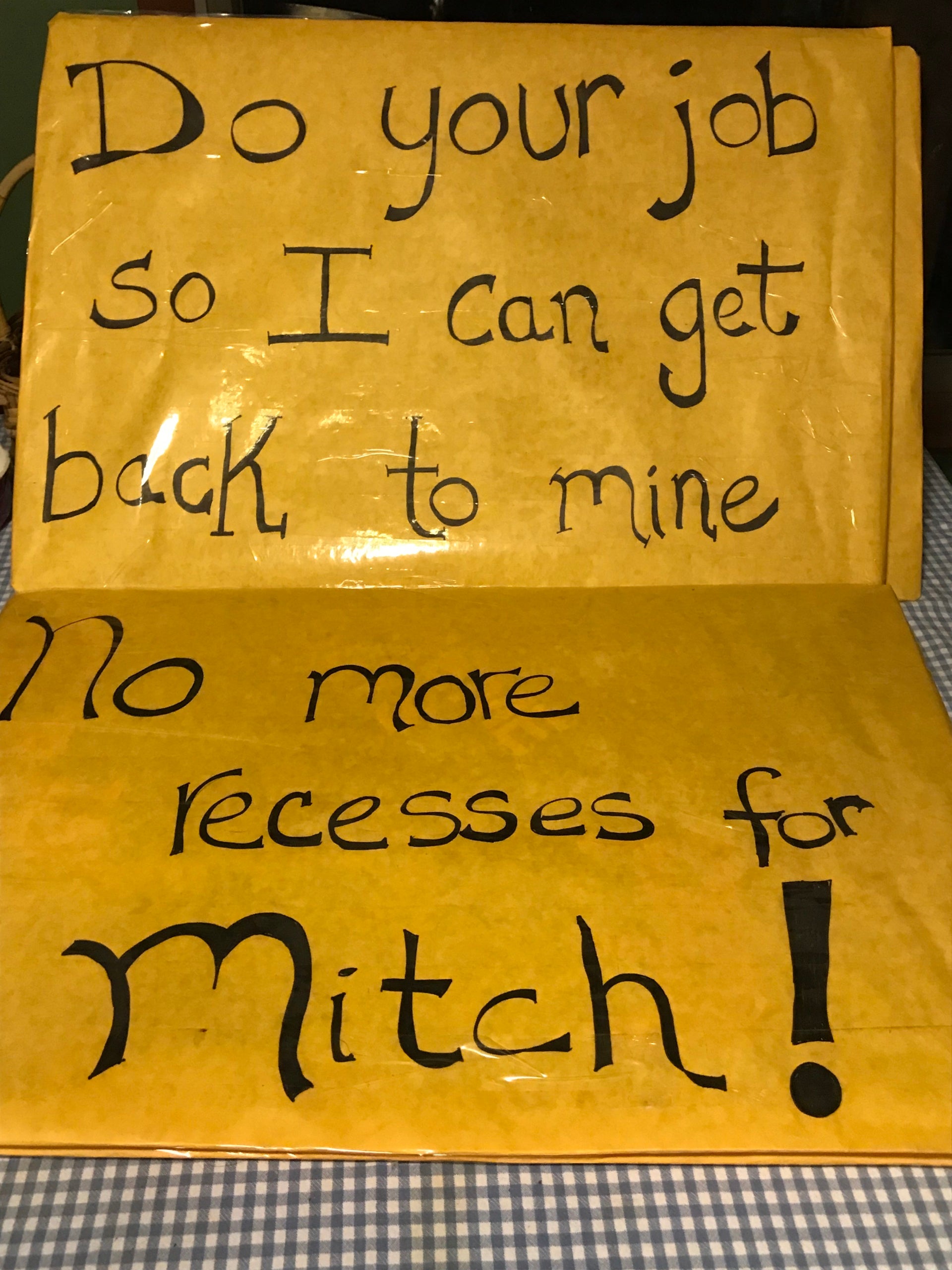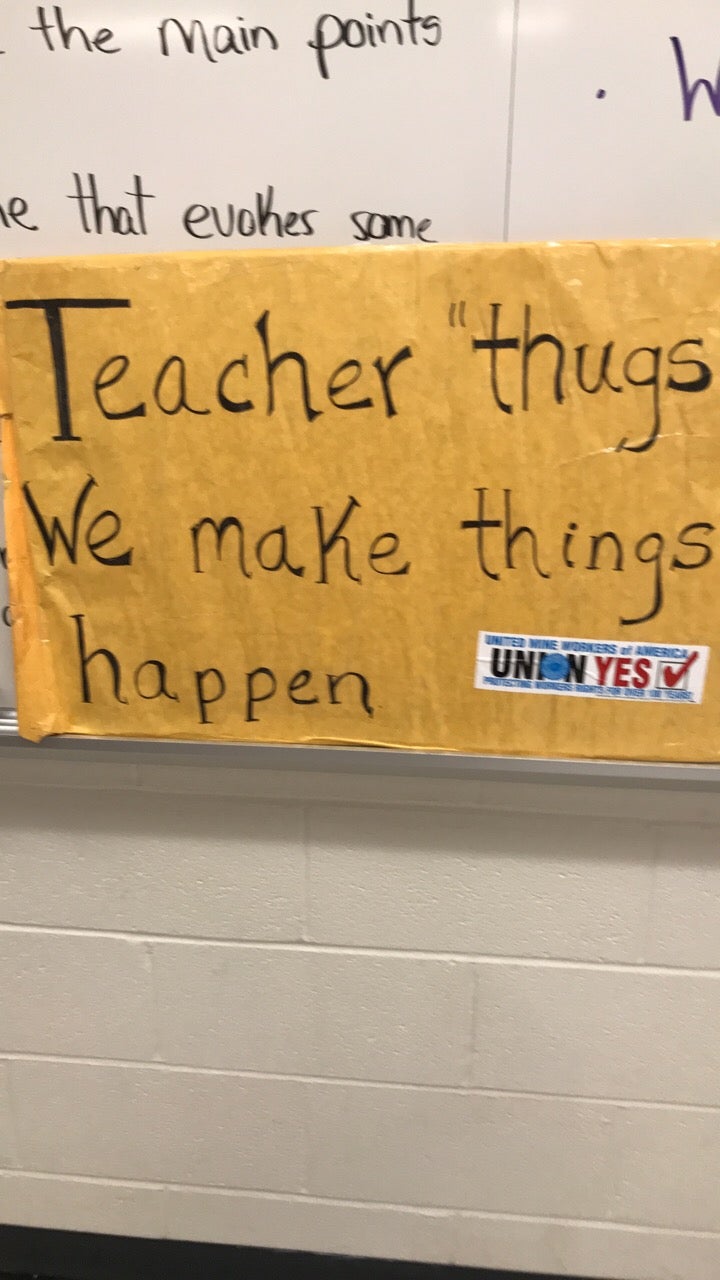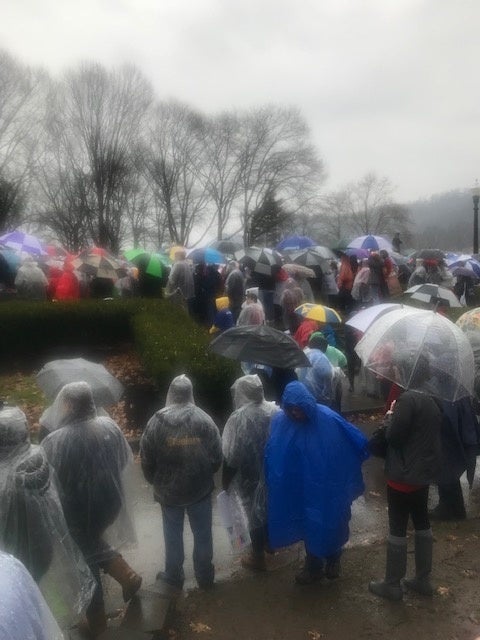

Meeting with Governor Justice at University High School – 2018 WV strike – Monongalia County, West Virginia, Carrie Beatty Collection
Photo Gallery
A gallery of photos to explore.

A gallery of photos to explore.
Voices from the Dust Bowl: The Charles L. Todd and Robert Sonkin Migrant Worker Collection is an online presentation of selections from a multi-format ethnographic field collection documenting the everyday life of residents of Farm Security Administration (FSA) migrant work camps in central California in…
This bibliography contains a number of titles dealing with “workers,” the “world of work” generally, and “labor law” in particular, so as to account for some of the more compelling reasons we should assiduously attend to the complex economic and moral questions (the former often…
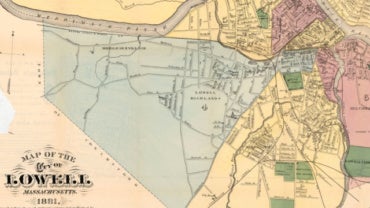
In 1820 Lowell, known as East Chelmsford, MA at the time, had a population of 200 and was a farming community. Thirty years later, the population had grown to 33,000 and one could find 32 textile mills in existence there. Lowell was an ideal location for these mills because it was located near the Merrimac River. The river supplied the water necessary to run these factories.
The film describes the extraordinary anti-slavery efforts taking place in the mid-19th century in Lowell. Forrant and Grooms visit the sites that still exist in downtown Lowell where abolitionist activity occurred and where freedom seekers operated businesses.
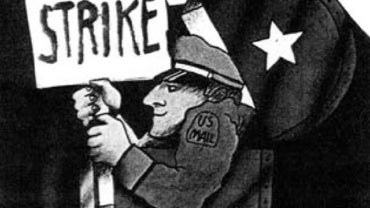
The Flint sit-down strike, which started on Dec. 30, 1936, represented a shift in union organizing strategies from craft unionism (organizing white male skilled workers) to industrial unionism (organizing all the workers in an industry). The sit-down strike changed the balance of power between employers and workers.
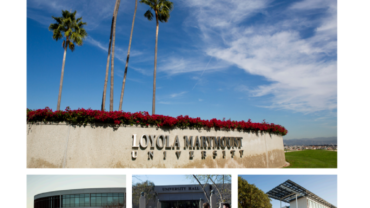
LMU is a private Catholic university with 6,250 undergraduates, 2,150 graduate students and 1,100 law students from diverse backgrounds and many perspectives.
We are activist scholars — Jennifer Guglielmo, Michelle Joffroy, Diana Sierra Becerra — collaborating with the domestic workers movement (nannies, house cleaners, and home care workers) to give workers greater access to their own histories and cultures of resistance. These are educational tools for everyone to learn about these foundational histories.
This project explores the history of the IWW in its first three decades, presenting information that has never before been available. We have compiled databases of more than 1,800 strikes, campaigns, arrests, and other incidents involving IWW members and present this information both yearbook format…