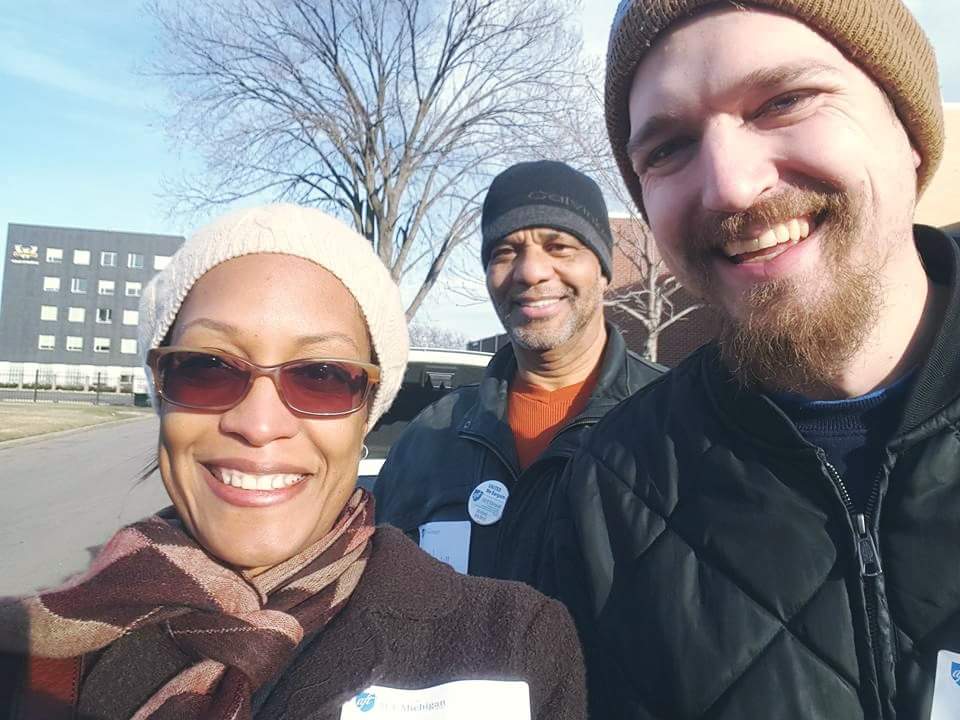
Activism and Events, Joel Berger Collection
Photo Gallery
A gallery of photos to explore.

A gallery of photos to explore.
The Pacific Northwest Antiwar and Radical History Project is a multimedia web project that aims to chronicle the social impact of war and the rich history of antiwar activity in the Northwest. With video oral histories, hundreds of photographs and documents, GI underground newspapers, movement…
A new LAWCHA initiative to develop classroom and public knowledge of labor history. Teaching Labor’s Story will be a repository of primary sources with supporting teaching guides (textual, visual, audio). Resources in the Teaching Labor’s Story repository are designed to be readily incorporated into existing…
The International Trade Union and Labour Memory Network is a collaborative international project by a group of historians and labour activists. We aim to examine the commemoriation of labour history by highlighting what kind of labour and trade union memory work is undertaken across the globe, how trade unions use history and memory as a resource, and discuss the problems and challenges involved in commemoration.
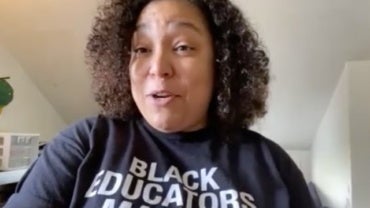
The members of United Teachers Los Angeles believe that neighborhood public schools should serve as the essential anchors of our communities. As educators we see first-hand what students need in our classrooms, our school, our clinics, and our neighborhoods, and we deal with the issues that too often prevent those needs from being met.
LABOR: Studies in Working-Class History is the official journal for the Labor and Working-Class History Association (LAWCHA), and is housed at the Kalmanovitz Initiative for Labor and the Working Poor at Georgetown University. A subscription to LABOR is available through membership in LAWCHA.
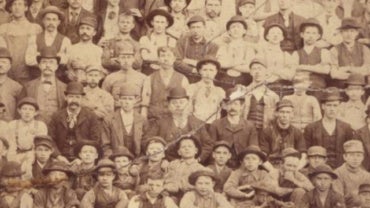
The Knights of Labor was the largest and most extensive association of workers in 19th century America. Organized in 1869, the movement grew slowly in the 1870s, then surged in the 1880s, reaching a peak membership approaching one million in 1886-1887 with Local Assemblies spread across the country in more than 5,600 cities and towns.
The Lowell mill girls were young female workers who came to work in industrial corporations in Lowell, Massachusetts, during the Industrial Revolution in the United States.
When Teachers Mobilize Oral Histories