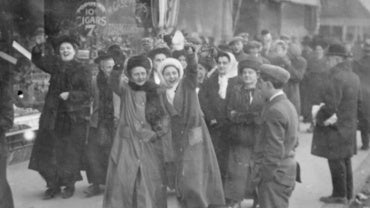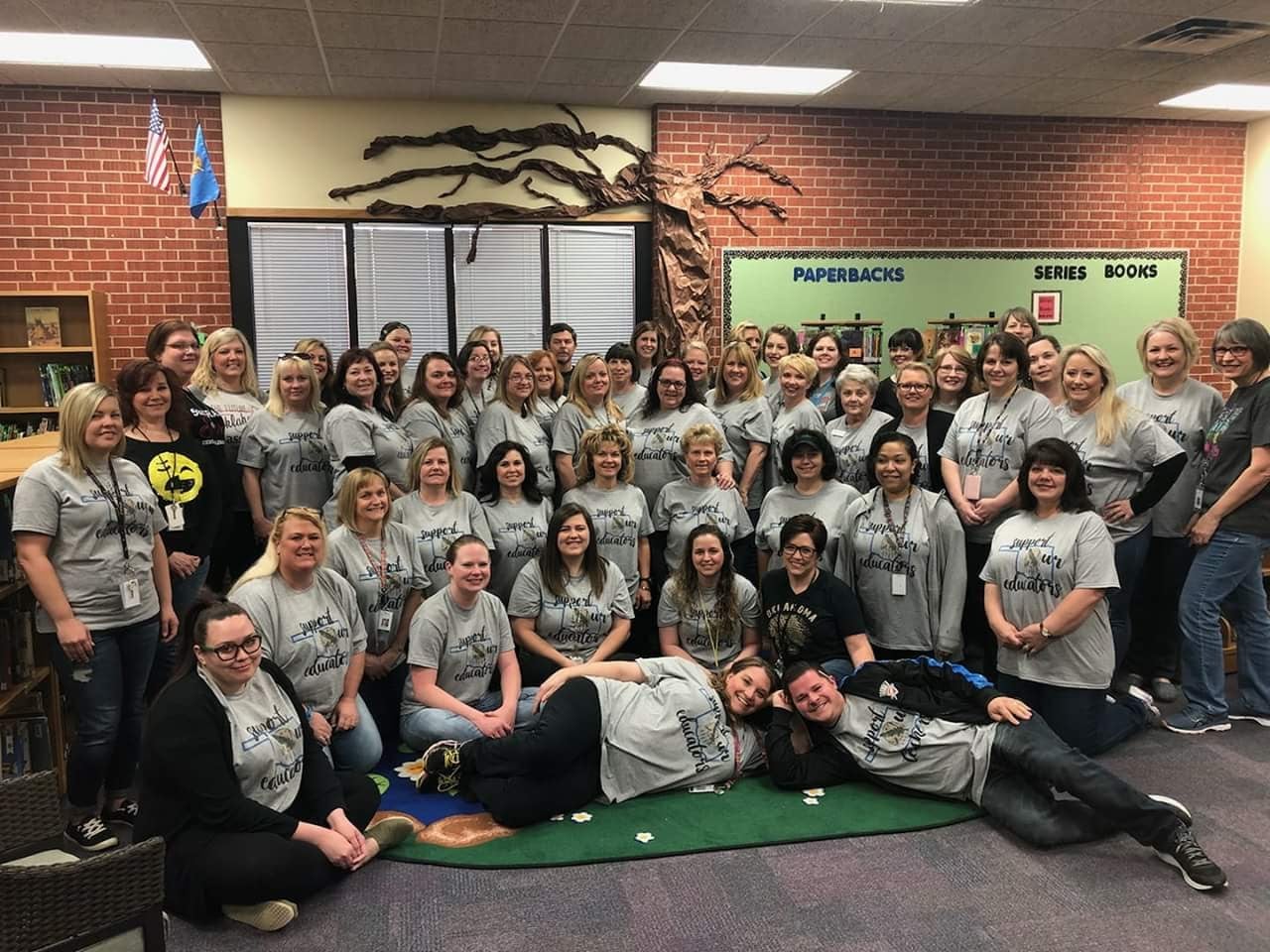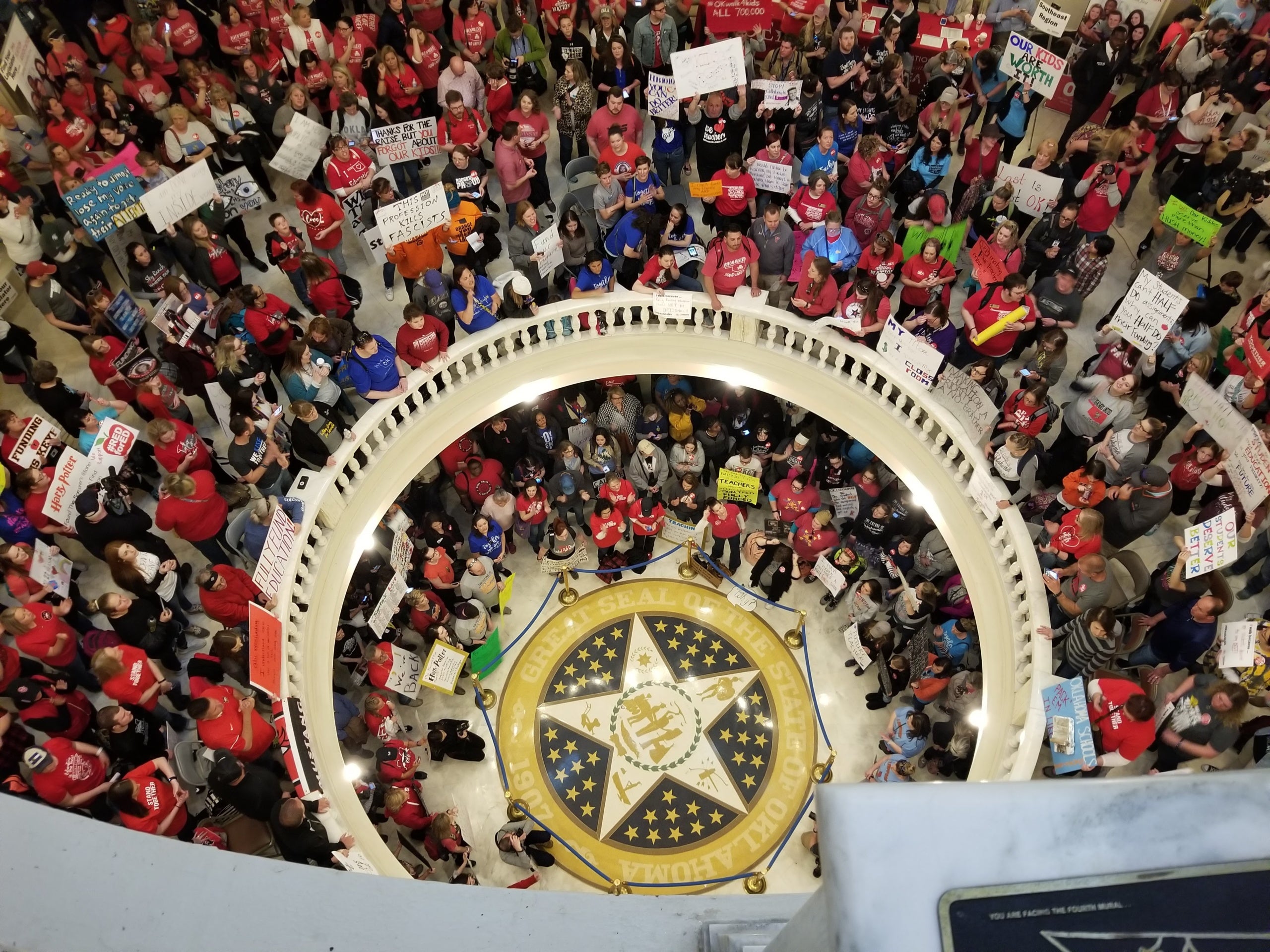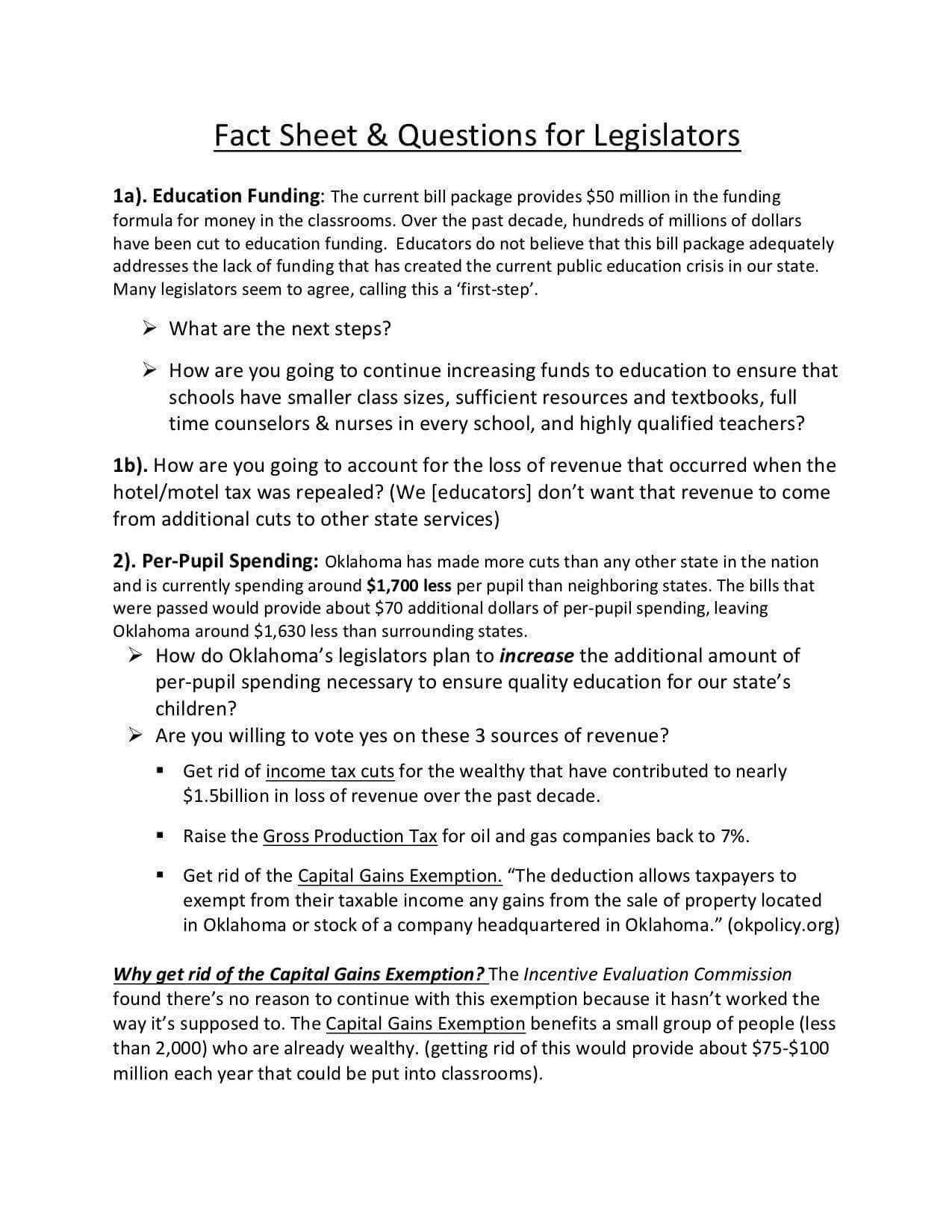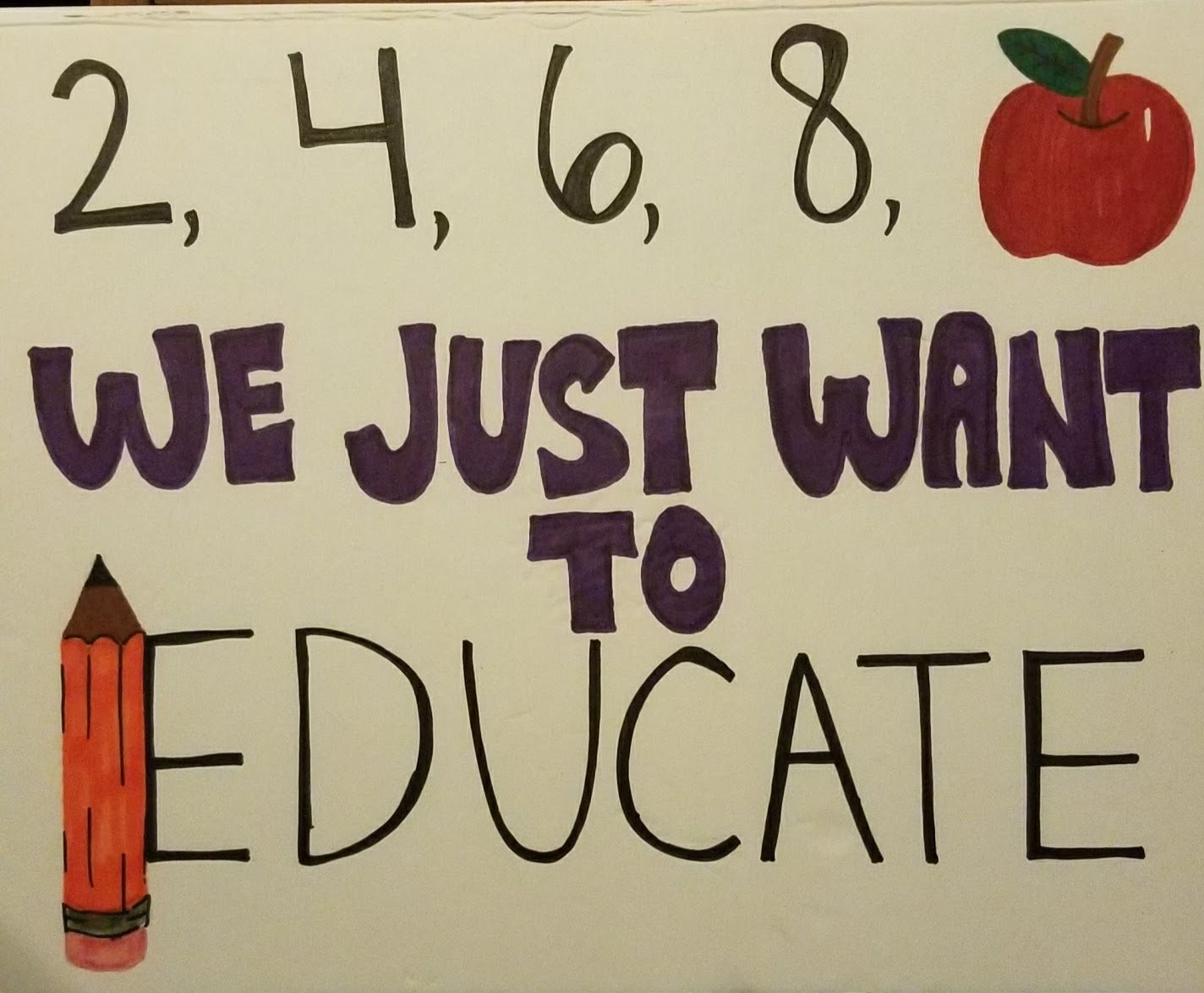

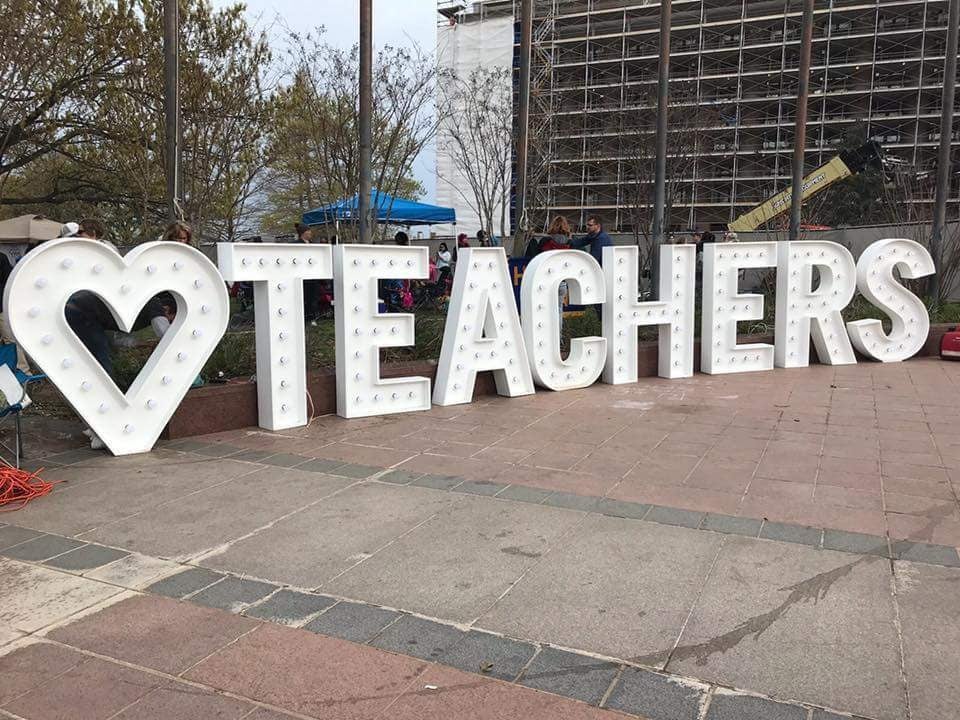
Oklahoma Walk Outs, Stephanie Price Collection
Photo Gallery
A gallery of photos to explore.

A gallery of photos to explore.
LABOR: Studies in Working-Class History is the official journal for the Labor and Working-Class History Association (LAWCHA), and is housed at the Kalmanovitz Initiative for Labor and the Working Poor at Georgetown University. A subscription to LABOR is available through membership in LAWCHA.
Our collections are being digitized and made available through our website, OCLC WorldCat, Internet Archive, Digital Commonwealth, and the Digital Public Library of America (DPLA).
A report covering salary, class size & staffing, academic freedom, shared decision making, assignments and more.
On May 8, 1970, the Dow Jones Industrial Average dropped five points to finish at 717, in the slowest day of trading in months. In the streets outside the New York Stock Exchange, however, chaos erupted: at noon, hundreds of construction workers arrived on Wall…
The National Domestic Workers Alliance (NDWA) works for the respect, recognition, and rights for more than 2.2 million nannies, housecleaners, and home care workers who do the essential work of caring for our loved ones and our homes.
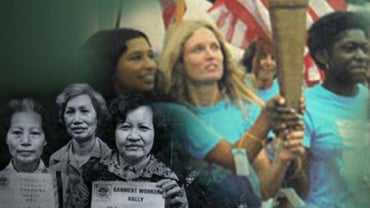
Women Have Always Worked: Fighting for Equality: 1950–2018.
An exploration from an online edX course.
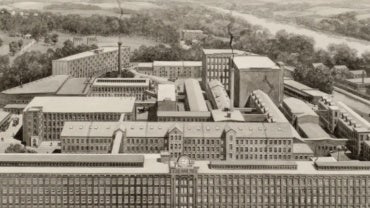
In 1820 Lowell, known as East Chelmsford, MA at the time, had a population of 200 and was a farming community. Thirty years later, the population had grown to 33,000 and one could find 32 textile mills in existence there. Lowell was an ideal location for these mills because it was located near the Merrimac River. The river supplied the water necessary to run these factories.
In 2007, the National Education Association celebrated its 150th year. Over this time, NEA has been a driving force in education at all levels.