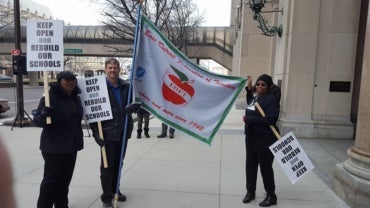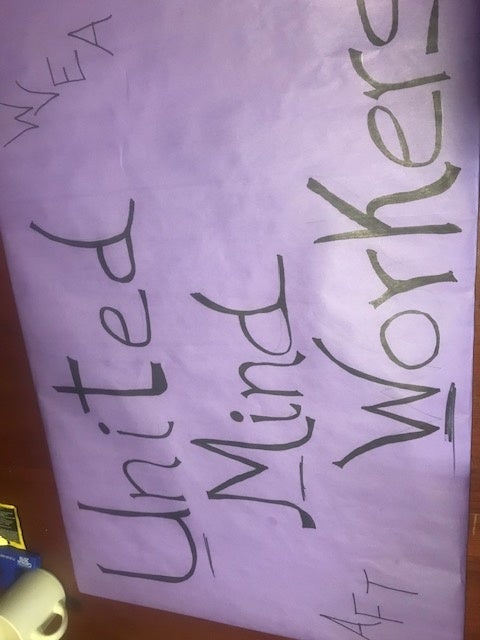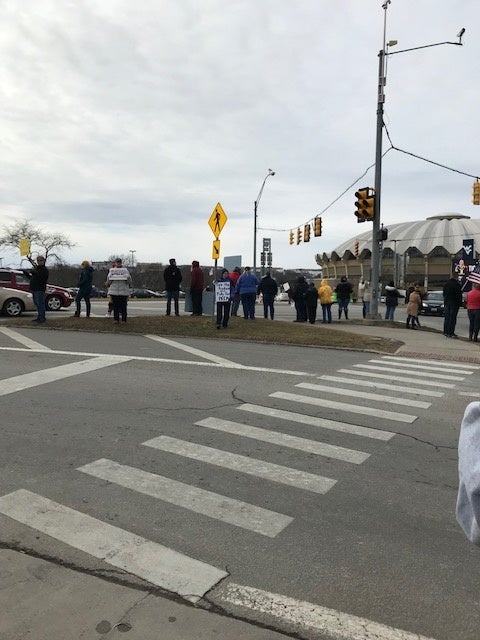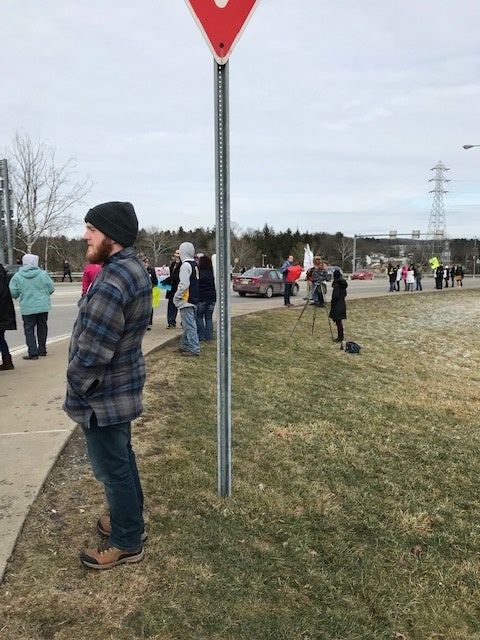
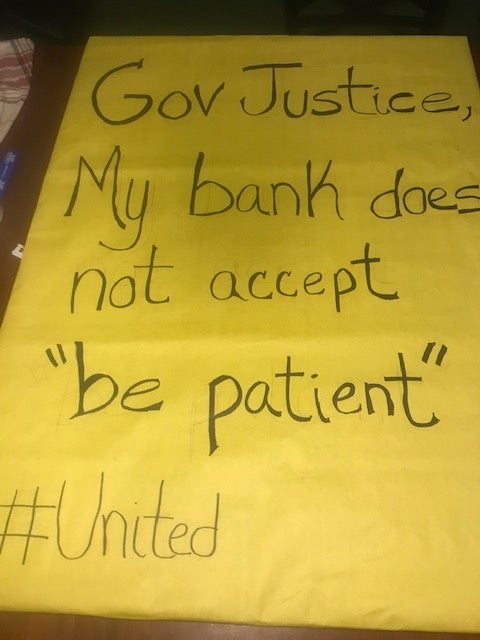
Gallery from 2018 Mountaineer March, Monongalia County, West Virginia, Carrie Beatty Collection
Photo Gallery
A gallery of photos to explore.

A gallery of photos to explore.
Perched atop a mountain ridge at the center of one of the planet’s largest concentrations of disturbed terrain, Eckley Miners’ Village is a world within a world. Visit our authentic 19th-century company mining town, and experience the lives of the working-class families who once fueled America.
Women Have Always Worked: Fighting for Equality: 1950–2018.
An exploration from an online edX course.
Just in time for a new academic year, the American Social History Project at the CUNY Graduate Center is releasing a new, expanded, and updated edition of the popular textbook Who Built America? Working People and the Nation’s History. A beta version is now available…
Women and Social Movements in the United States, 1600-2000, is a resource for students and scholars of U.S. history and U.S. women’s history. Organized around the history of women in social movements in the U.S. between 1600 and 2000, the collection seeks to advance scholarly…
Part of the City University of New York, the American Social History Project is a recognized leader in effective, engaging history education. Who Built America Badges for History Education is designed for Grade 7-12 teachers
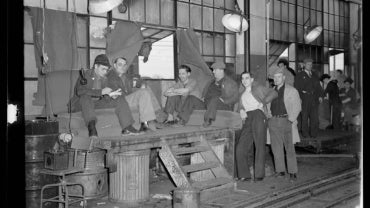
The Flint sit-down strike, which started on Dec. 30, 1936, represented a shift in union organizing strategies from craft unionism (organizing white male skilled workers) to industrial unionism (organizing all the workers in an industry). The sit-down strike changed the balance of power between employers and workers.
Women Have Always Worked: Fighting for Equality: 1950–2018.
An exploration from an online edX course.
The WTO History Project, a joint effort of several programs at the University of Washington – the Harry Bridges Center for Labor Studies, the Center for Communication and Civic Engagement, the Digital Initiatives project and the University of Washington Libraries Special Collections division of the…
The film describes the extraordinary anti-slavery efforts taking place in the mid-19th century in Lowell. Forrant and Grooms visit the sites that still exist in downtown Lowell where abolitionist activity occurred and where freedom seekers operated businesses.