
thank you for visiting the labor history resource project as we build this resource!


This site was created by Dr. James Leloudis and Dr. Kathryn Walbert as a part of the American Historical Association’s program Teaching and Learning in the Digital Age, funded by the National Endowment for the Humanities. In building this website, our intent is to make…
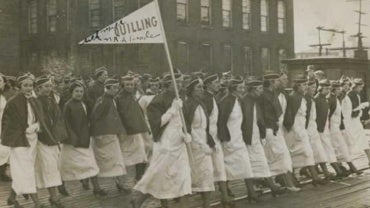
Lowell’s water-powered textile mills catapulted the nation – including immigrant families and early female factory workers – into an uncertain new industrial era. Nearly 200 years later, the changes that began here still reverberate in our shifting global economy. Explore Lowell, a living testament to the dynamic human story of the industrial revolution.

The Kheel Center for Labor-Management Documentation & Archives was founded in 1949 as the Labor-Management Documentation Center. Its continuing purpose is the preservation of original source materials relevant to the history of American labor unions, management theory as it applies to labor and industrial relations,…
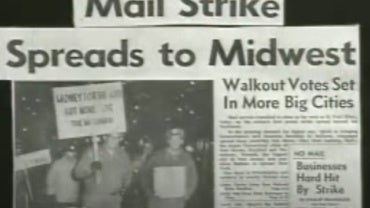
APWU remembers the Great Postal Strike of March 1970. For more background on the successful wildcat strike that earned postal workers the right to bargain collectively for better pay and benefits.
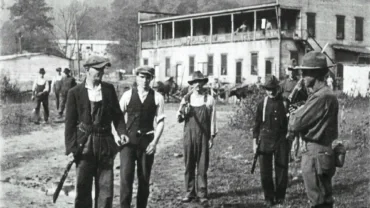
What Made the Battle of Blair Mountain the Largest Labor Uprising in American History. Its legacy lives on today in the struggles faced by modern miners seeking workers’ rights
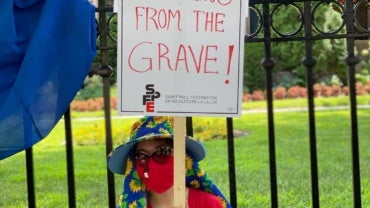
A gallery of photos to explore.
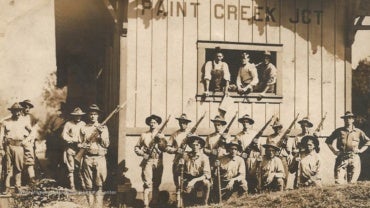
Overall mine wars resources, a major collection.
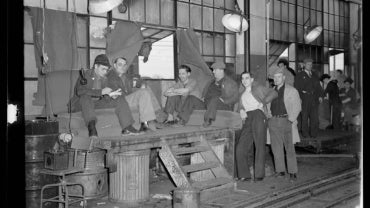
Once called “the strike heard round the world,” the first major labor dispute in the U.S. auto industry ended after General Motors signed a contract with the United Auto Workers Union on February 11, 1937.

Through the Montana Memory Project, the Montana Historical Society has created a rich archive of hundreds of interviews detailing the history of workers in key industries in Montana. The interviews capture the stories of laborers, labor leadership, and support industry workers, from the expansion in…