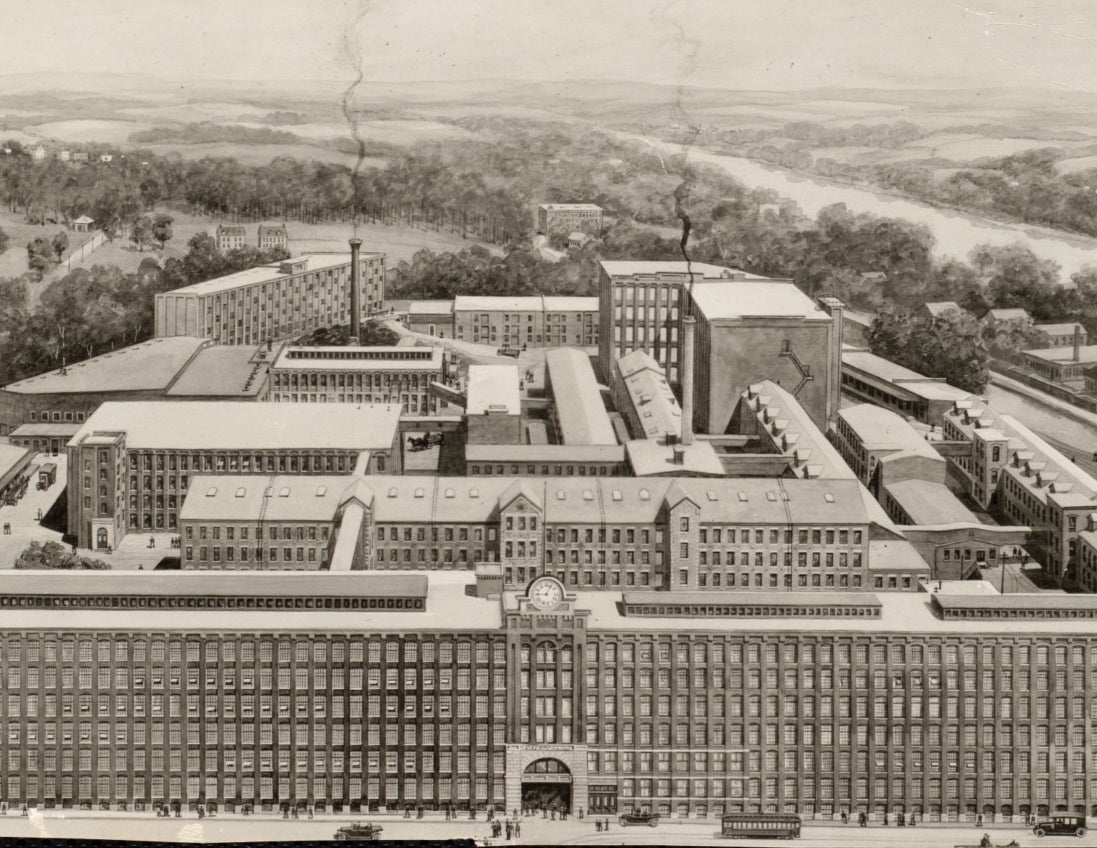
Lawrence History Center
History Site
Our collections are being digitized and made available through our website, OCLC WorldCat, Internet Archive, Digital Commonwealth, and the Digital Public Library of America (DPLA).

Our collections are being digitized and made available through our website, OCLC WorldCat, Internet Archive, Digital Commonwealth, and the Digital Public Library of America (DPLA).
Many were home from war and wanted more than ever to live a long full life. Others had worked long days and nights during the war to feed the troops overseas as well as Americans on the home front. Some had migrated to the cities from farms and small towns looking for work.
Women Have Always Worked: Fighting for Equality: 1950–2018.
An exploration from an online edX course.
The Knights of Labor was the largest and most extensive association of workers in 19th century America. Organized in 1869, the movement grew slowly in the 1870s, then surged in the 1880s, reaching a peak membership approaching one million in 1886-1887 with Local Assemblies spread across the country in more than 5,600 cities and towns.

America at Work, America at Leisure: Motion Pictures from 1894-1915 consists of 150 motion pictures, 62 of which also appear in other online collections. The majority of the films are from the Paper Print Collection, while the remainder are from the George Kleine Collection, both…

The Pacific Northwest Antiwar and Radical History Project is a multimedia web project that aims to chronicle the social impact of war and the rich history of antiwar activity in the Northwest. With video oral histories, hundreds of photographs and documents, GI underground newspapers, movement…
Teaching in St. Paul Public Schools was a destination for me because I knew our schools had a gorgeous student population that reflected our world. I also found an amazing group of dedicated, talented colleagues I am honored to work alongside and represent.
The Center for Working-Class Studies (CWCS) at Youngstown State University (YSU) was the first academic program in the U.S. to focus on issues of work and class. CWCS members have been at the forefront of “new working-class studies,” an international movement that brings together academics,…
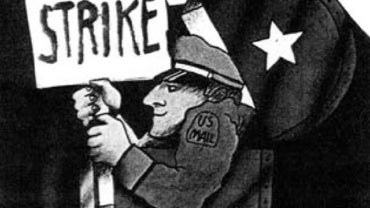
The wildcat Postal strike that began on March 18, 1970 signaled the end of collective begging and the beginning of collective bargaining that raised hundreds of thousands of postal workers, craft and management, from poverty level wages to middle class wage earners.