
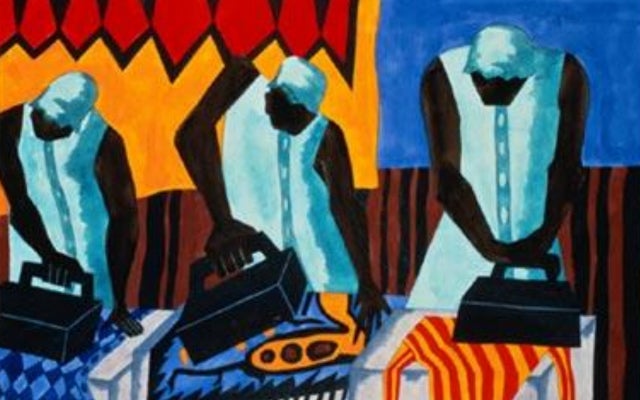
thank you for visiting the labor history resource project as we build this resource!

Women Have Always Worked: Fighting for Equality: 1950–2018.
An exploration from an online edX course.
This is the official bibliography for LAWCHA’s Teaching and Public Sector Unionism initiative. A full listing of our resources can be found on the Teaching Resources page. For an overview of teachers’ unions, see our featured article, “A Century of Teacher Organizing: What Can We…
The American Federation of Labor and Congress of Industrial Organizations (AFL-CIO) works tirelessly to improve the lives of working people.
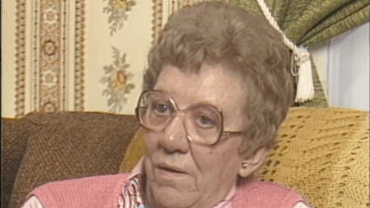
“And that’s how we did in the mill” is based on excerpts from oral histories with the last generation of women to work in the Lowell, Massachusetts textile mills, recorded by filmmaker Martha Norkunas in 1983.
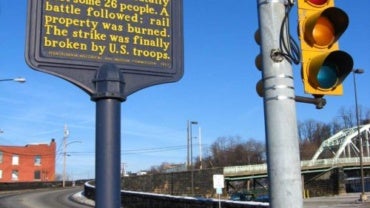
The Howling Mob Society was a Pittsburgh-based group of anonymous artists, activists, and citizen historians with an interest in the oft-buried radical peoples’ history of the United States. We worked as a team throughout 2007-08 to research, fabricate, and install a series of ten historical markers which detail the events of the Great Railroad Strike of 1877 as they unfolded in Pittsburgh, PA.
This website, a joint project between the Walter P. Reuther library and the Wayne State University Library, will host primary resources from the AFT historical collections that will document various education reform initiatives that union and school boards have collaborated on, from pre-Nation at Risk…
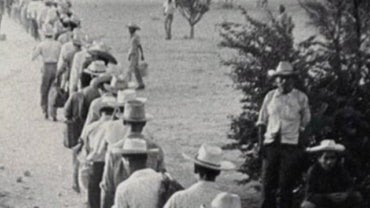
The Bracero History Archive collects and makes available the oral histories and artifacts pertaining to the Bracero program, a guest worker initiative that spanned the years 1942-1964. Millions of Mexican agricultural workers crossed the border under the program to work in more than half of…
Teaching in St. Paul Public Schools was a destination for me because I knew our schools had a gorgeous student population that reflected our world. I also found an amazing group of dedicated, talented colleagues I am honored to work alongside and represent.
The Studs Terkel Radio Archive (STRA), launched in May 2018 on Studs Terkel’s 106th birthday, is a digital platform whereon, eventually, will live the majority of the 5,600 radio programs Terkel created during his career at WFMT in Chicago between 1952 and 1997 live. This…