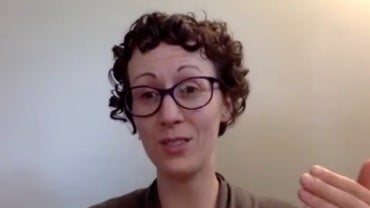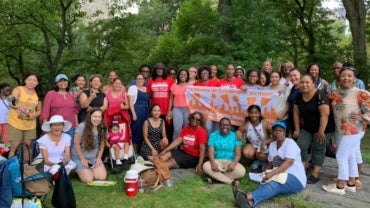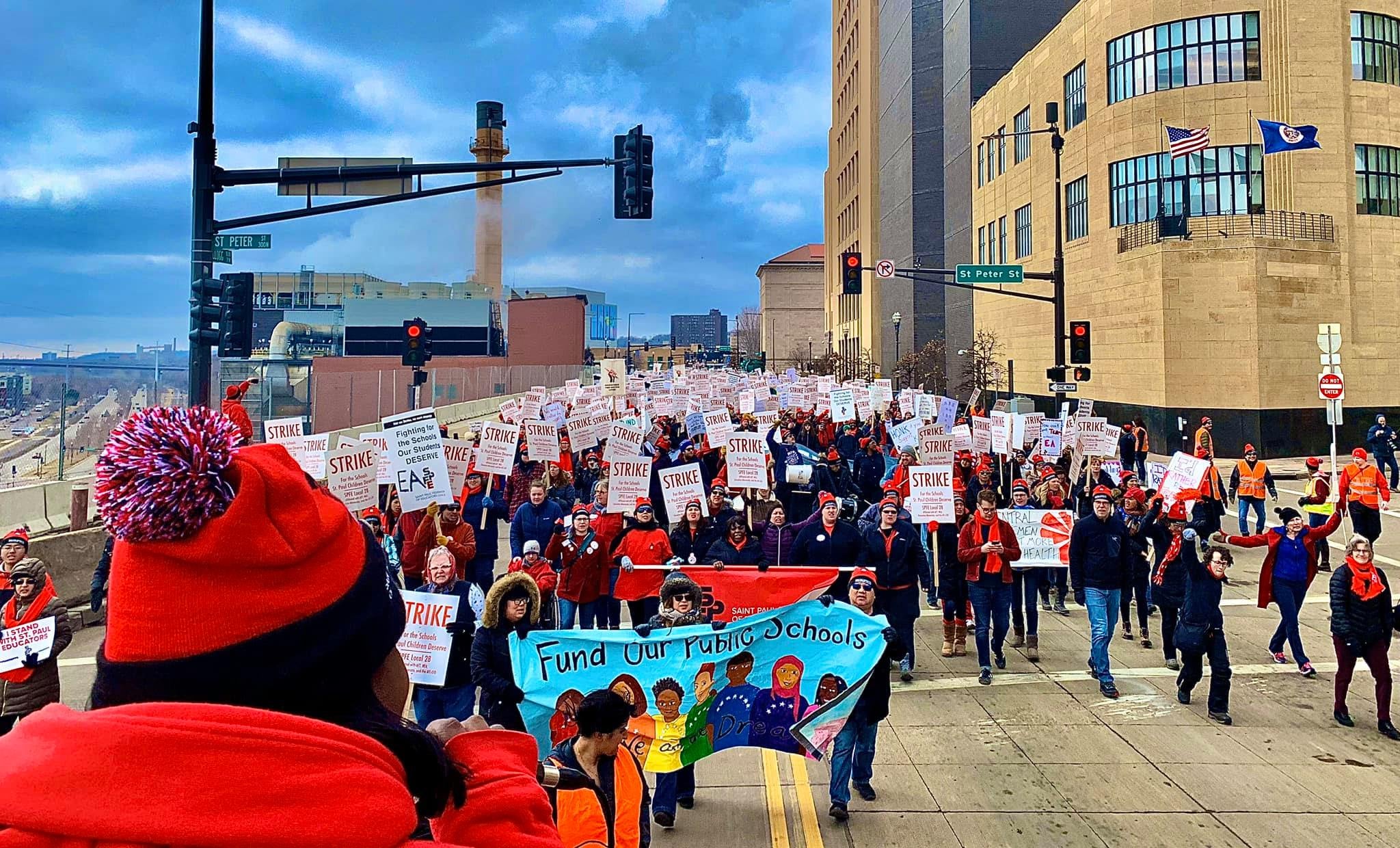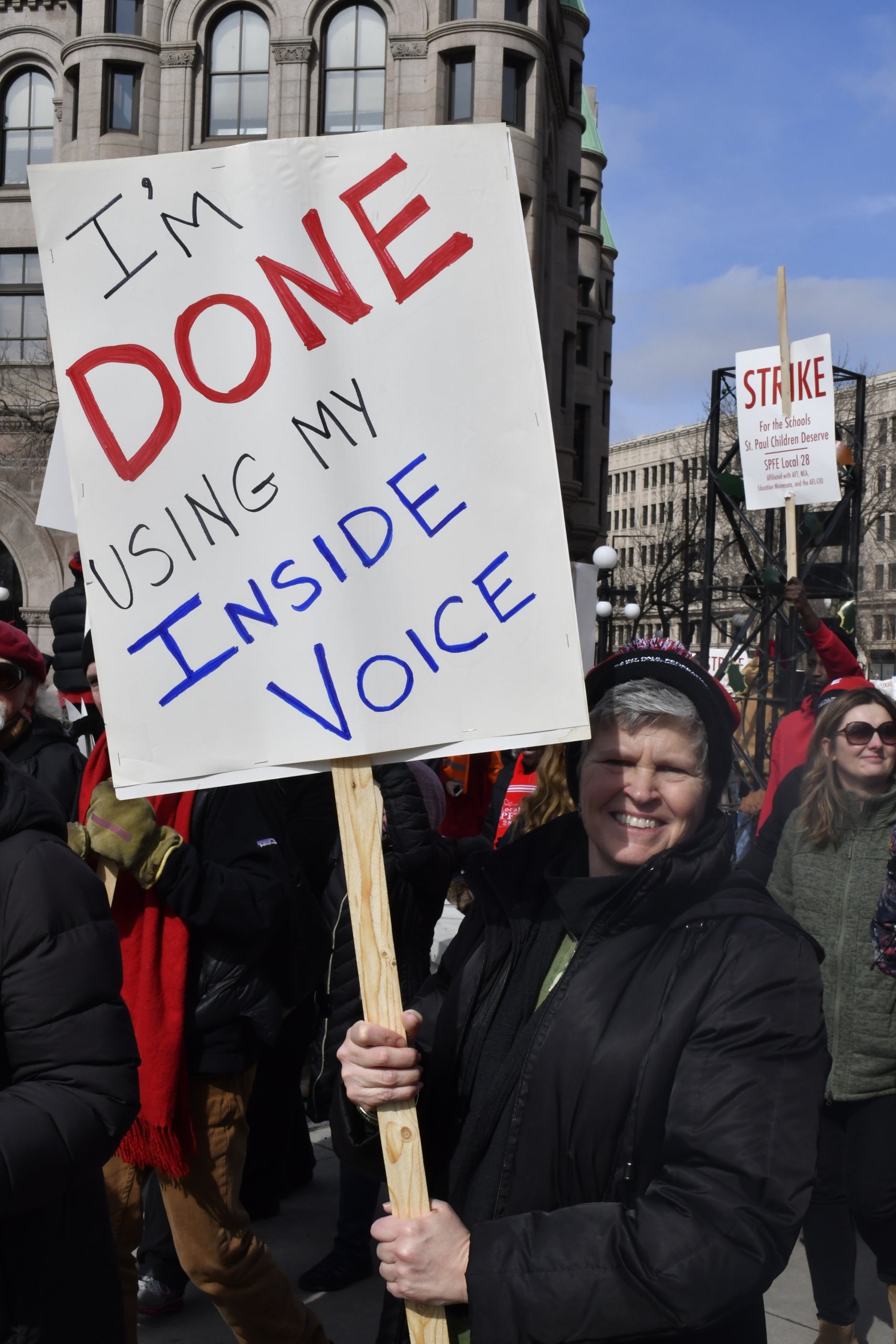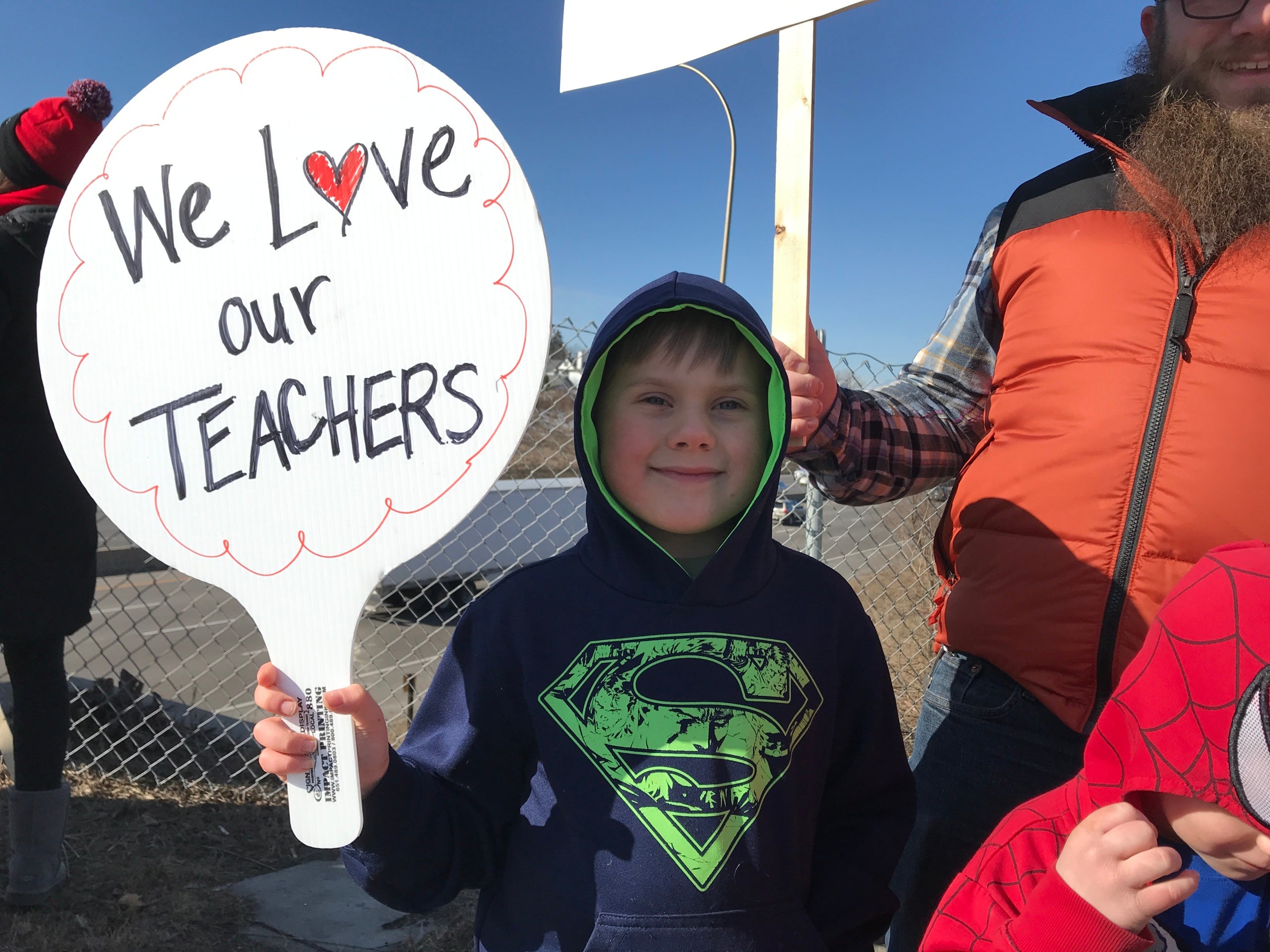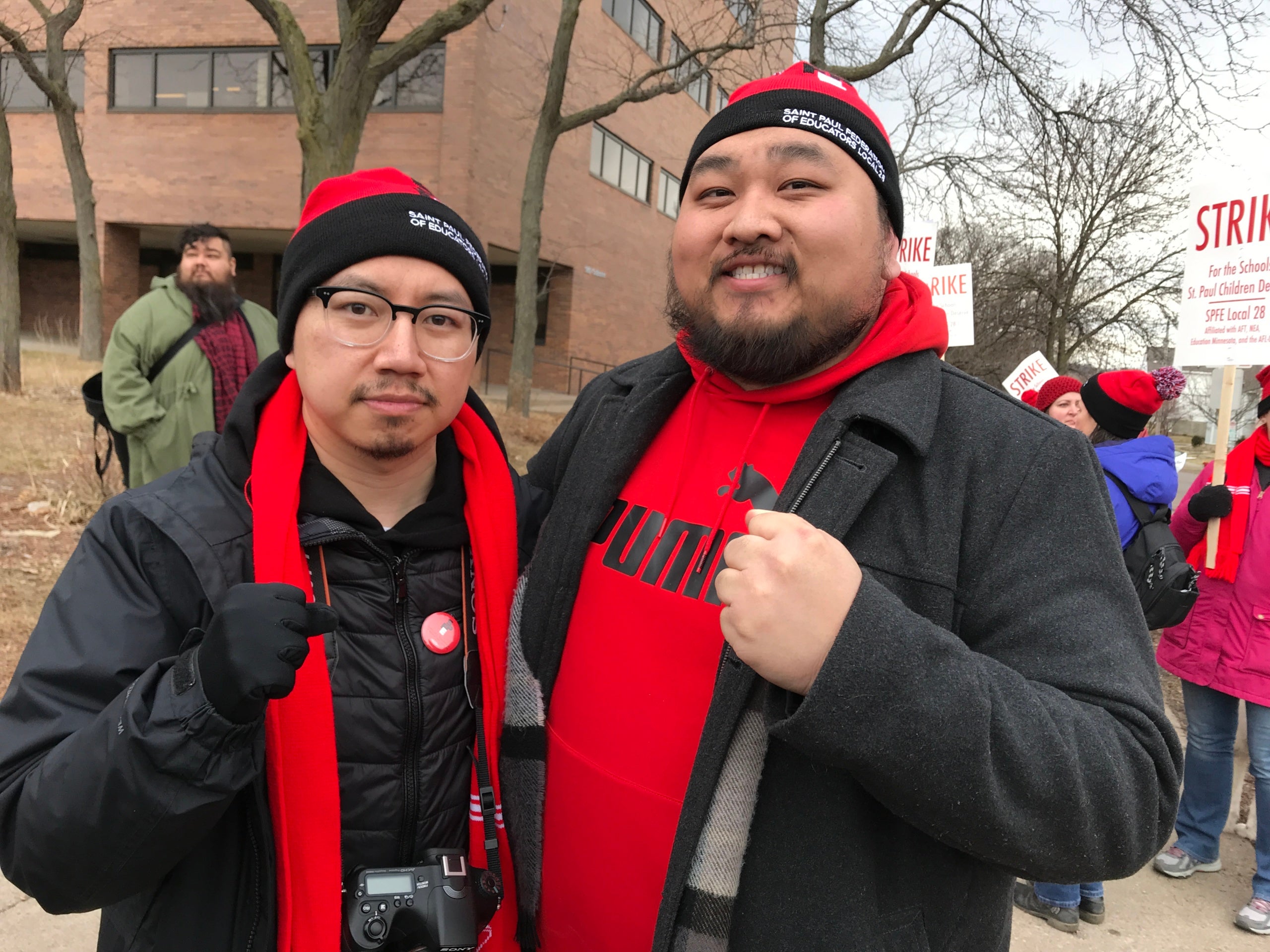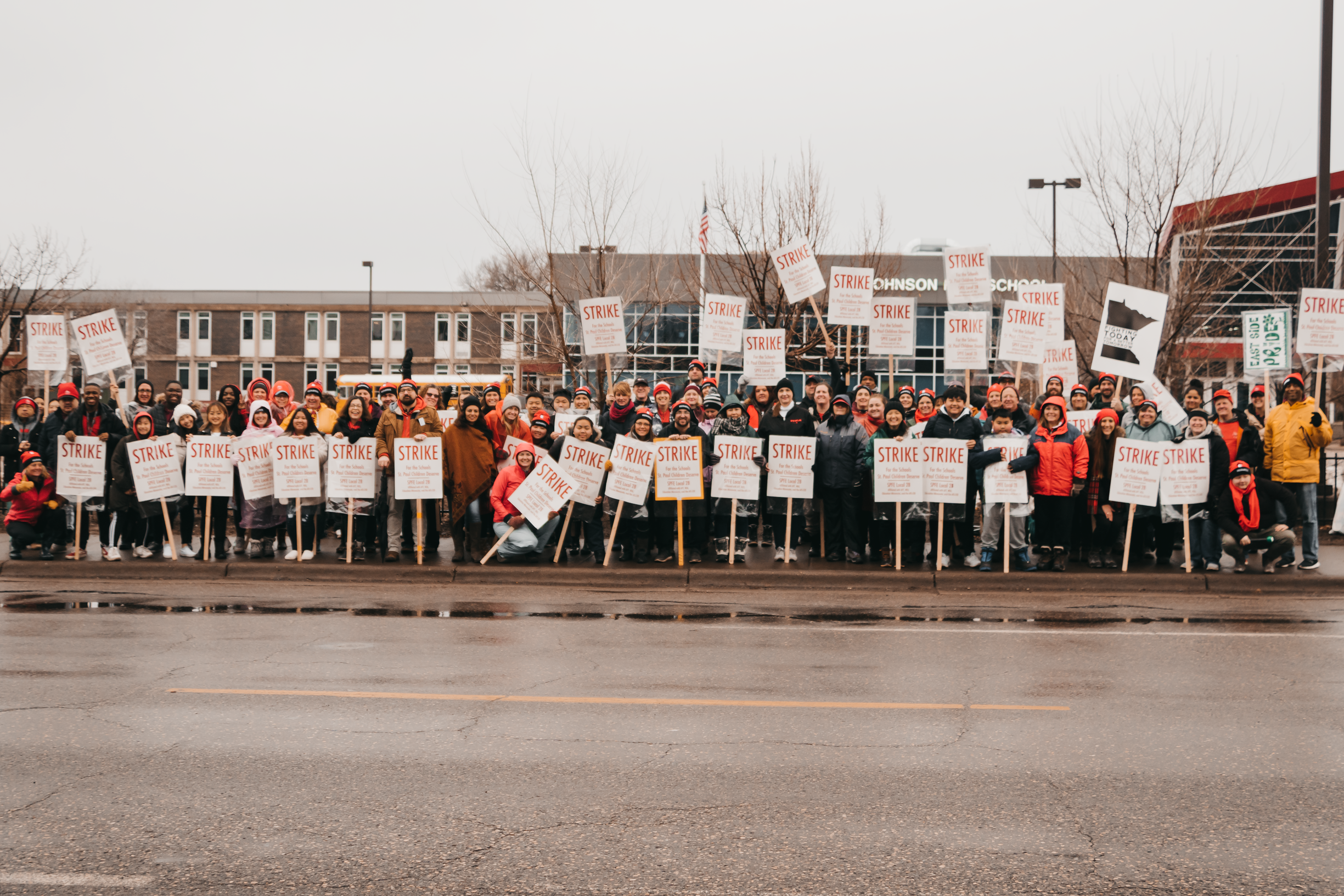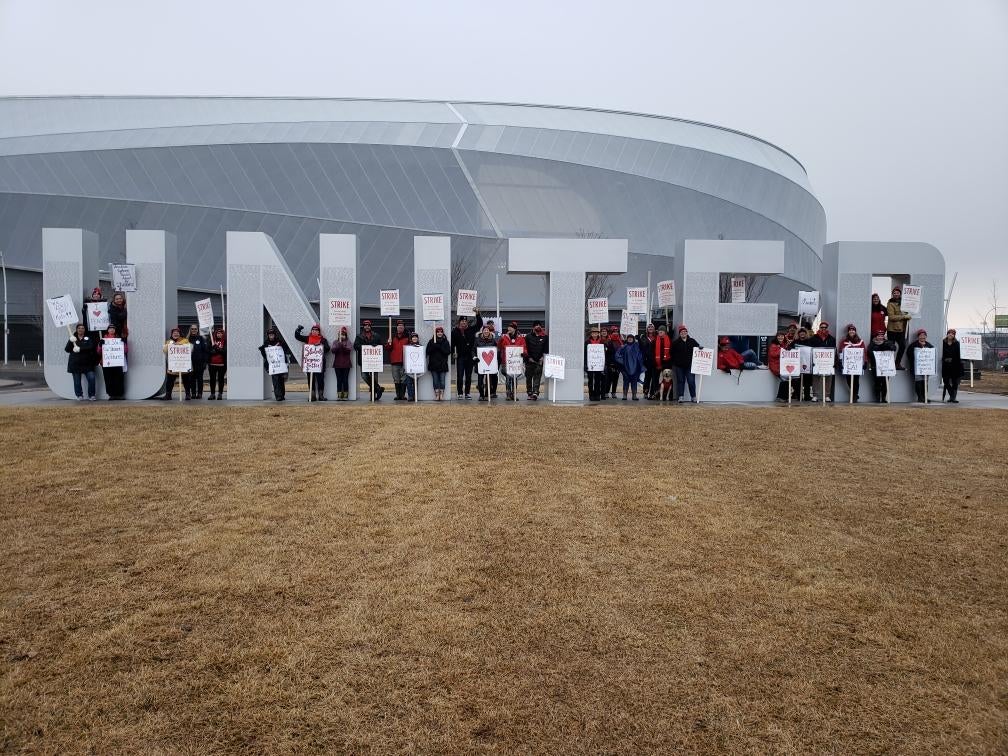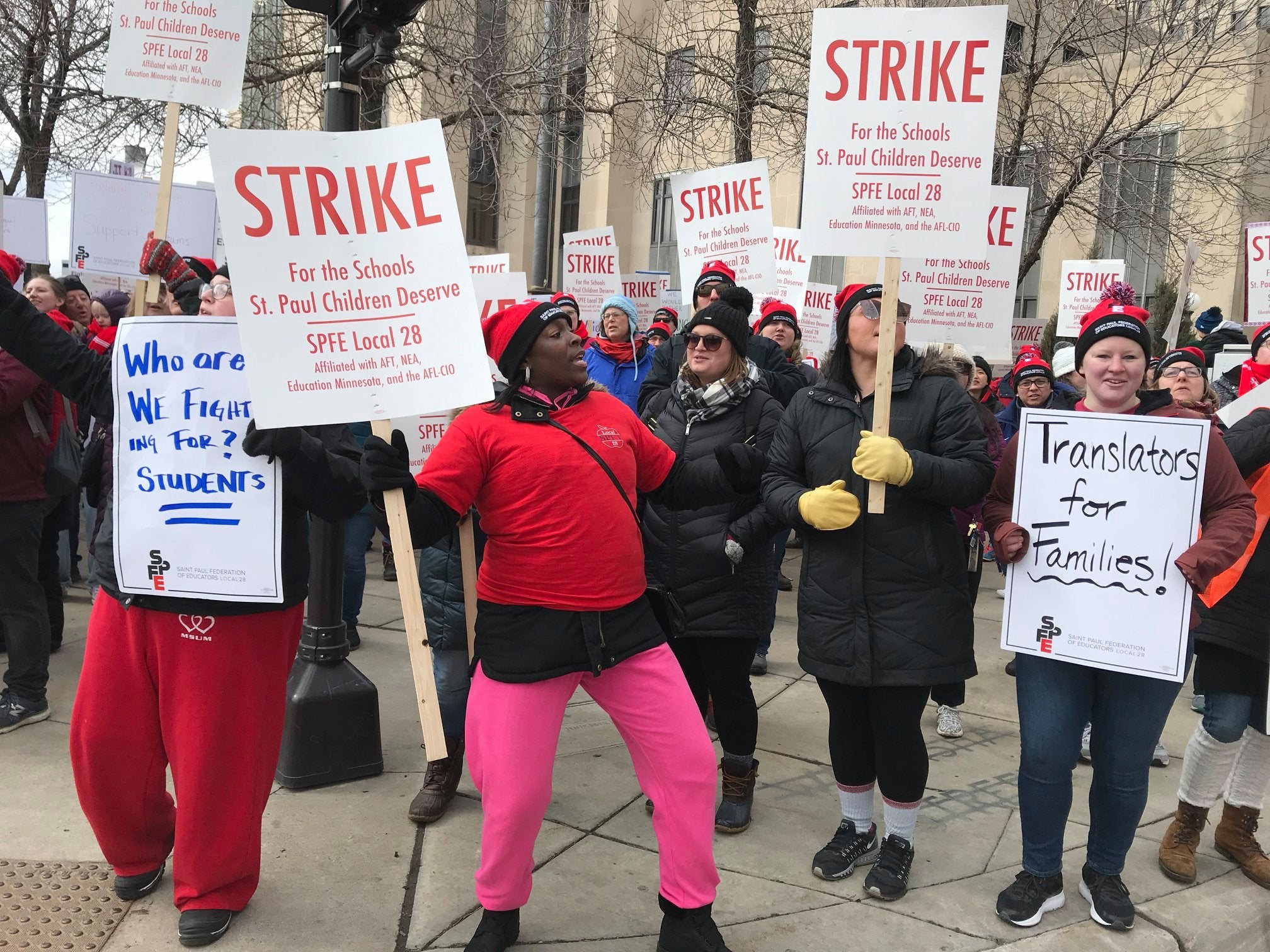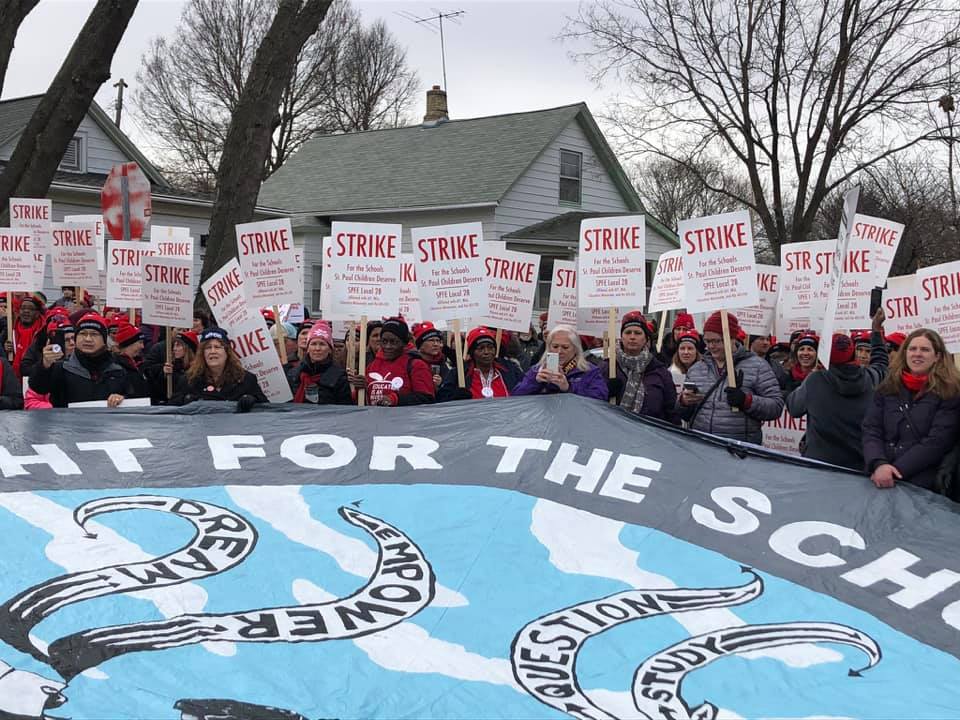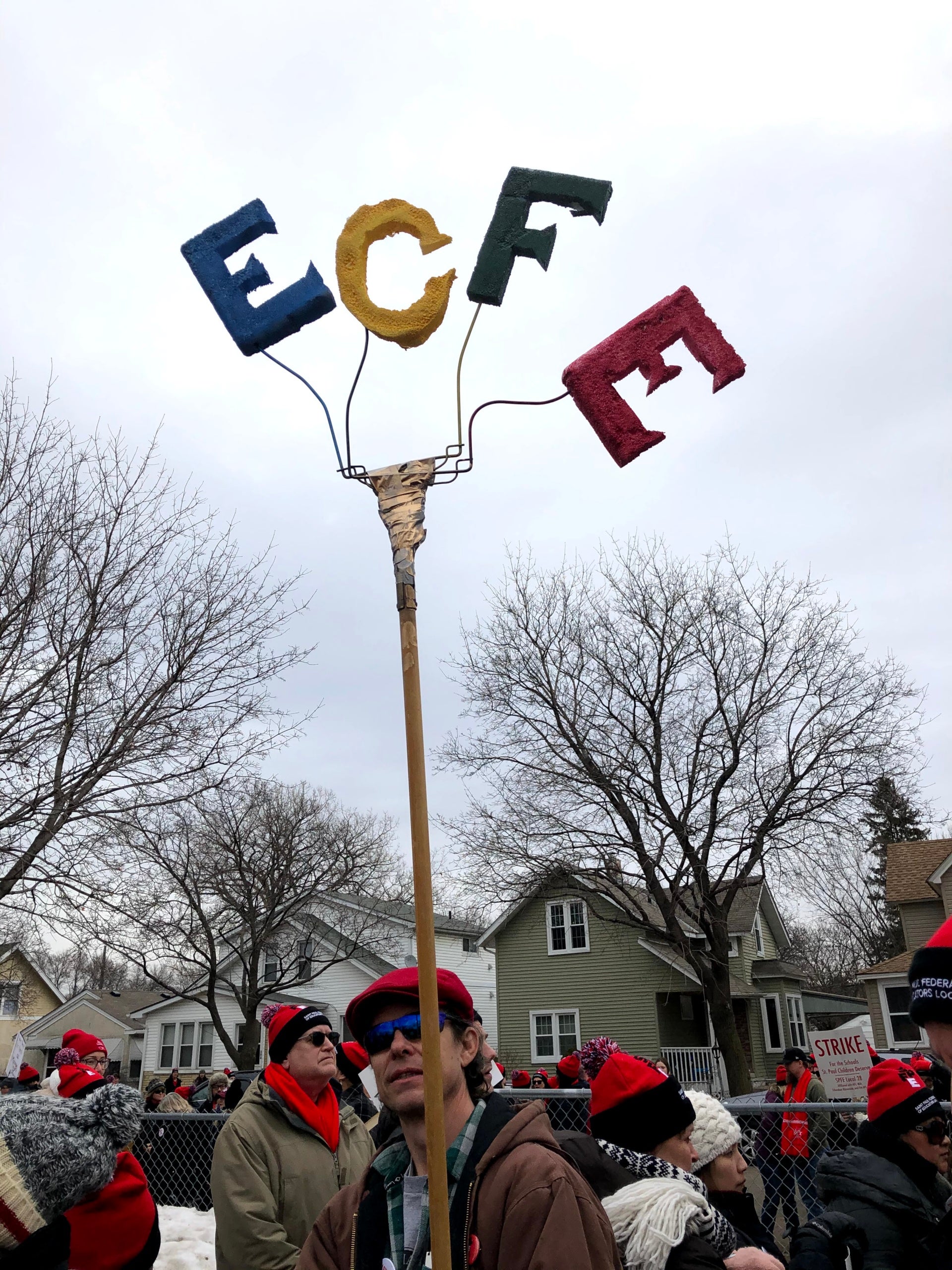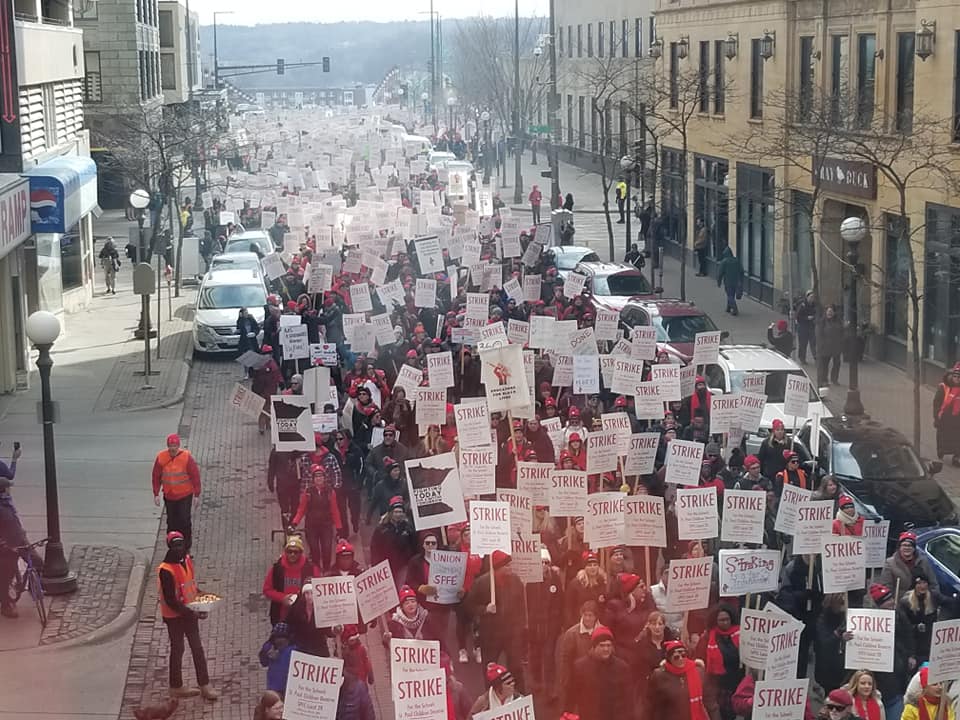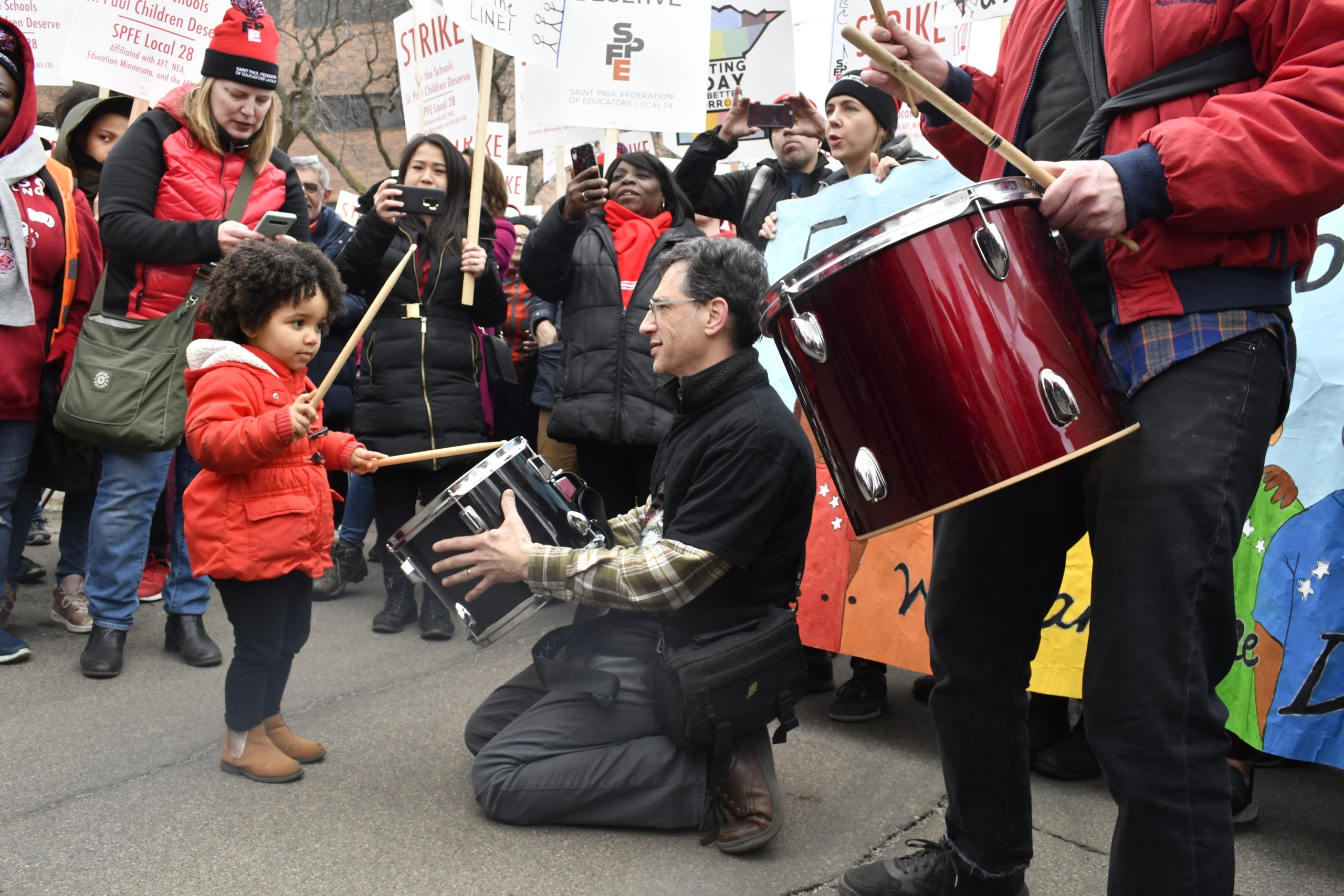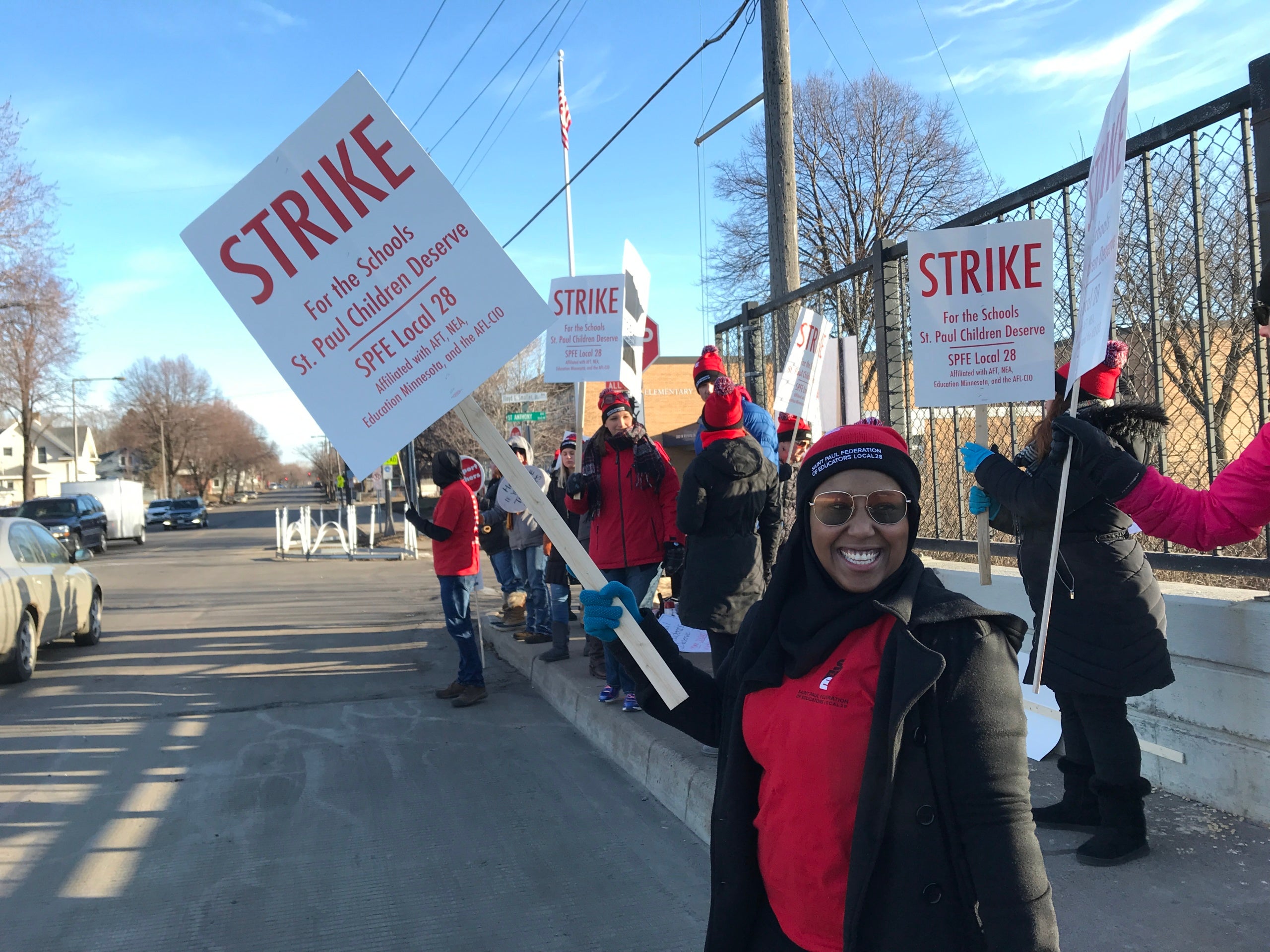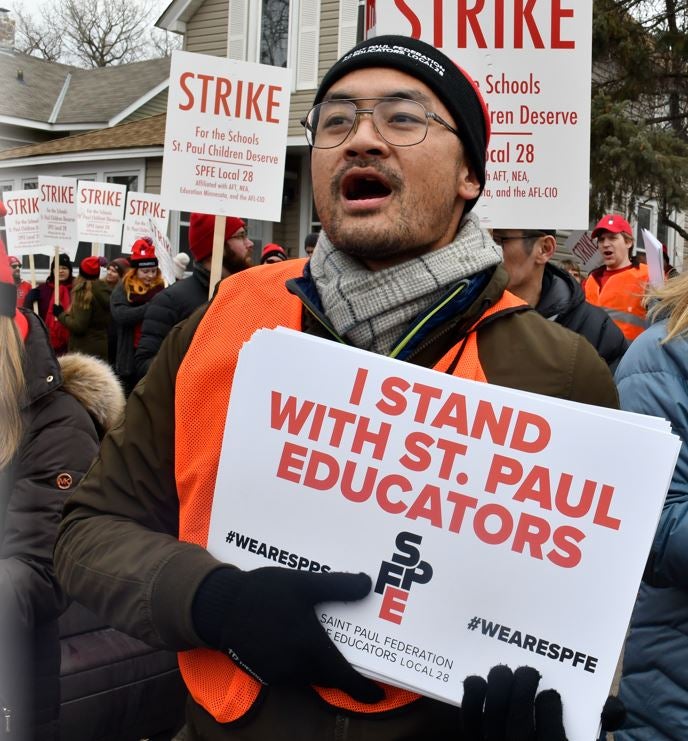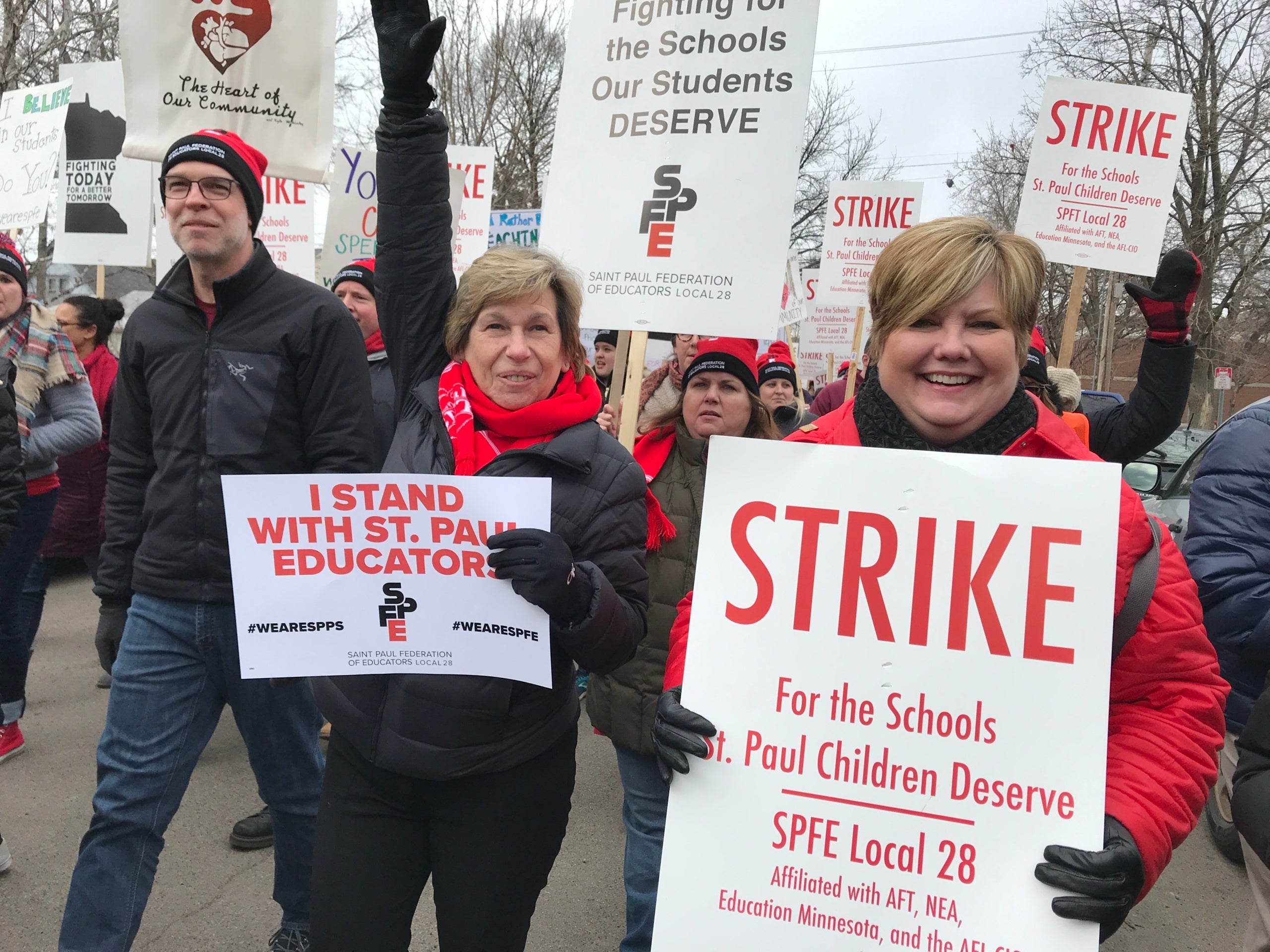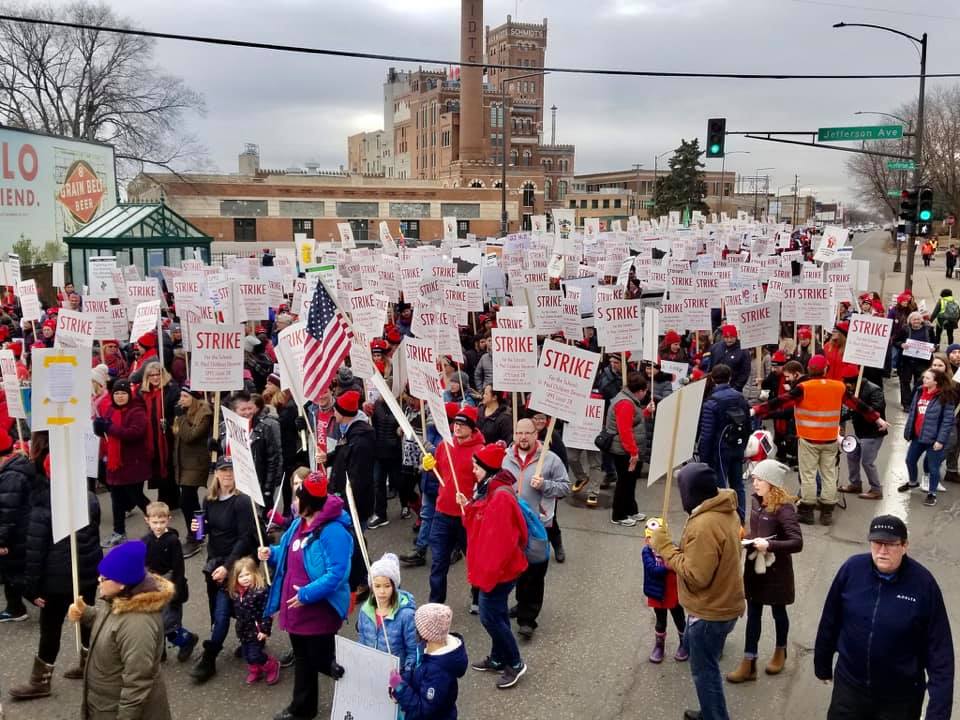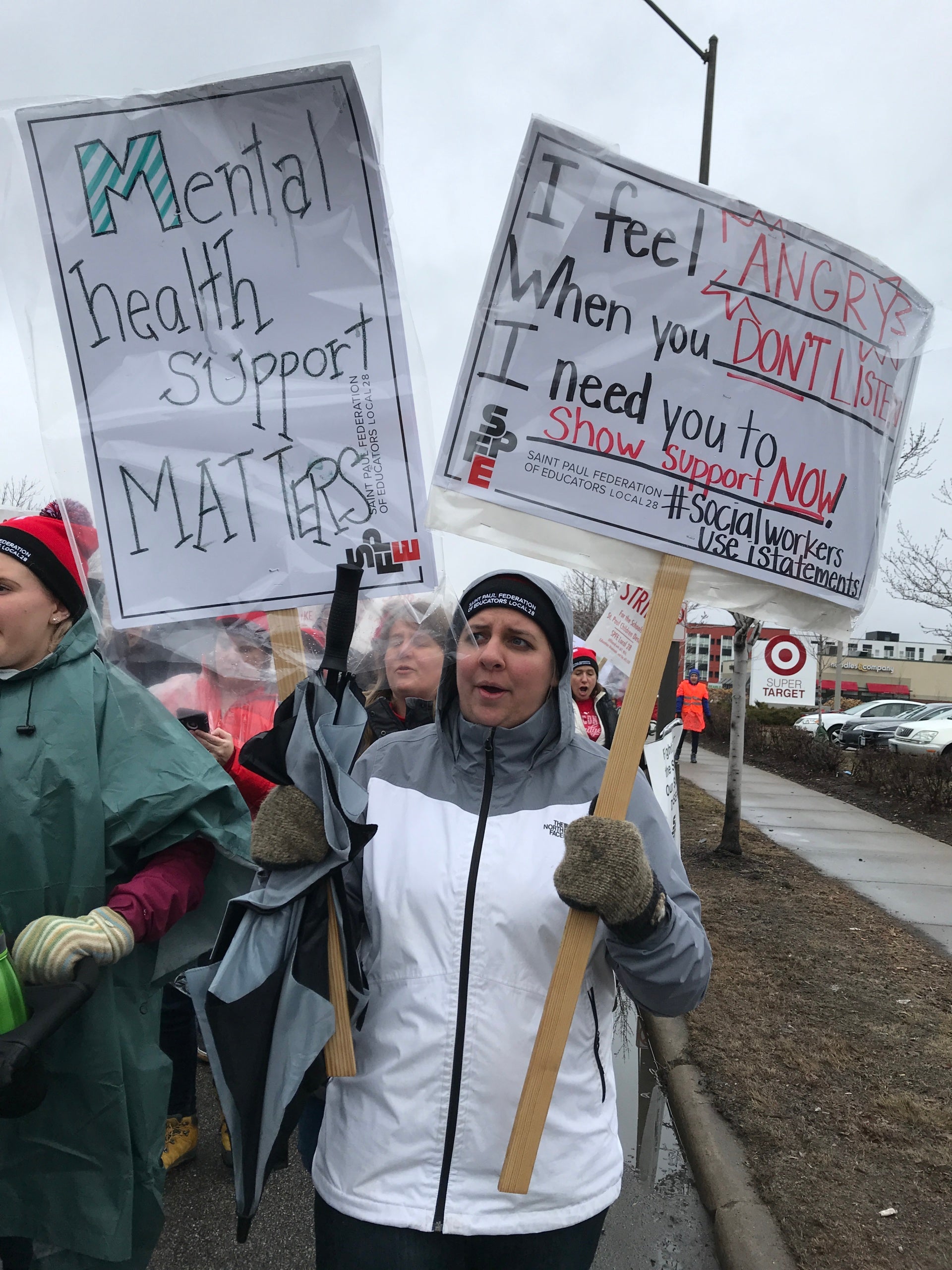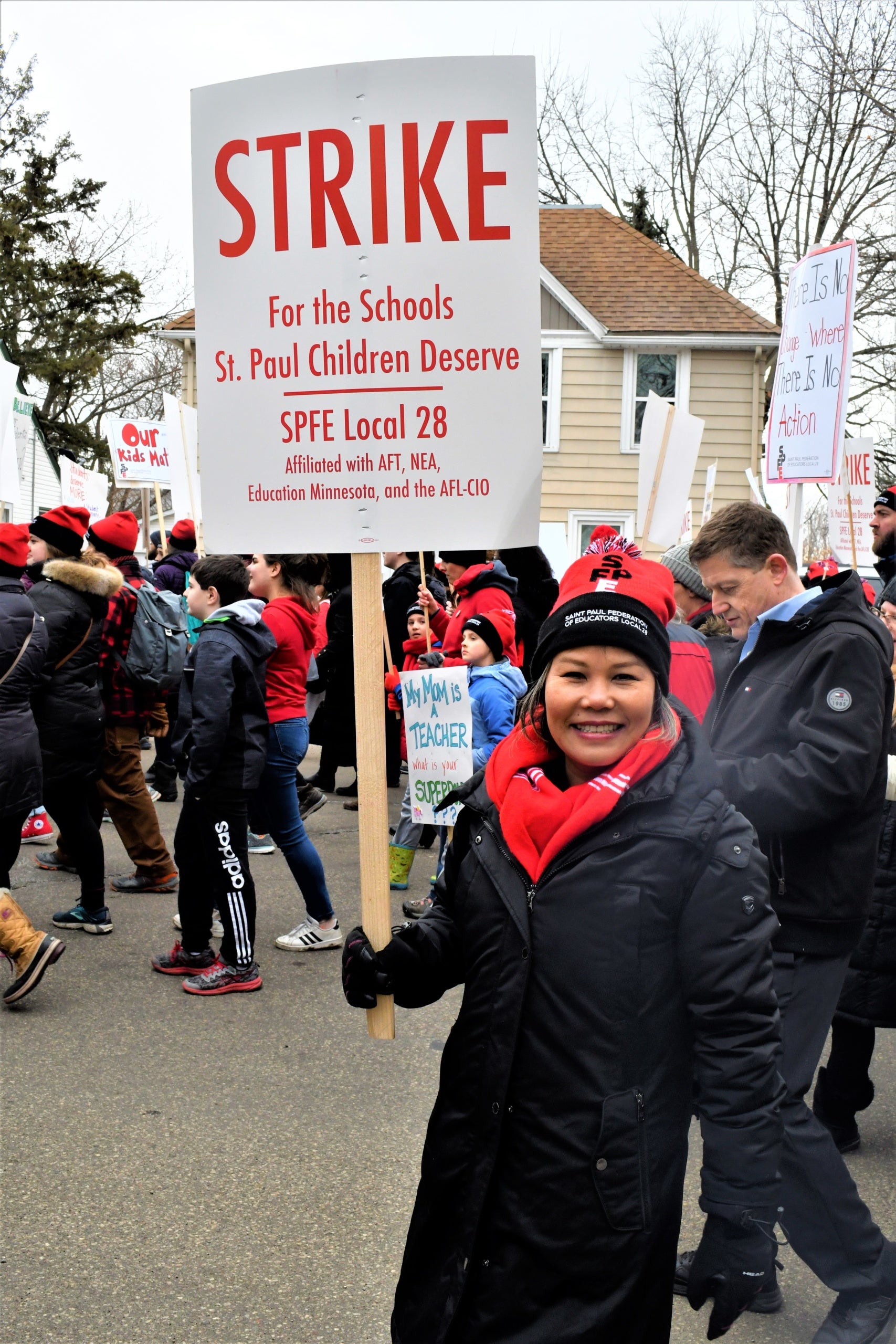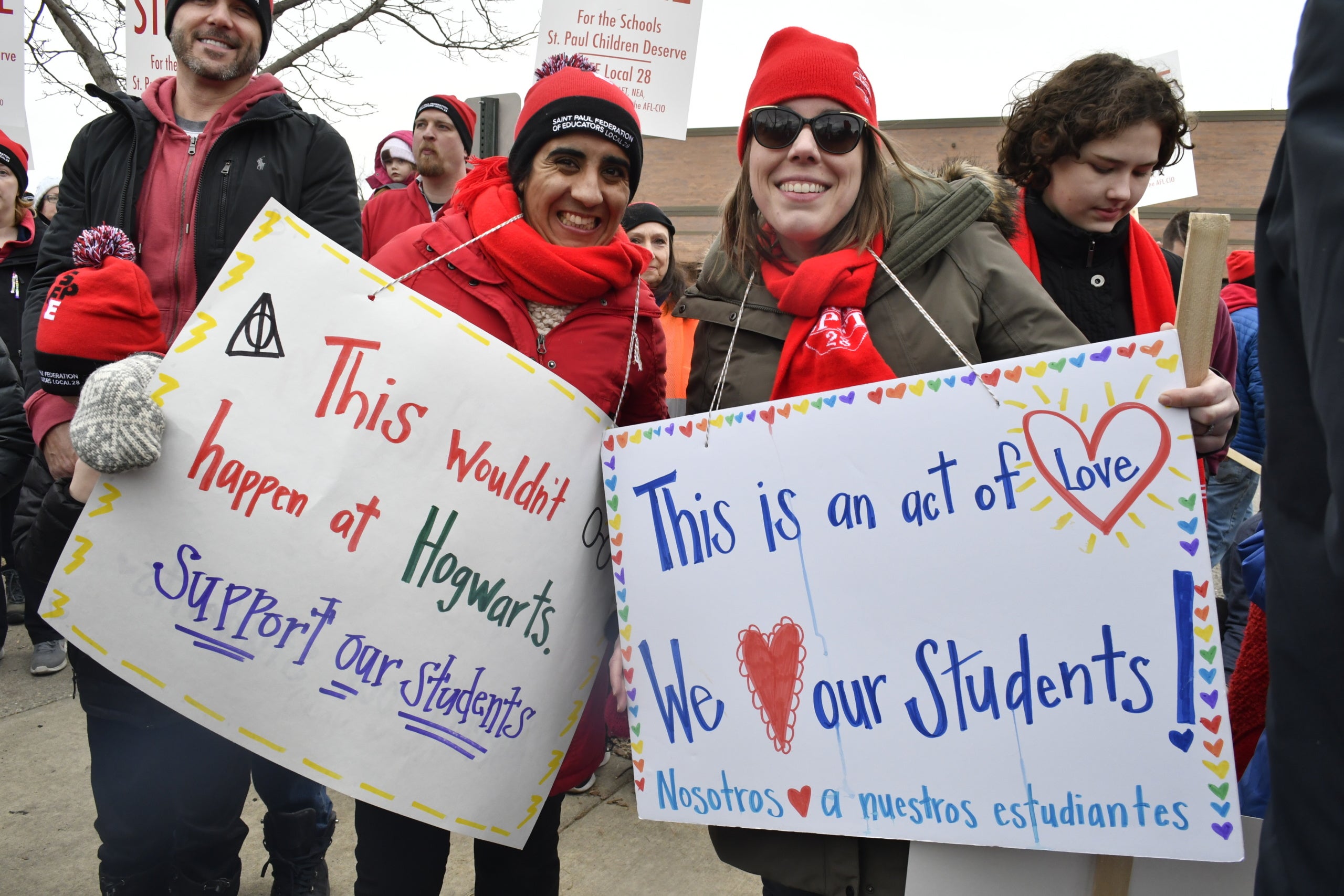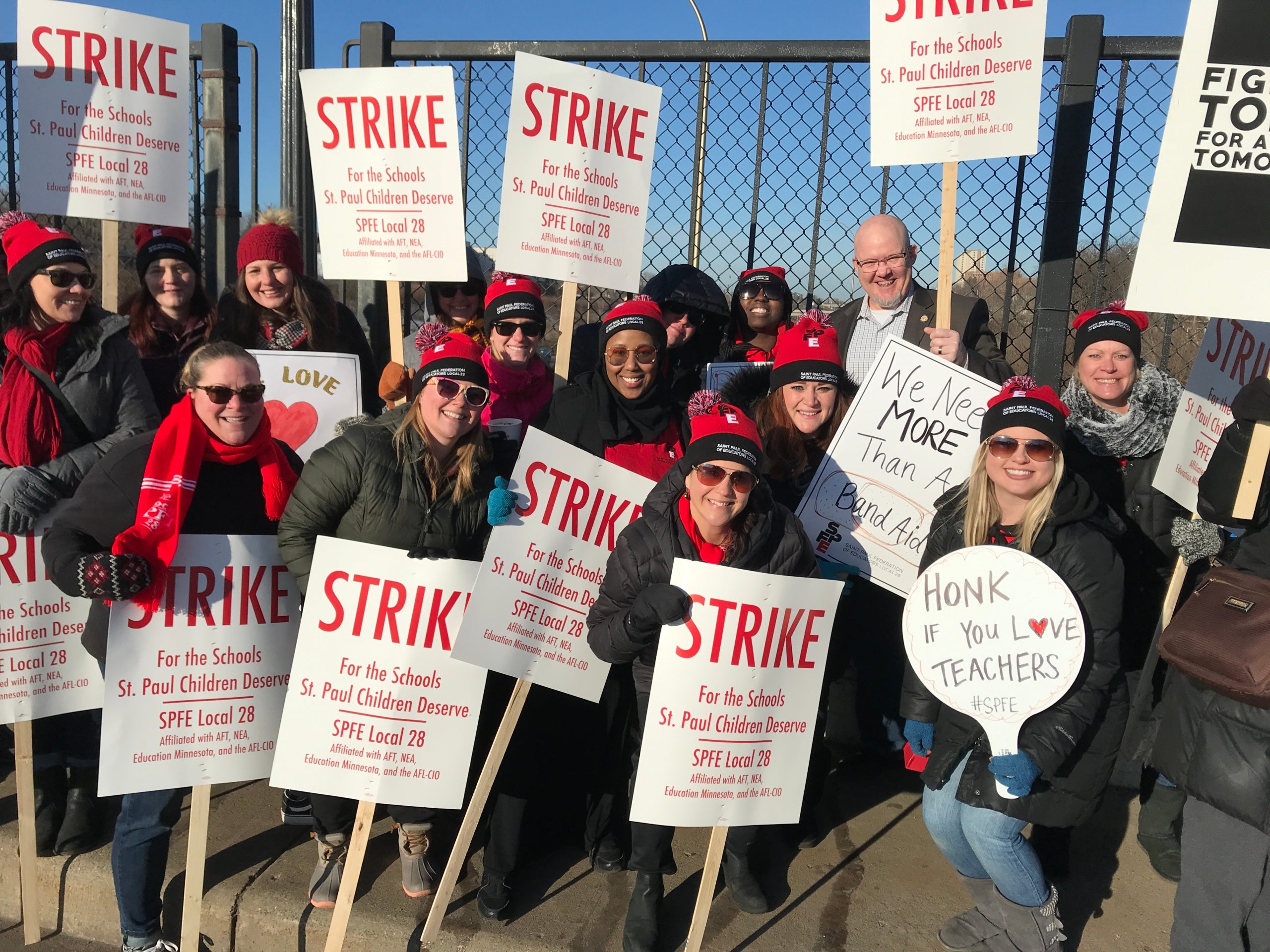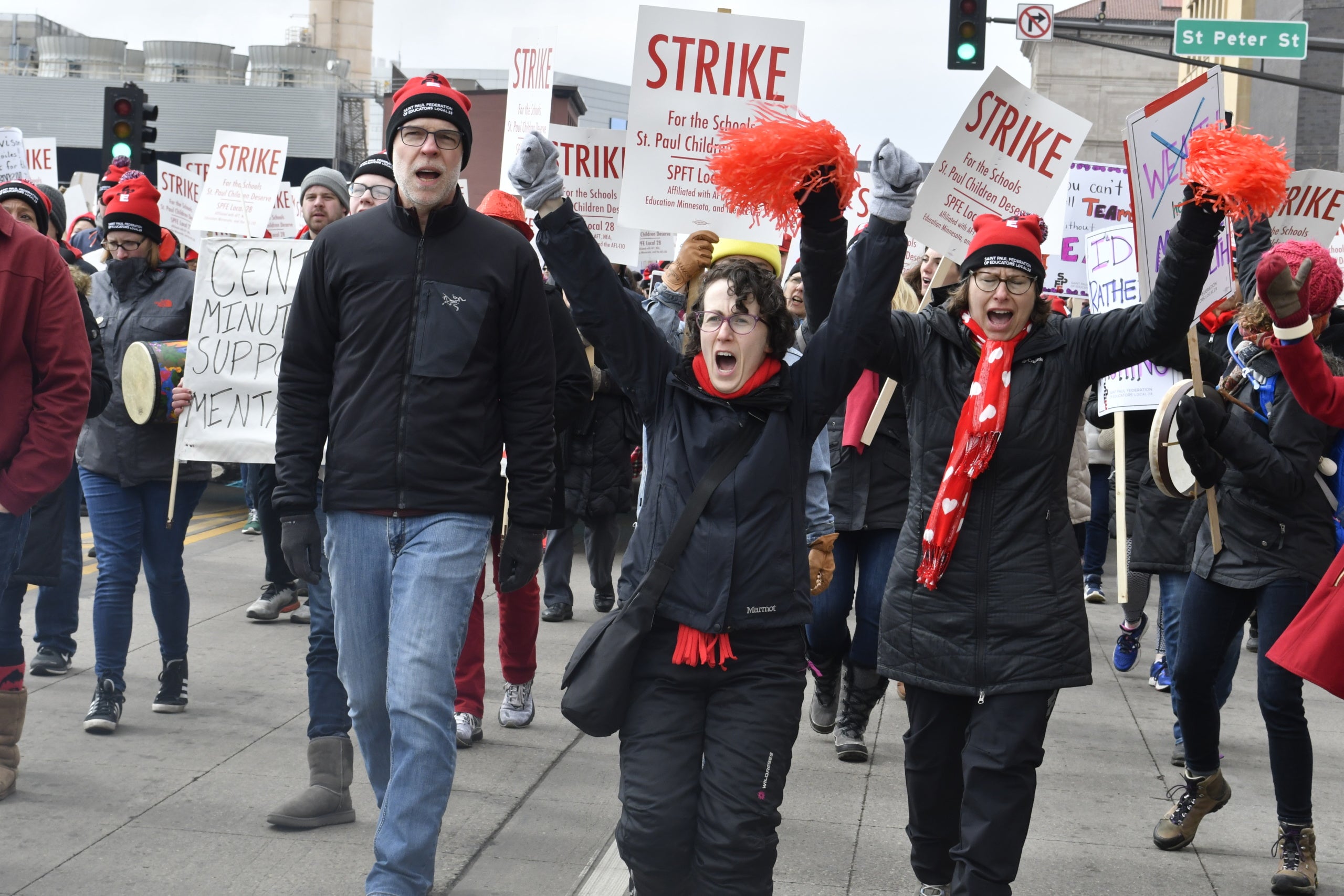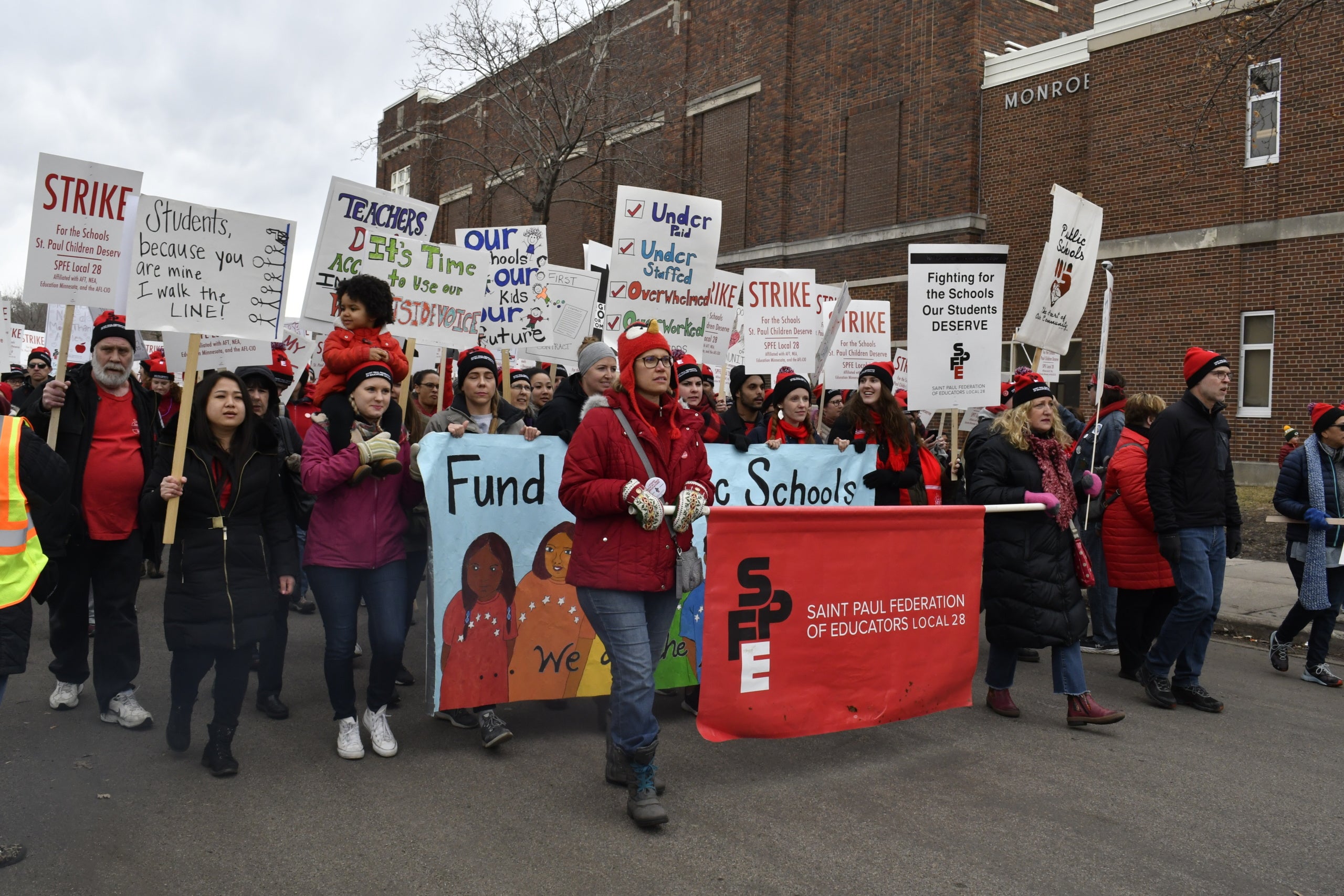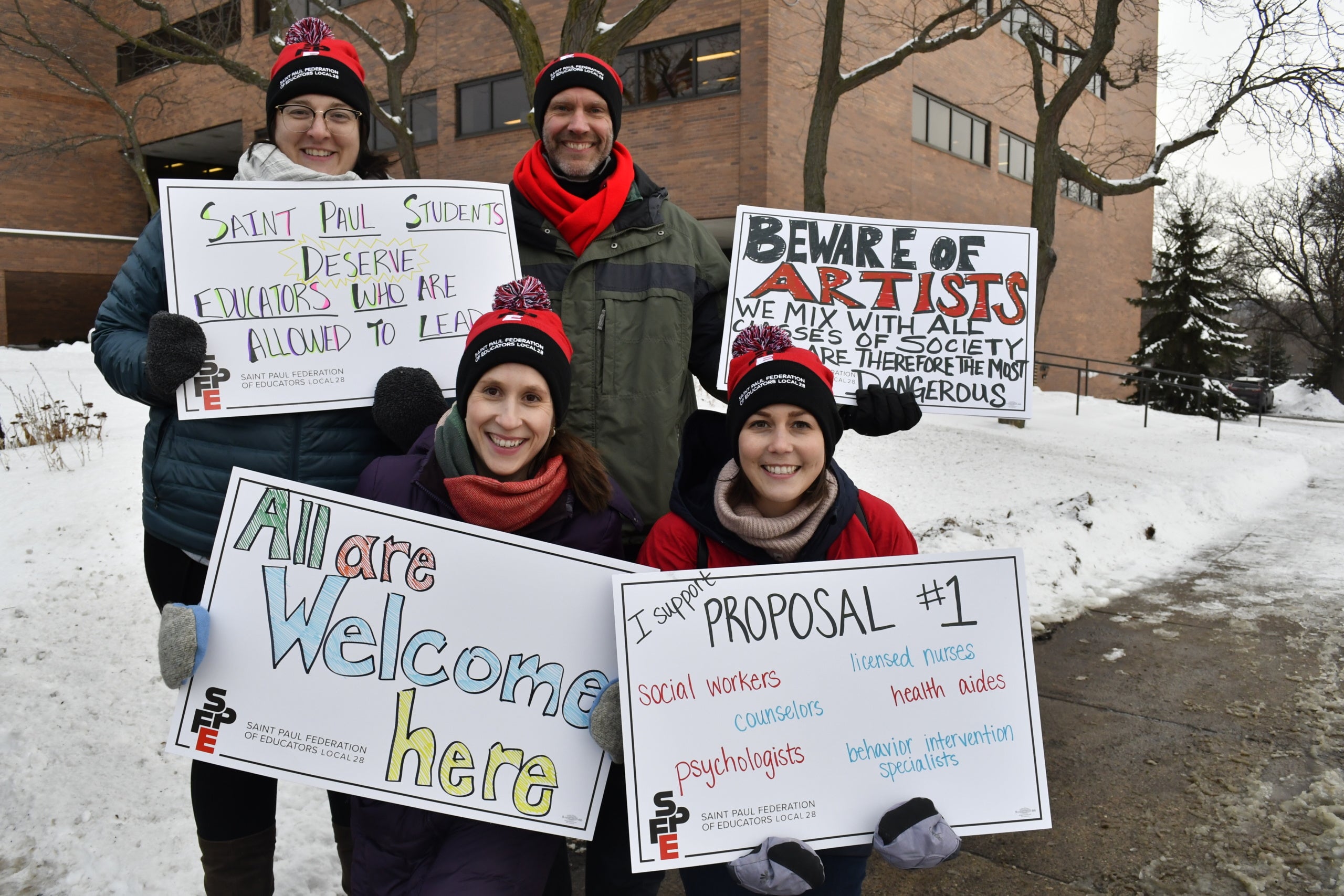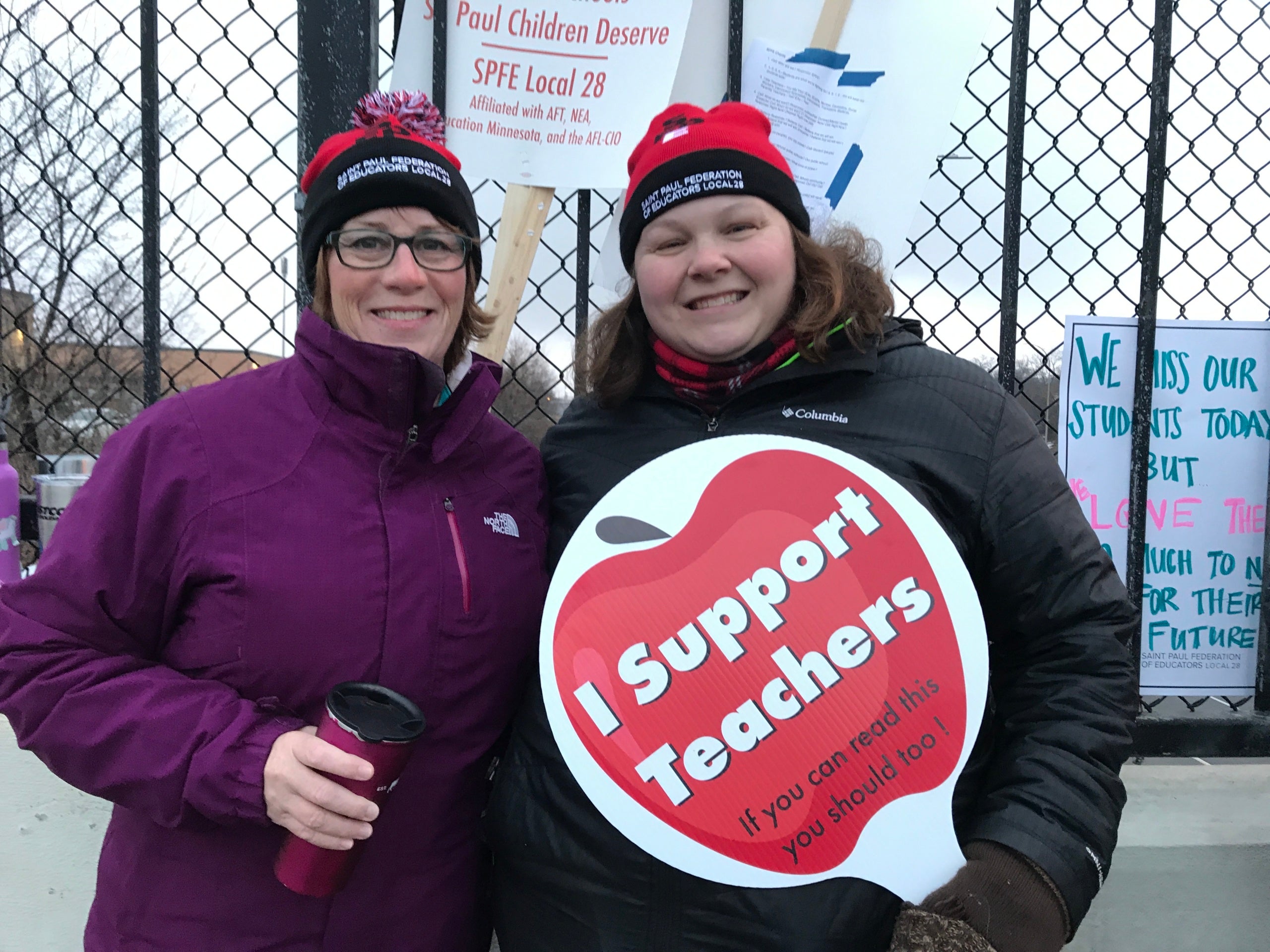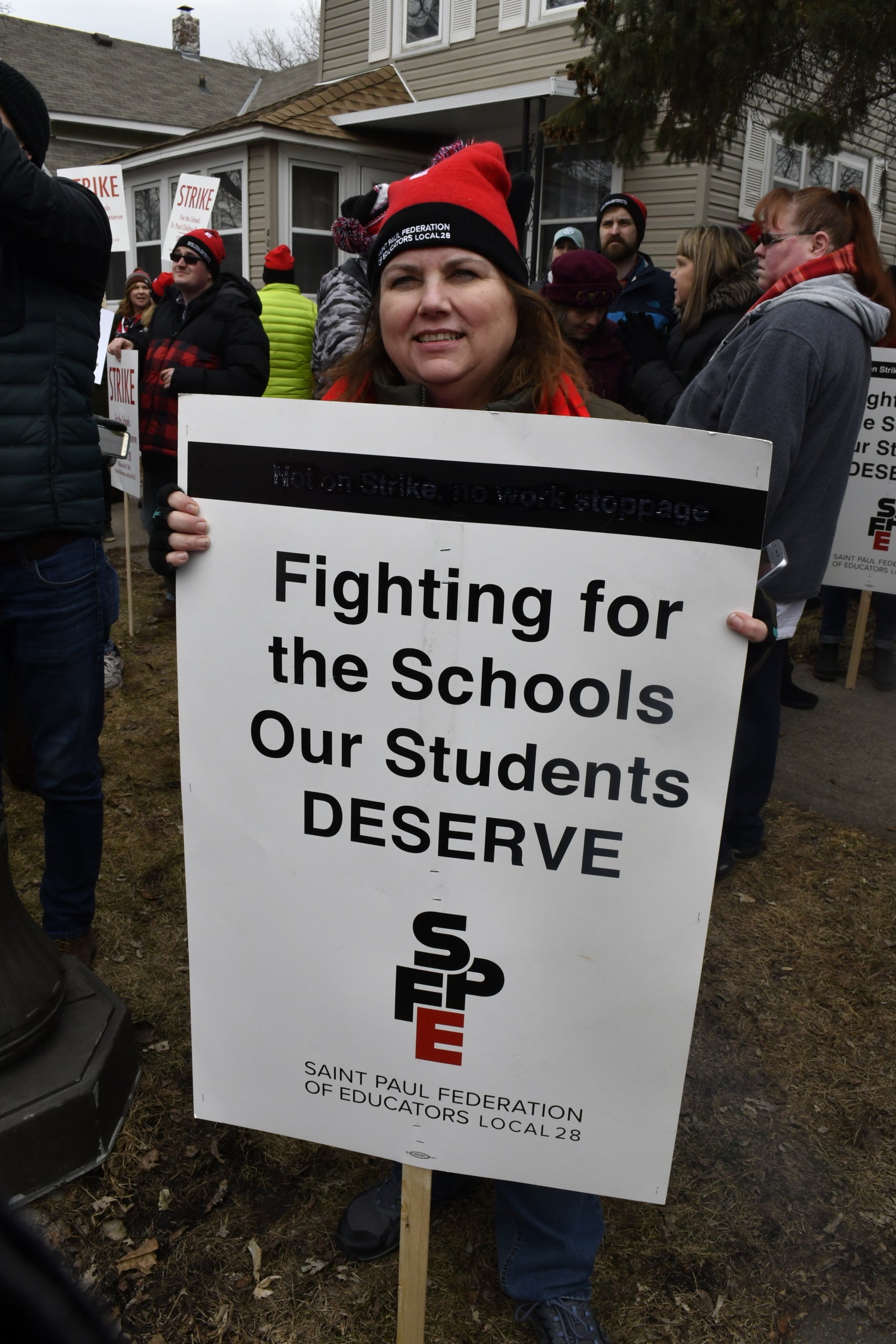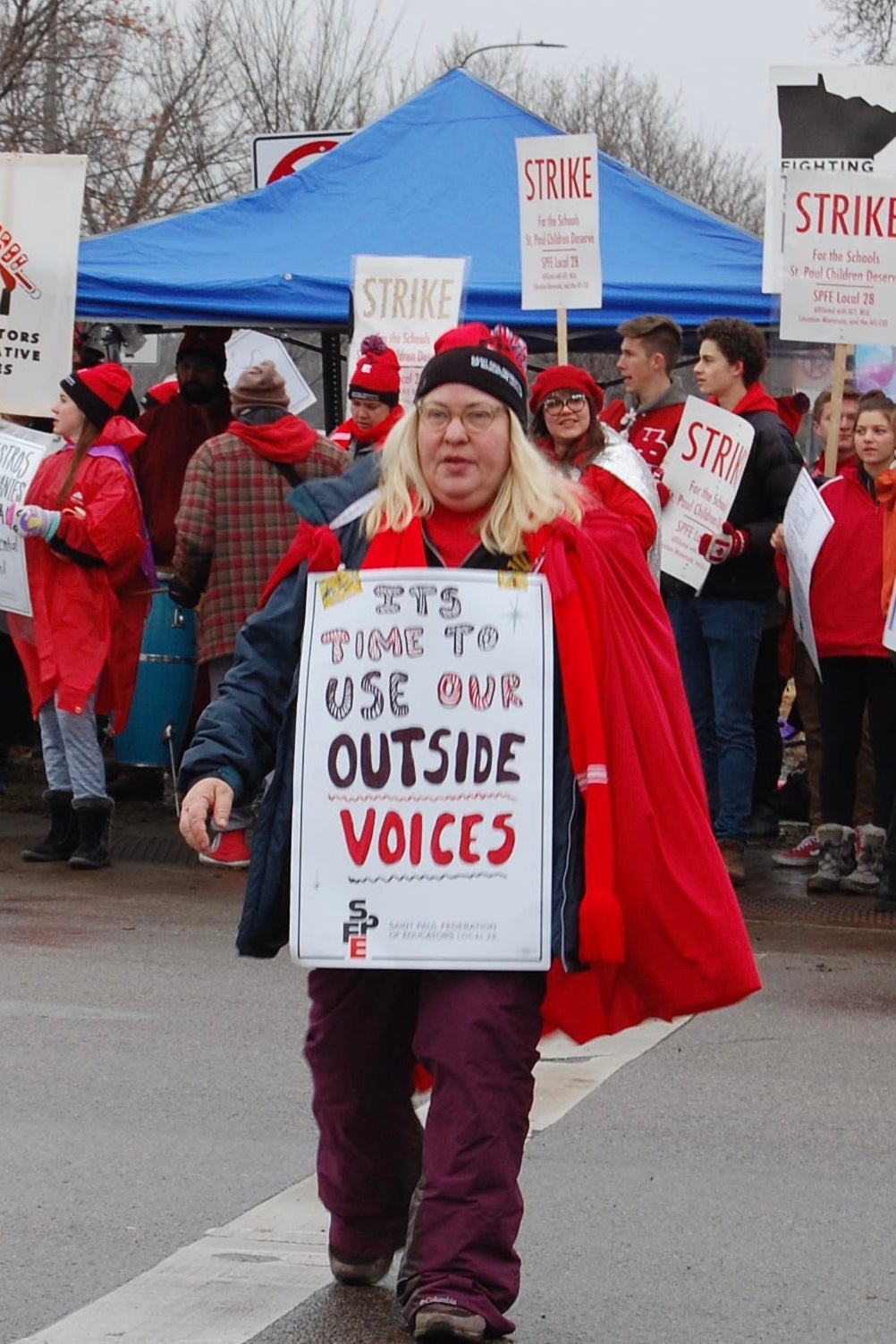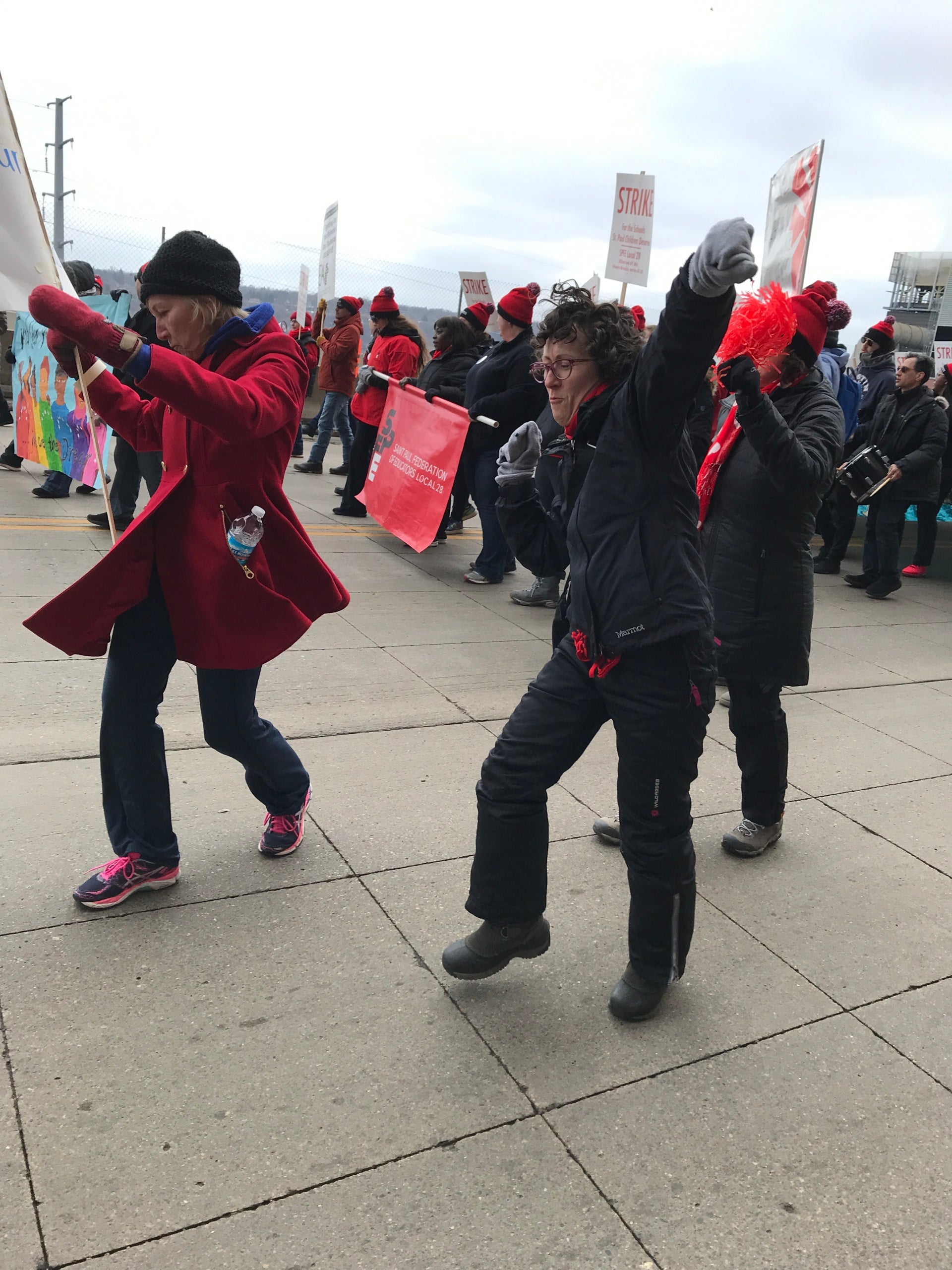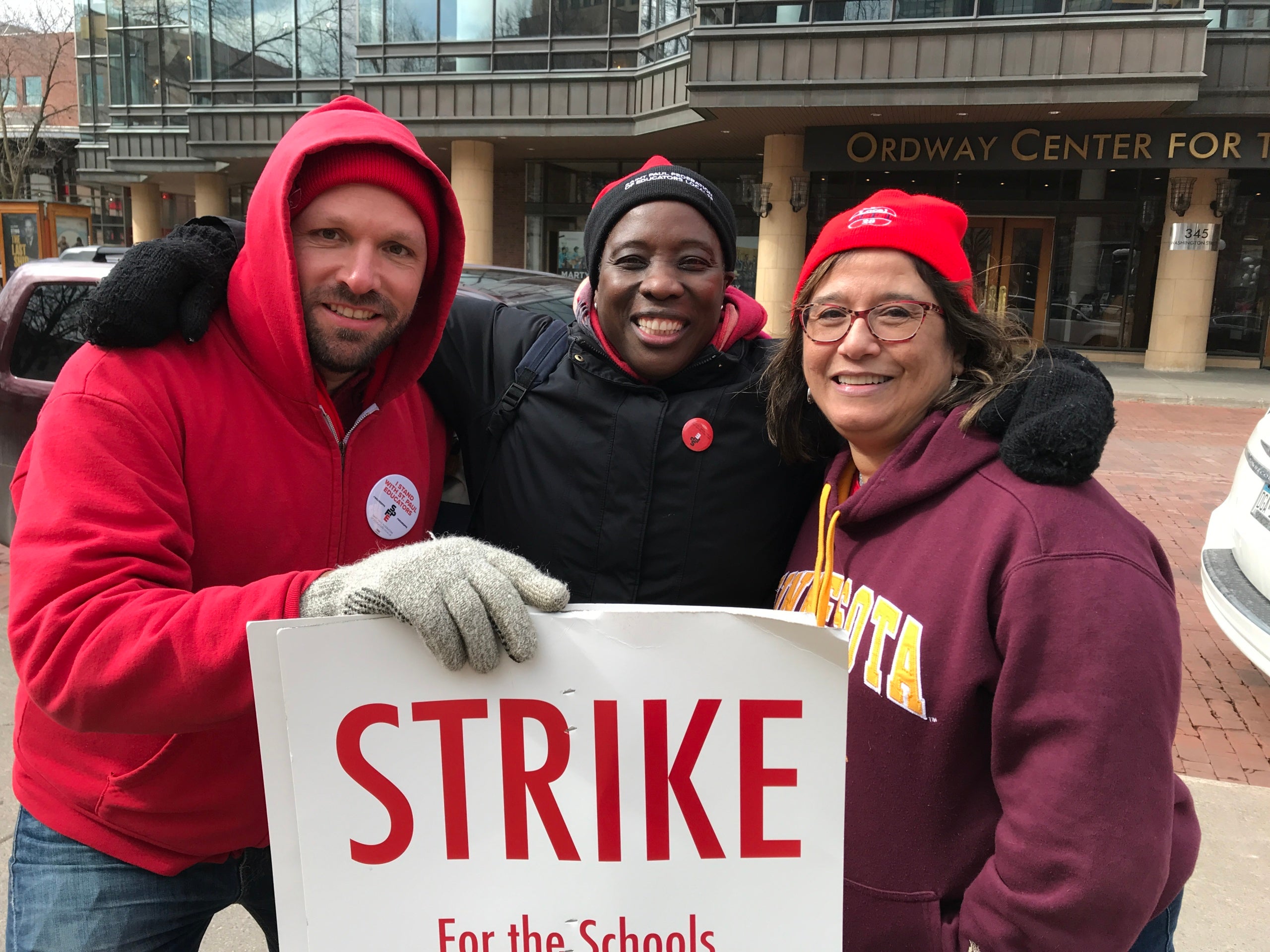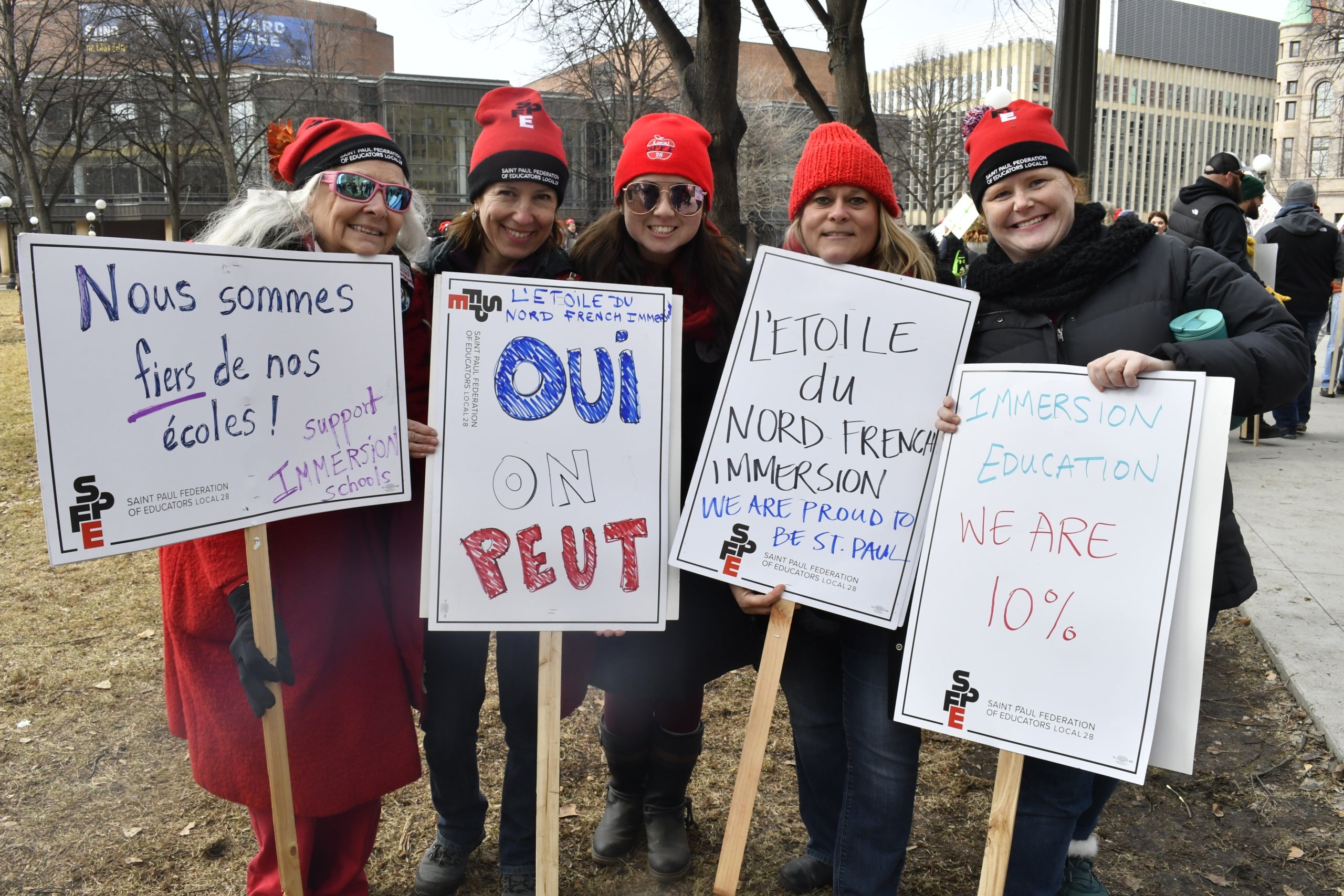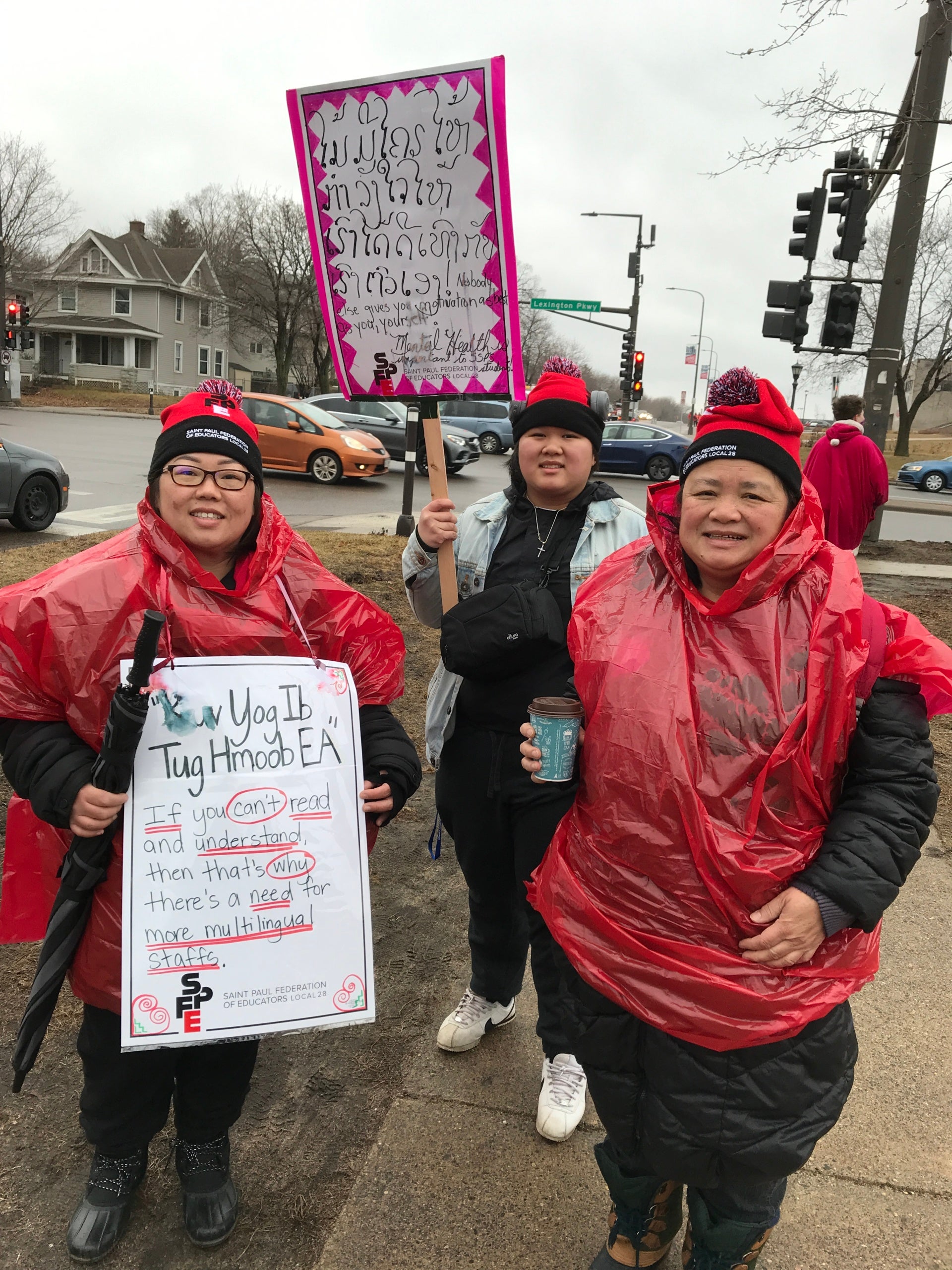

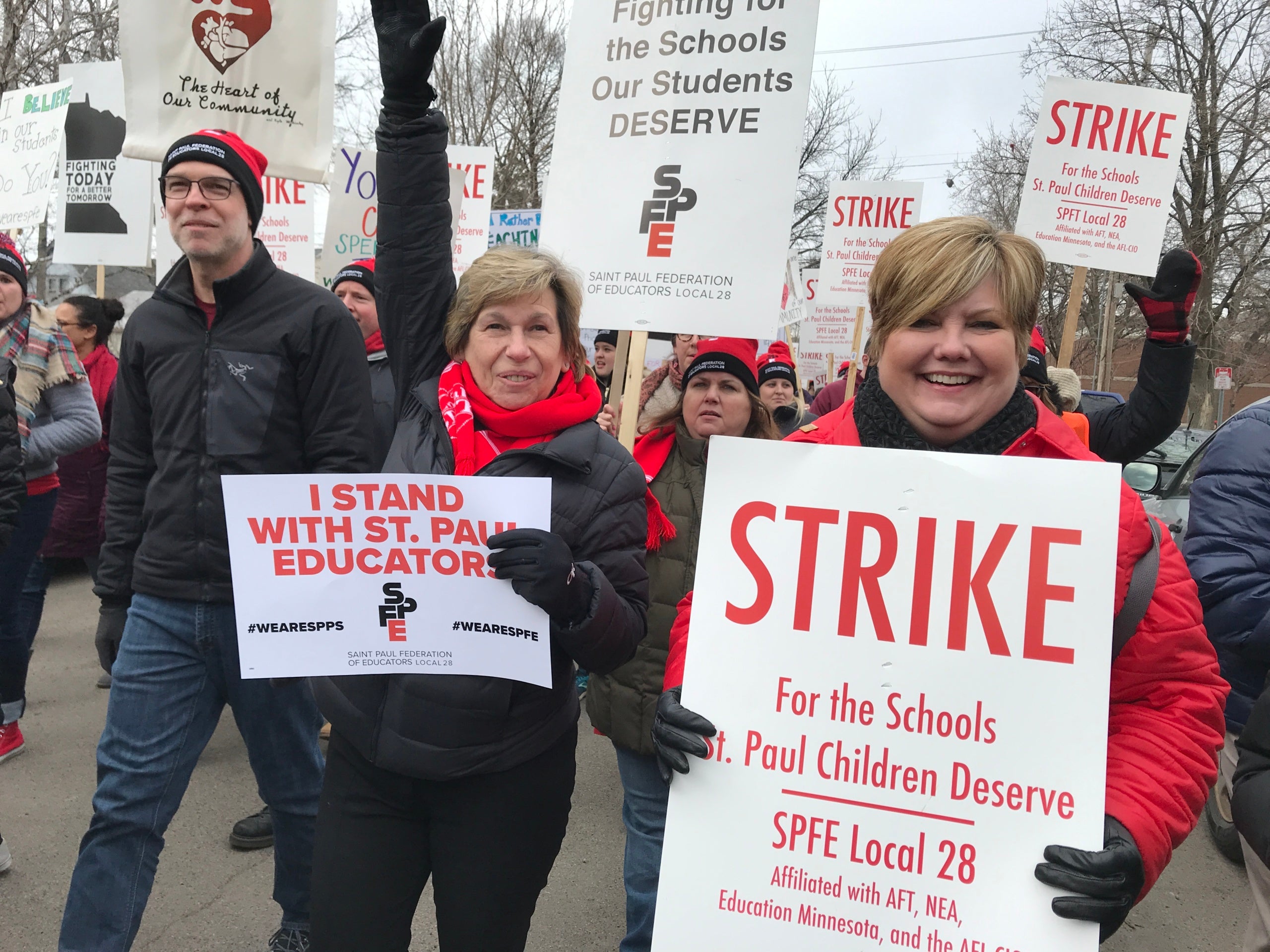
St. Paul 2020 Strike Photos, Set 2, Erica Schatzlein Collection
Photo Gallery
A gallery of photos to explore.

A gallery of photos to explore.
Lowell built on the advances made in the British textile industry, such as the use of the power loom, to industrialize American textile production. He was the first factory owner in the United States to create a textile mill that was vertically integrated.
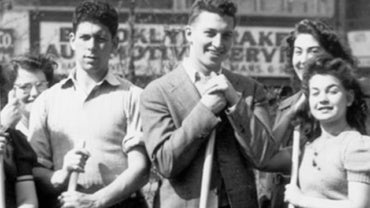
In this oral history website Brooklyn College students narrate two historical episodes: their experiences of working on farms during World War II, and the events surrounding the suspension of the Vanguard, the student newspaper in a postwar McCarthy era climate. The edited testimony is accompanied…
When Teachers Mobilize Oral Histories
In 1820 Lowell, known as East Chelmsford, MA at the time, had a population of 200 and was a farming community. Thirty years later, the population had grown to 33,000 and one could find 32 textile mills in existence there. Lowell was an ideal location for these mills because it was located near the Merrimac River. The river supplied the water necessary to run these factories.
This project produces and displays free interactive maps showing the historical geography of dozens of social movements that have influenced American life and politics since the start of the 20th century, including radical movements, civil rights movements, labor movements, women’s movements, and more. Until now…
Though it’s a relatively recent field of study, women’s history is inscribed across all of the Harvard Library holdings gathered since 1638. By examining those holdings afresh and querying them in a new and feminist light, the curators of the Women Working collection have aggregated…
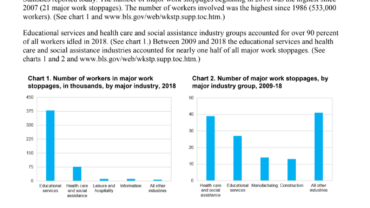
In 2018, there were 20 major work stoppages involving 485,000 workers, the U.S. Bureau of Labor Statistics reported today. The number of major work stoppages beginning in 2018 was the highest since 2007 (21 major work stoppages). The number of workers involved was the highest since 1986 (533,000 workers).
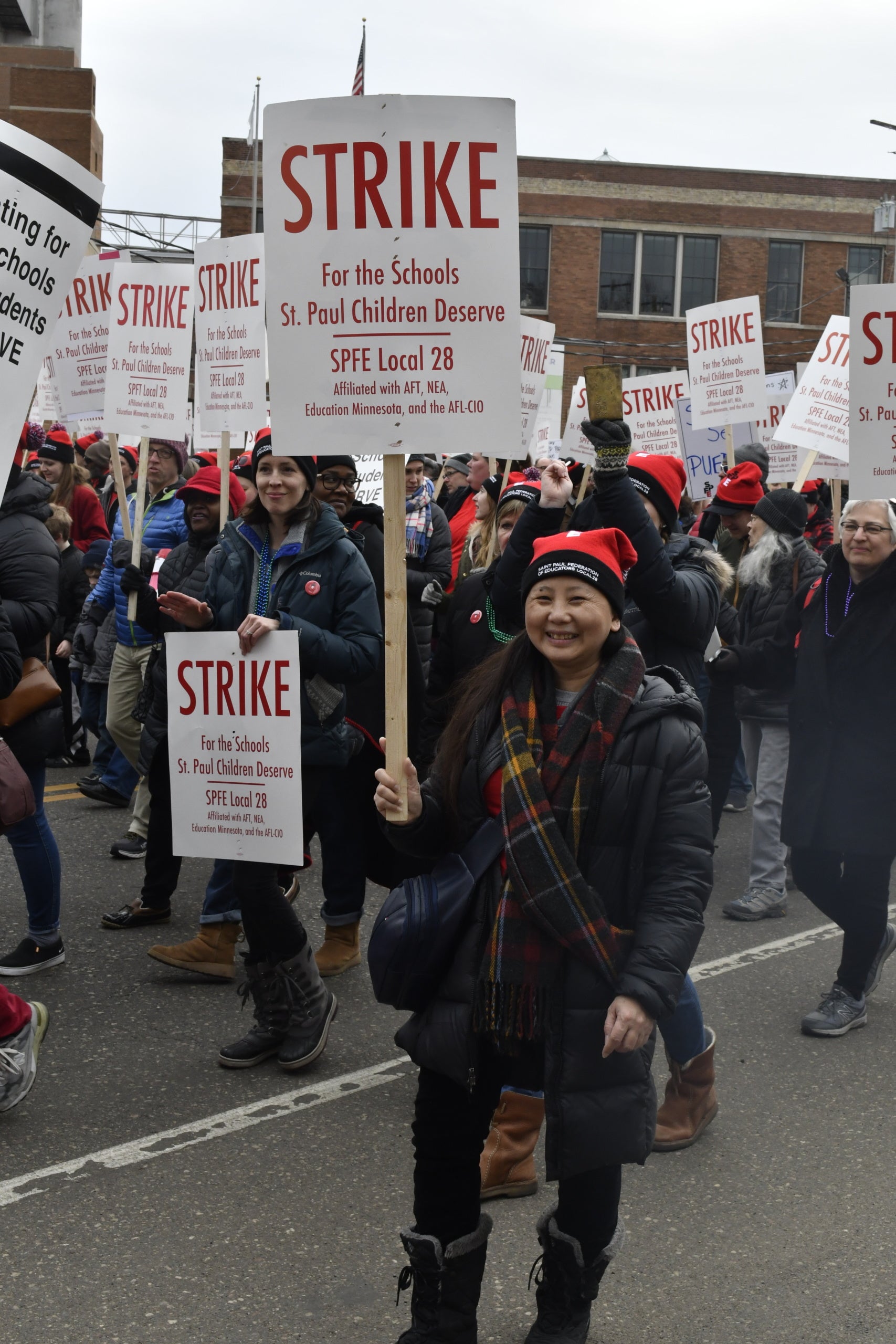
Women Have Always Worked: Fighting for Equality: 1950–2018.
An exploration from an online edX course.