Women Have Always Worked, an edX Course Exploration, 31-40
Video Gallery
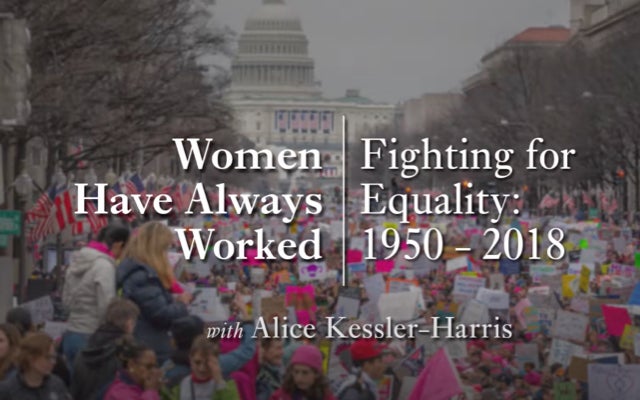
Women Have Always Worked: Fighting for Equality: 1950–2018.
An exploration from an online edX course.

The following are video previews from the edX course “Women Have Always Worked” presented by Alice Kessler-Harris and Columbia University.
Women Have Always Worked: Fighting for Equality: 1950–2018.
An exploration from an online edX course.
From the first national strike in 1877 to the nation’s first unionized Apple store, Maryland workers have long been at the center of labor history, fighting in the name of a better, more just life for all. As the state of Maryland celebrates its 250th anniversary, Maryland250 Labor History aims to ensure that we not only remember and celebrate this legacy, but treat it as a guide for our future.
A collaborative and volunteer-run project, MD250 Labor History is bringing this history to life through historical documents, podcasts, walking tours, videos, and more. We hope it will serve as a robust resource for generations of workers to come.

The Center for Working-Class Studies (CWCS) at Youngstown State University (YSU) was the first academic program in the U.S. to focus on issues of work and class. CWCS members have been at the forefront of “new working-class studies,” an international movement that brings together academics,…
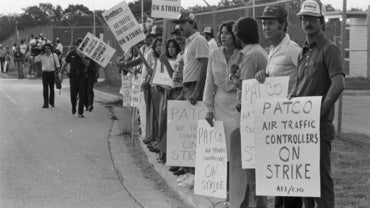
In August 1981, over 12,000 members of the Professional Air Traffic Controllers Organization (PATCO) walked off the job after contract negotiations with the Federal Aviation Administration (FAA) broke down.
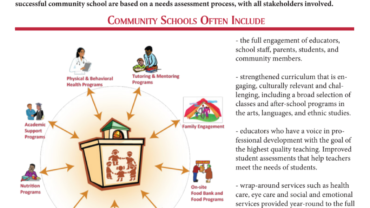
UTLA believes every child has a right to attend a high-quality Sustainable Community School in their neighborhood.
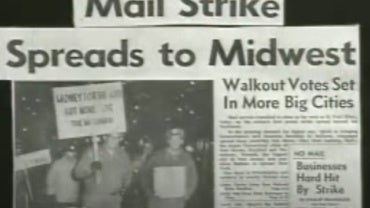
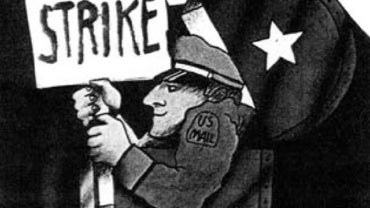
APWU remembers the Great Postal Strike of March 1970. For more background on the successful wildcat strike that earned postal workers the right to bargain collectively for better pay and benefits.
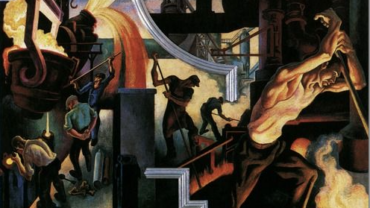
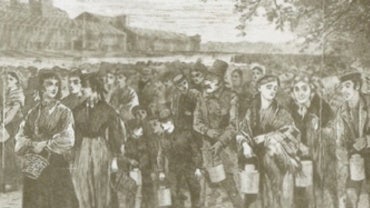
Lowell built on the advances made in the British textile industry, such as the use of the power loom, to industrialize American textile production. He was the first factory owner in the United States to create a textile mill that was vertically integrated.
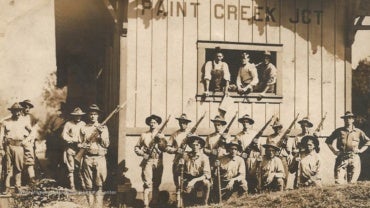
Overall mine wars resources, a major collection.
The wildcat Postal strike that began on March 18, 1970 signaled the end of collective begging and the beginning of collective bargaining that raised hundreds of thousands of postal workers, craft and management, from poverty level wages to middle class wage earners.
In the early 19th century the United States of America began to experience many changes. In parts of the country there was a shift from an agrarian society to an industrial society.