Lawrence History Center
History Site
Our collections are being digitized and made available through our website, OCLC WorldCat, Internet Archive, Digital Commonwealth, and the Digital Public Library of America (DPLA).

Our collections are being digitized and made available through our website, OCLC WorldCat, Internet Archive, Digital Commonwealth, and the Digital Public Library of America (DPLA).
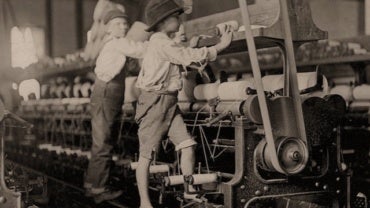
As early as the 1830s, many U.S. states had enacted laws restricting or prohibiting the employment of young children in industrial settings. However, in rural communities where child labor on the farm was common, employment of children in mills and factories did not arouse much…
The Samuel Gompers Papers collects, annotates, and makes available primary sources of American labor history. Founded by Stuart Kaufman in 1974, the project has published two microfilm series of union records and eleven volumes of Gompers’ papers. The nation’s leading trade unionist in the late…
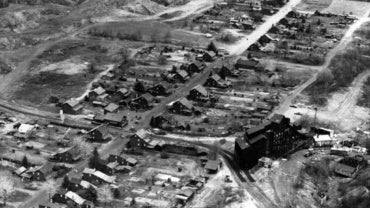
Perched atop a mountain ridge at the center of one of the planet’s largest concentrations of disturbed terrain, Eckley Miners’ Village is a world within a world. Visit our authentic 19th-century company mining town, and experience the lives of the working-class families who once fueled America.

This collection of life histories consists of approximately 2,900 documents, compiled and transcribed by more than 300 writers from 24 states, working on the Folklore Project of the Federal Writers’ Project, a New Deal jobs program that was part of the U.S. Works Progress (later…
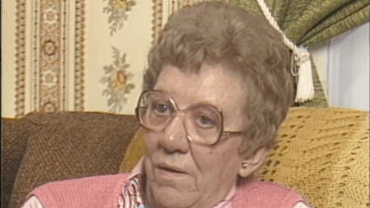
“And that’s how we did in the mill” is based on excerpts from oral histories with the last generation of women to work in the Lowell, Massachusetts textile mills, recorded by filmmaker Martha Norkunas in 1983.
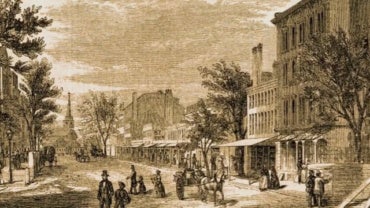
The film describes the extraordinary anti-slavery efforts taking place in the mid-19th century in Lowell. Forrant and Grooms visit the sites that still exist in downtown Lowell where abolitionist activity occurred and where freedom seekers operated businesses.
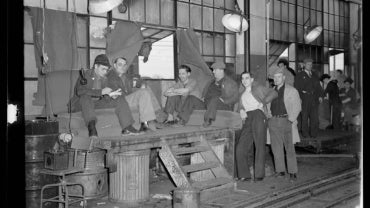
Once called “the strike heard round the world,” the first major labor dispute in the U.S. auto industry ended after General Motors signed a contract with the United Auto Workers Union on February 11, 1937.