thank you for visiting the labor history resource project as we build this resource!



“And that’s how we did in the mill” is based on excerpts from oral histories with the last generation of women to work in the Lowell, Massachusetts textile mills, recorded by filmmaker Martha Norkunas in 1983.
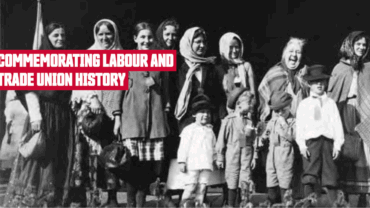
The International Trade Union and Labour Memory Network is a collaborative international project by a group of historians and labour activists. We aim to examine the commemoriation of labour history by highlighting what kind of labour and trade union memory work is undertaken across the globe, how trade unions use history and memory as a resource, and discuss the problems and challenges involved in commemoration.
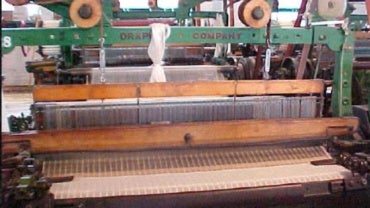
In 1820 Lowell, known as East Chelmsford, MA at the time, had a population of 200 and was a farming community. Thirty years later, the population had grown to 33,000 and one could find 32 textile mills in existence there. Lowell was an ideal location for these mills because it was located near the Merrimac River. The river supplied the water necessary to run these factories.
In 1820 Lowell, known as East Chelmsford, MA at the time, had a population of 200 and was a farming community. Thirty years later, the population had grown to 33,000 and one could find 32 textile mills in existence there. Lowell was an ideal location for these mills because it was located near the Merrimac River. The river supplied the water necessary to run these factories.
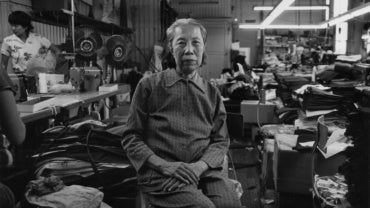
In early summer 1982 an estimated 20,000 garment workers in New York City, members of ILGWU Local 23-25 and mostly Chinese immigrant women, walked off the job in protest. This collection from LaborArts memorializes the 40th anniversary of this historic action.
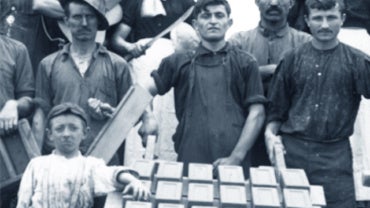
Just in time for a new academic year, the American Social History Project at the CUNY Graduate Center is releasing a new, expanded, and updated edition of the popular textbook Who Built America? Working People and the Nation’s History. A beta version is now available…
Interactive maps covering campaigns, strikes, arrests and events involving IWW.
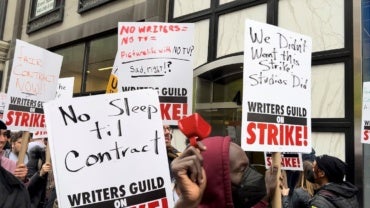
The American Federation of Labor and Congress of Industrial Organizations (AFL-CIO) works tirelessly to improve the lives of working people.
The CIO transformed American labor and American politics. Defying the American Federation of Labor’s commitment to craft unionism, the Committee for Industrial Organization was established in 1935 by leaders of the United Mine Workers and other AFL unions who embraced industrial union organizing strategies.
The Knights of Labor was the largest and most extensive association of workers in 19th century America. Organized in 1869, the movement grew slowly in the 1870s, then surged in the 1880s, reaching a peak membership approaching one million in 1886-1887 with Local Assemblies spread across the country in more than 5,600 cities and towns.
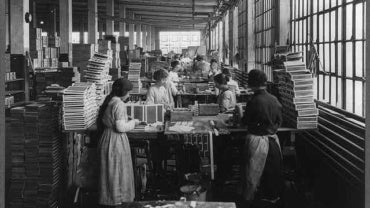
The National Labor Union was founded on August 20, 1866, in Baltimore, Maryland. It was the first attempt to create a national labor group in the United States and one of their first actions was the first national call for Congress to mandate an 8-hour work day.
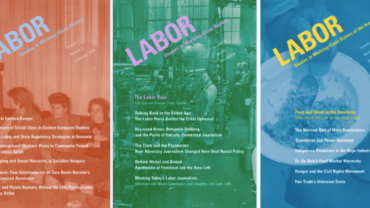
LABOR: Studies in Working-Class History is the official journal for the Labor and Working-Class History Association (LAWCHA), and is housed at the Kalmanovitz Initiative for Labor and the Working Poor at Georgetown University. A subscription to LABOR is available through membership in LAWCHA.