thank you for visiting the labor history resource project as we build this resource!


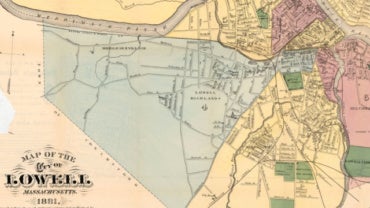
The Boott Cotton Mills Museum gives a snapshot of what is was like to work in New England cotton mills in the 1800s. The Museum, once Boott Mill #6, was originally owned by Kirk Boott, an industrialist who was responsible for much of the early urban planning that shaped Lowell’s industrial and residential landscape.
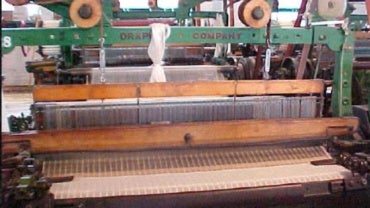
In 1820 Lowell, known as East Chelmsford, MA at the time, had a population of 200 and was a farming community. Thirty years later, the population had grown to 33,000 and one could find 32 textile mills in existence there. Lowell was an ideal location for these mills because it was located near the Merrimac River. The river supplied the water necessary to run these factories.
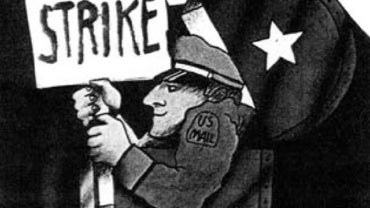
The wildcat Postal strike that began on March 18, 1970 signaled the end of collective begging and the beginning of collective bargaining that raised hundreds of thousands of postal workers, craft and management, from poverty level wages to middle class wage earners.
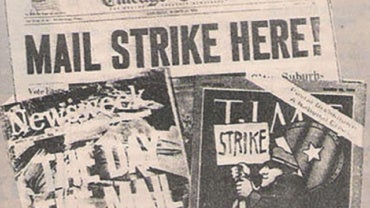
The first mass work stoppage in the 195-year history of the Postal Service began on March 18, 1970, with a walkout of letter carriers in Brooklyn and Manhattan who were demanding better wages.
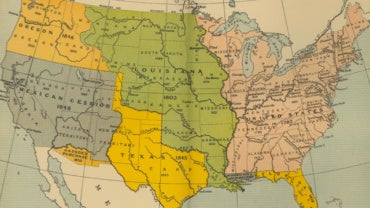
Created in partnership with Education Development Center, Zoom In features 18 skill-focused, document-rich lessons on social history topics that address every era of U.S. history. These interactive inquiries engage students in reading documents closely, gathering evidence, and writing an argumentative or explanatory essay. Each lesson…
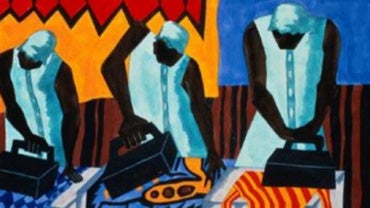
This bibliography contains a number of titles dealing with “workers,” the “world of work” generally, and “labor law” in particular, so as to account for some of the more compelling reasons we should assiduously attend to the complex economic and moral questions (the former often…
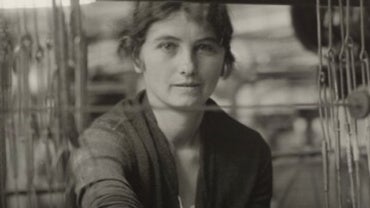
Though it’s a relatively recent field of study, women’s history is inscribed across all of the Harvard Library holdings gathered since 1638. By examining those holdings afresh and querying them in a new and feminist light, the curators of the Women Working collection have aggregated…
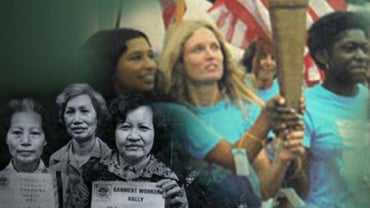
Women and Social Movements in the United States, 1600-2000, is a resource for students and scholars of U.S. history and U.S. women’s history. Organized around the history of women in social movements in the U.S. between 1600 and 2000, the collection seeks to advance scholarly…

Welcome to the Haymarket Affair Digital Collection. The Chicago Historical Society has created this digital collection to provide on-line access to its primary source materials relating to the Haymarket Affair, a controversial moment in Chicago’s past and a pivotal event in the early history of…
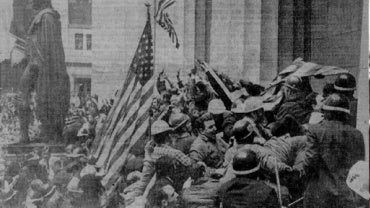
On May 8, 1970, the Dow Jones Industrial Average dropped five points to finish at 717, in the slowest day of trading in months. In the streets outside the New York Stock Exchange, however, chaos erupted: at noon, hundreds of construction workers arrived on Wall…
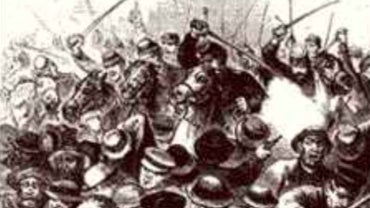
Welcome to The Dramas of Haymarket, an online project produced by the Chicago Historical Society and Northwestern University. The Dramas of Haymarket examines selected materials from the Chicago Historical Society’s Haymarket Affair Digital Collection, an electronic archive of CHS’s extraordinary Haymarket holdings. The Dramas of…
The Center for Working-Class Studies (CWCS) at Youngstown State University (YSU) was the first academic program in the U.S. to focus on issues of work and class. CWCS members have been at the forefront of “new working-class studies,” an international movement that brings together academics,…