

thank you for visiting the labor history resource project as we build this resource!

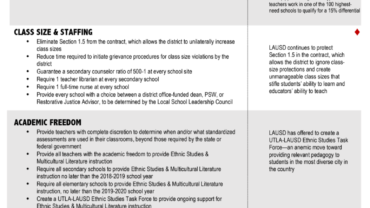
A report covering salary, class size & staffing, academic freedom, shared decision making, assignments and more.
“Wildcat” strikes, like the one that teachers used effectively in West Virginia in February/March of this year, are when union members walk off the job despite the wishes of their leadership. By definition, they are something uncontrollable and spontaneous.
This site explores the controversial history of the Communist Party in the Pacific Northwest from 1919 to the present. The project is sponsored by the Harry Bridges Center for Labor Studies at the University of Washington and is one of the Pacific Northwest Labor and…
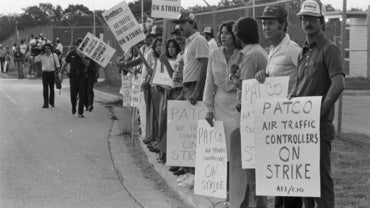
In August 1981, over 12,000 members of the Professional Air Traffic Controllers Organization (PATCO) walked off the job after contract negotiations with the Federal Aviation Administration (FAA) broke down.
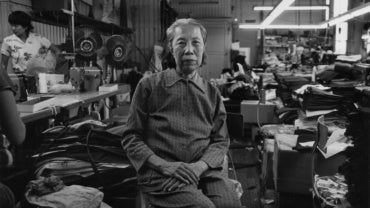
In early summer 1982 an estimated 20,000 garment workers in New York City, members of ILGWU Local 23-25 and mostly Chinese immigrant women, walked off the job in protest. This collection from LaborArts memorializes the 40th anniversary of this historic action.
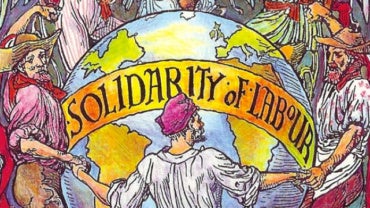
A comprehensive bibliography of information, documents and links of U.S. labor history sites on the internet. It was developed by labor historian Rosemary Feurer for the Labor and Working Class History Association. Visit site
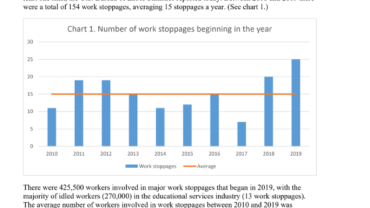
In 2019, there were 25 major work stoppages involving 1,000 or more workers and lasting at least one shift, the U.S. Bureau of Labor Statistics reported today. Between 2010 and 2019 there were a total of 154 work stoppages, averaging 15 stoppages a year.

The repeated argument I hear from people who are opposed to Oklahoma teachers walking out tomorrow is “we knew what we were doing when we signed up for this.” You’re right. We did. We signed up for the hardest job in the world and putting our kids first. Here’s a poem about it.
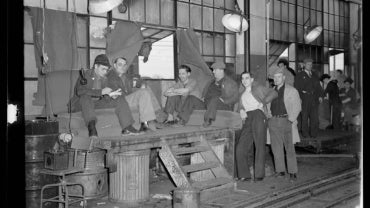
Once called “the strike heard round the world,” the first major labor dispute in the U.S. auto industry ended after General Motors signed a contract with the United Auto Workers Union on February 11, 1937.