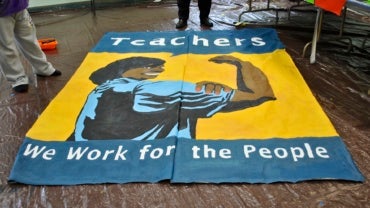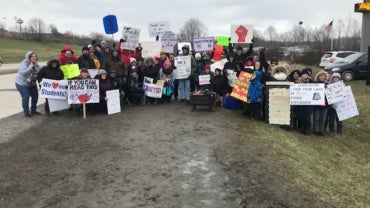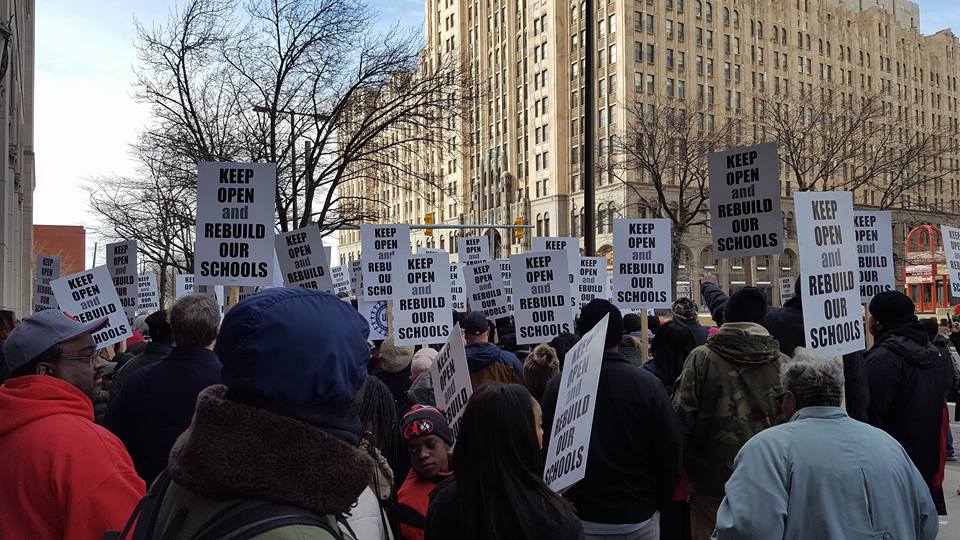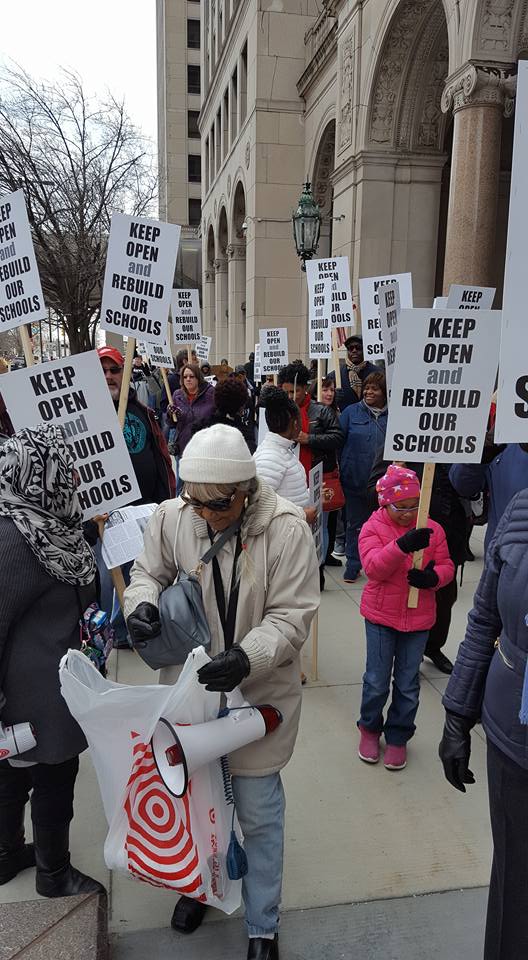

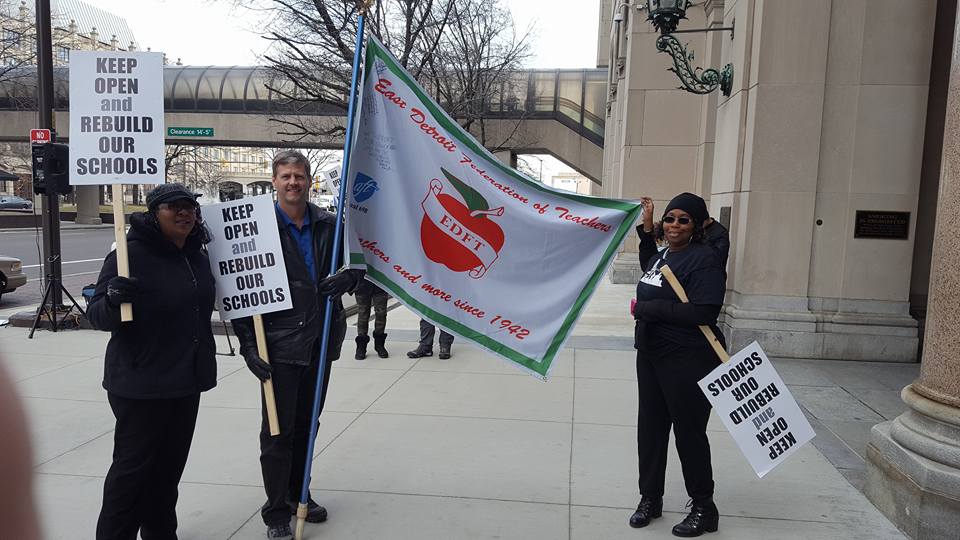
February 2017 Rally, Detroit, Joel Berger Collection
Photo Gallery
A gallery of photos to explore.

A gallery of photos to explore.
Created in partnership with Education Development Center, Zoom In features 18 skill-focused, document-rich lessons on social history topics that address every era of U.S. history. These interactive inquiries engage students in reading documents closely, gathering evidence, and writing an argumentative or explanatory essay. Each lesson…
Lowell’s water-powered textile mills catapulted the nation – including immigrant families and early female factory workers – into an uncertain new industrial era. Nearly 200 years later, the changes that began here still reverberate in our shifting global economy. Explore Lowell, a living testament to the dynamic human story of the industrial revolution.
A gallery of photos to explore.
The Wayne State University Library System, through its digital publishing initiatives, strives to bring unique, important, or institutionally relevant content to Wayne State University’s academic community and to the larger world. Our Digital Collections represent text, images, and audiovisual material that support this mission through…
In the early 19th century the United States of America began to experience many changes. In parts of the country there was a shift from an agrarian society to an industrial society.
The film describes the extraordinary anti-slavery efforts taking place in the mid-19th century in Lowell. Forrant and Grooms visit the sites that still exist in downtown Lowell where abolitionist activity occurred and where freedom seekers operated businesses.
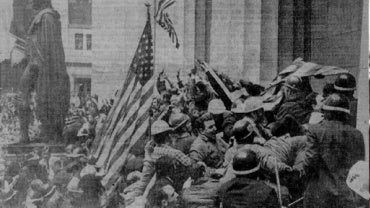
The Lawrence Textile Strike was a public protest mainly of immigrant workers from several countries, including Austria, Belgium, Cuba, Canada, France, England, Germany, Greece, Ireland, Italy, Lithuania, Netherlands, Norway, Poland, Portugal, Russia, Scotland, Spain, Syria, and Turkey. According to the 1910 census, 65% of mill workers (many of whom eventually struck) lived in the United States for less than 10 years; 47% for less than five years.
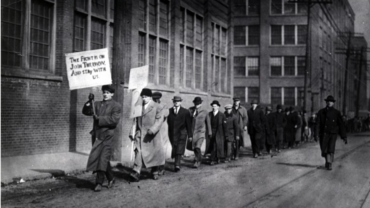
This project explores the history of the IWW in its first three decades, presenting information that has never before been available. We have compiled databases of more than 1,800 strikes, campaigns, arrests, and other incidents involving IWW members and present this information both yearbook format…
Near closing time on March 25, 1911, a fire broke out at the Triangle Waist Factory in New York City. Within 18 minutes, 146 people were dead as a result of the fire. This site includes original sources on the fire held at the ILR…