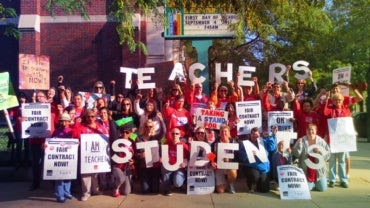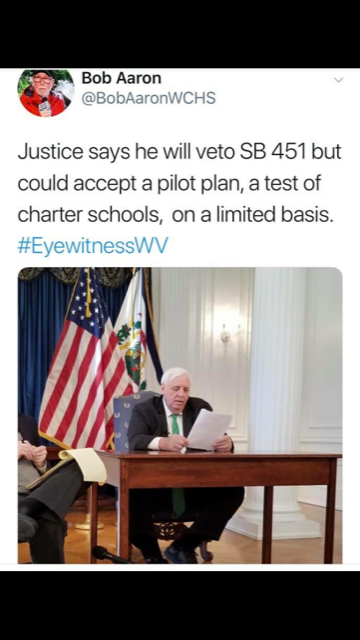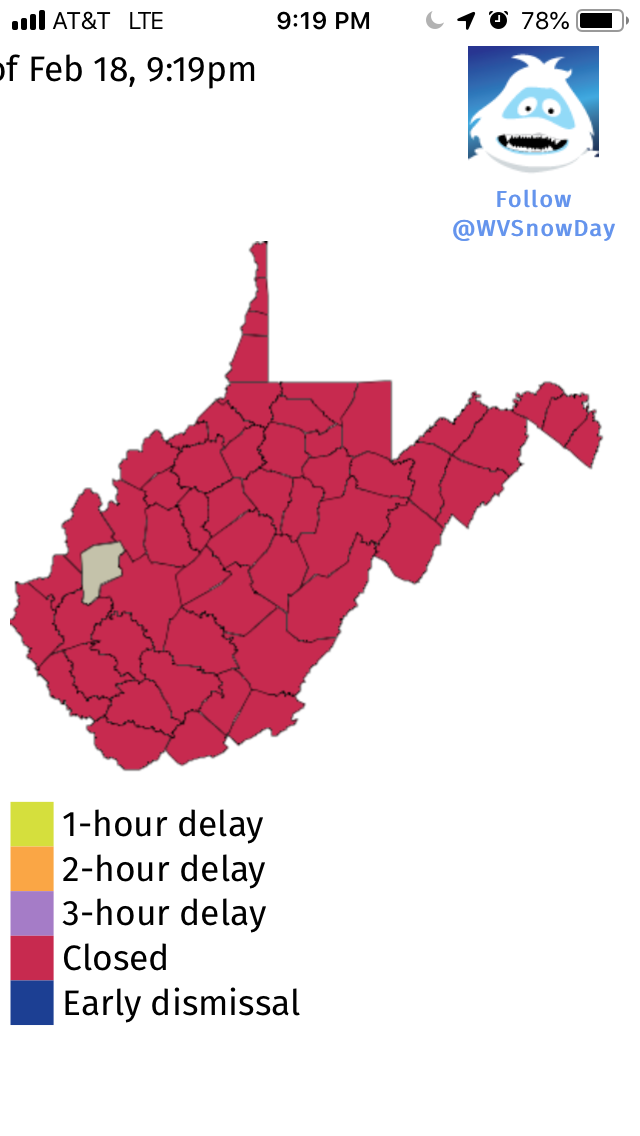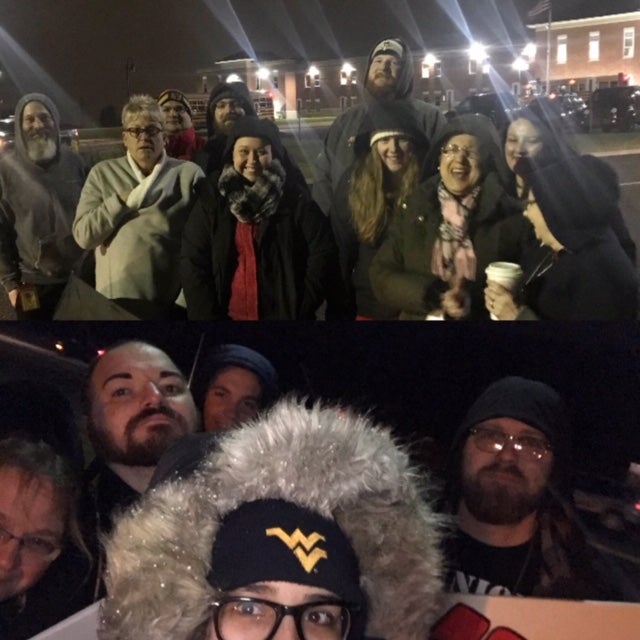

Gallery from 2019 Monongalia County, West Virginia, Carrie Beatty Collection
Photo Gallery
A gallery of photos to explore.

A gallery of photos to explore.
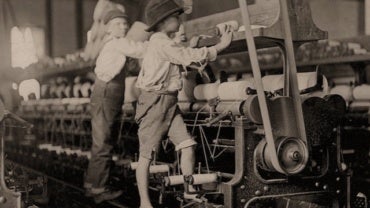
The Lowell mill girls were young female workers who came to work in industrial corporations in Lowell, Massachusetts, during the Industrial Revolution in the United States.
The WTO History Project, a joint effort of several programs at the University of Washington – the Harry Bridges Center for Labor Studies, the Center for Communication and Civic Engagement, the Digital Initiatives project and the University of Washington Libraries Special Collections division of the…
In 1820 Lowell, known as East Chelmsford, MA at the time, had a population of 200 and was a farming community. Thirty years later, the population had grown to 33,000 and one could find 32 textile mills in existence there. Lowell was an ideal location for these mills because it was located near the Merrimac River. The river supplied the water necessary to run these factories.
The National Labor Union was founded on August 20, 1866, in Baltimore, Maryland. It was the first attempt to create a national labor group in the United States and one of their first actions was the first national call for Congress to mandate an 8-hour work day.
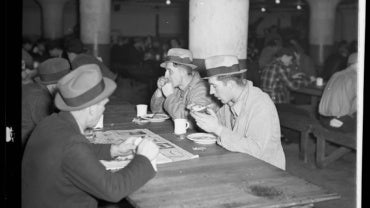
Many were home from war and wanted more than ever to live a long full life. Others had worked long days and nights during the war to feed the troops overseas as well as Americans on the home front. Some had migrated to the cities from farms and small towns looking for work.
What Made the Battle of Blair Mountain the Largest Labor Uprising in American History. Its legacy lives on today in the struggles faced by modern miners seeking workers’ rights
In 1820 Lowell, known as East Chelmsford, MA at the time, had a population of 200 and was a farming community. Thirty years later, the population had grown to 33,000 and one could find 32 textile mills in existence there. Lowell was an ideal location for these mills because it was located near the Merrimac River. The river supplied the water necessary to run these factories.
When Teachers Mobilize Oral Histories