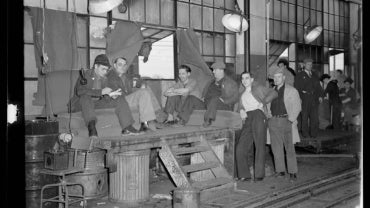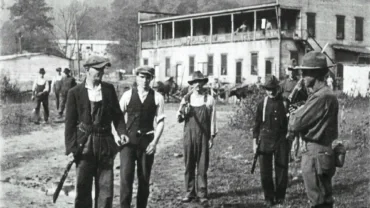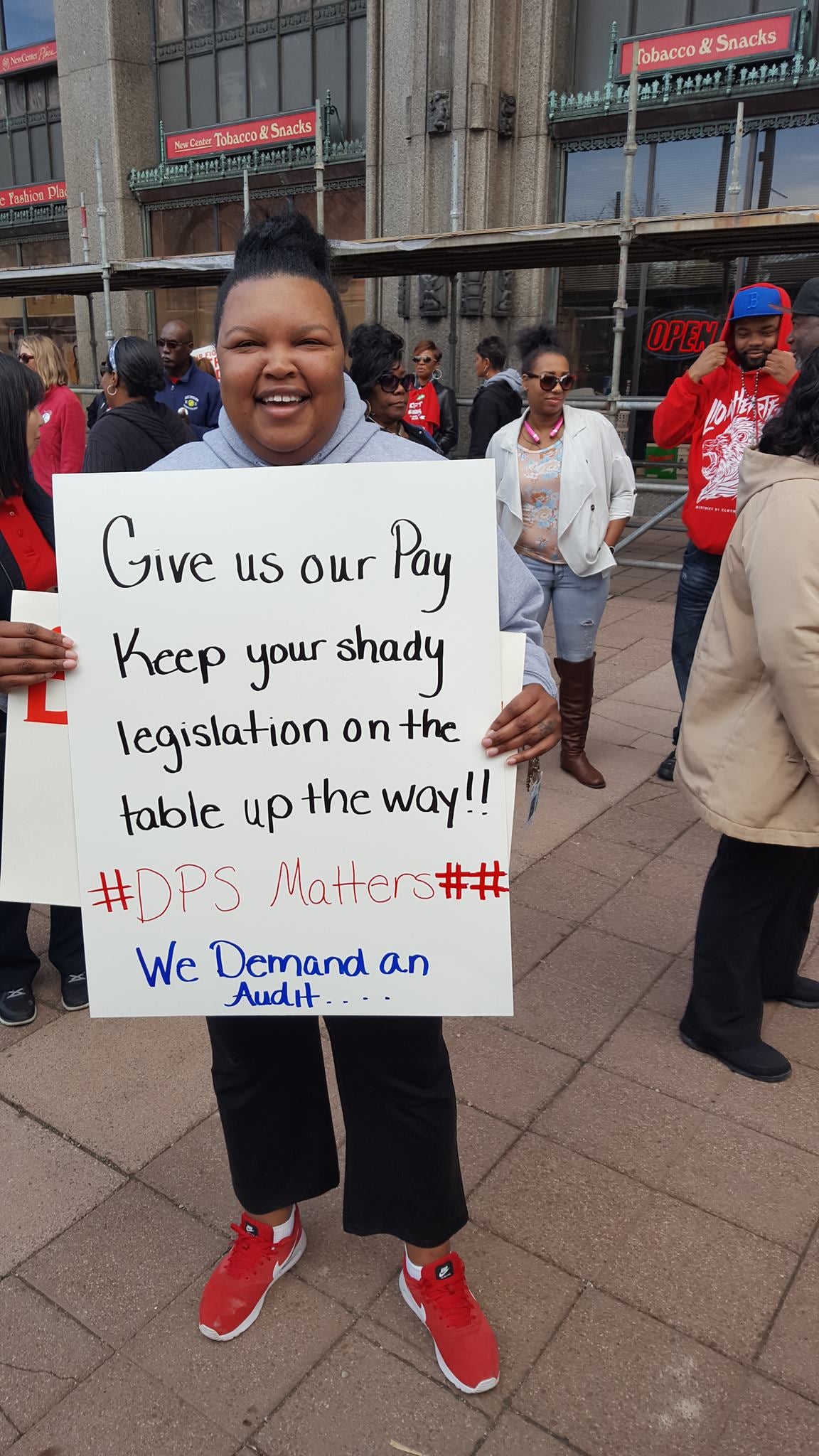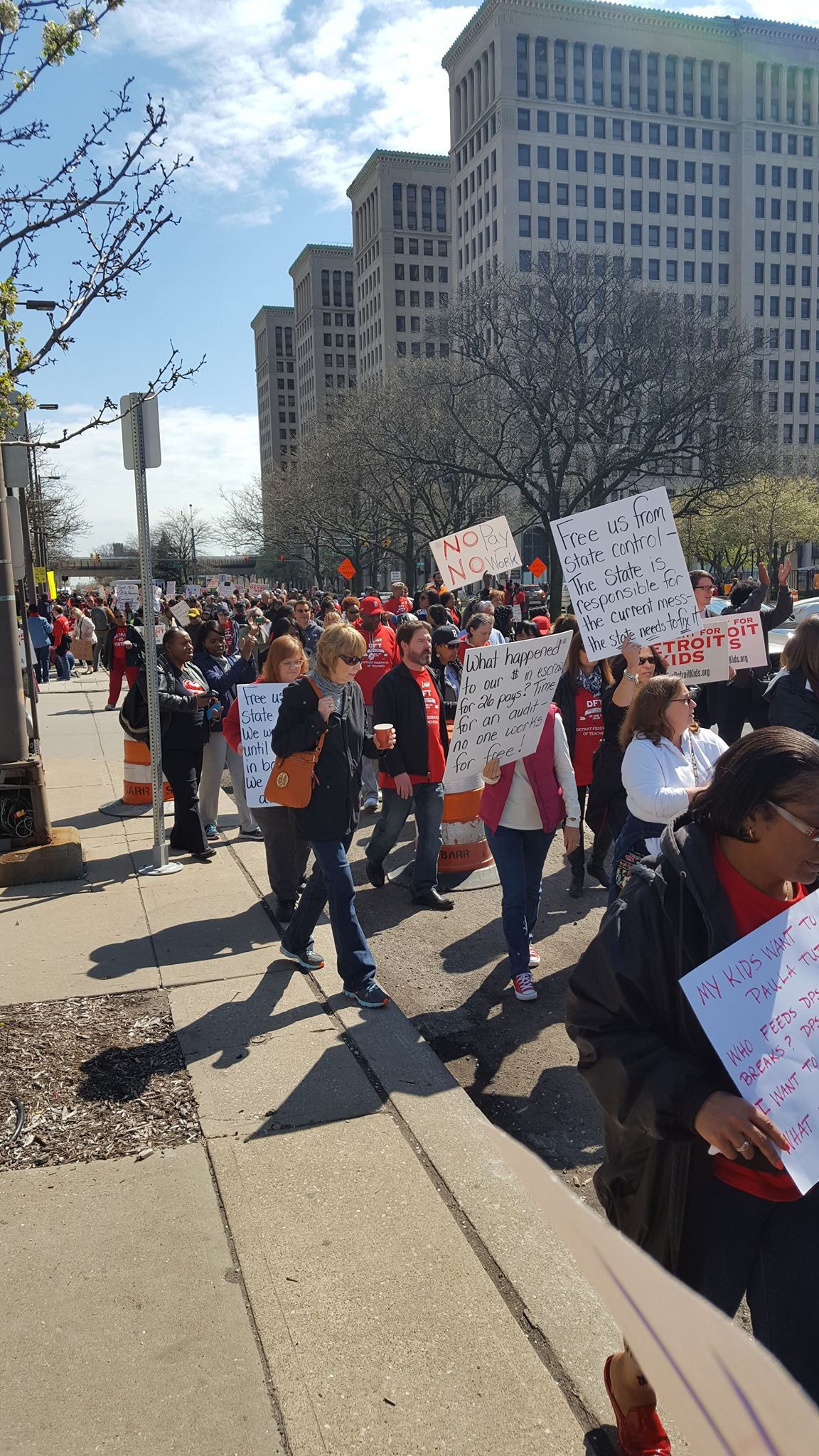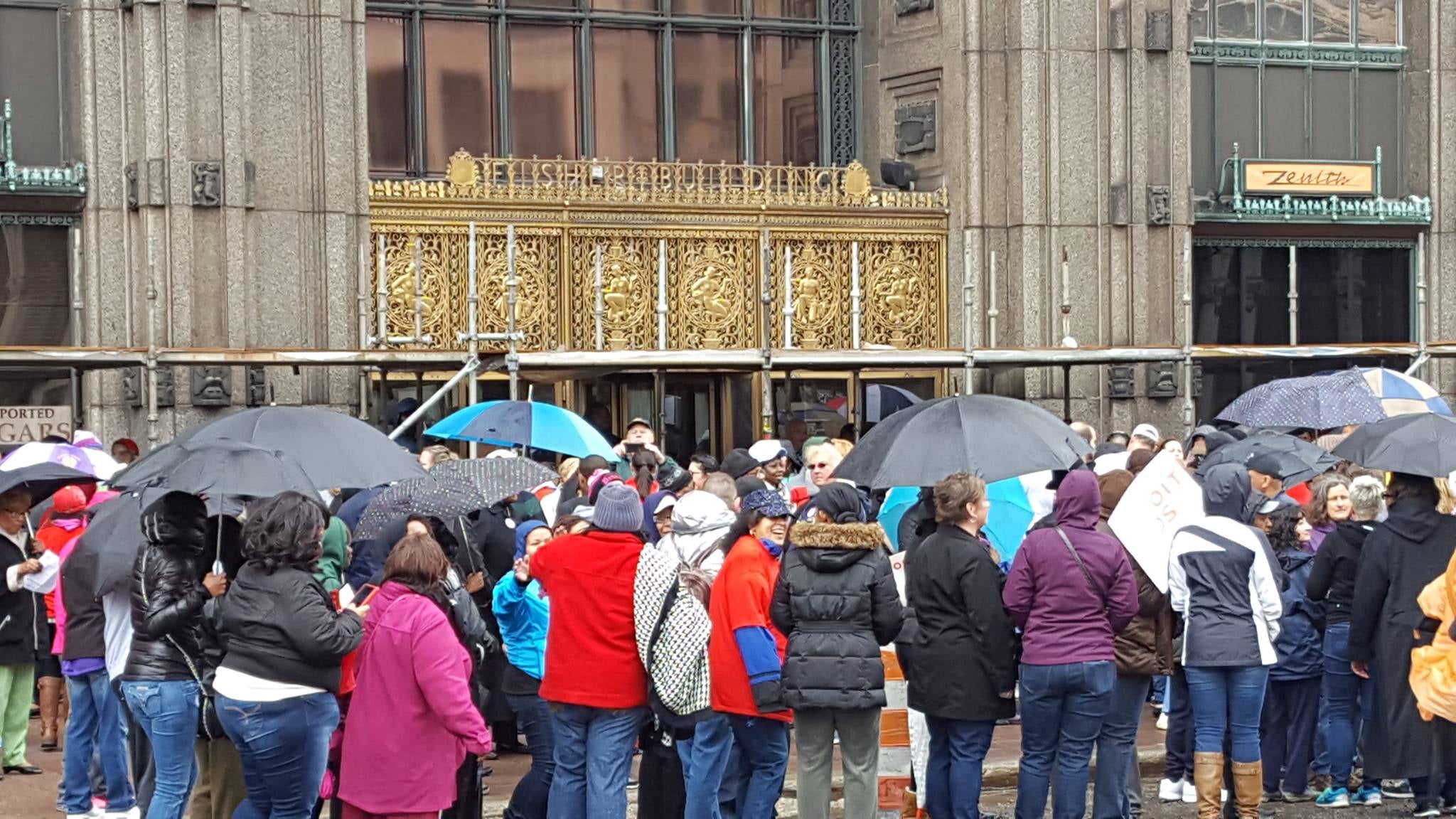
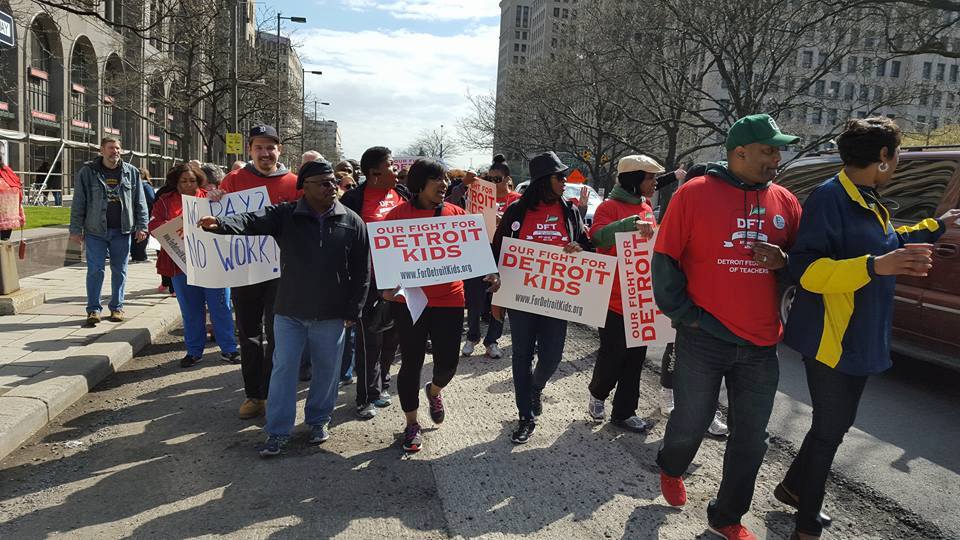
Detroit May 2-3 2016 March, Joel Berger Collection
Photo Gallery
A gallery of photos to explore.

A gallery of photos to explore.
A comprehensive bibliography of information, documents and links of U.S. labor history sites on the internet. It was developed by labor historian Rosemary Feurer for the Labor and Working Class History Association. Visit site
In 2012, the Chicago Teachers Union (CTU) issued the groundbreaking report, The Schools Chicago’s Students Deserve. The report provided a counter-narrative to ideas popular among corporate education reformers (or de-formers, as some like to say).
The Freedmen and Southern Society Project was established in 1976 to capture the essence of that revolution by depicting the drama of emancipation in the words of the participants: liberated slaves and defeated slaveholders, soldiers and civilians, common folk and the elite, Northerners and Southerners.…
In 2019, the percent of wage and salary workers who were members of unions—the union membership rate—was 10.3 percent, down by 0.2 percentage point from 2018, the U.S. Bureau of Labor Statistics reported today.
In 1820 Lowell, known as East Chelmsford, MA at the time, had a population of 200 and was a farming community. Thirty years later, the population had grown to 33,000 and one could find 32 textile mills in existence there. Lowell was an ideal location for these mills because it was located near the Merrimac River. The river supplied the water necessary to run these factories.
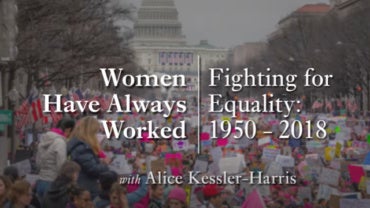
Women Have Always Worked: Fighting for Equality: 1950–2018.
An exploration from an online edX course.
When Teachers Mobilize Oral Histories
In 1977, a bill to better enforce the National Labor Relations Act (NLRA) sailed quickly through the House of Representatives. Facing a Senate filibuster, its proponents weakened the proposal—making it, according to historian Jefferson Cowie, “lean, moderate, and basically unchallenging to the corporate order.”