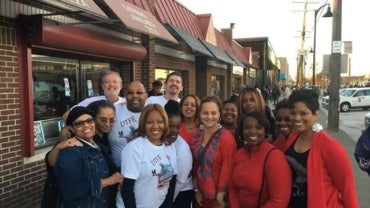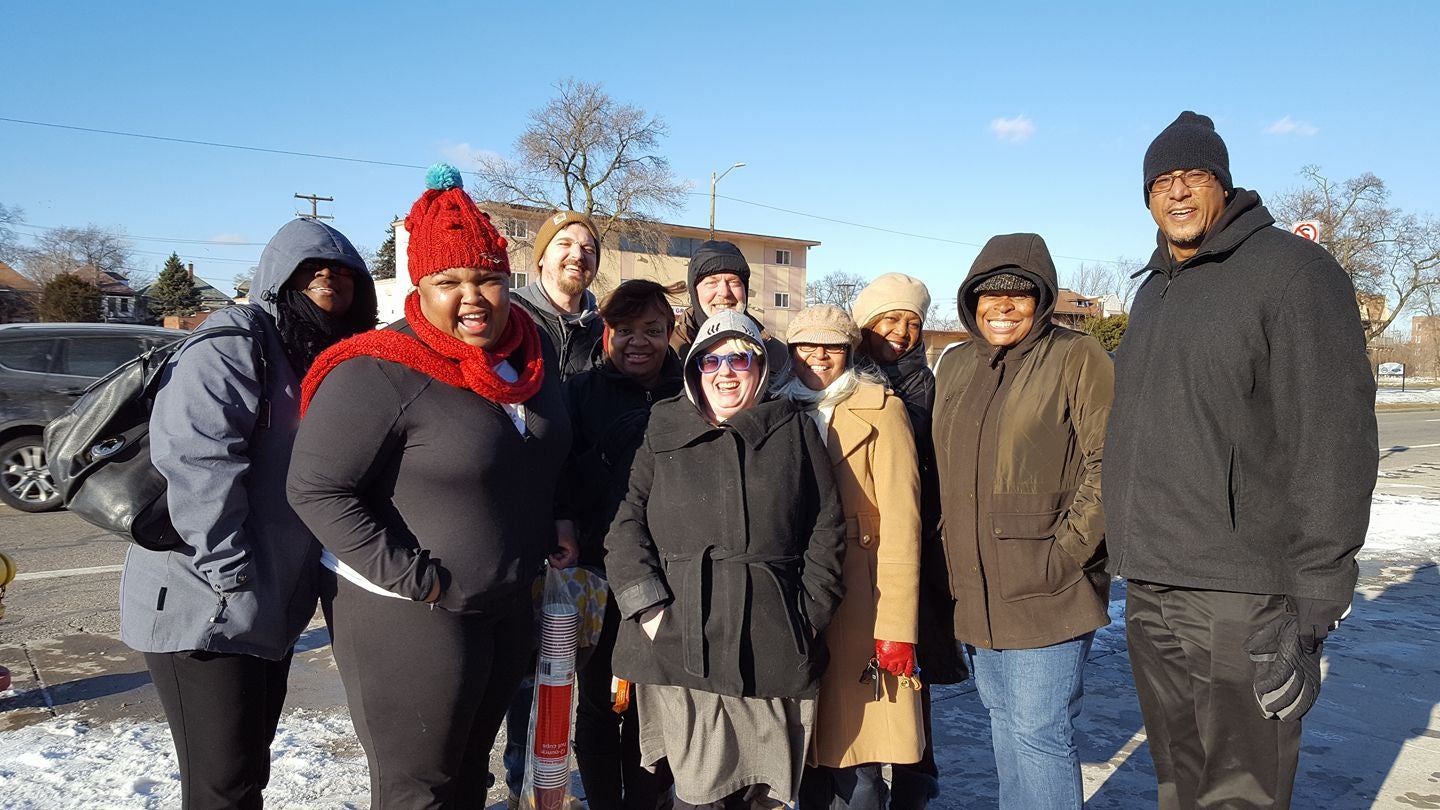


January 2017 Rally at Northwestern High, Detroit, Joel Berger Collection
Photo Gallery
A gallery of photos to explore.

A gallery of photos to explore.
This website includes what appears to be photographs from several labor unions, including the United Autoworkers (UAW), the American Federation of State, County, and Municipal Employees (AFSCME), and the American Federation of Teachers (AFT). Visit site
The Tamiment Library and Robert F. Wagner Labor Archives at New York University form a unique, internationally-known center for scholarly research on Labor and the Left. The primary focus of our collections is the complex relationship between trade unionism and progressive politics, and how this…
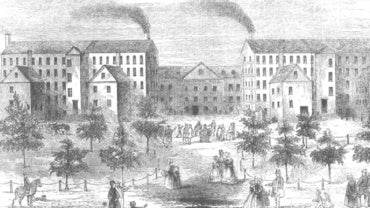
The Lowell mill girls were young female workers who came to work in industrial corporations in Lowell, Massachusetts, during the Industrial Revolution in the United States.
The Wayne State University Library System, through its digital publishing initiatives, strives to bring unique, important, or institutionally relevant content to Wayne State University’s academic community and to the larger world. Our Digital Collections represent text, images, and audiovisual material that support this mission through…
We are activist scholars — Jennifer Guglielmo, Michelle Joffroy, Diana Sierra Becerra — collaborating with the domestic workers movement (nannies, house cleaners, and home care workers) to give workers greater access to their own histories and cultures of resistance. These are educational tools for everyone to learn about these foundational histories.
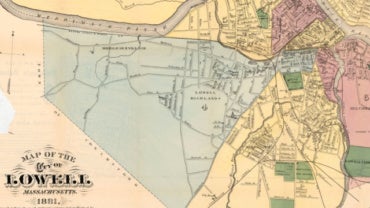
In 1820 Lowell, known as East Chelmsford, MA at the time, had a population of 200 and was a farming community. Thirty years later, the population had grown to 33,000 and one could find 32 textile mills in existence there. Lowell was an ideal location for these mills because it was located near the Merrimac River. The river supplied the water necessary to run these factories.
This website includes the records of the International Brotherhood of Teamsters and a collection of six oral histories from the National Education Association (NEA). Visit site
One of the most significant struggles for workers’ rights began on January 12, 1912, in Lawrence, Mass., when thousands of textile workers began a walkout that would come to be known as the Bread and Roses Strike, the Lawrence Textile Strike, and the Singing Strike. Read an overview and find teaching resources below.