thank you for visiting the labor history resource project as we build this resource!


This collection of life histories consists of approximately 2,900 documents, compiled and transcribed by more than 300 writers from 24 states, working on the Folklore Project of the Federal Writers’ Project, a New Deal jobs program that was part of the U.S. Works Progress (later…
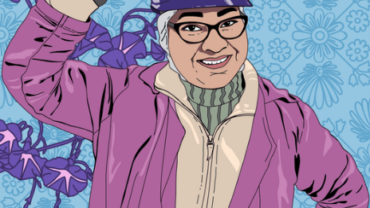
Voces from La Planta centers the voices of meatpacking workers across California, Minnesota, Colorado, Mississippi, and Washington. Workers whose labor sustains the nation, yet whose lives are too often made invisible.
The Westinghouse Works Collection contains 21 actuality films showing various views of Westinghouse companies. Most prominently featured are the Westinghouse Air Brake Company, the Westinghouse Electric and Manufacturing Company, and the Westinghouse Machine Company. The films were intended to showcase the company’s operations. Exterior and…
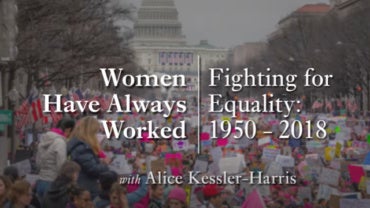
Women Have Always Worked: Fighting for Equality: 1950–2018.
An exploration from an online edX course.
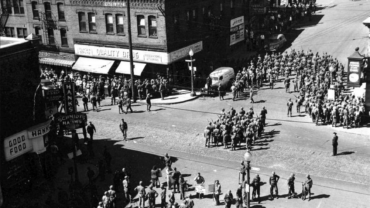
Many were home from war and wanted more than ever to live a long full life. Others had worked long days and nights during the war to feed the troops overseas as well as Americans on the home front. Some had migrated to the cities from farms and small towns looking for work.
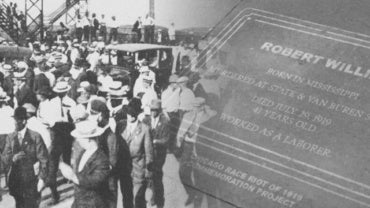
This project, directed by Peter Cole of Western Illinois University and Franklin N. Cosey-Gay of the hicago Center for Youth Violence Prevention, is working to document and commemorate the 1919 riot with an online exhibit that includes biographies of those killed. Visit site
The Wisconsin Labor History Society is a volunteer-based organization working to record and catalogue the historical labor events of Wisconsin.
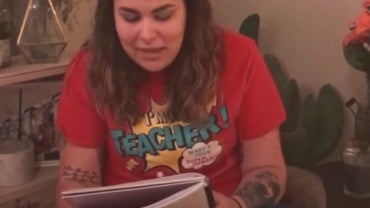
The repeated argument I hear from people who are opposed to Oklahoma teachers walking out tomorrow is “we knew what we were doing when we signed up for this.” You’re right. We did. We signed up for the hardest job in the world and putting our kids first. Here’s a poem about it.