thank you for visiting the labor history resource project as we build this resource!

This project explores the history of the IWW in its first three decades, presenting information that has never before been available. We have compiled databases of more than 1,800 strikes, campaigns, arrests, and other incidents involving IWW members and present this information both yearbook format…
The Wisconsin Labor History Society is a volunteer-based organization working to record and catalogue the historical labor events of Wisconsin.
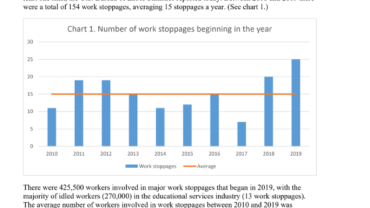
In 2019, there were 25 major work stoppages involving 1,000 or more workers and lasting at least one shift, the U.S. Bureau of Labor Statistics reported today. Between 2010 and 2019 there were a total of 154 work stoppages, averaging 15 stoppages a year.
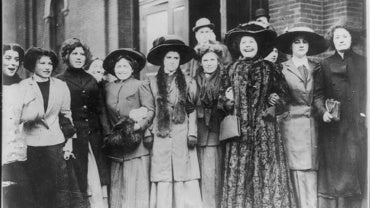
On November 23, 1909, more than 20,000 Yiddish-speaking immigrants, mostly young women in their teens and early twenties, launched an eleven-week general strike in New York’s shirtwaist industry. Dubbed the Uprising of the 20,000, it was the largest strike by women to date in American history.
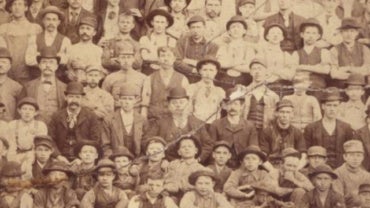
This encyclopedia appeared first as a published volume in 2004, but the published and electronic versions evolved together, part of an integrated vision of a new kind of historical encyclopedia. It includes thousands of entries, historical sources, and special features. One special feature, a map…
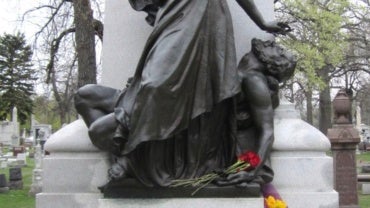
It shall be the Purpose of the Illinois Labor History Society to encourage the preservation and study of labor history materials of the Illinois Region, and to arouse public interest in the profound significance of the past to the present.
“Culture becomes not a haven of ideas or a fixed state of experience but a social imaginary erupting out of a storied cultural real.” (Stewart 1996, 63-4)
I remember the day when my father, a West Virginia University professor, accompanied some of his students to Charleston for Undergraduate Research Day at the Capitol in February 2018.