thank you for visiting the labor history resource project as we build this resource!

This encyclopedia appeared first as a published volume in 2004, but the published and electronic versions evolved together, part of an integrated vision of a new kind of historical encyclopedia. It includes thousands of entries, historical sources, and special features. One special feature, a map…
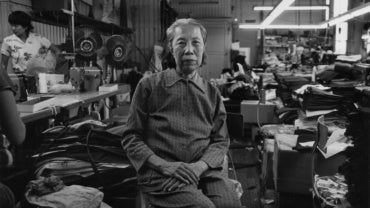
In early summer 1982 an estimated 20,000 garment workers in New York City, members of ILGWU Local 23-25 and mostly Chinese immigrant women, walked off the job in protest. This collection from LaborArts memorializes the 40th anniversary of this historic action.
This project produces and displays free interactive maps showing the historical geography of dozens of social movements that have influenced American life and politics since the start of the 20th century, including radical movements, civil rights movements, labor movements, women’s movements, and more. Until now…
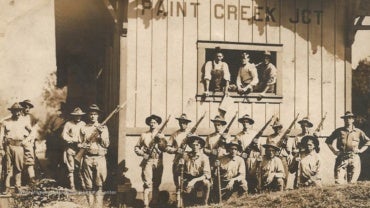
Overall mine wars resources, a major collection.
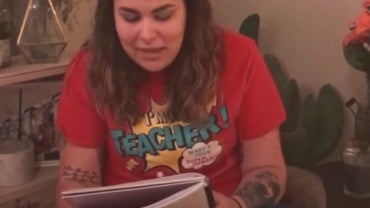
The repeated argument I hear from people who are opposed to Oklahoma teachers walking out tomorrow is “we knew what we were doing when we signed up for this.” You’re right. We did. We signed up for the hardest job in the world and putting our kids first. Here’s a poem about it.
The Iowa Labor History Oral Project (ILHOP) is an innovative statewide initiative to document Iowa’s rich labor and working class history through the collection and preservation of oral histories. A joint project of the Iowa Federation of Labor (AFL-CIO), the University of Iowa Labor Center,…
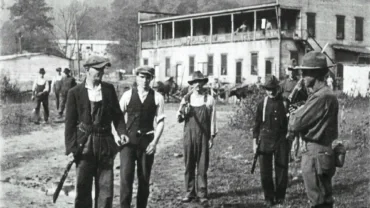
What Made the Battle of Blair Mountain the Largest Labor Uprising in American History. Its legacy lives on today in the struggles faced by modern miners seeking workers’ rights
LaborArts presents powerful images to further understanding of the past and present lives of working people. Our events and contests expand on this effort. The site includes curated Exhibits on particular subjects; the Collection, where one can search images from exhibits and other sources; and…