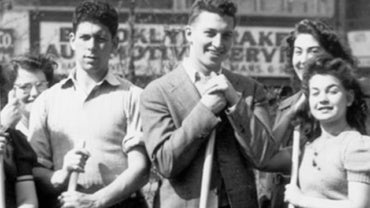
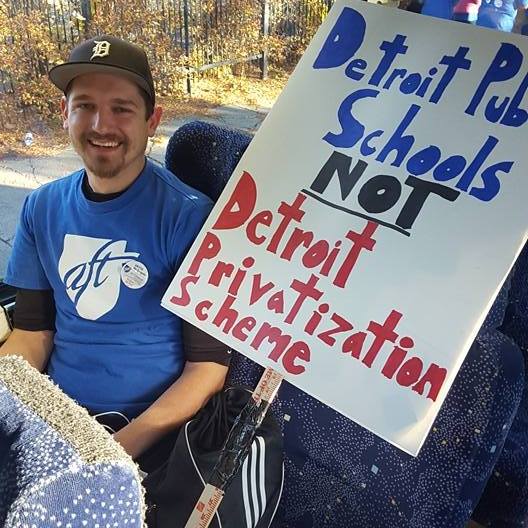
2015 Lansing March, Joel Berger Collection
Photo Gallery
A gallery of photos to explore.

A gallery of photos to explore.
A new LAWCHA initiative to develop classroom and public knowledge of labor history. Teaching Labor’s Story will be a repository of primary sources with supporting teaching guides (textual, visual, audio). Resources in the Teaching Labor’s Story repository are designed to be readily incorporated into existing…
Just in time for a new academic year, the American Social History Project at the CUNY Graduate Center is releasing a new, expanded, and updated edition of the popular textbook Who Built America? Working People and the Nation’s History. A beta version is now available…
The site has been designed around the general idea of providing diversified, nonlinear access to digital audio content. Users can choose from a number of different modes of presentation, including audio essays, a timeline, strike map, and a user-friendly, yet very accurate search engine.
If the 1960’s were known as the era of vigorous student militancy in most sectors of American education, the 1970’s may well go down in history as the decade of the angry teacher.
We are activist scholars — Jennifer Guglielmo, Michelle Joffroy, Diana Sierra Becerra — collaborating with the domestic workers movement (nannies, house cleaners, and home care workers) to give workers greater access to their own histories and cultures of resistance. These are educational tools for everyone to learn about these foundational histories.
In 1907, Grace Strachan, a school principal and leader of New York’s Interborough Association of Women Teachers (IAWT), explained the significance of the organized teachers’ campaign. “I don’t think any of us are working simply for our own interests,” she offered.