Primary Source Guide for HIST 250 Spring 2021: Mine Wars – West Virginia University
History Site
Overall mine wars resources, a major collection.

Overall mine wars resources, a major collection.
A comprehensive bibliography of information, documents and links of U.S. labor history sites on the internet. It was developed by labor historian Rosemary Feurer for the Labor and Working Class History Association. Visit site
A new LAWCHA initiative to develop classroom and public knowledge of labor history. Teaching Labor’s Story will be a repository of primary sources with supporting teaching guides (textual, visual, audio). Resources in the Teaching Labor’s Story repository are designed to be readily incorporated into existing…
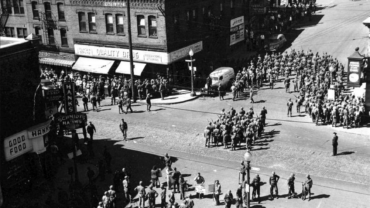
Many were home from war and wanted more than ever to live a long full life. Others had worked long days and nights during the war to feed the troops overseas as well as Americans on the home front. Some had migrated to the cities from farms and small towns looking for work.
The CIO transformed American labor and American politics. Defying the American Federation of Labor’s commitment to craft unionism, the Committee for Industrial Organization was established in 1935 by leaders of the United Mine Workers and other AFL unions who embraced industrial union organizing strategies.
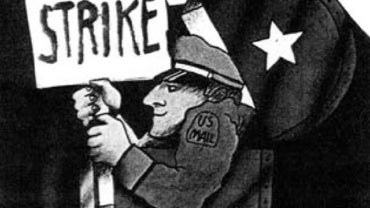
The wildcat Postal strike that began on March 18, 1970 signaled the end of collective begging and the beginning of collective bargaining that raised hundreds of thousands of postal workers, craft and management, from poverty level wages to middle class wage earners.
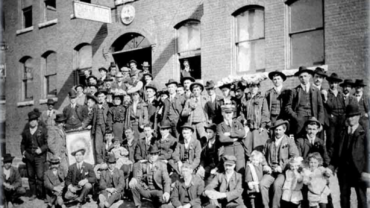
The Barre Historical Society is the historical society for the City of Barre, Vermont. It is the owner of two historic buildings, the Socialist Labor Party Hall National Historic Landmark and the Union Cooperative Store bakery building, being restored as the Rise Up Bakery.

Prelinger Archives was founded in 1983 by Rick Prelinger in New York City. Over the next twenty years, it grew into a collection of over 60,000 “ephemeral” (advertising, educational, industrial, and amateur) films. In 2002, the film collection was acquired by the Library of Congress,…