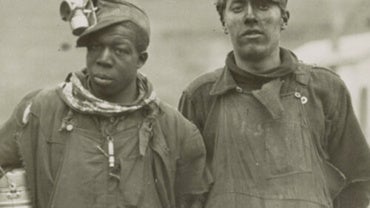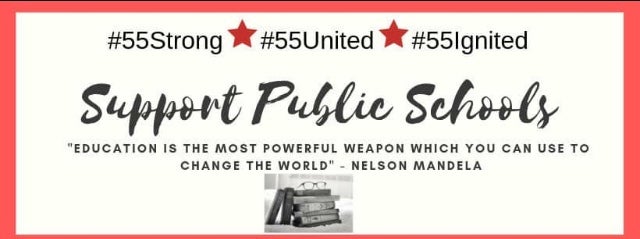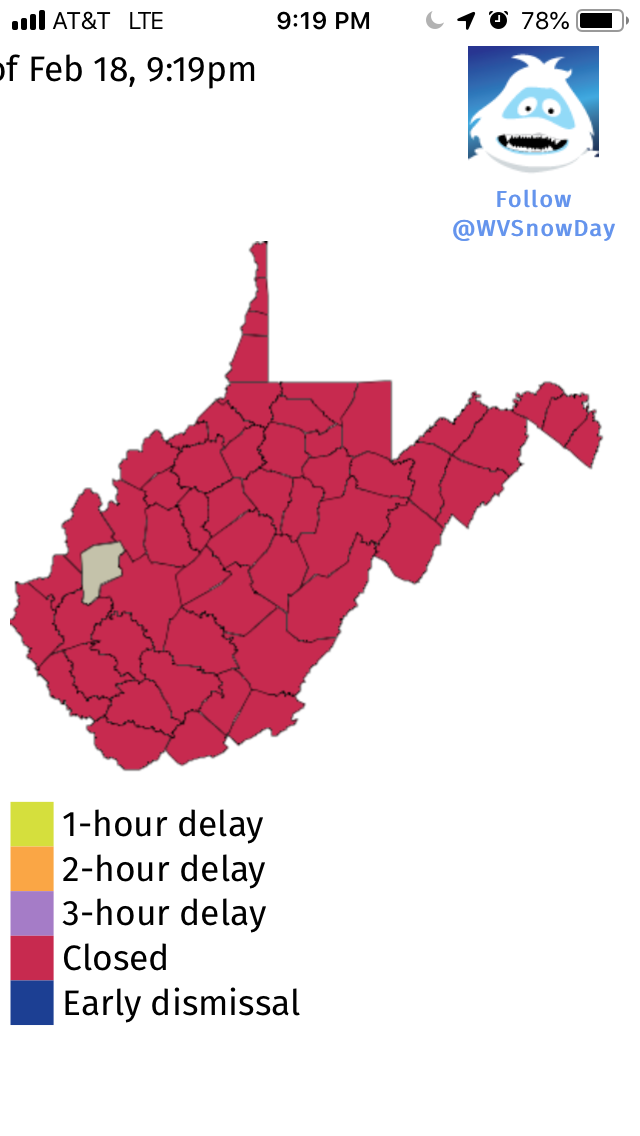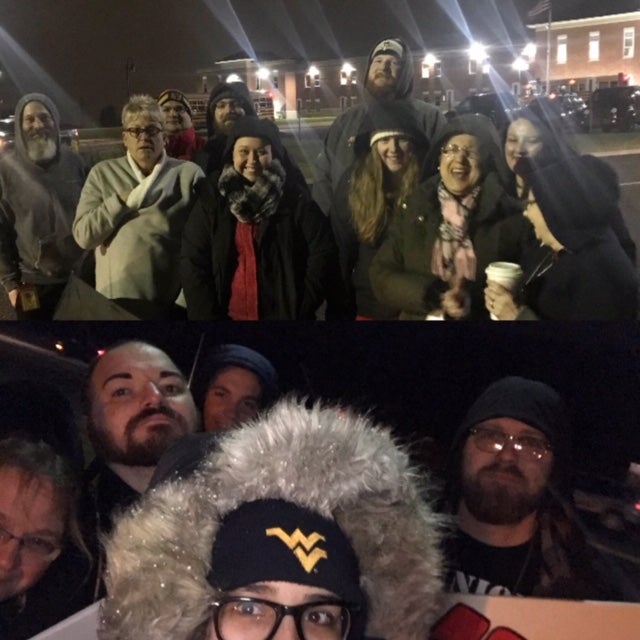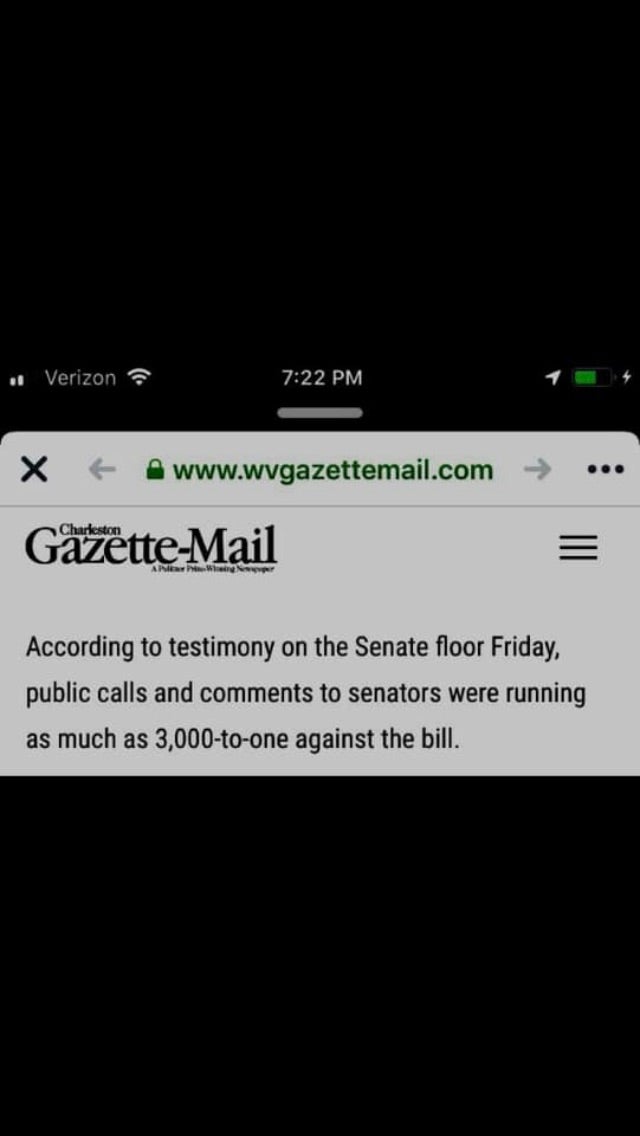

Gallery from 2019 Monongalia County, West Virginia, Carrie Beatty Collection
Photo Gallery
A gallery of photos to explore.

A gallery of photos to explore.
The Wisconsin Labor History Society is a volunteer-based organization working to record and catalogue the historical labor events of Wisconsin.
In the town of Matewan, the West Virginia Mine Wars Museum sits at the site of a historic battle which erupted in May of 1920, setting into motion a chain of events that led to the largest armed uprising in the United States since our civil war.
Through the Montana Memory Project, the Montana Historical Society has created a rich archive of hundreds of interviews detailing the history of workers in key industries in Montana. The interviews capture the stories of laborers, labor leadership, and support industry workers, from the expansion in…
The Pacific Northwest Antiwar and Radical History Project is a multimedia web project that aims to chronicle the social impact of war and the rich history of antiwar activity in the Northwest. With video oral histories, hundreds of photographs and documents, GI underground newspapers, movement…
This bibliography contains a number of titles dealing with “workers,” the “world of work” generally, and “labor law” in particular, so as to account for some of the more compelling reasons we should assiduously attend to the complex economic and moral questions (the former often…
This site brings together information about the history and ongoing influence of newspapers and periodicals published by unions, labor councils, and radical organizations in the Pacific Northwest. Labor newspapers have been a critical part of American labor movements since the early 19th century and an…
In 2012, the Chicago Teachers Union (CTU) issued the groundbreaking report, The Schools Chicago’s Students Deserve. The report provided a counter-narrative to ideas popular among corporate education reformers (or de-formers, as some like to say).
The wildcat Postal strike that began on March 18, 1970 signaled the end of collective begging and the beginning of collective bargaining that raised hundreds of thousands of postal workers, craft and management, from poverty level wages to middle class wage earners.