
thank you for visiting the labor history resource project as we build this resource!

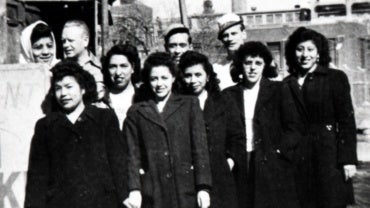
The Iowa Labor History Society is a non-profit made up of individuals and affiliate organizations that have joined together to preserve and promote the rich history of Iowa’s workers—the lives, labors, and struggles that shaped the history of our state.

LaborArts presents powerful images to further understanding of the past and present lives of working people. Our events and contests expand on this effort. The site includes curated Exhibits on particular subjects; the Collection, where one can search images from exhibits and other sources; and…
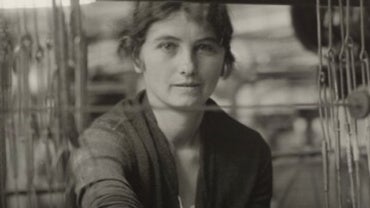
Though it’s a relatively recent field of study, women’s history is inscribed across all of the Harvard Library holdings gathered since 1638. By examining those holdings afresh and querying them in a new and feminist light, the curators of the Women Working collection have aggregated…
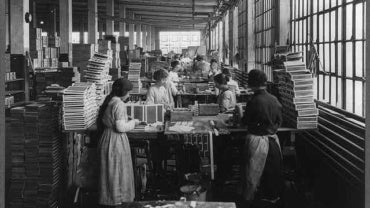
The National Labor Union was founded on August 20, 1866, in Baltimore, Maryland. It was the first attempt to create a national labor group in the United States and one of their first actions was the first national call for Congress to mandate an 8-hour work day.
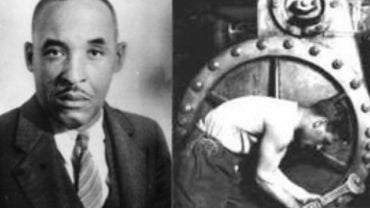
From early in the 19th century through recent years, the Mahoning Valley has drawn new migrants and immigrants seeking economic opportunities and new homes. As those families settled in the area, they created the diverse cultural mix of our present day community. They brought new…
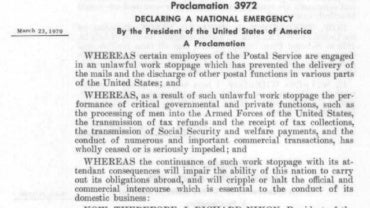
“Wildcat” strikes, like the one that teachers used effectively in West Virginia in February/March of this year, are when union members walk off the job despite the wishes of their leadership. By definition, they are something uncontrollable and spontaneous.
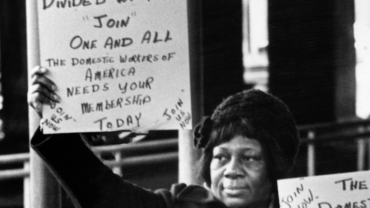
We are activist scholars — Jennifer Guglielmo, Michelle Joffroy, Diana Sierra Becerra — collaborating with the domestic workers movement (nannies, house cleaners, and home care workers) to give workers greater access to their own histories and cultures of resistance. These are educational tools for everyone to learn about these foundational histories.