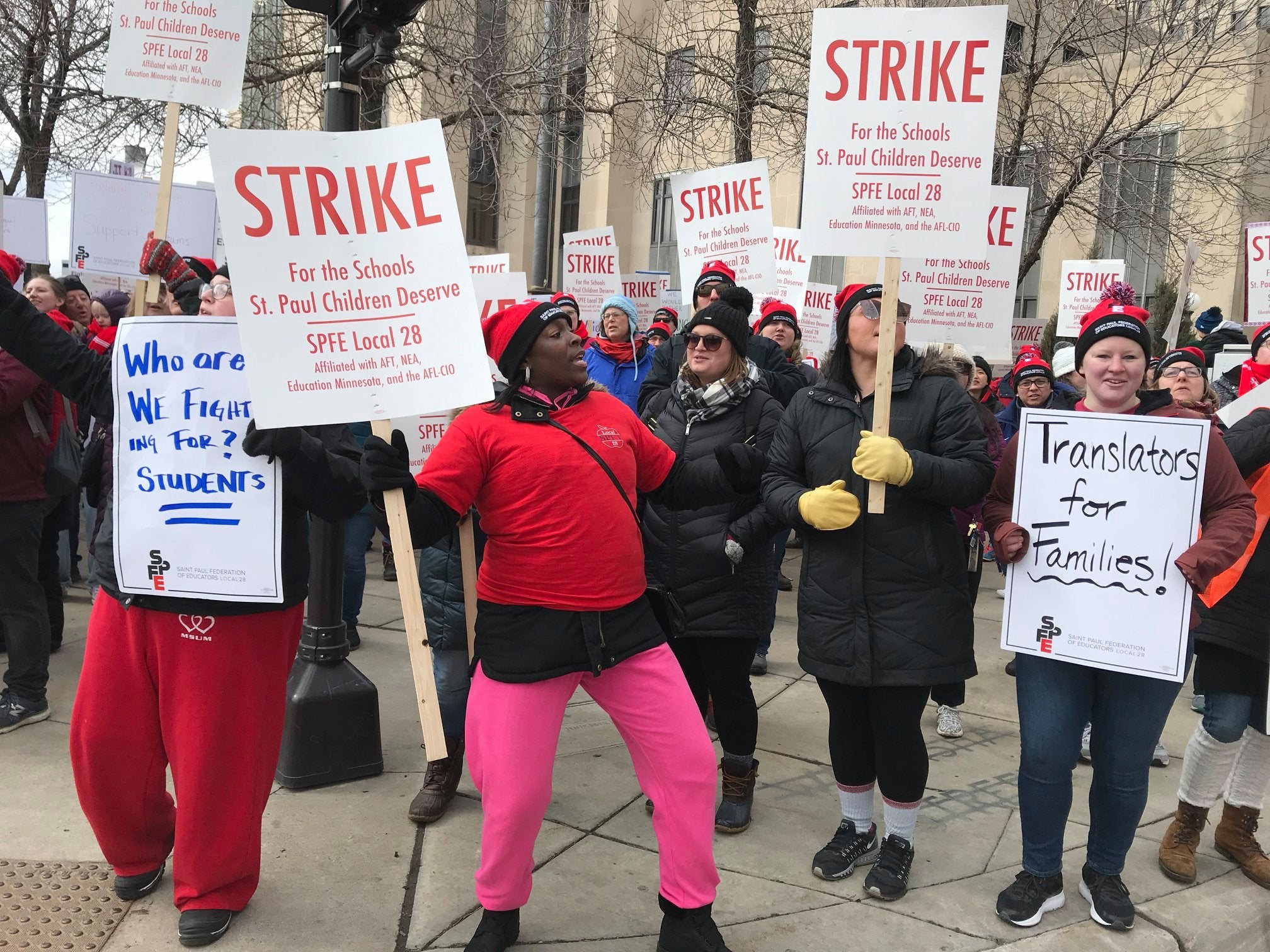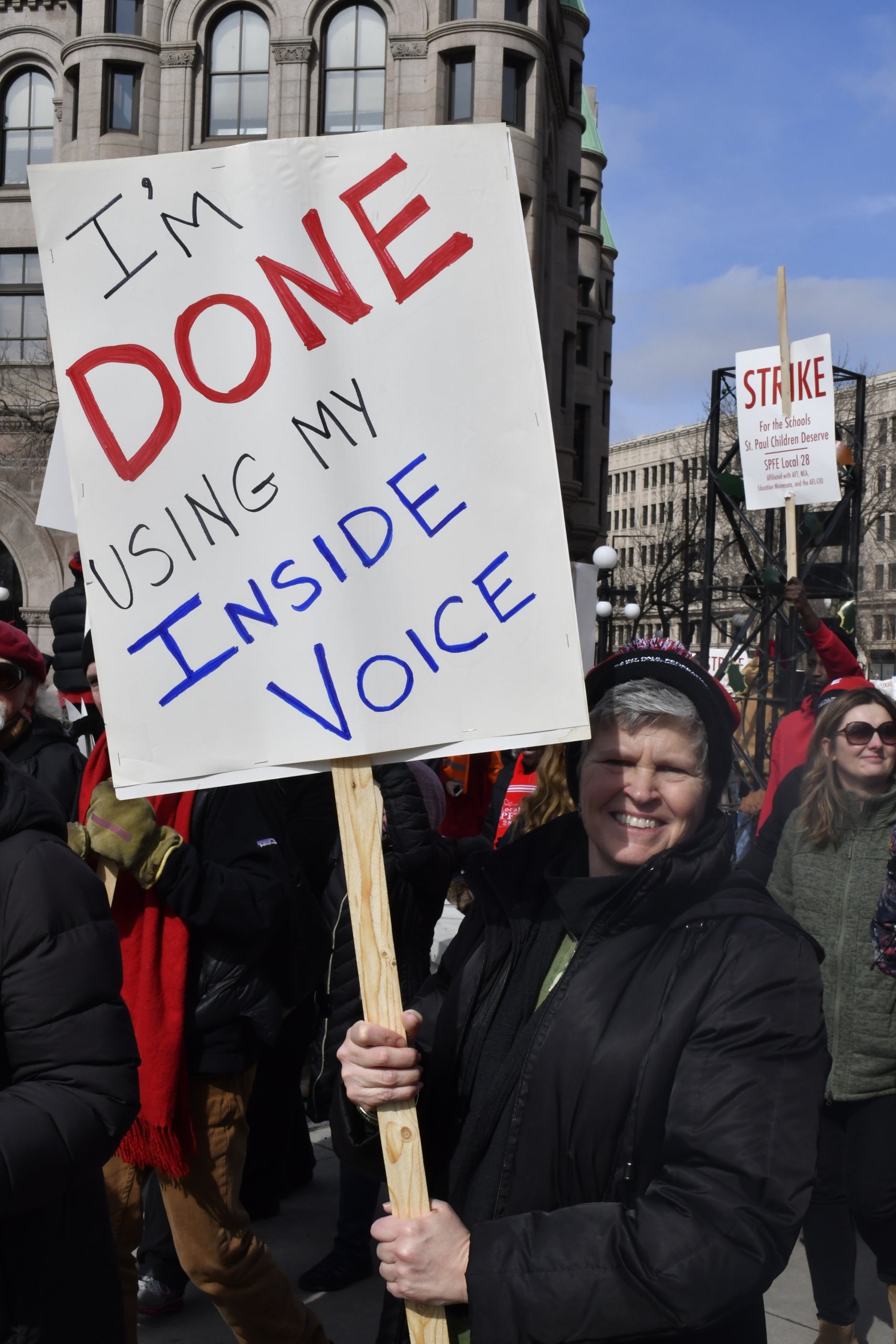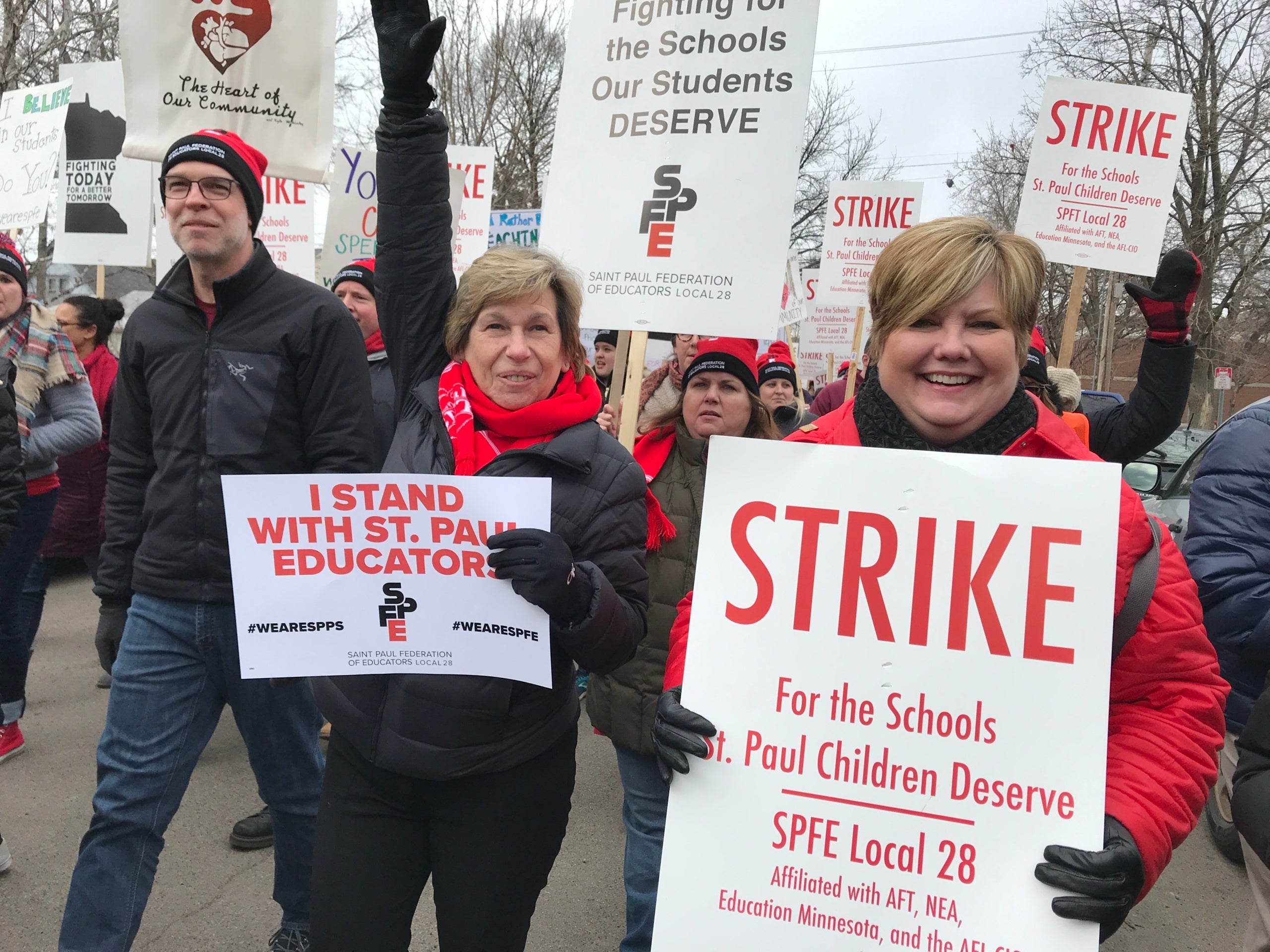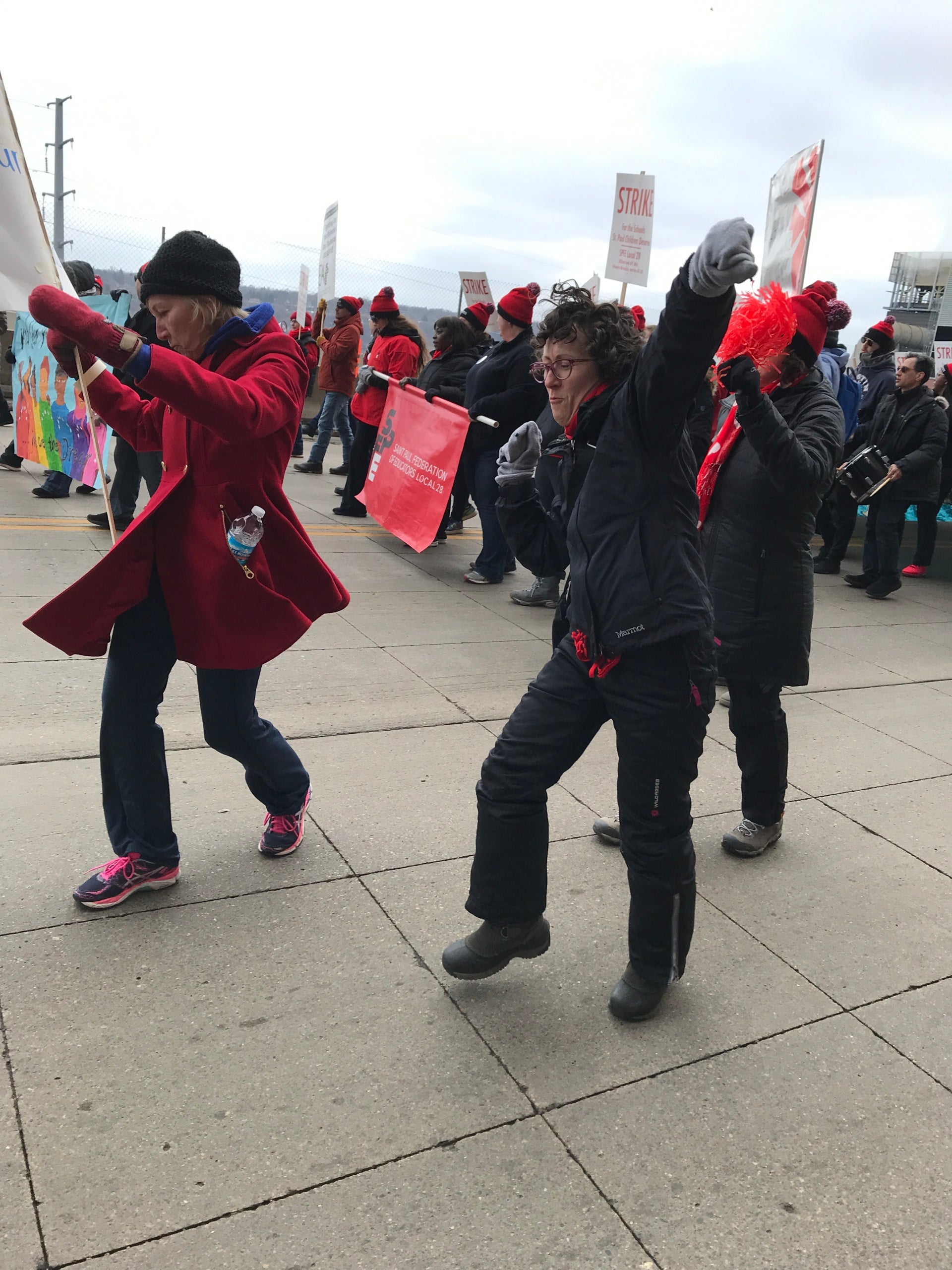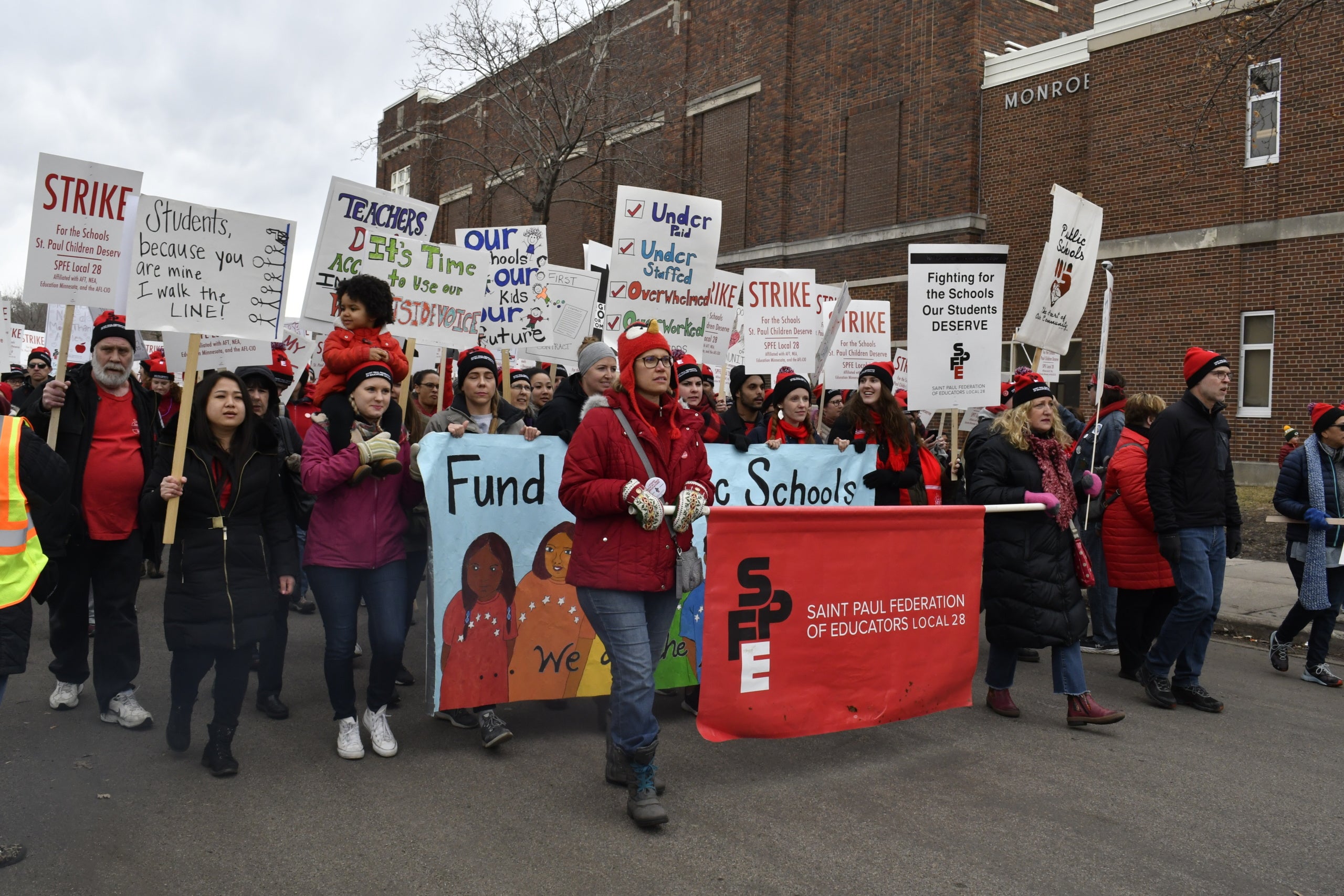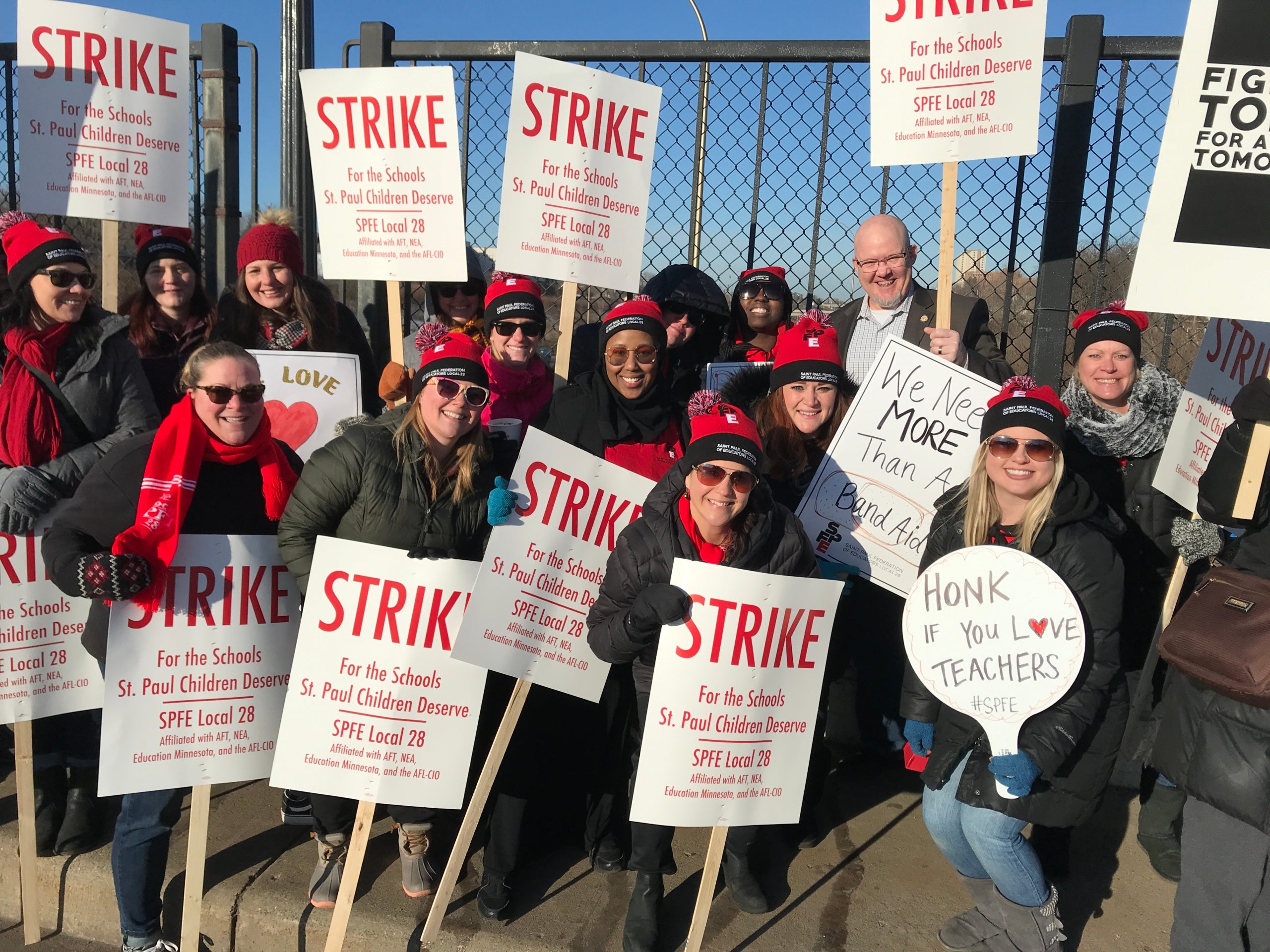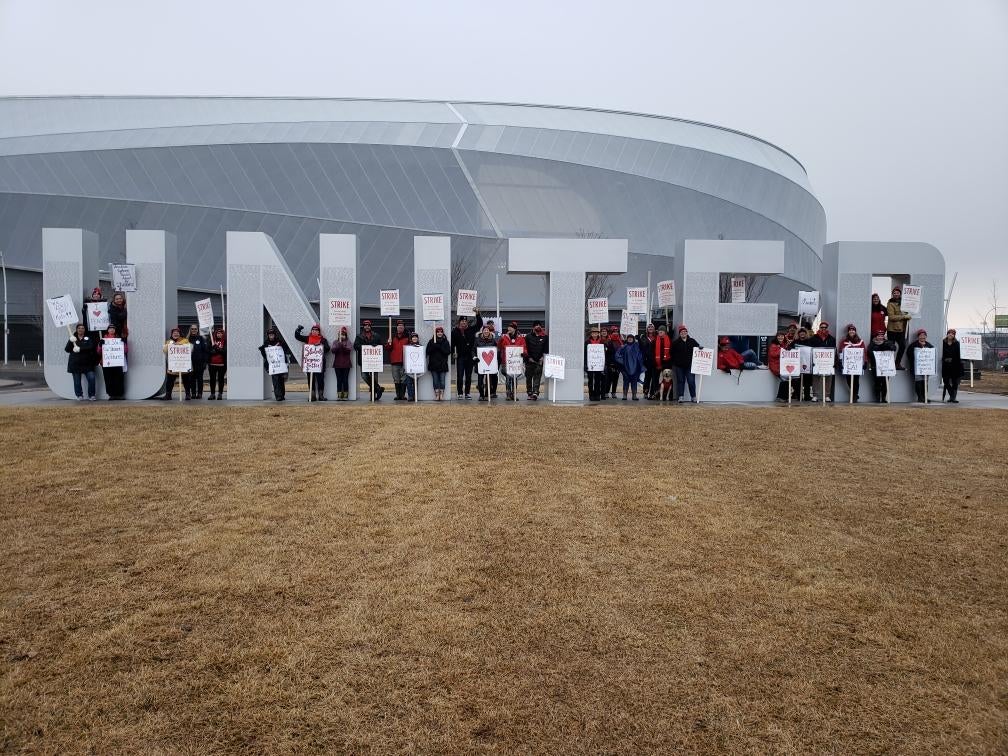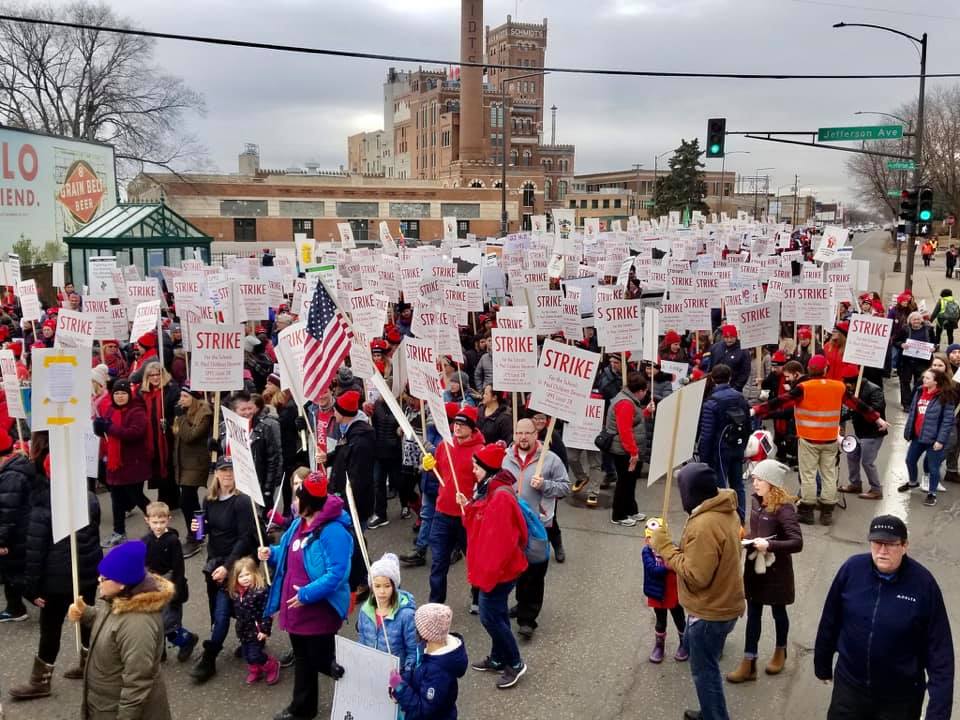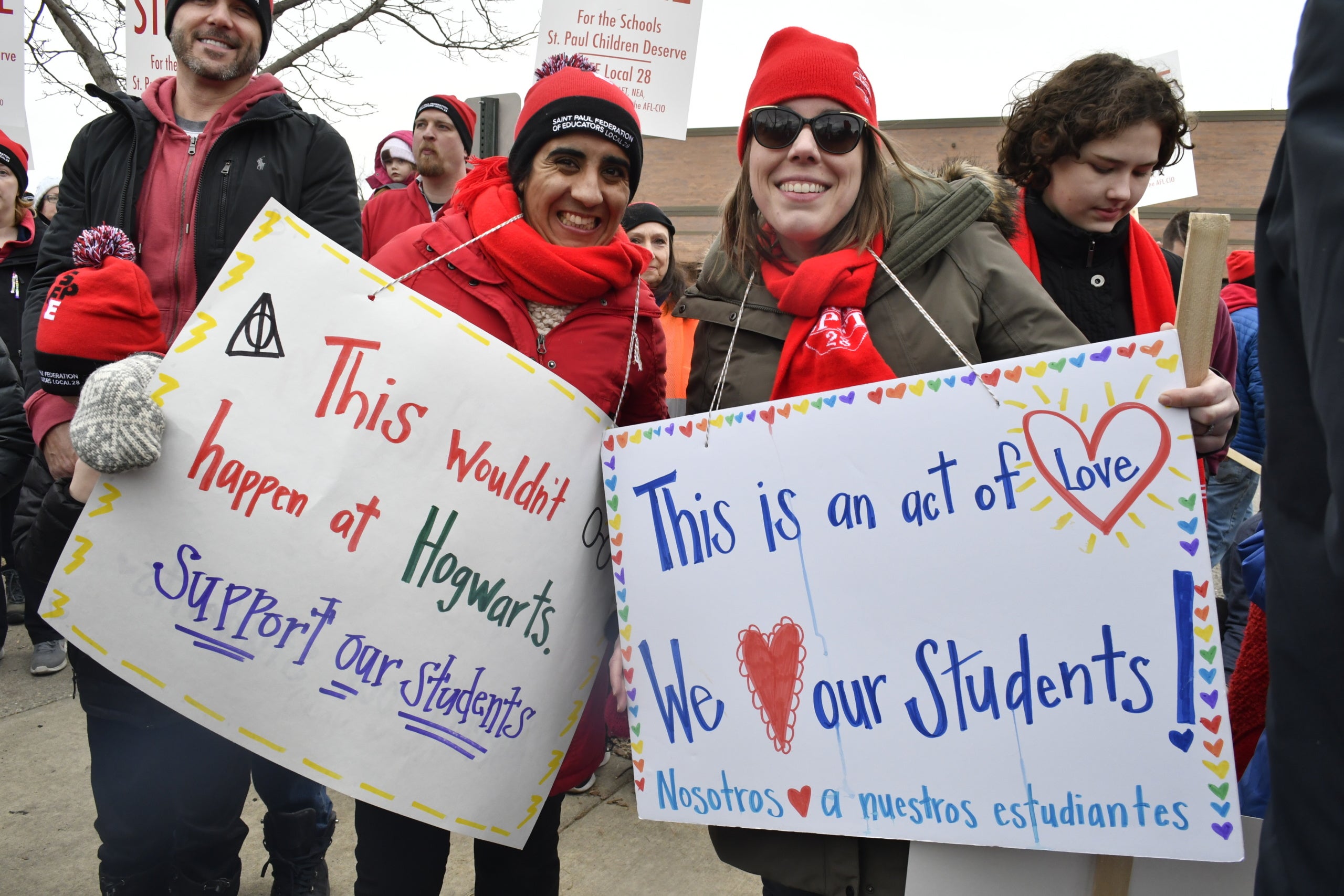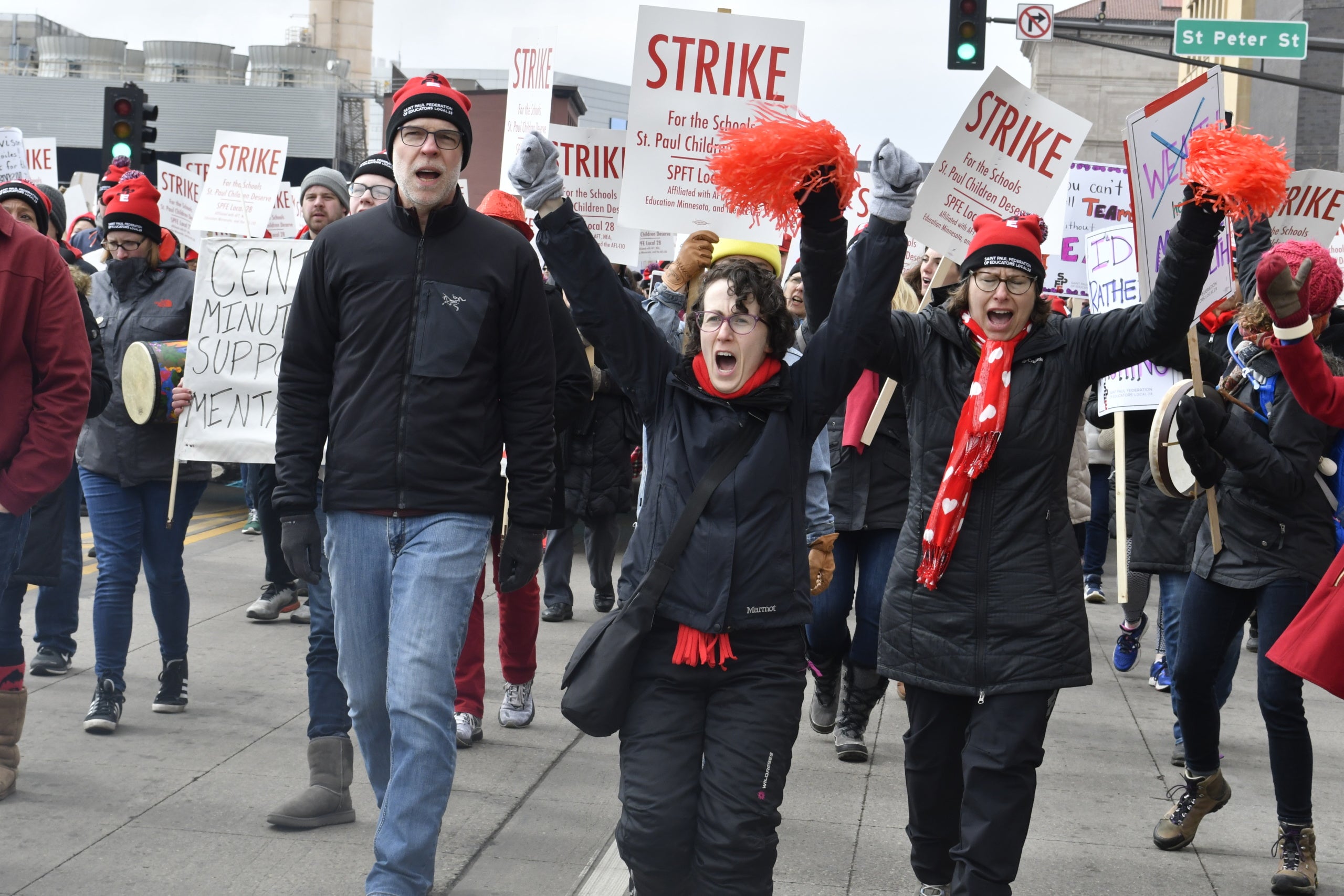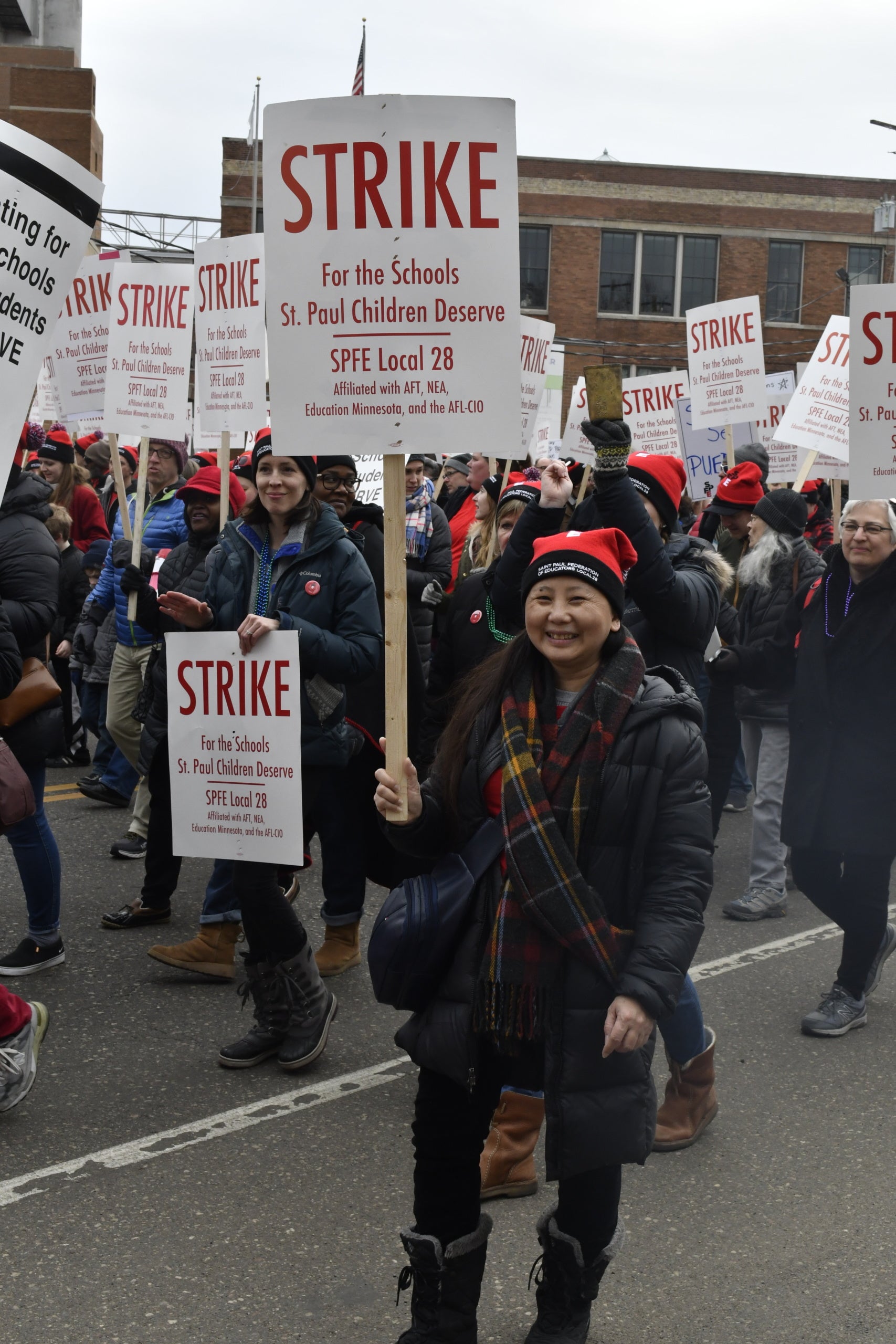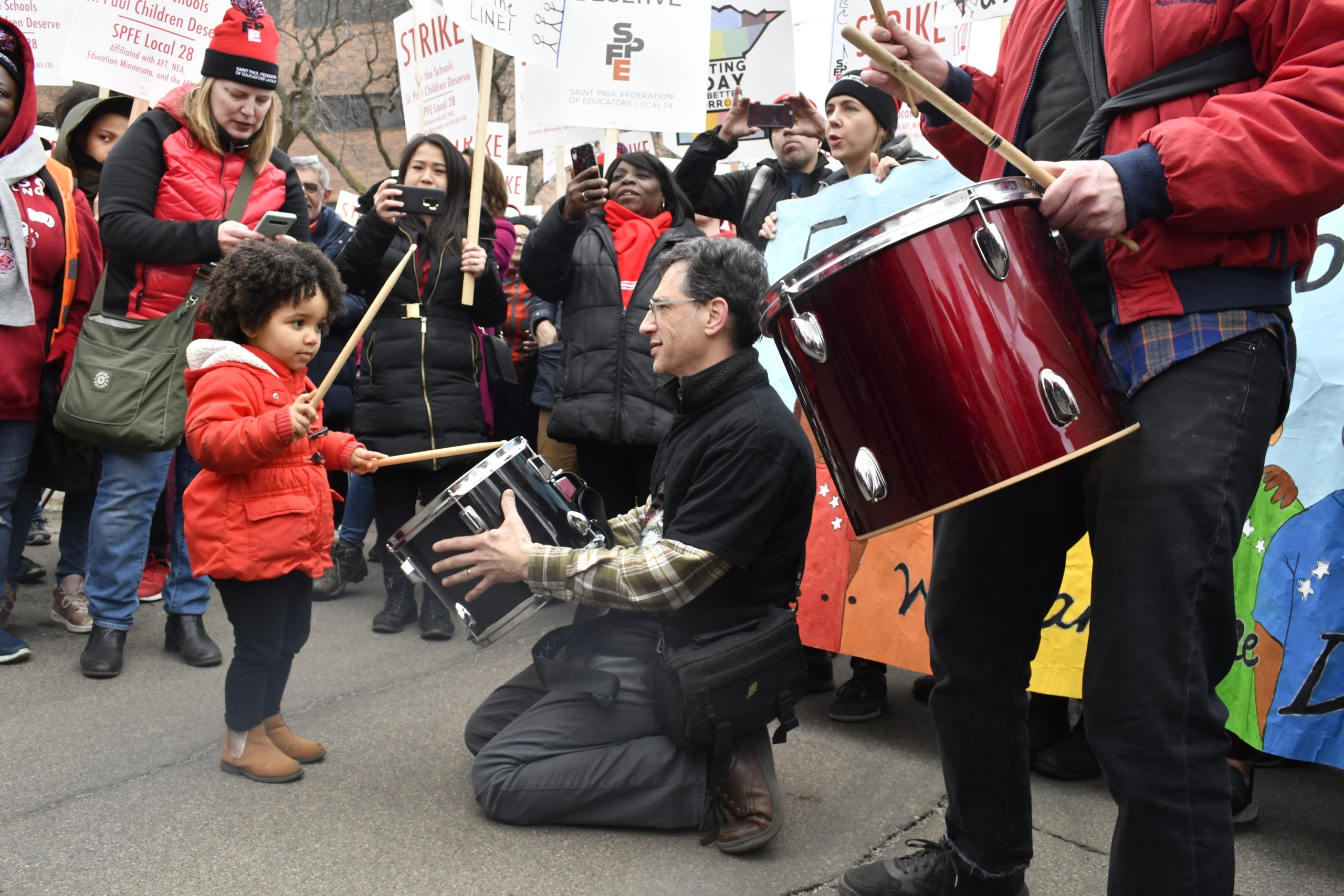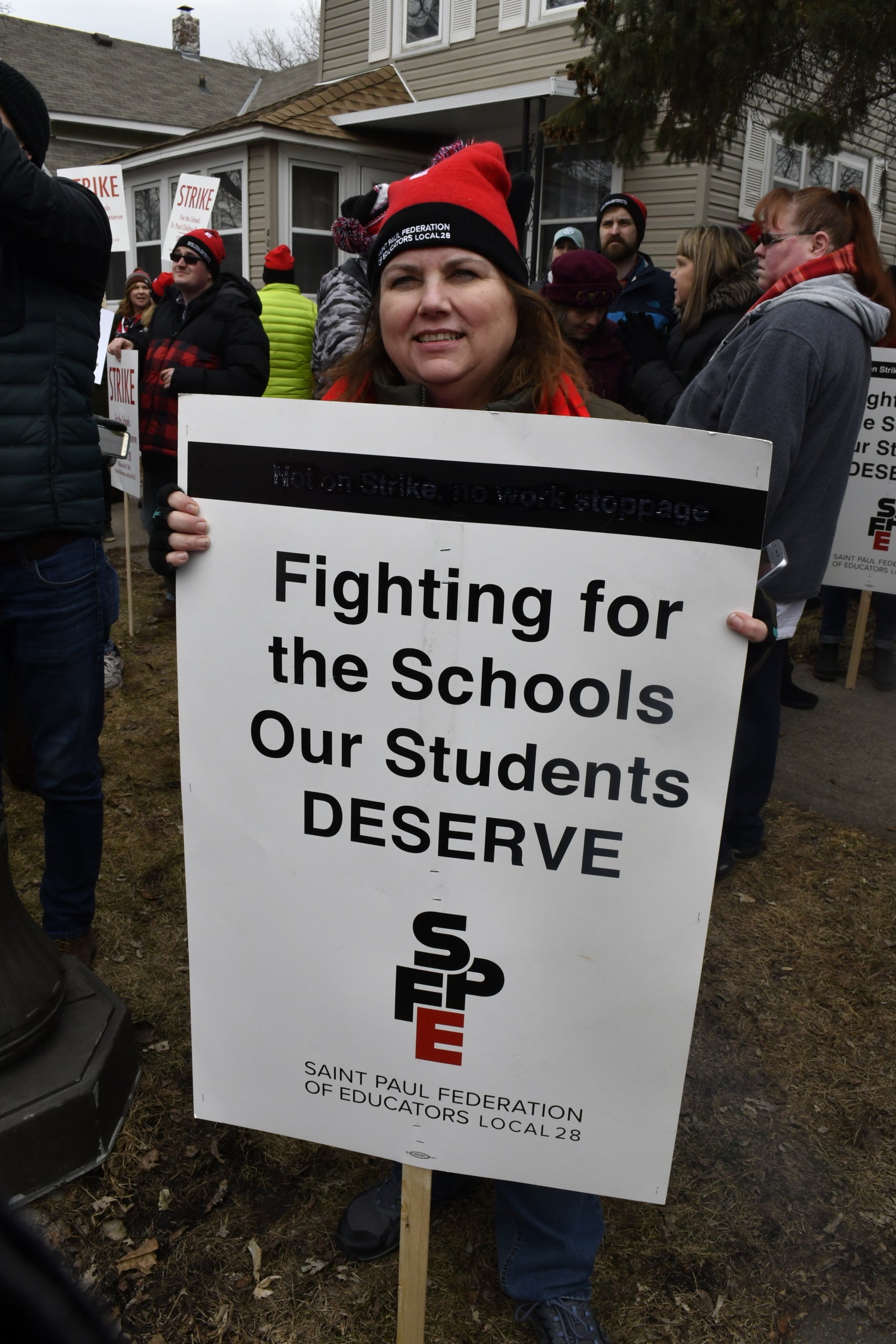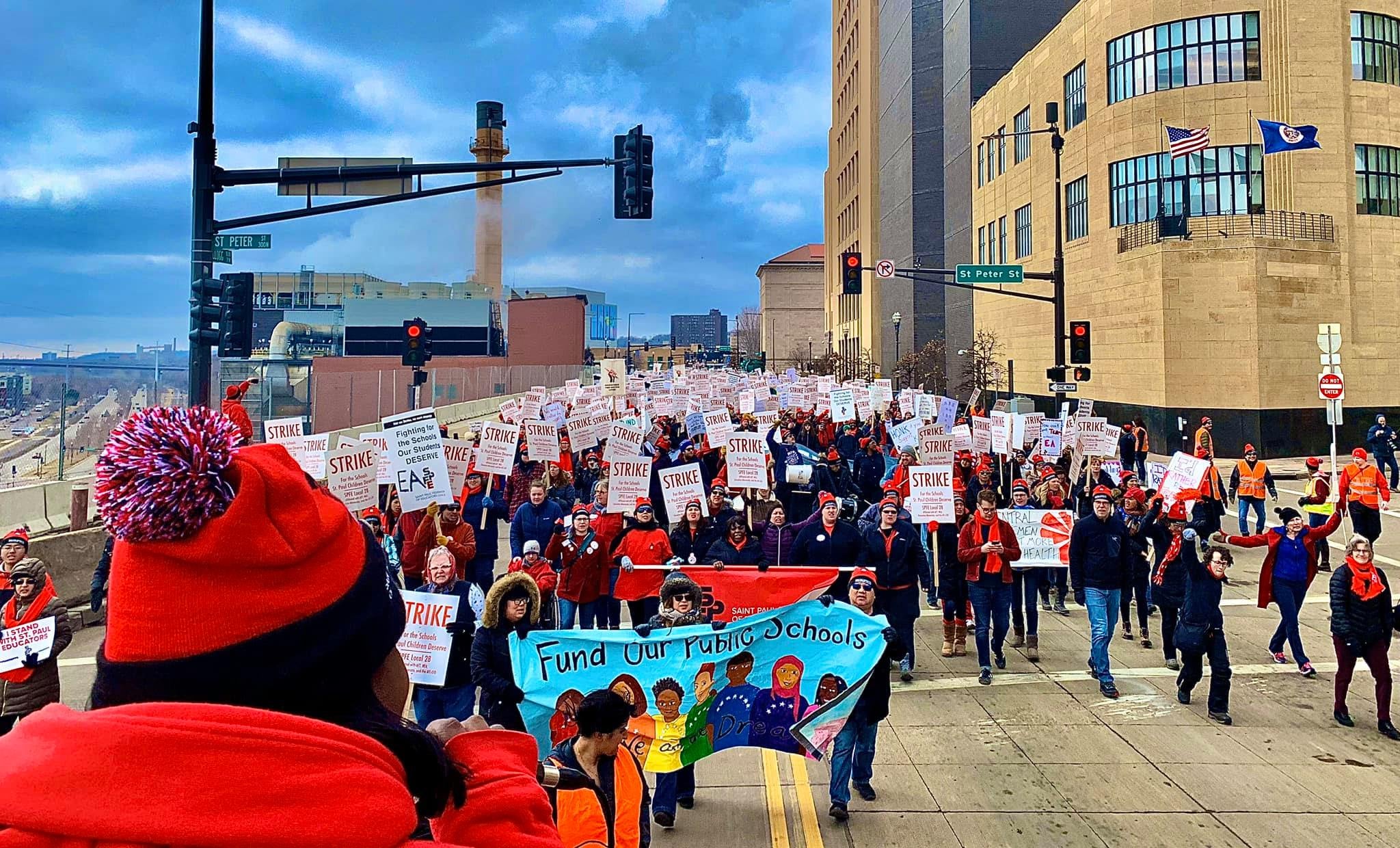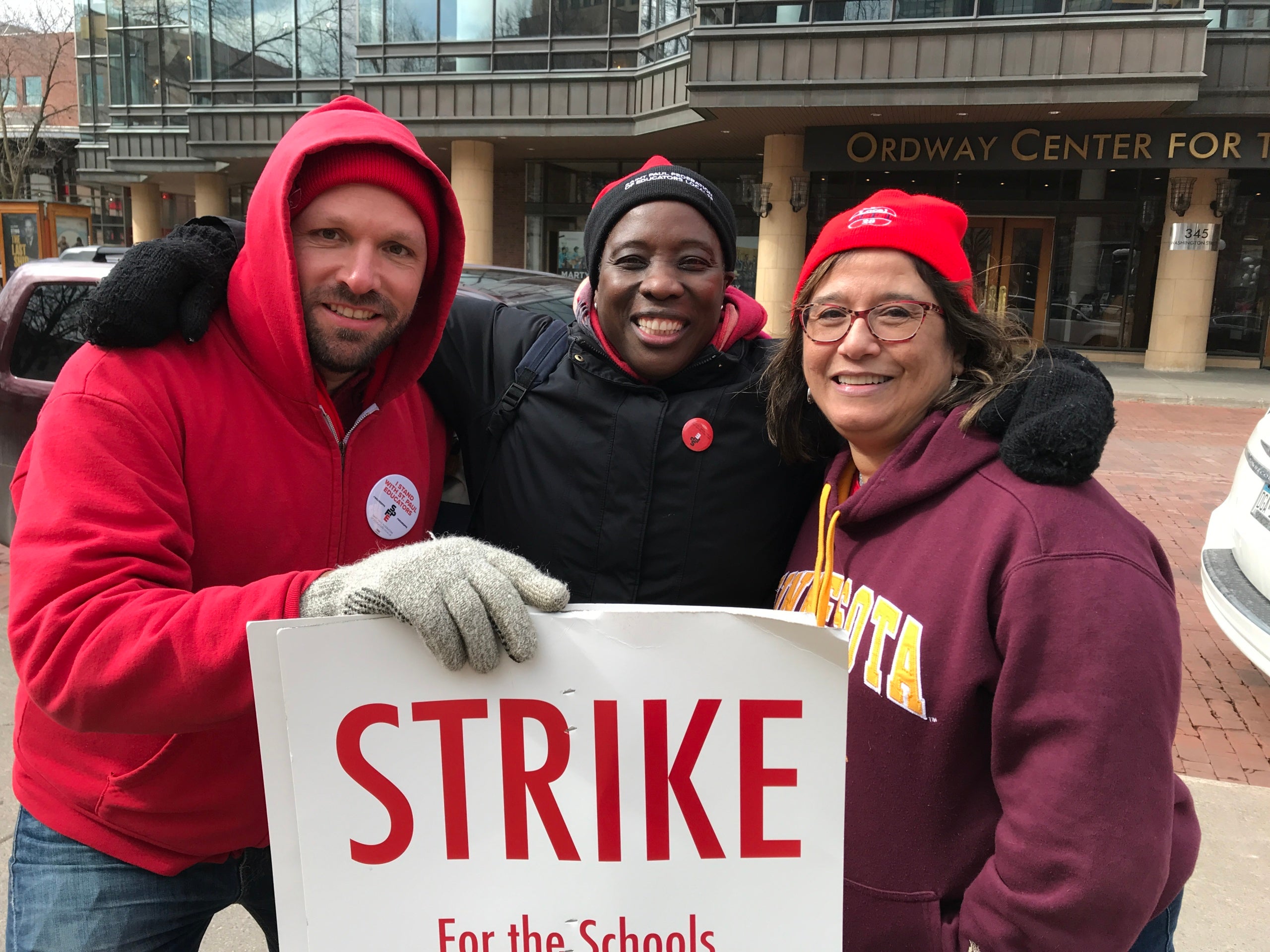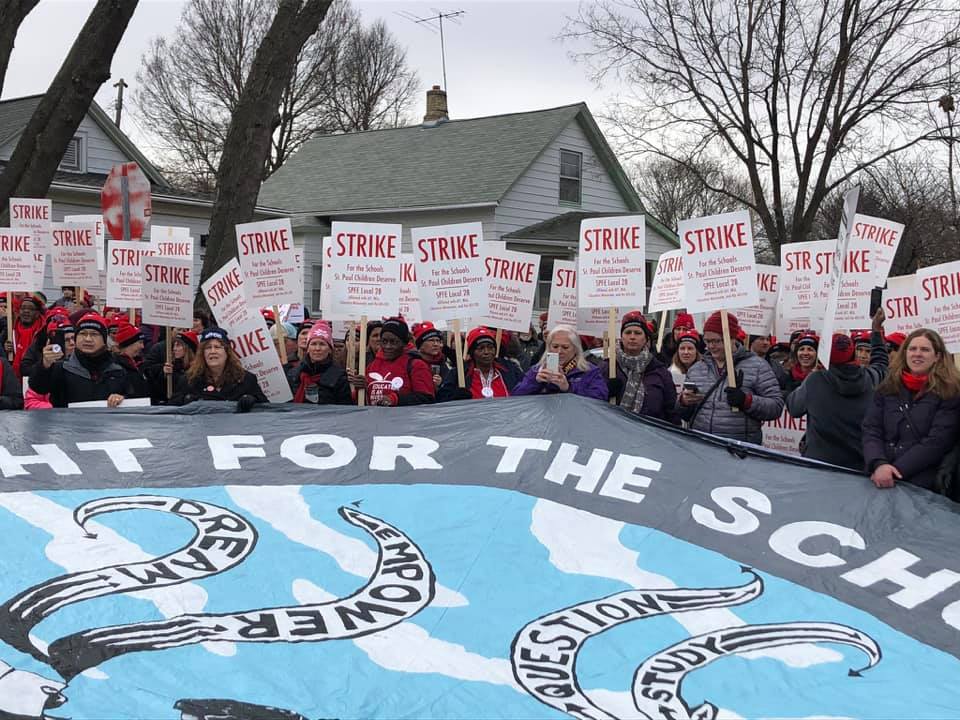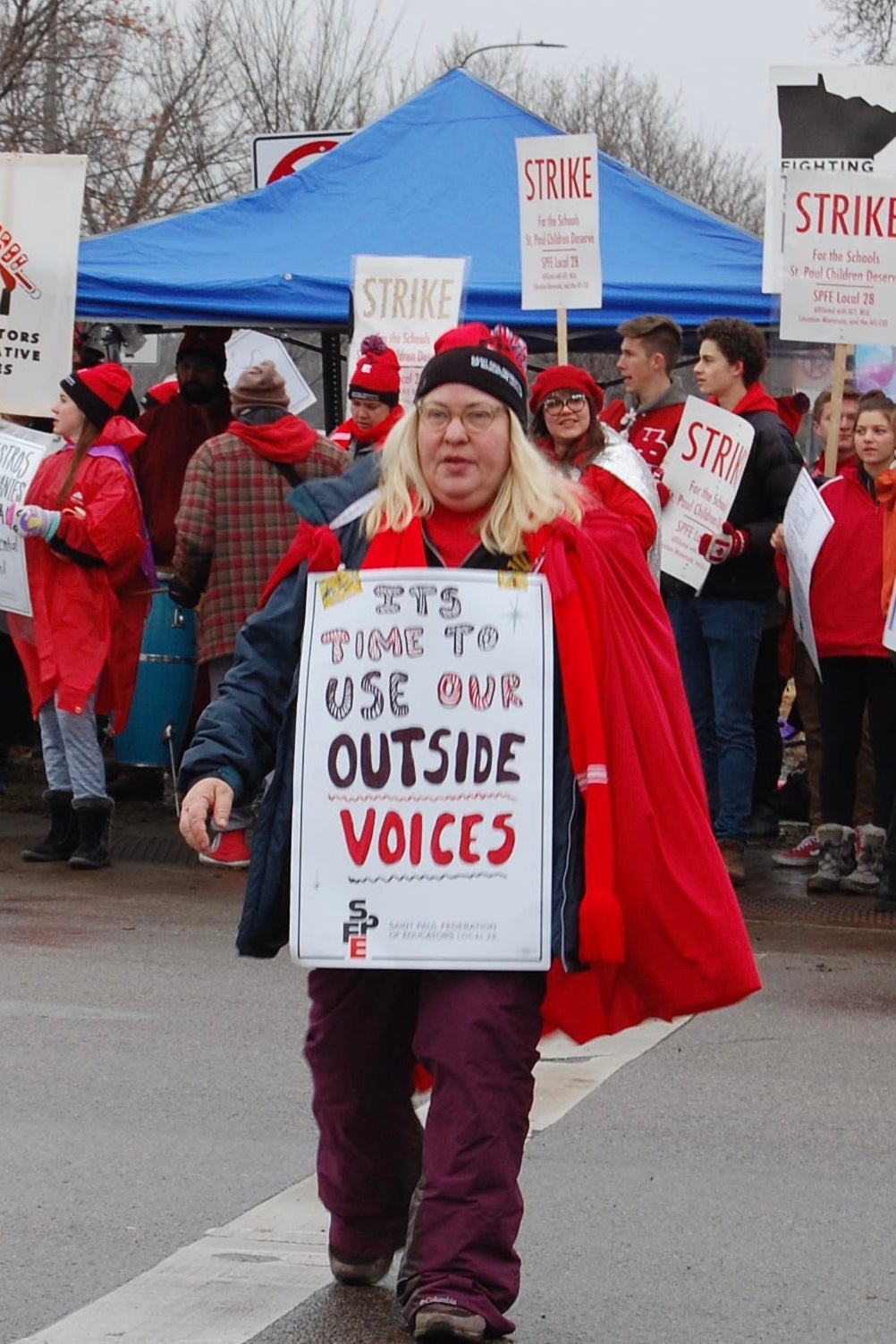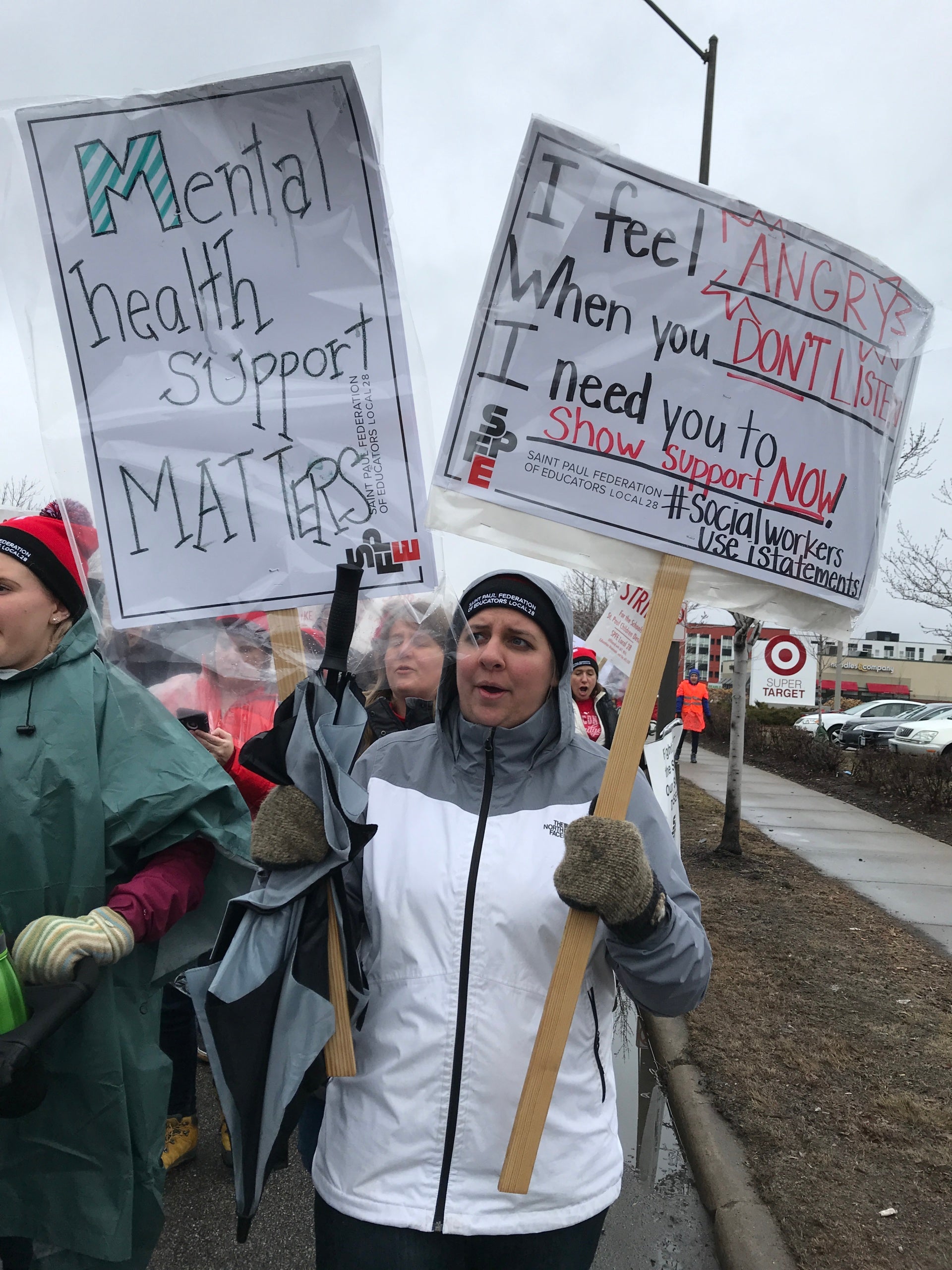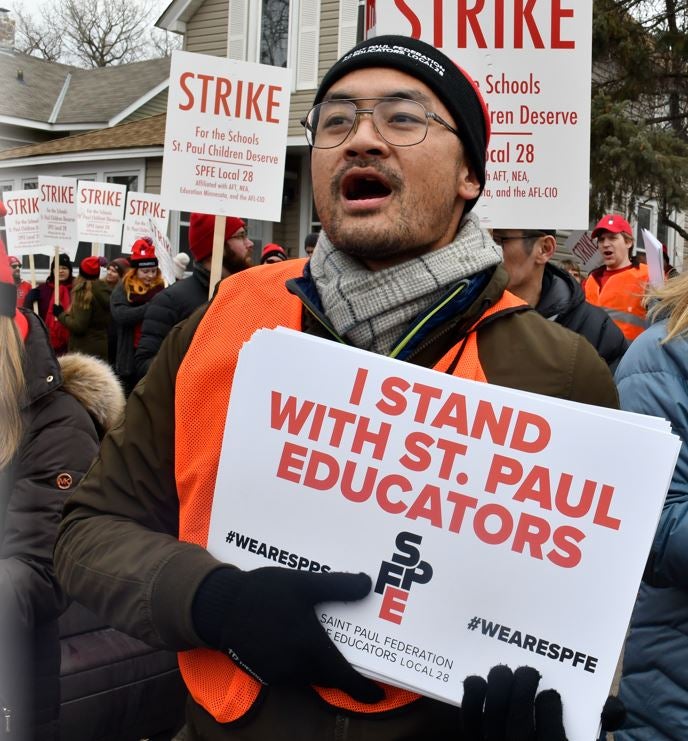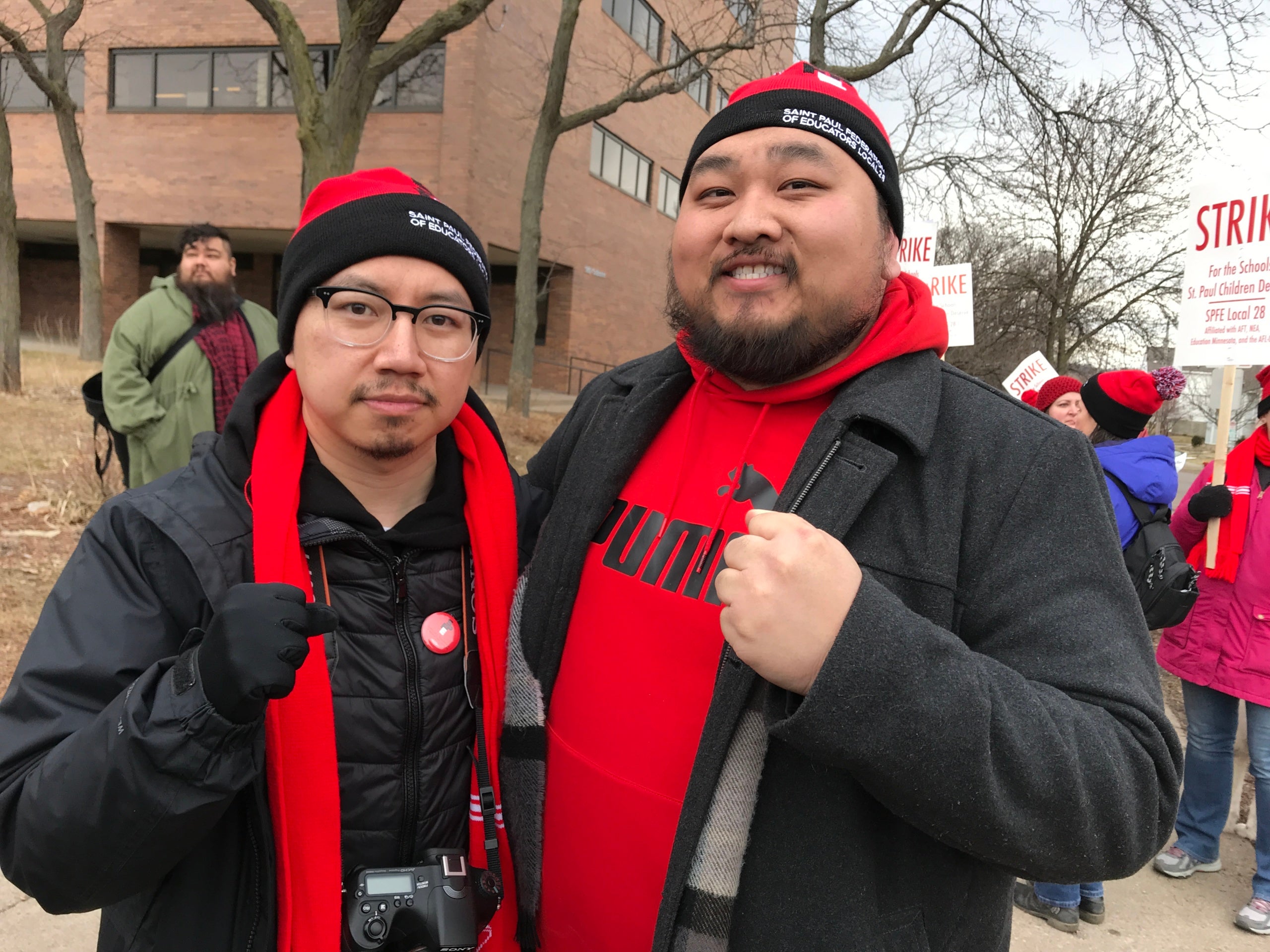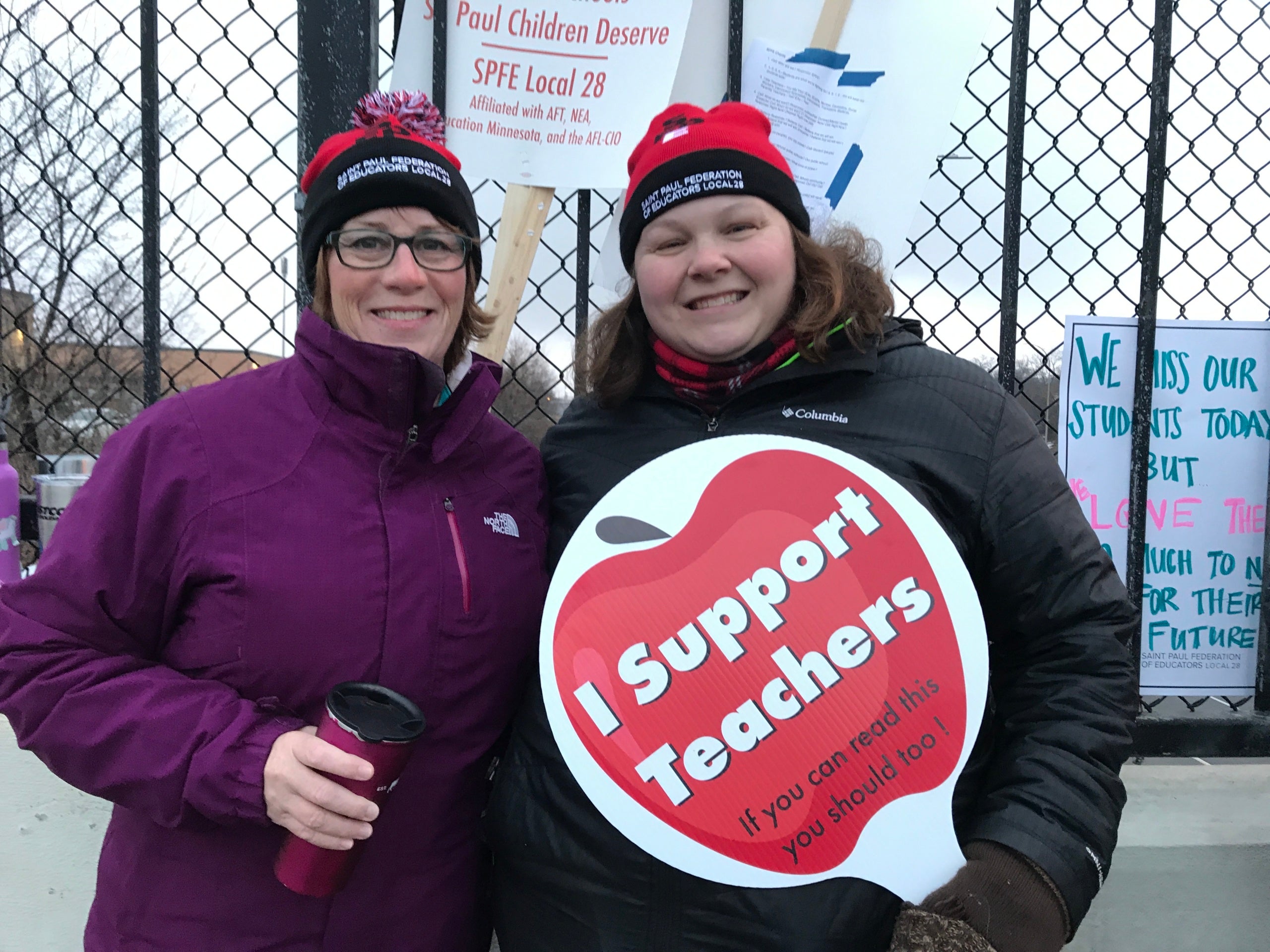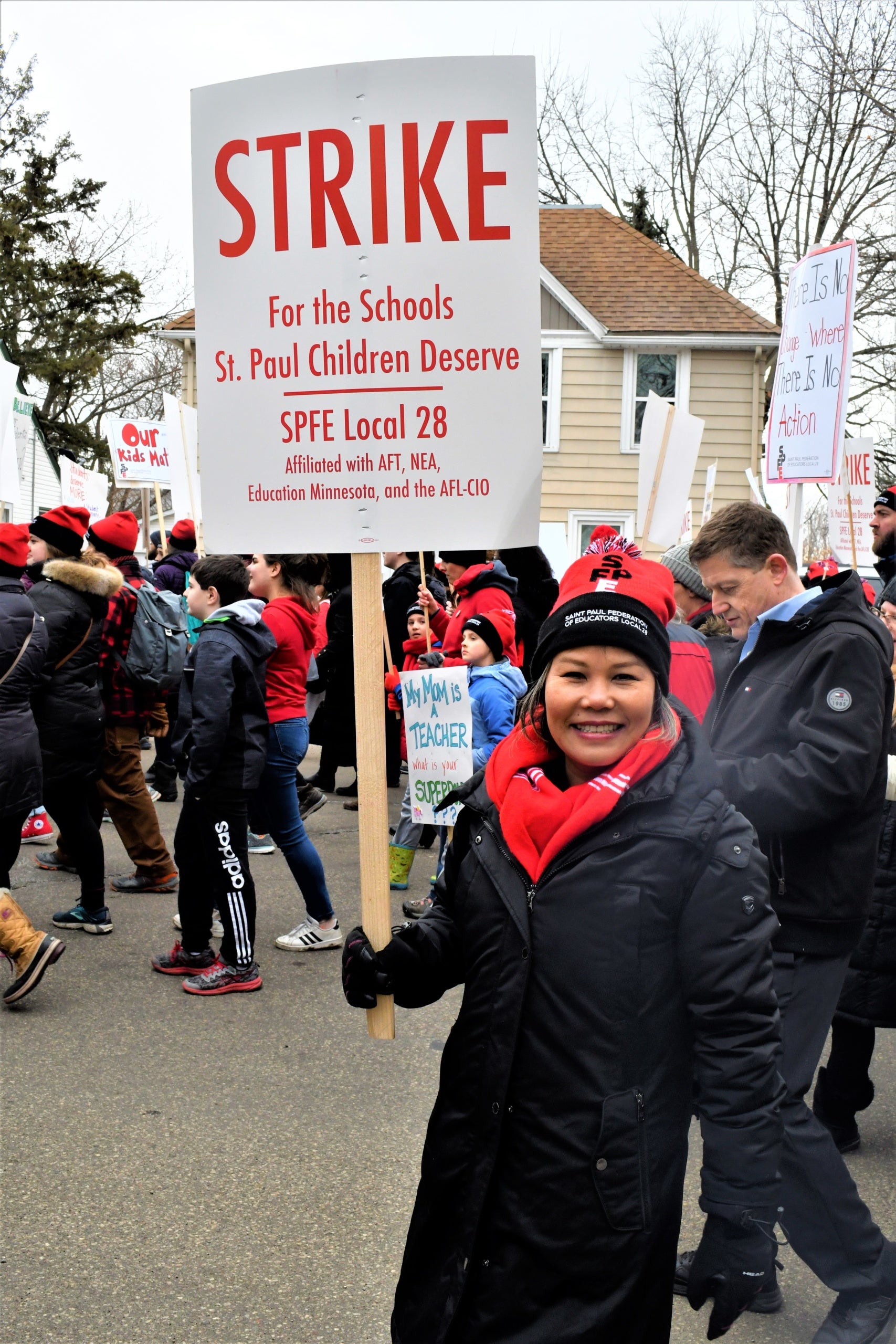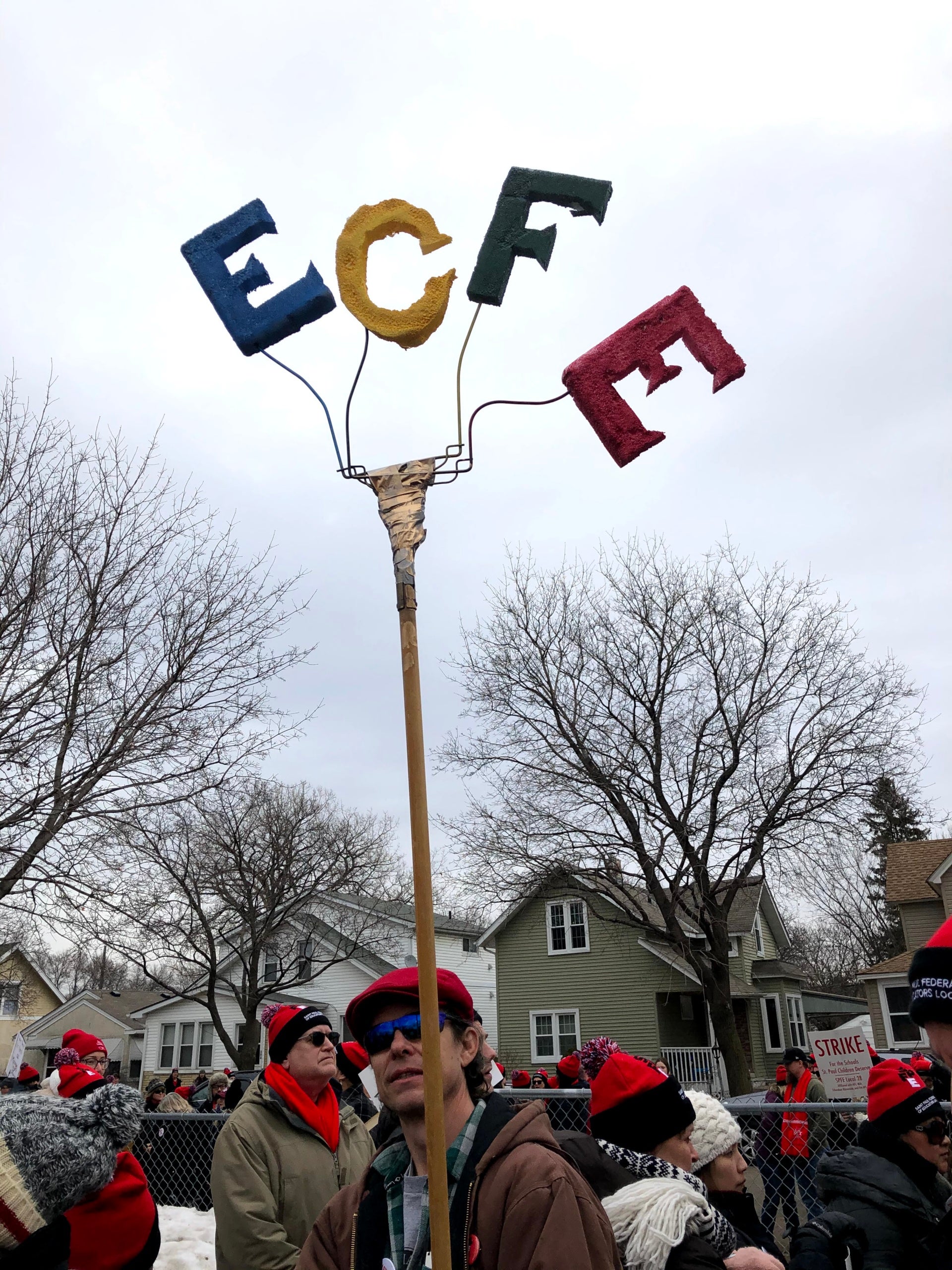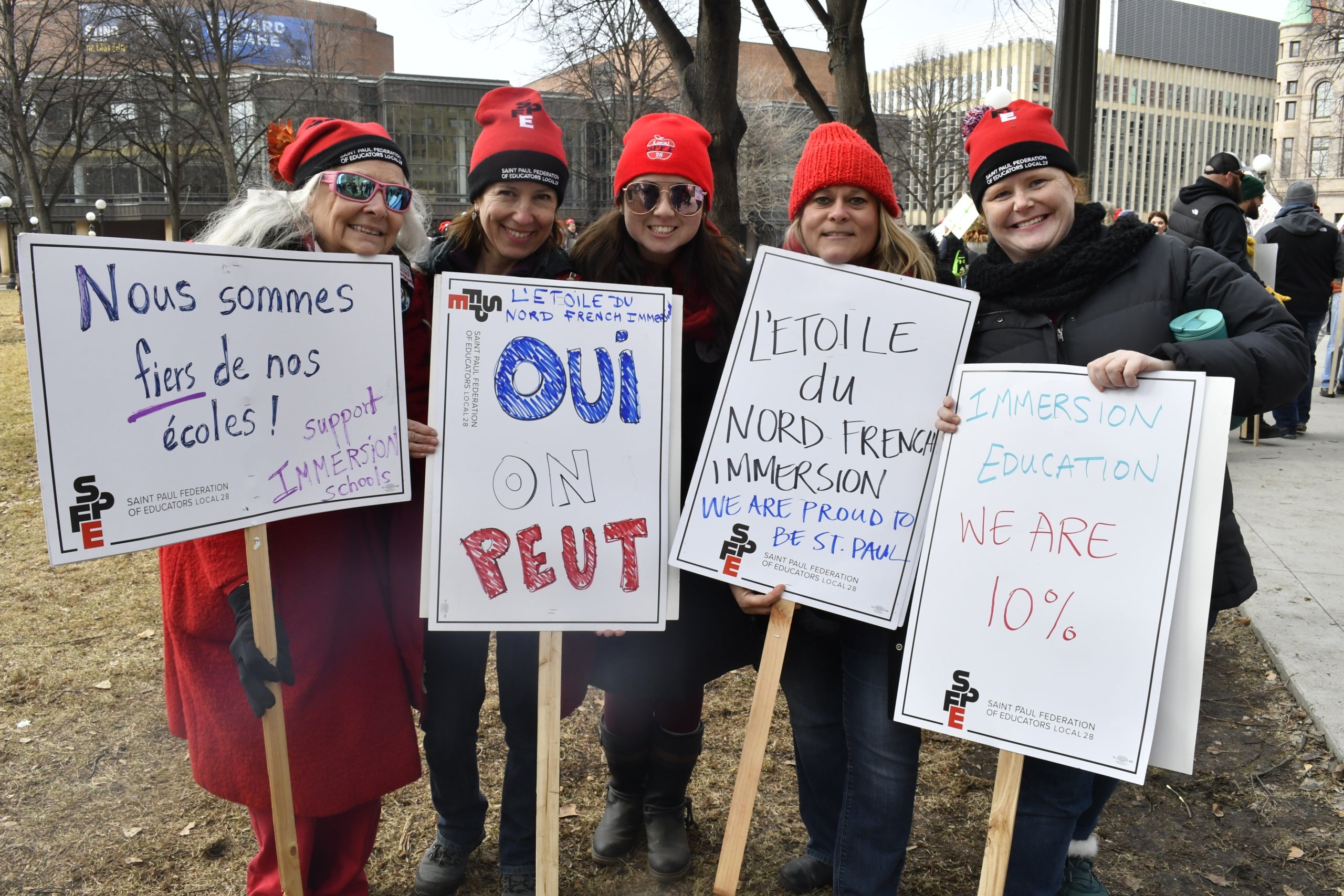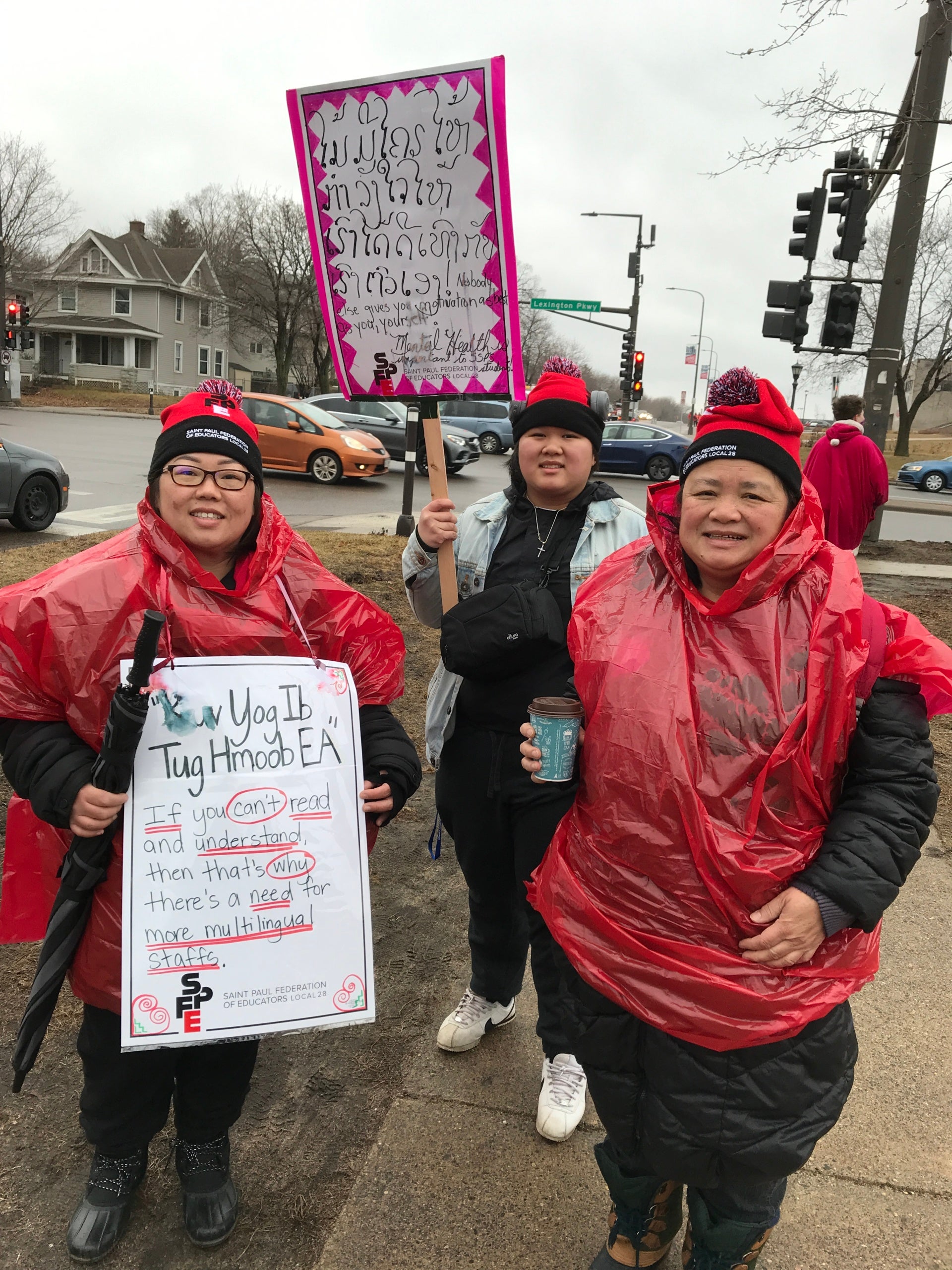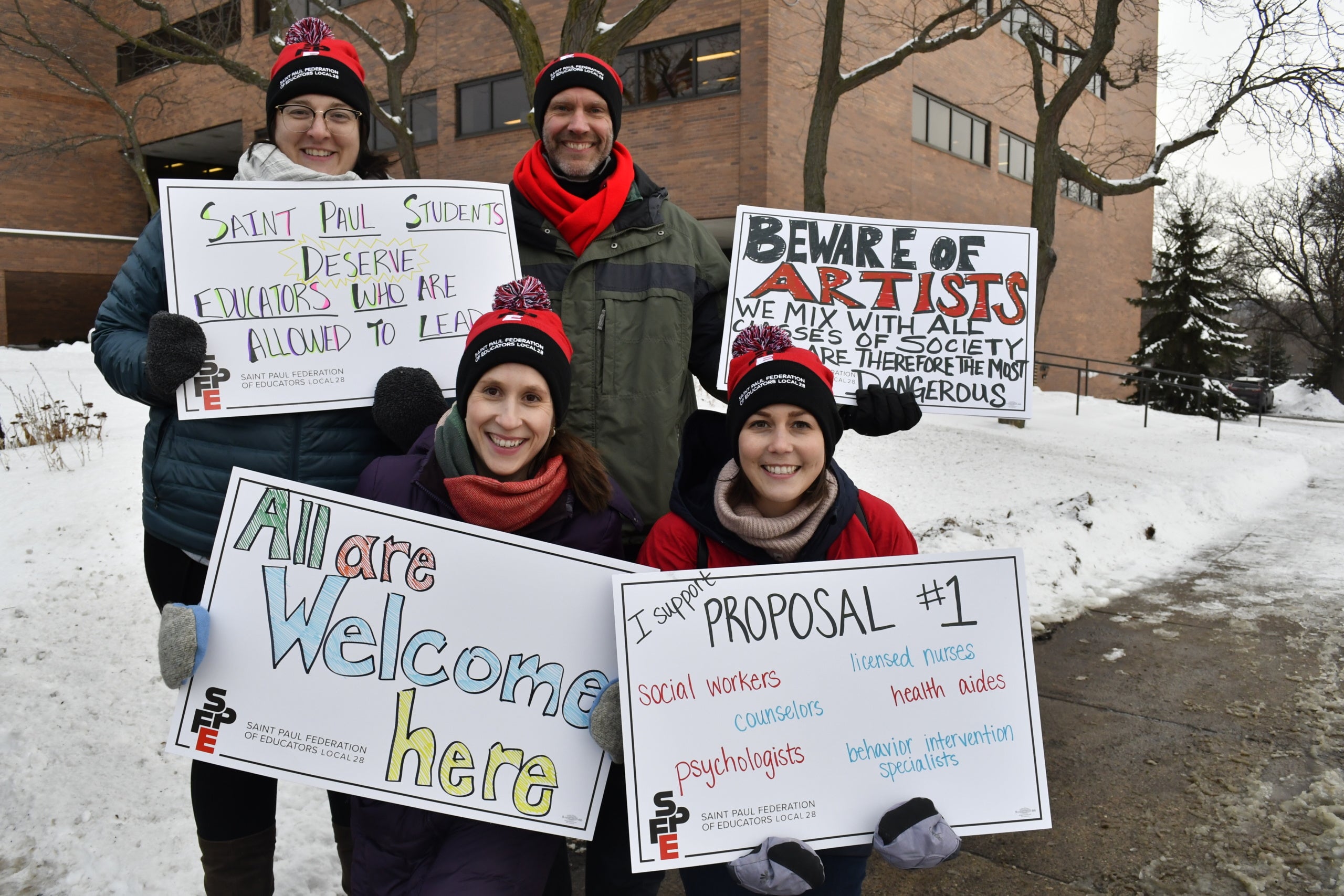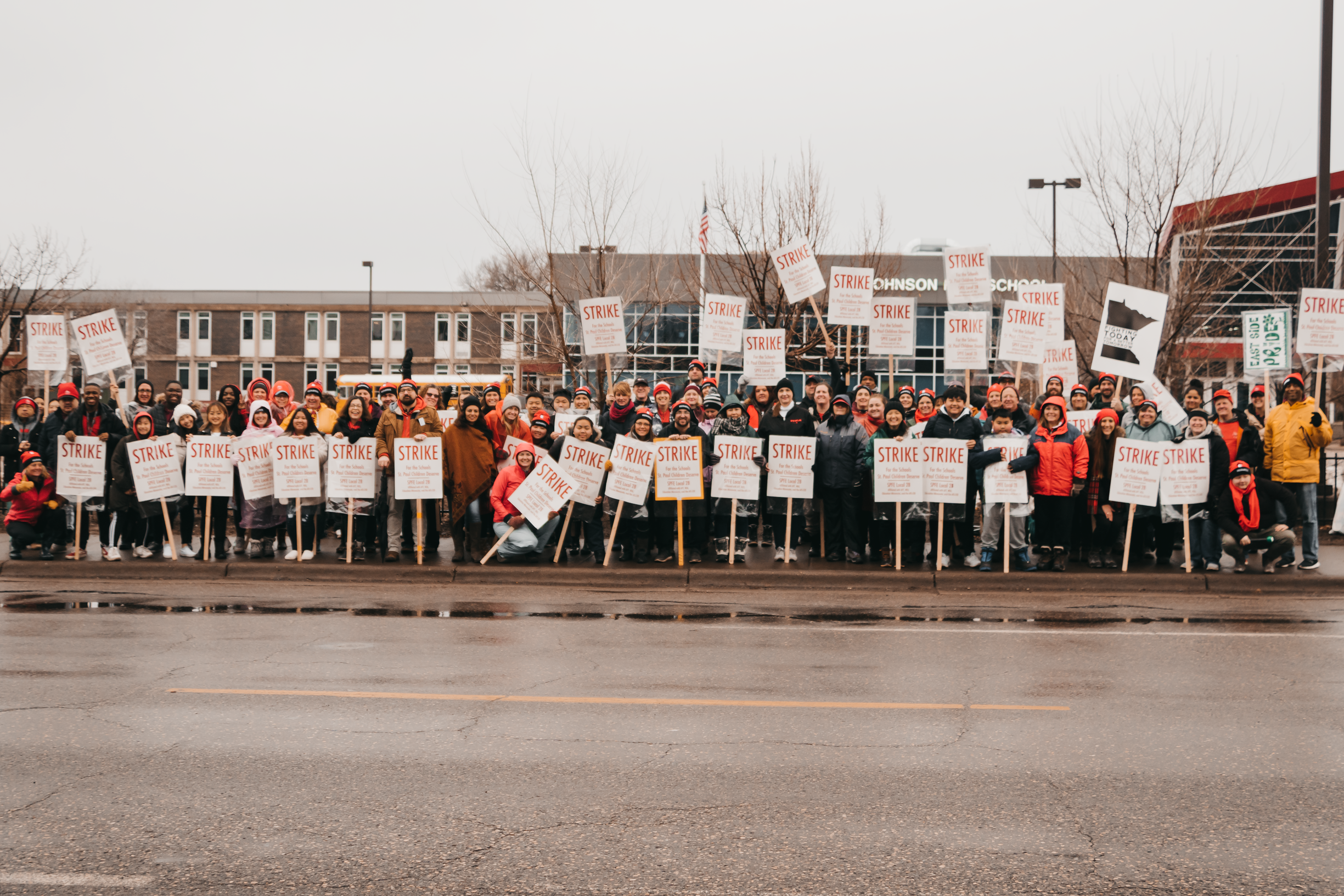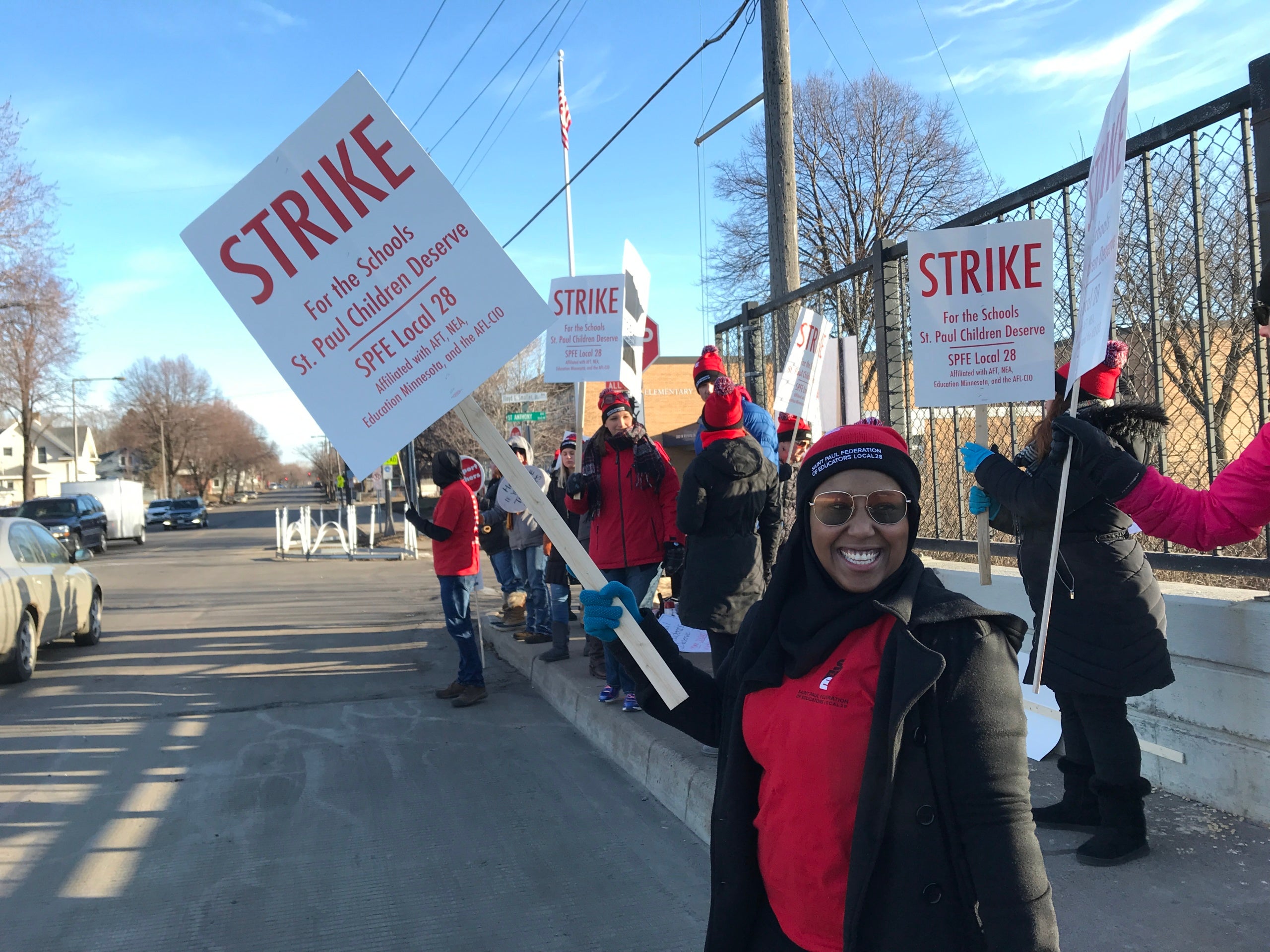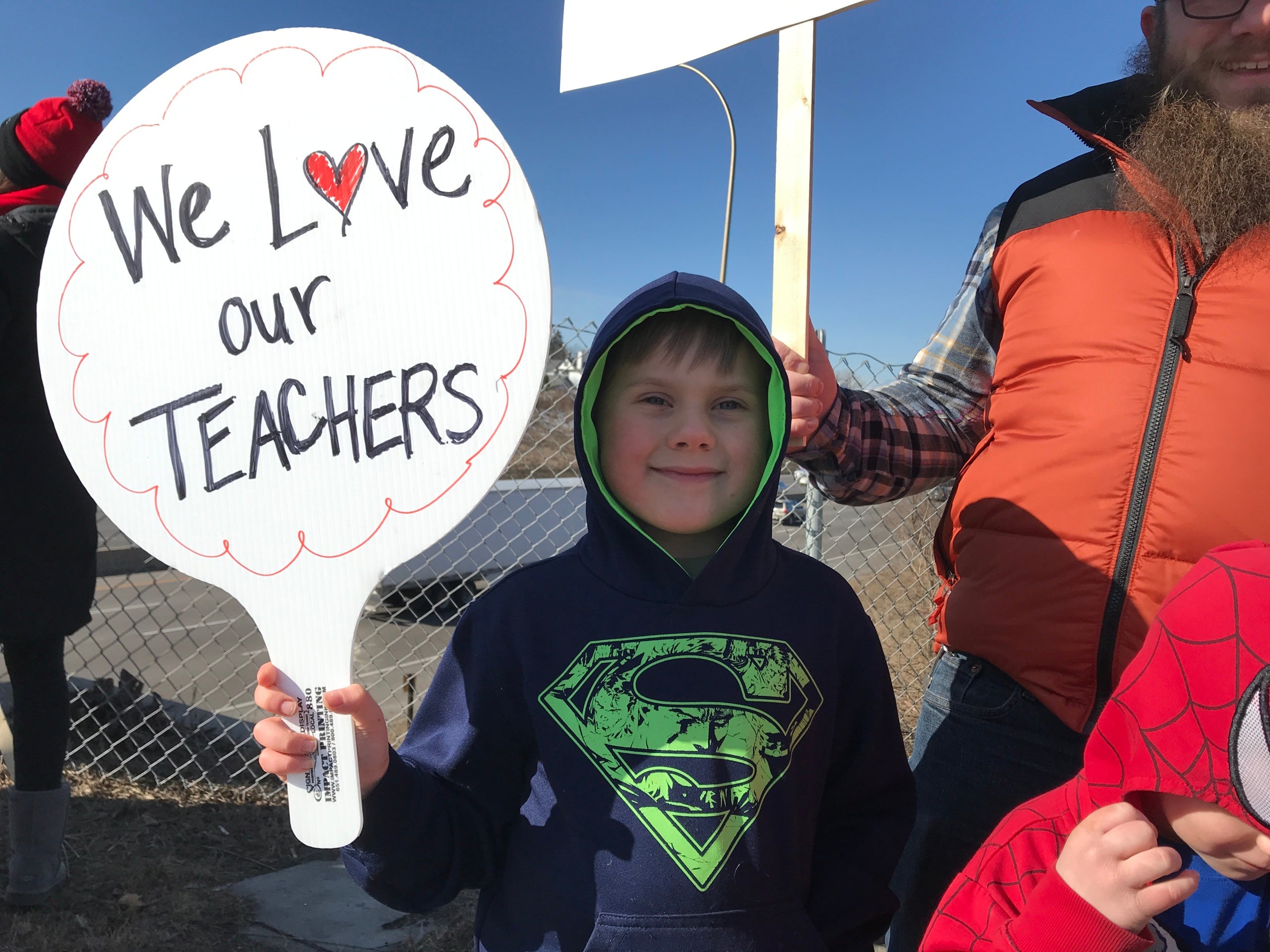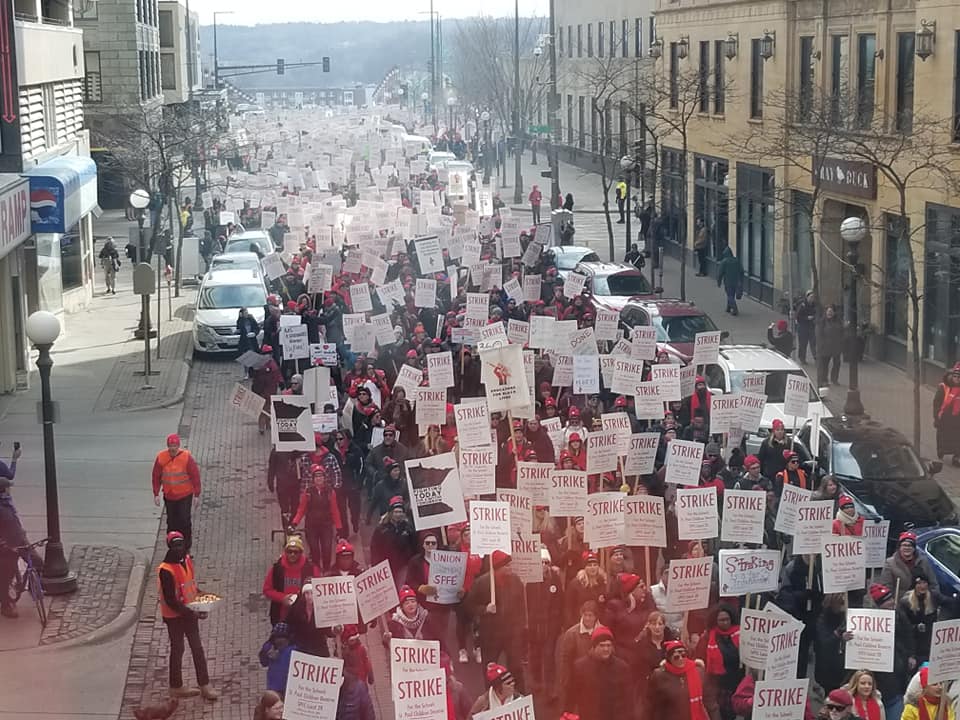

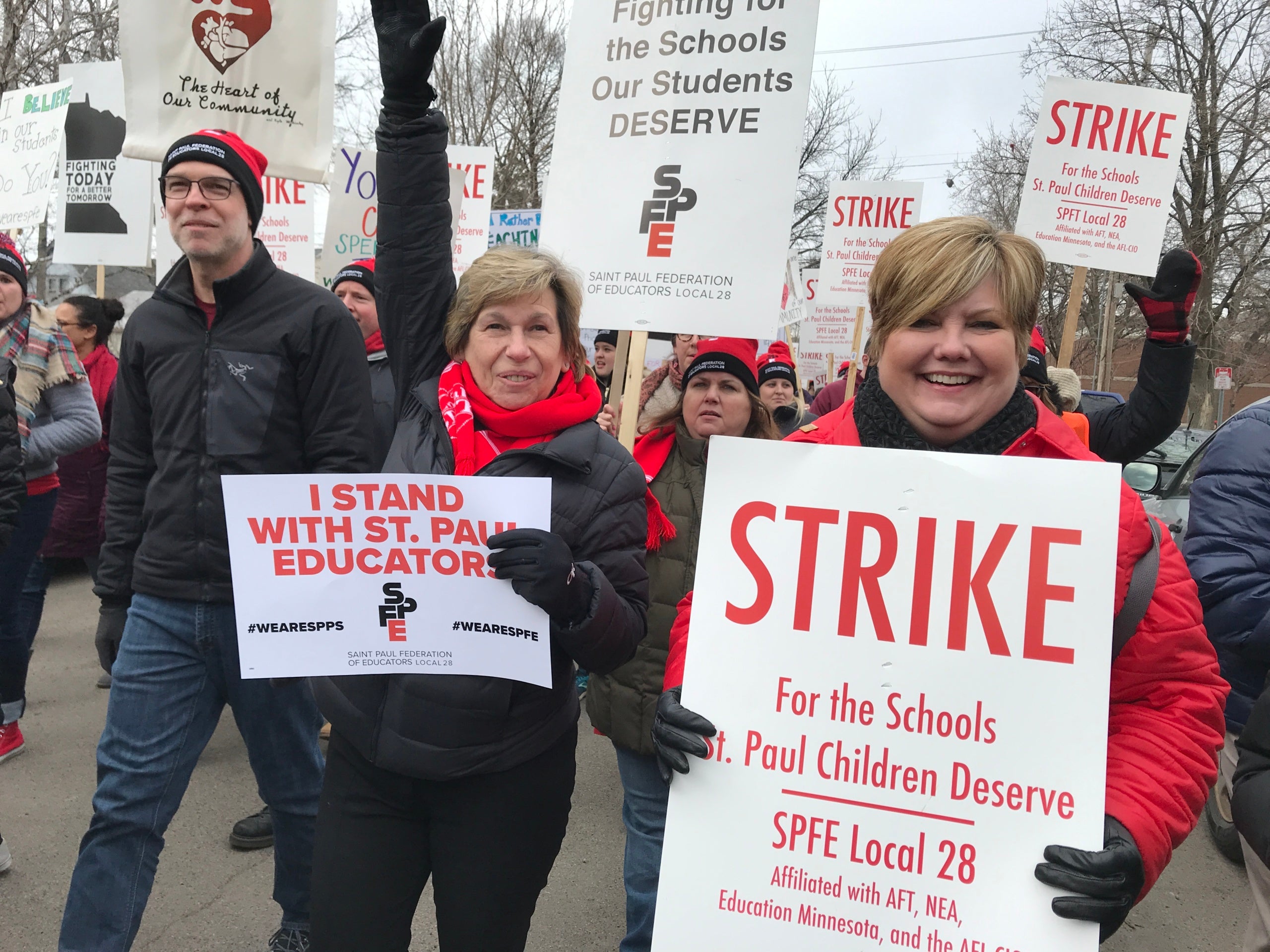
St. Paul 2020 Strike Photos, Set 2, Erica Schatzlein Collection
Photo Gallery
A gallery of photos to explore.

A gallery of photos to explore.
Just in time for a new academic year, the American Social History Project at the CUNY Graduate Center is releasing a new, expanded, and updated edition of the popular textbook Who Built America? Working People and the Nation’s History. A beta version is now available…
A gallery of photos to explore.
Created by the American Social History Project/Center for Media and Learning at The Graduate Center, City University of New York, HERB is a database of primary documents, classroom activities, and other teaching materials in U.S. history. Named in honor of ASHP/CML’s co-founder, labor historian Herbert…
In the early 19th century the United States of America began to experience many changes. In parts of the country there was a shift from an agrarian society to an industrial society.
A report covering salary, class size & staffing, academic freedom, shared decision making, assignments and more.
In the town of Matewan, the West Virginia Mine Wars Museum sits at the site of a historic battle which erupted in May of 1920, setting into motion a chain of events that led to the largest armed uprising in the United States since our civil war.
The Battle of Homestead Foundation (BHF) is a diverse organization of citizens, workers, educators and historians. Our purpose is to memorialize the dramatic labor conflict of the 1892 Battle of Homestead and clarify the consequences that remain with us today. Inspired by that event, we promote a people’s history, empower today’s workforce and build strategies for the future of work. The Foundation is a 501(c)(3) tax-exempt nonprofit organization.
“Wildcat” strikes, like the one that teachers used effectively in West Virginia in February/March of this year, are when union members walk off the job despite the wishes of their leadership. By definition, they are something uncontrollable and spontaneous.