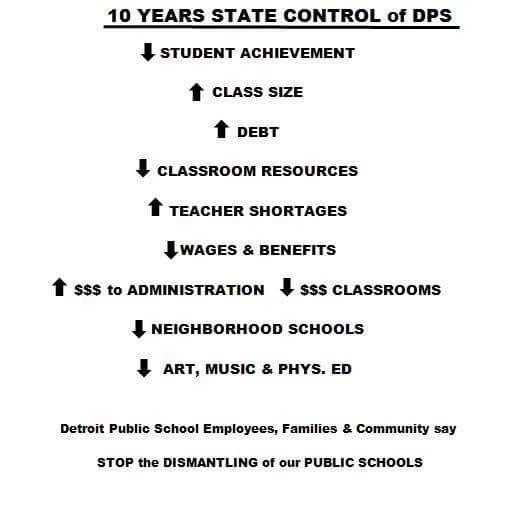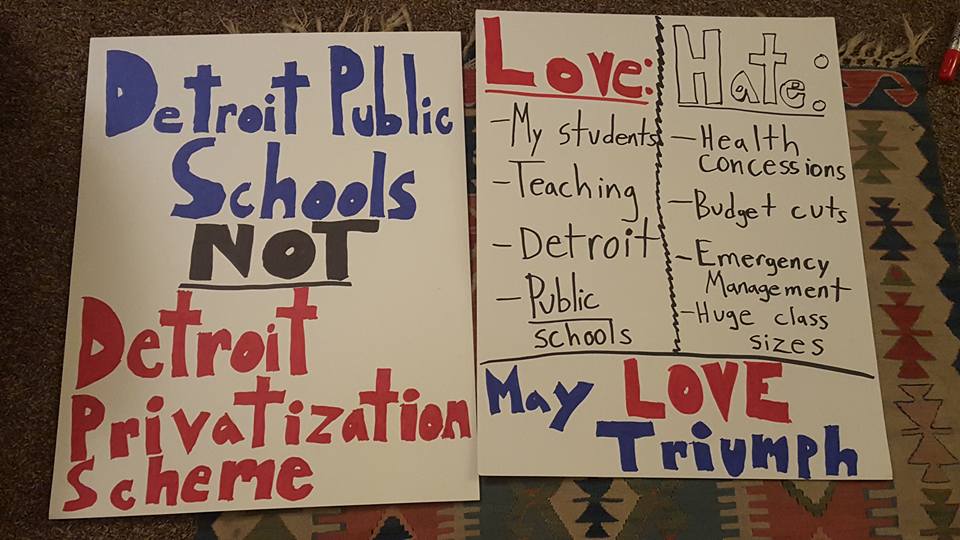


Detroit Signs, Memes, Flyers, Joel Berger Collection
Photo Gallery
A gallery of photos to explore.

A gallery of photos to explore.
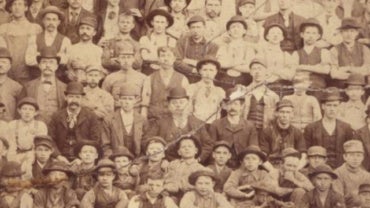
One of the most significant struggles for workers’ rights began on January 12, 1912, in Lawrence, Mass., when thousands of textile workers began a walkout that would come to be known as the Bread and Roses Strike, the Lawrence Textile Strike, and the Singing Strike. Read an overview and find teaching resources below.
When Teachers Mobilize Oral Histories
The Lawrence Textile Strike was a public protest mainly of immigrant workers from several countries, including Austria, Belgium, Cuba, Canada, France, England, Germany, Greece, Ireland, Italy, Lithuania, Netherlands, Norway, Poland, Portugal, Russia, Scotland, Spain, Syria, and Turkey. According to the 1910 census, 65% of mill workers (many of whom eventually struck) lived in the United States for less than 10 years; 47% for less than five years.
A comprehensive bibliography of information, documents and links of U.S. labor history sites on the internet. It was developed by labor historian Rosemary Feurer for the Labor and Working Class History Association. Visit site
This bibliography contains a number of titles dealing with “workers,” the “world of work” generally, and “labor law” in particular, so as to account for some of the more compelling reasons we should assiduously attend to the complex economic and moral questions (the former often…
Voces from La Planta centers the voices of meatpacking workers across California, Minnesota, Colorado, Mississippi, and Washington. Workers whose labor sustains the nation, yet whose lives are too often made invisible.
A new LAWCHA initiative to develop classroom and public knowledge of labor history. Teaching Labor’s Story will be a repository of primary sources with supporting teaching guides (textual, visual, audio). Resources in the Teaching Labor’s Story repository are designed to be readily incorporated into existing…
The Kheel Center for Labor-Management Documentation & Archives was founded in 1949 as the Labor-Management Documentation Center. Its continuing purpose is the preservation of original source materials relevant to the history of American labor unions, management theory as it applies to labor and industrial relations,…