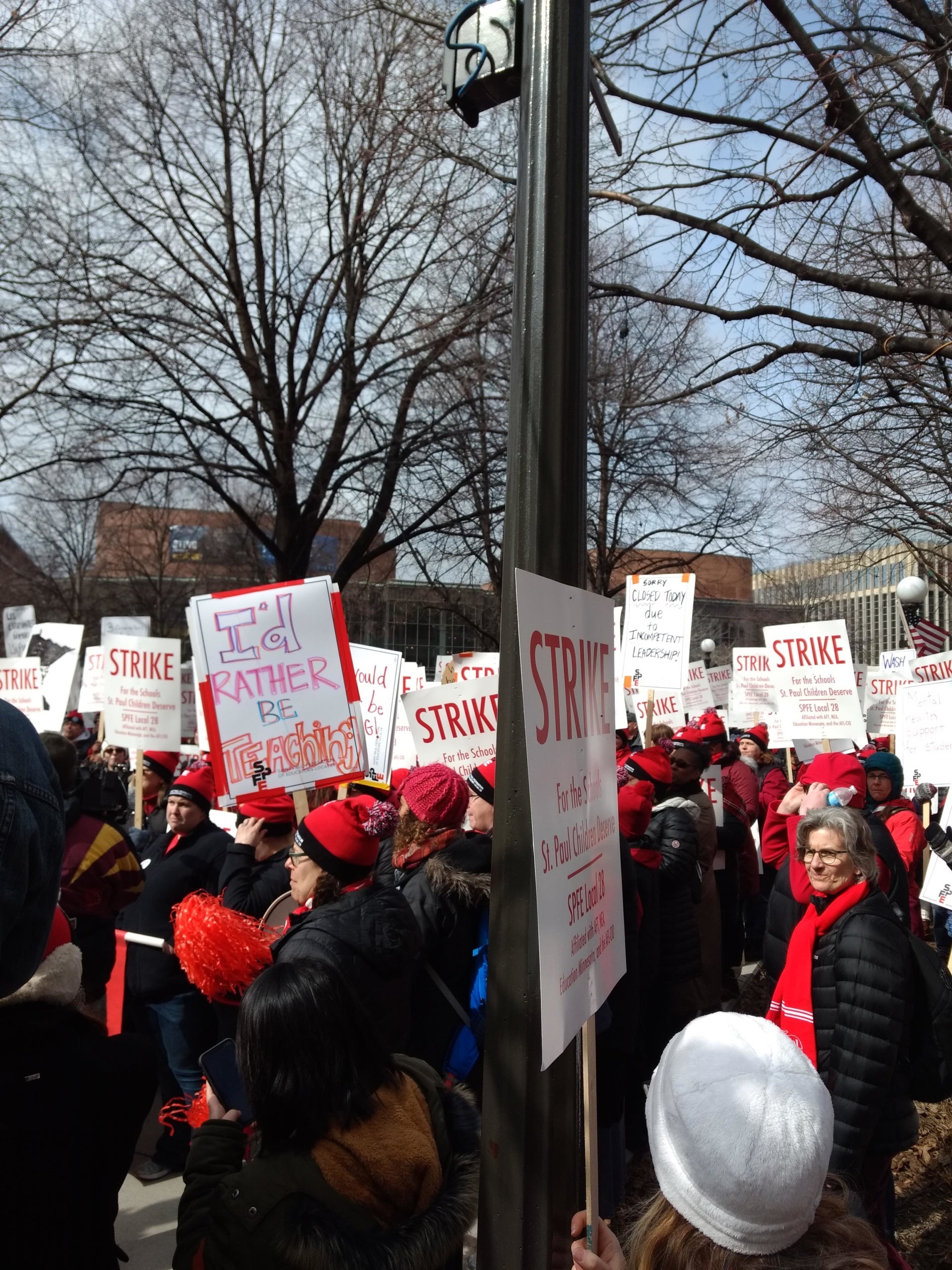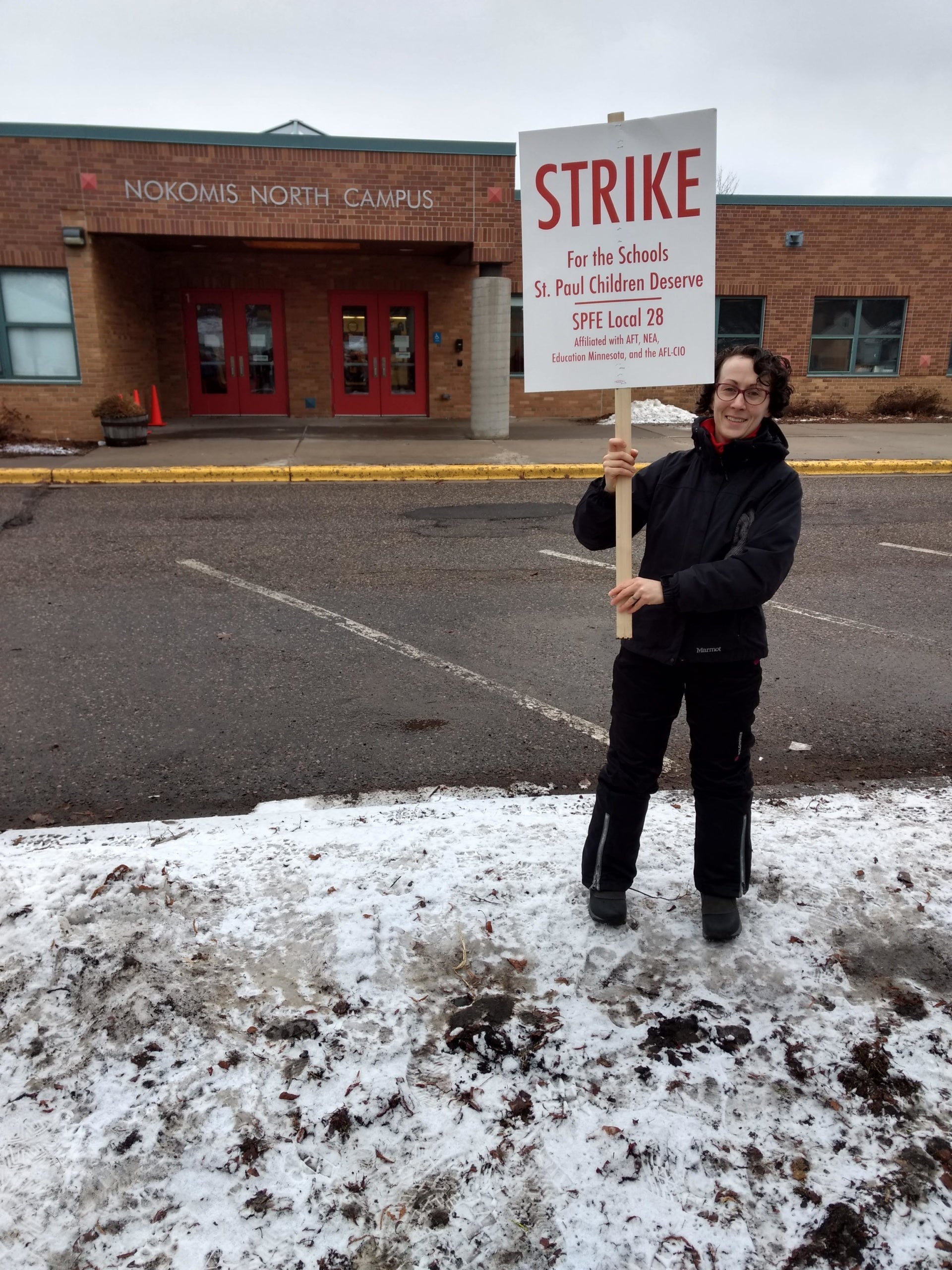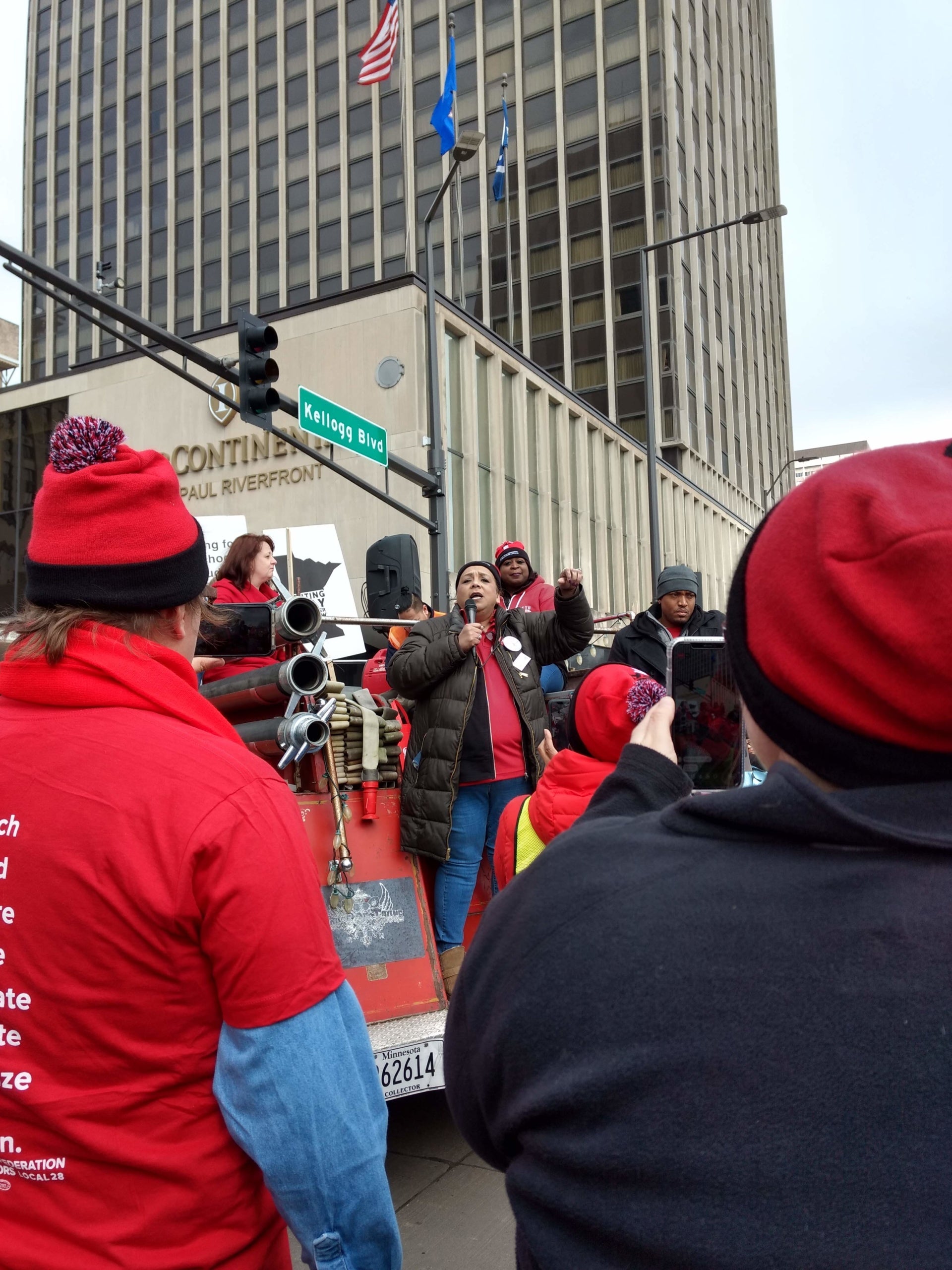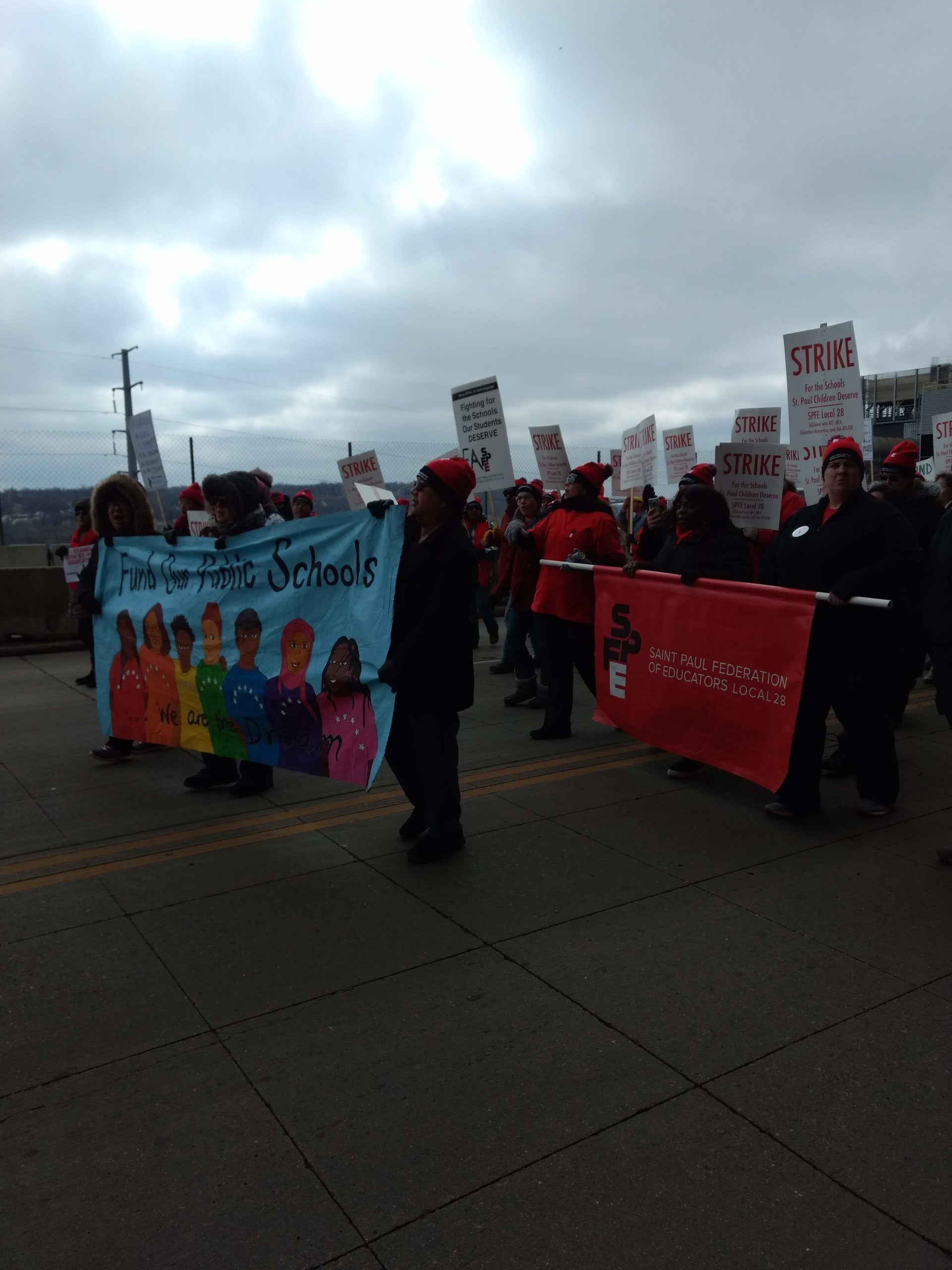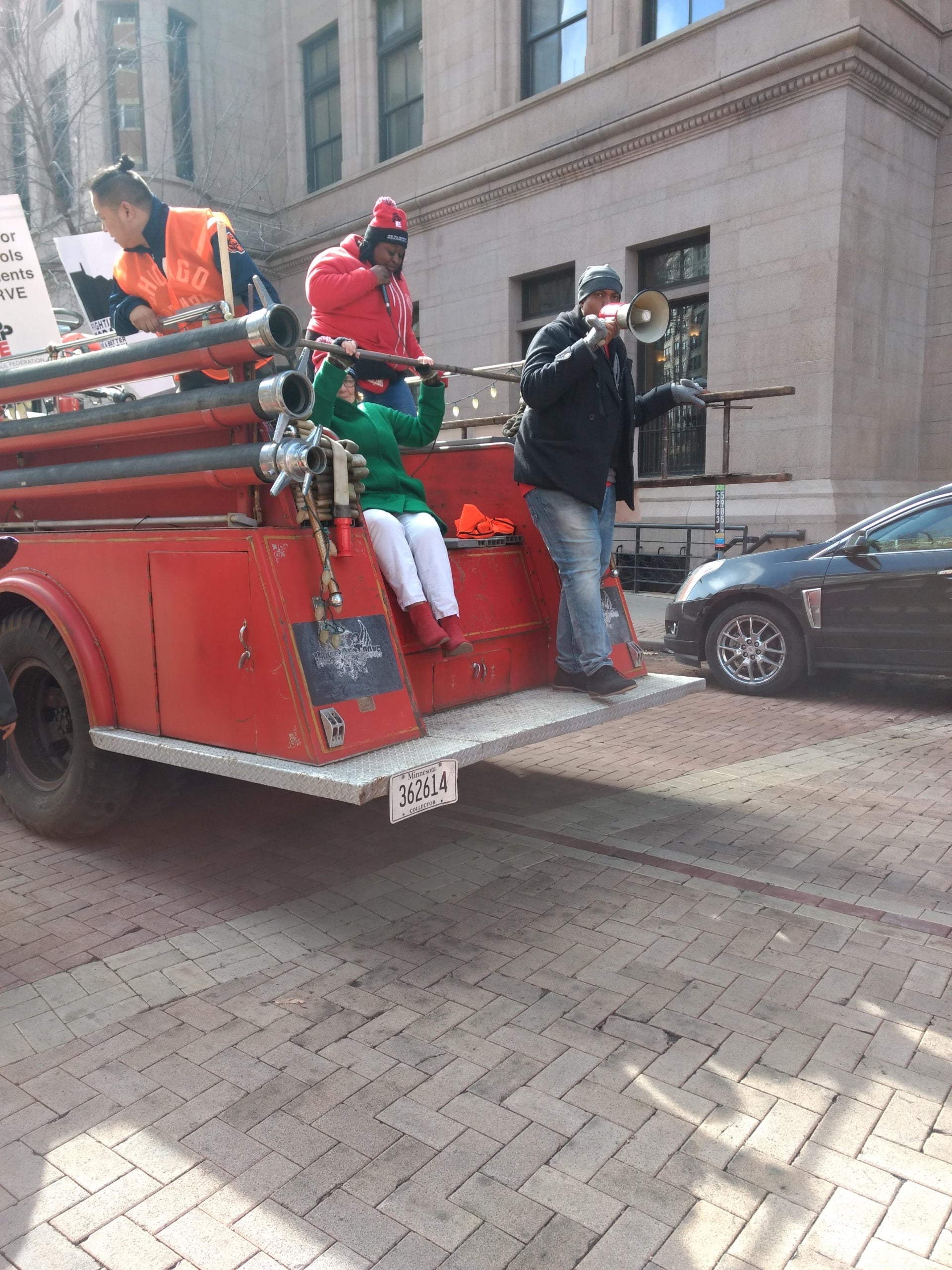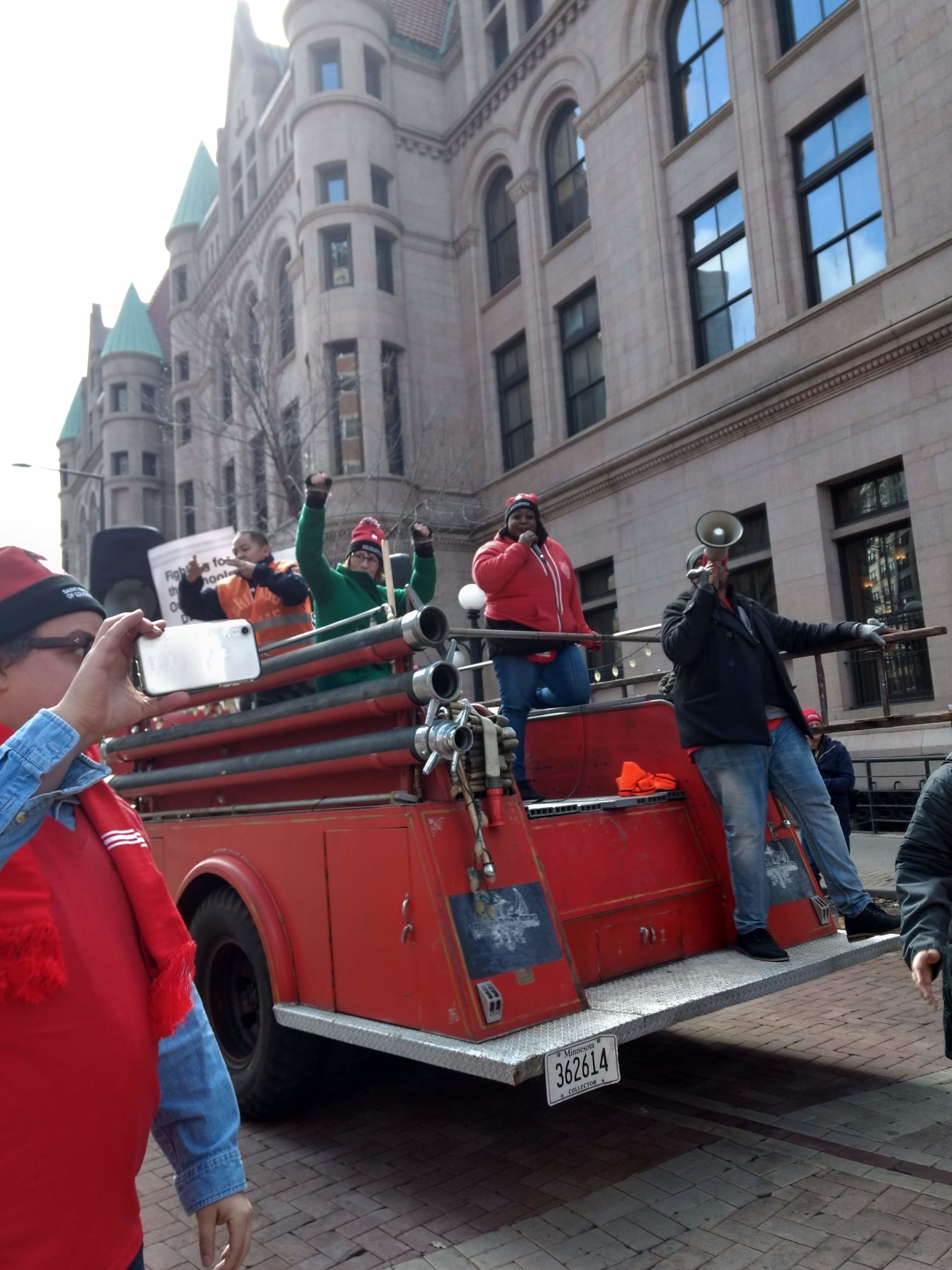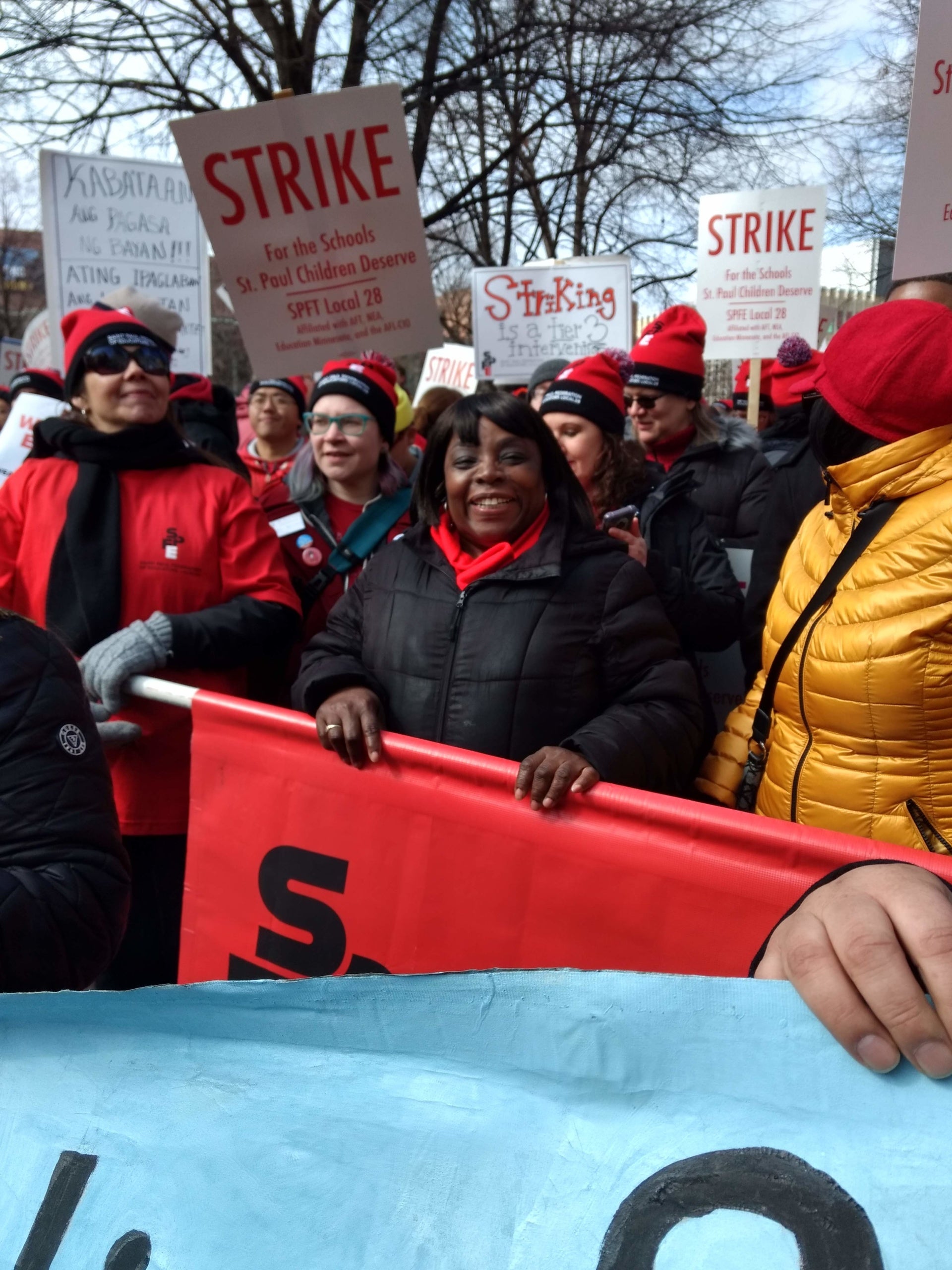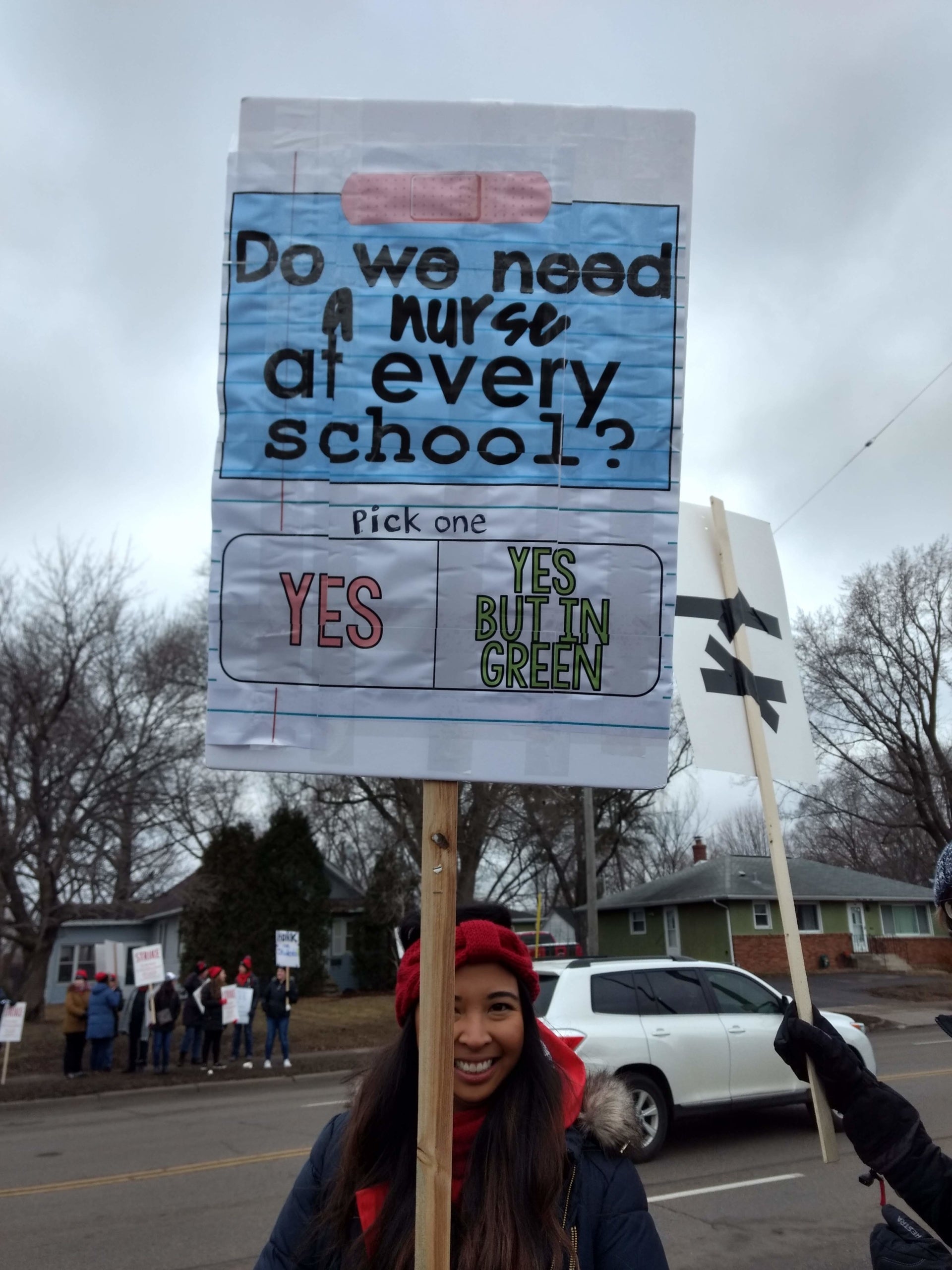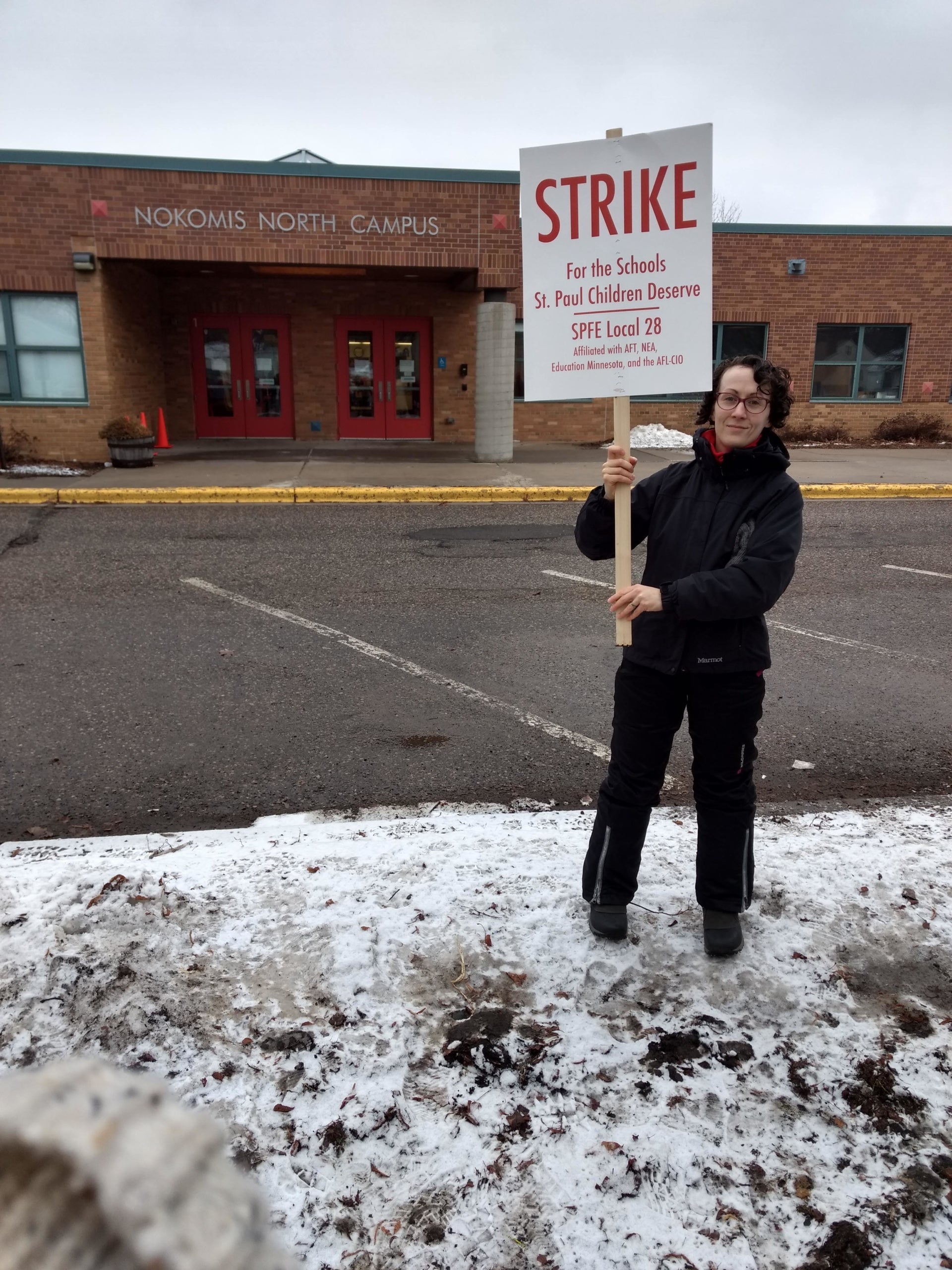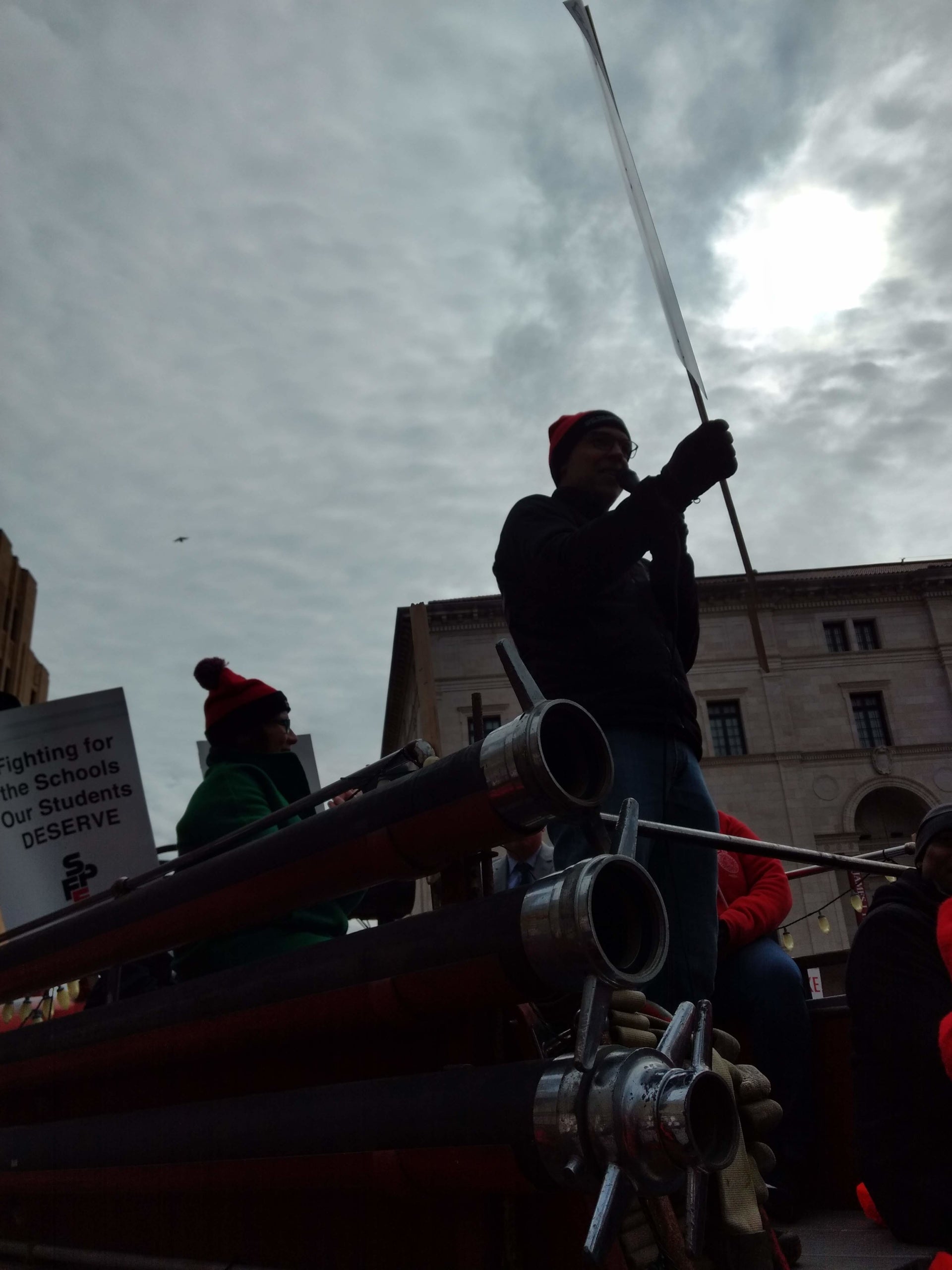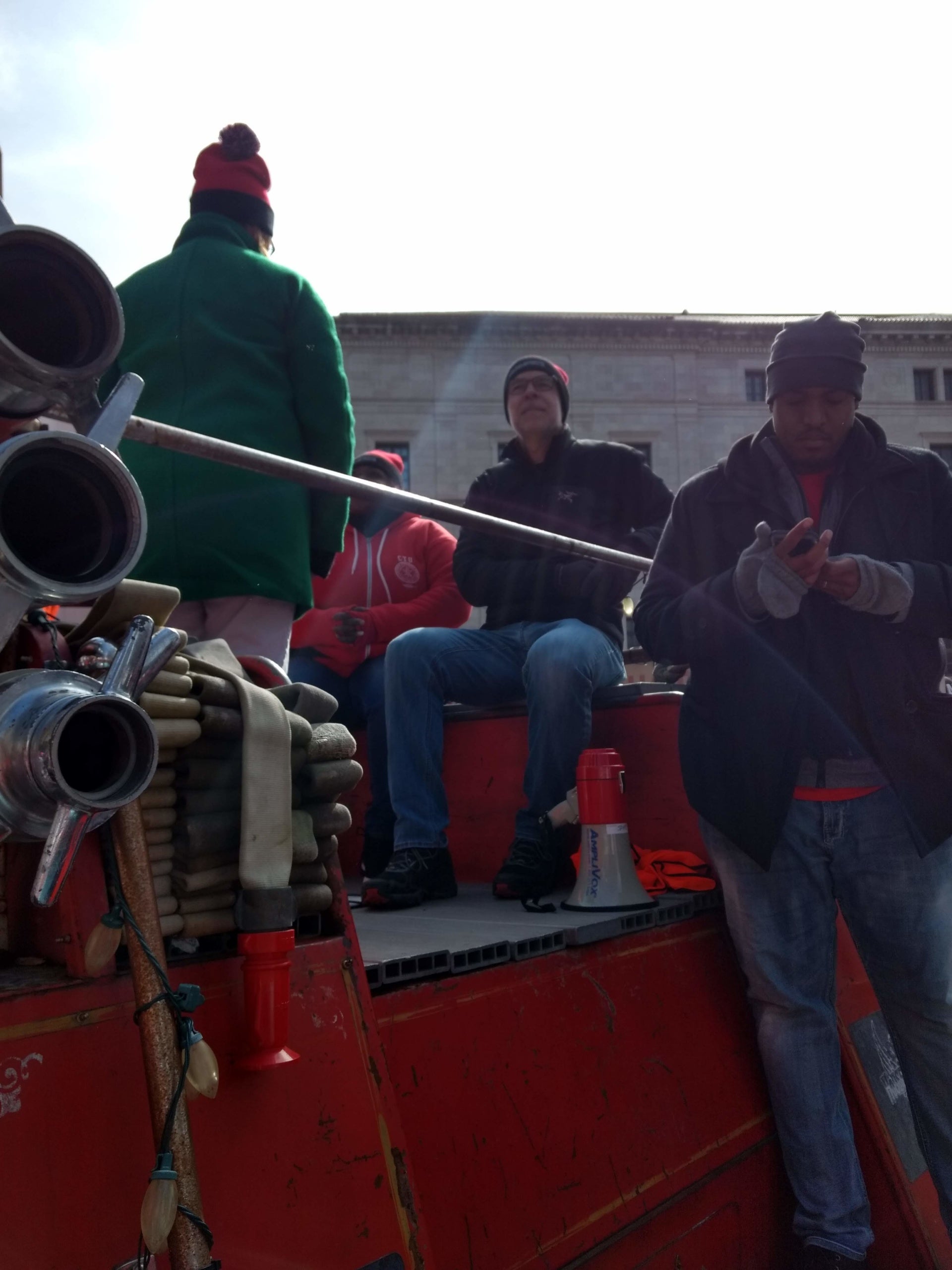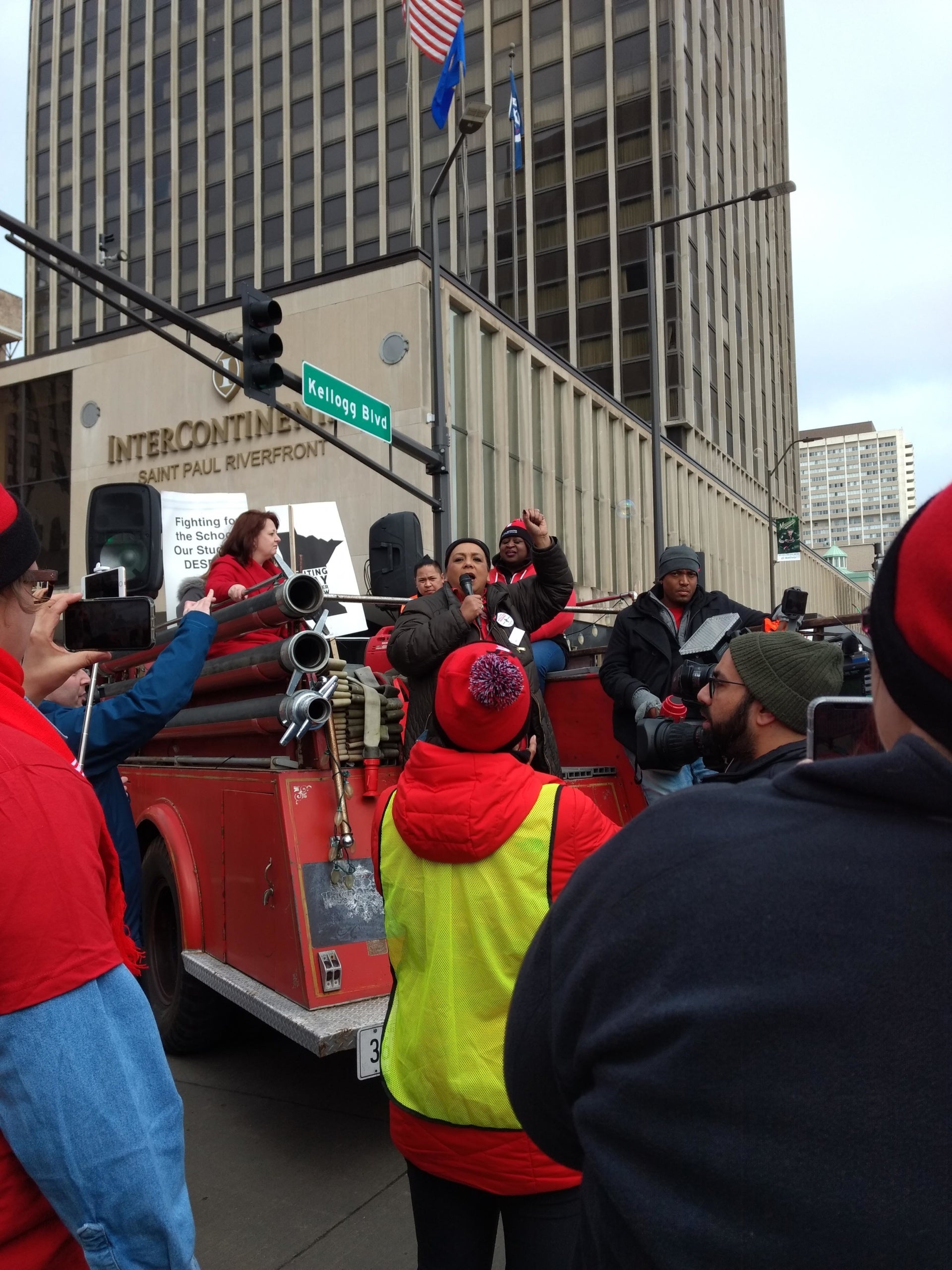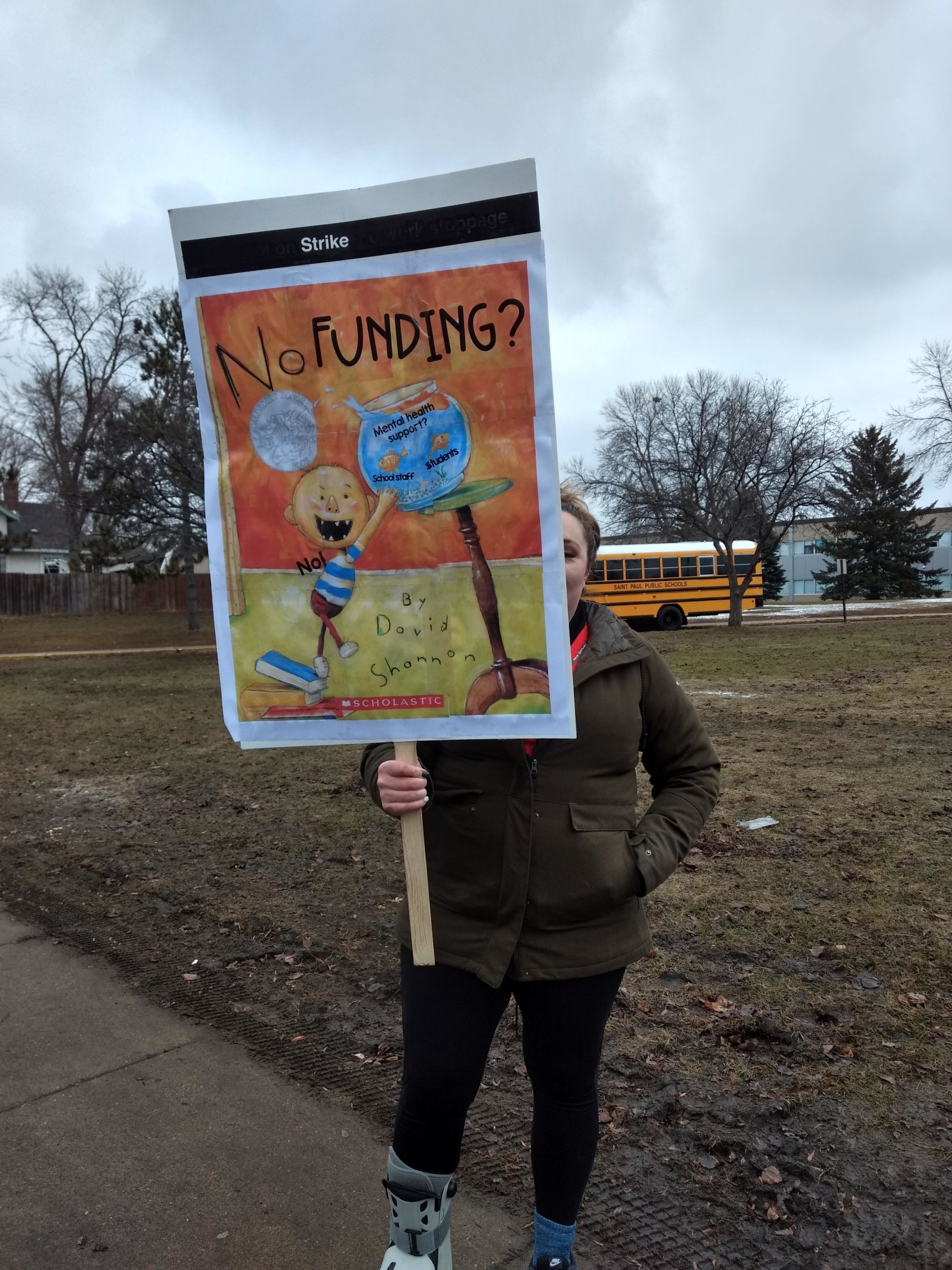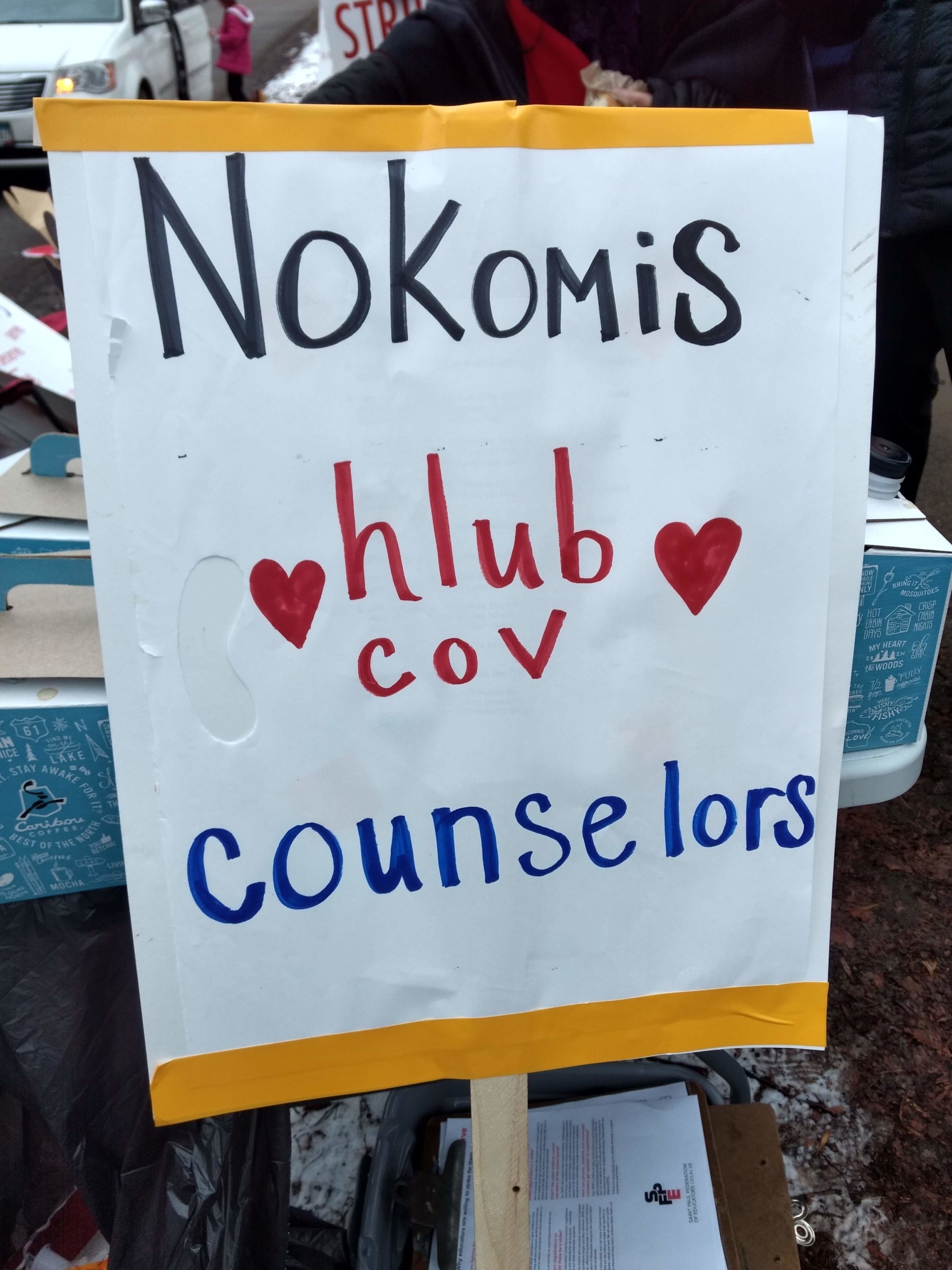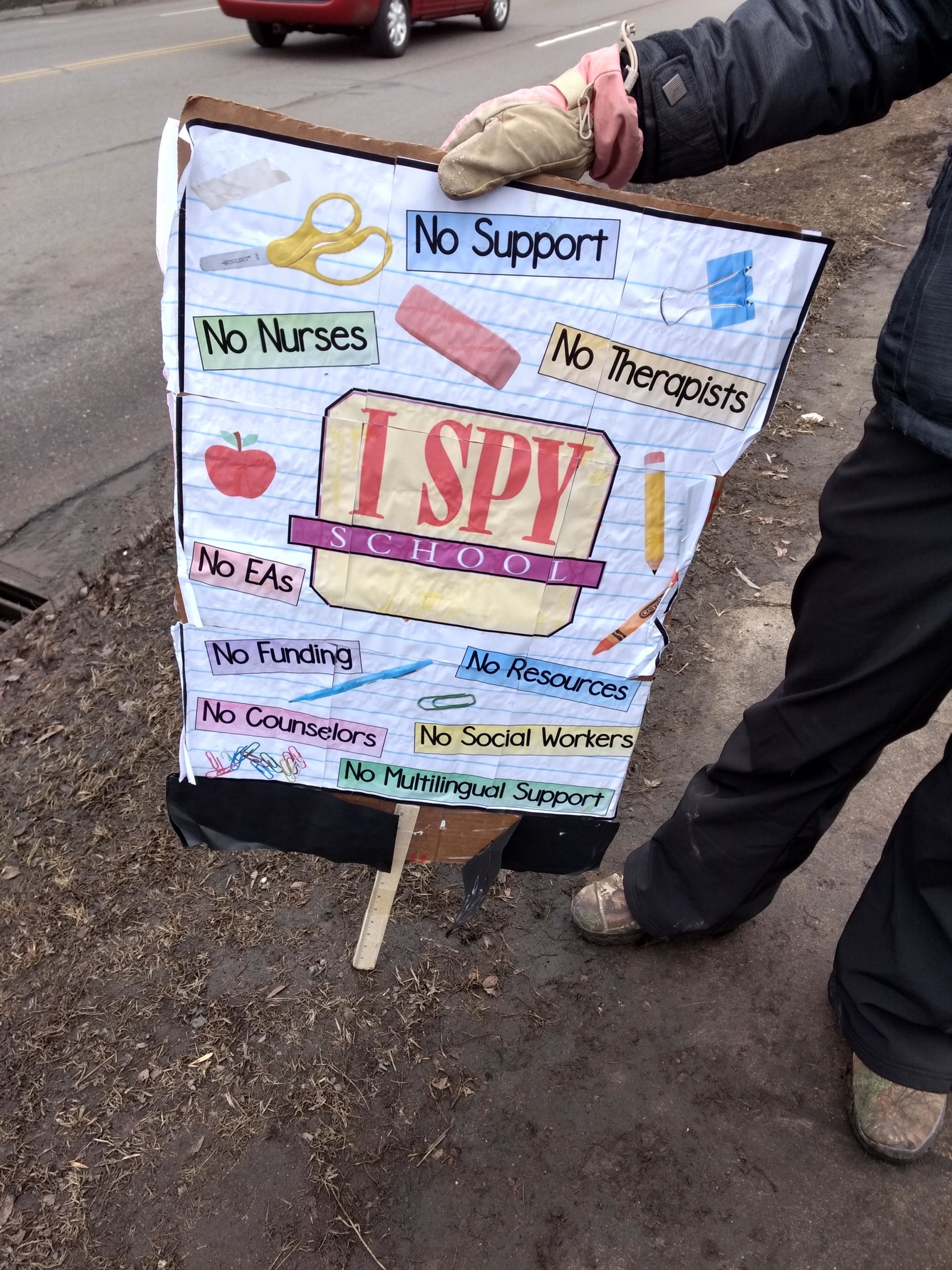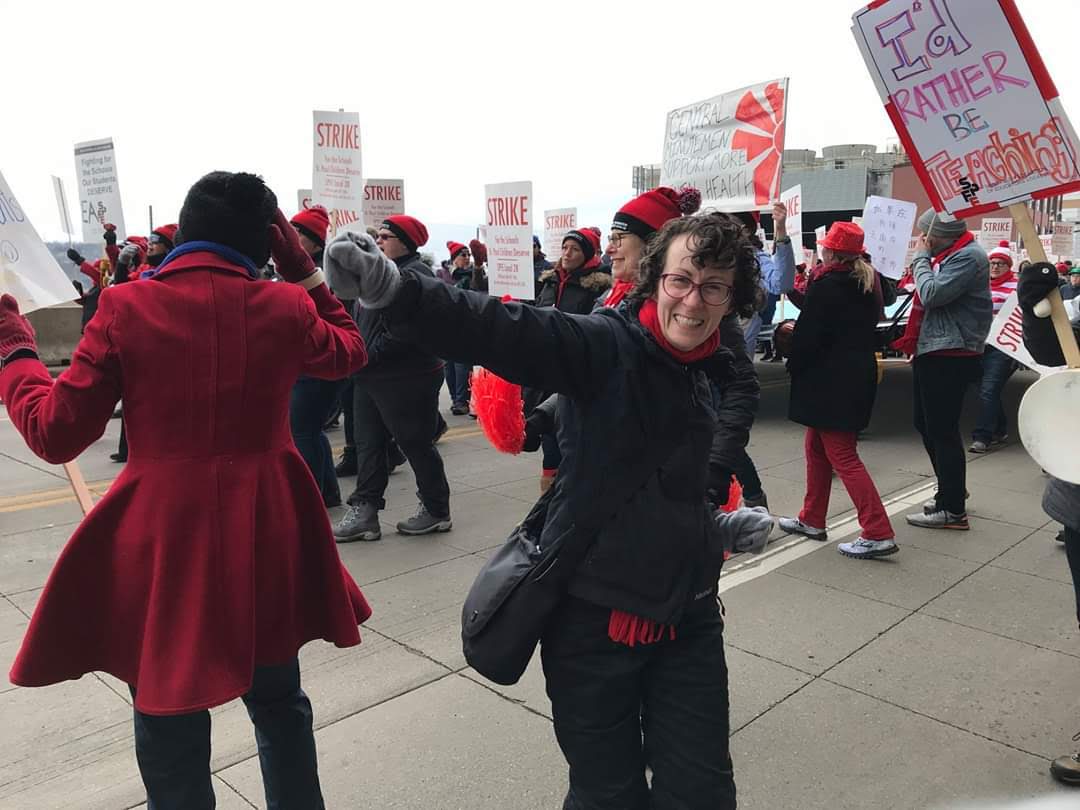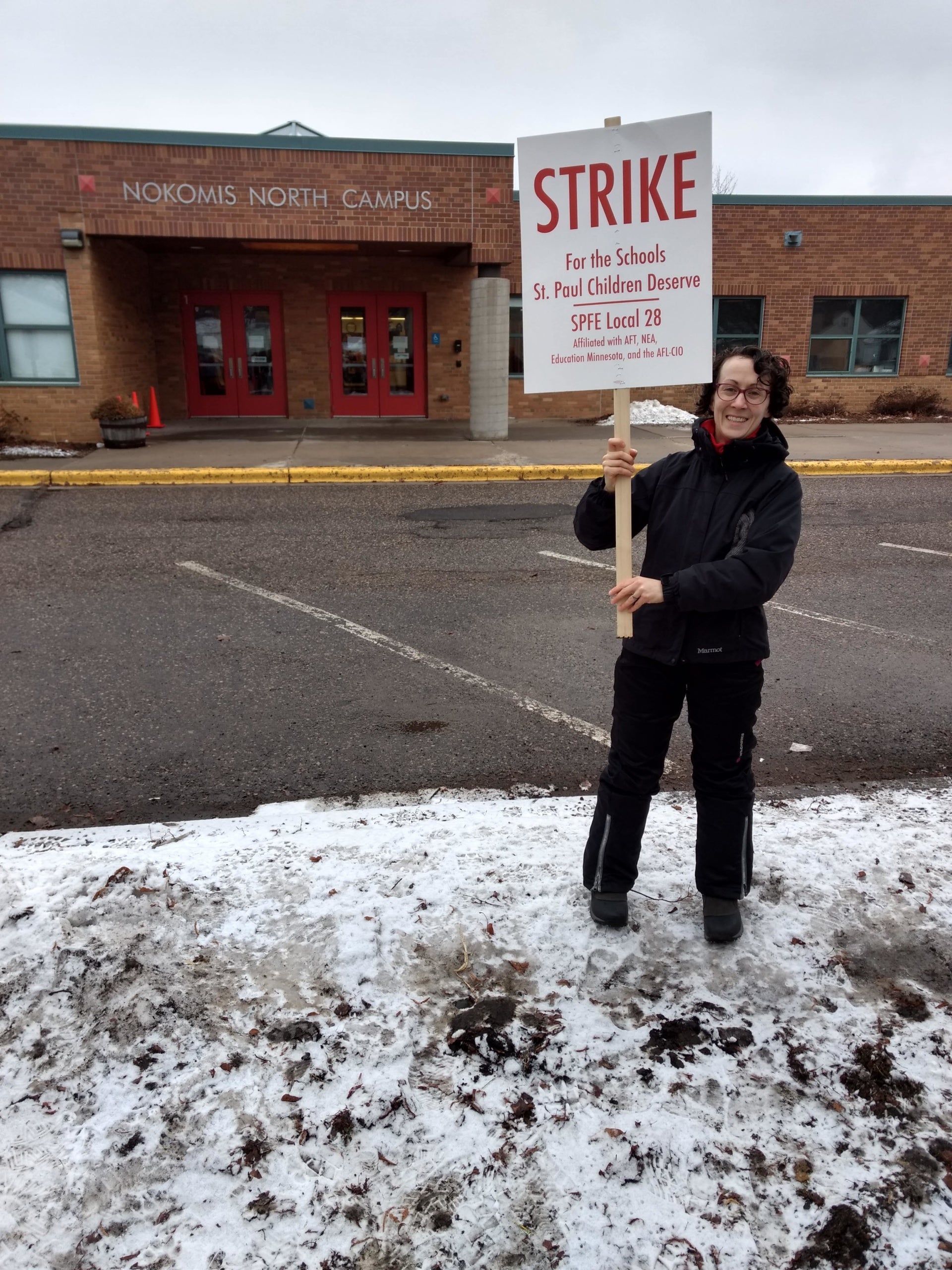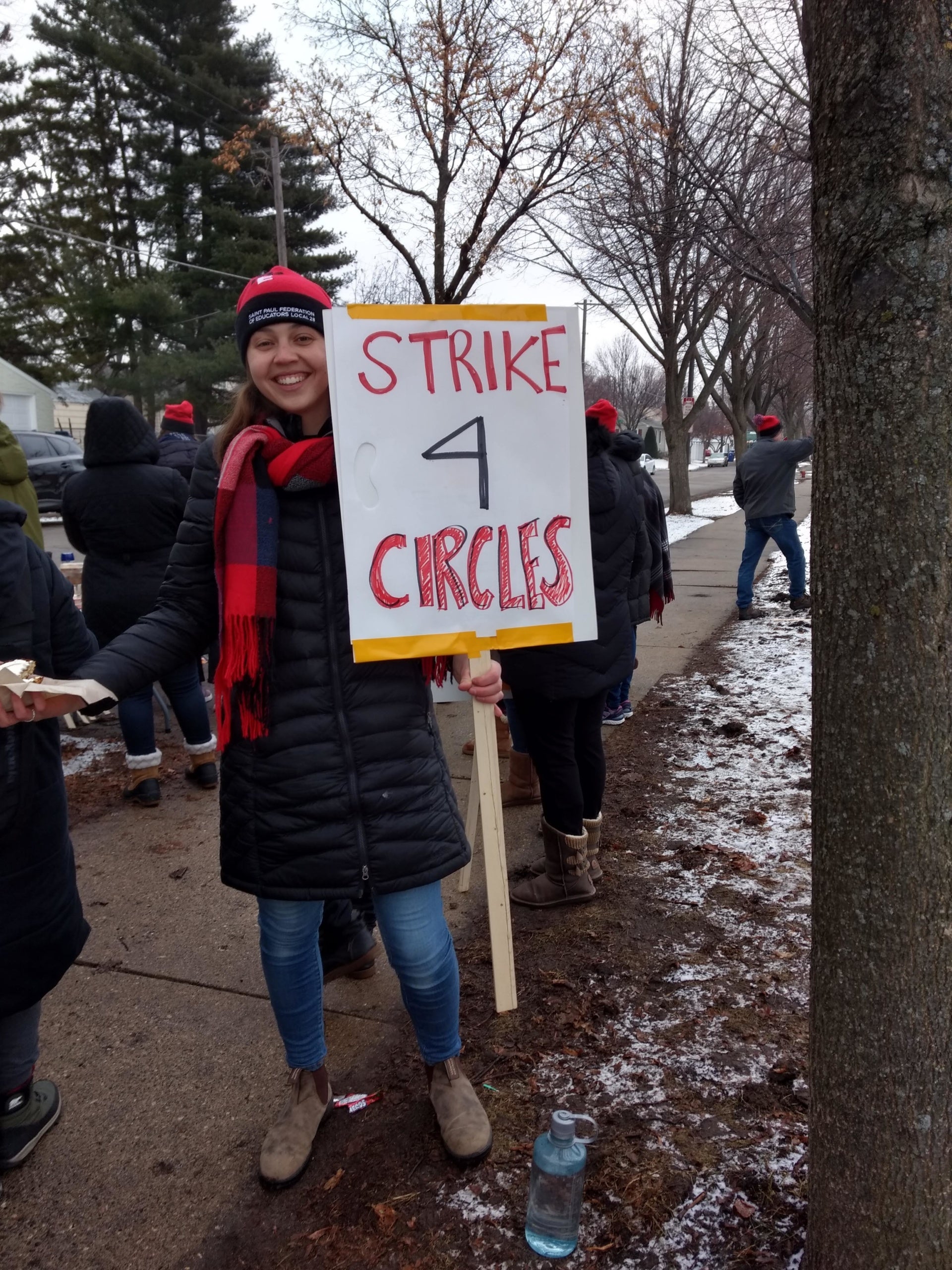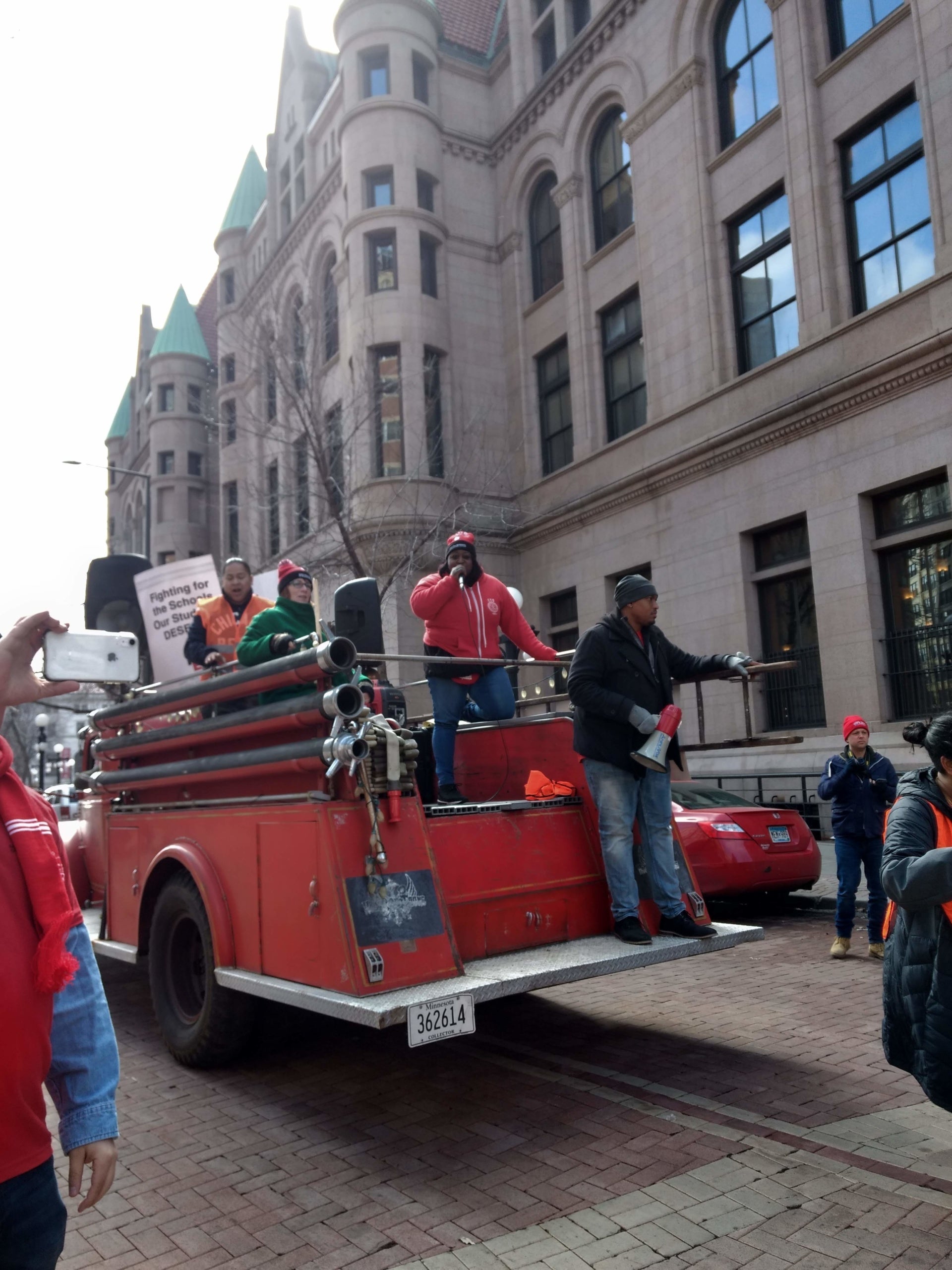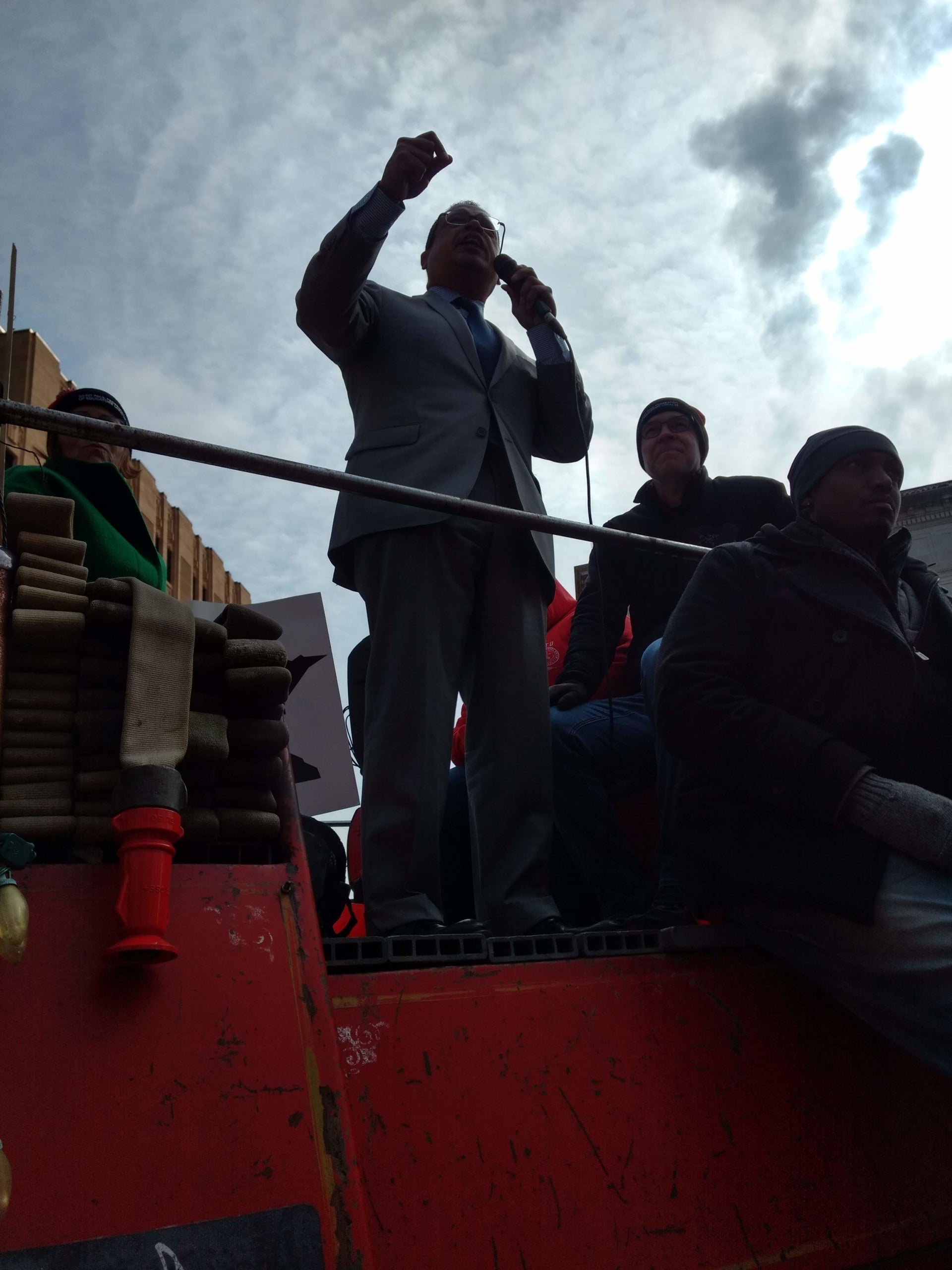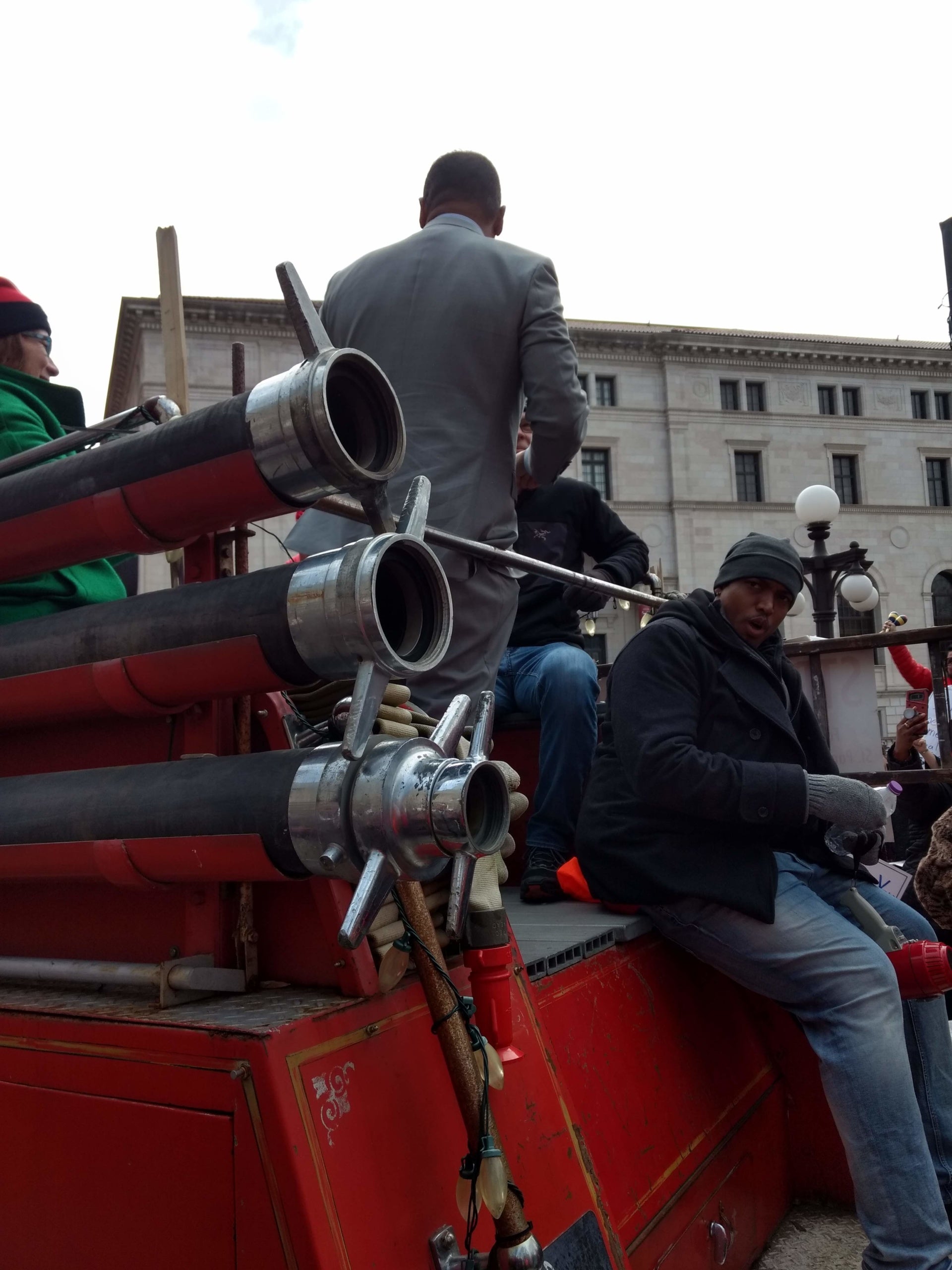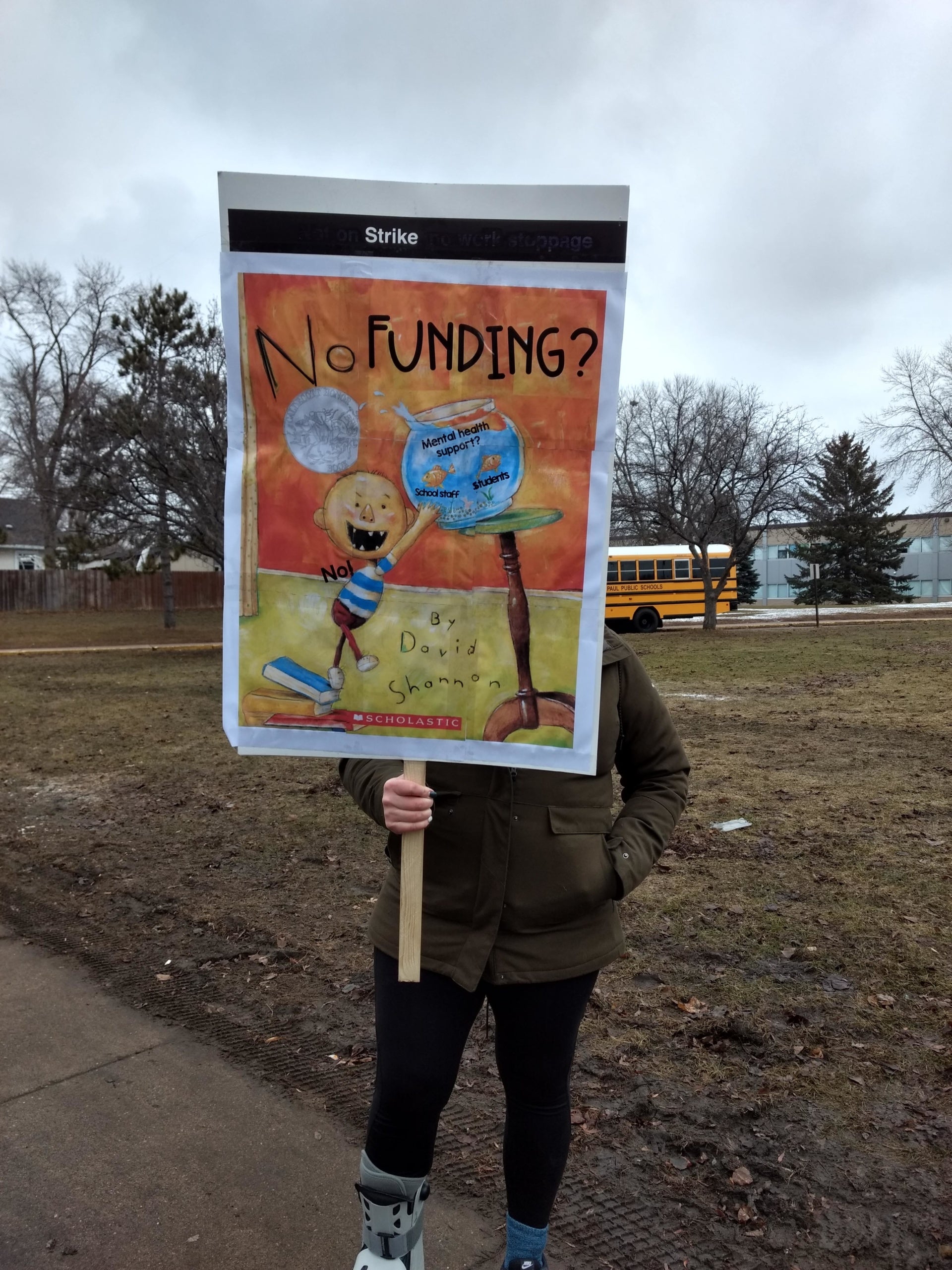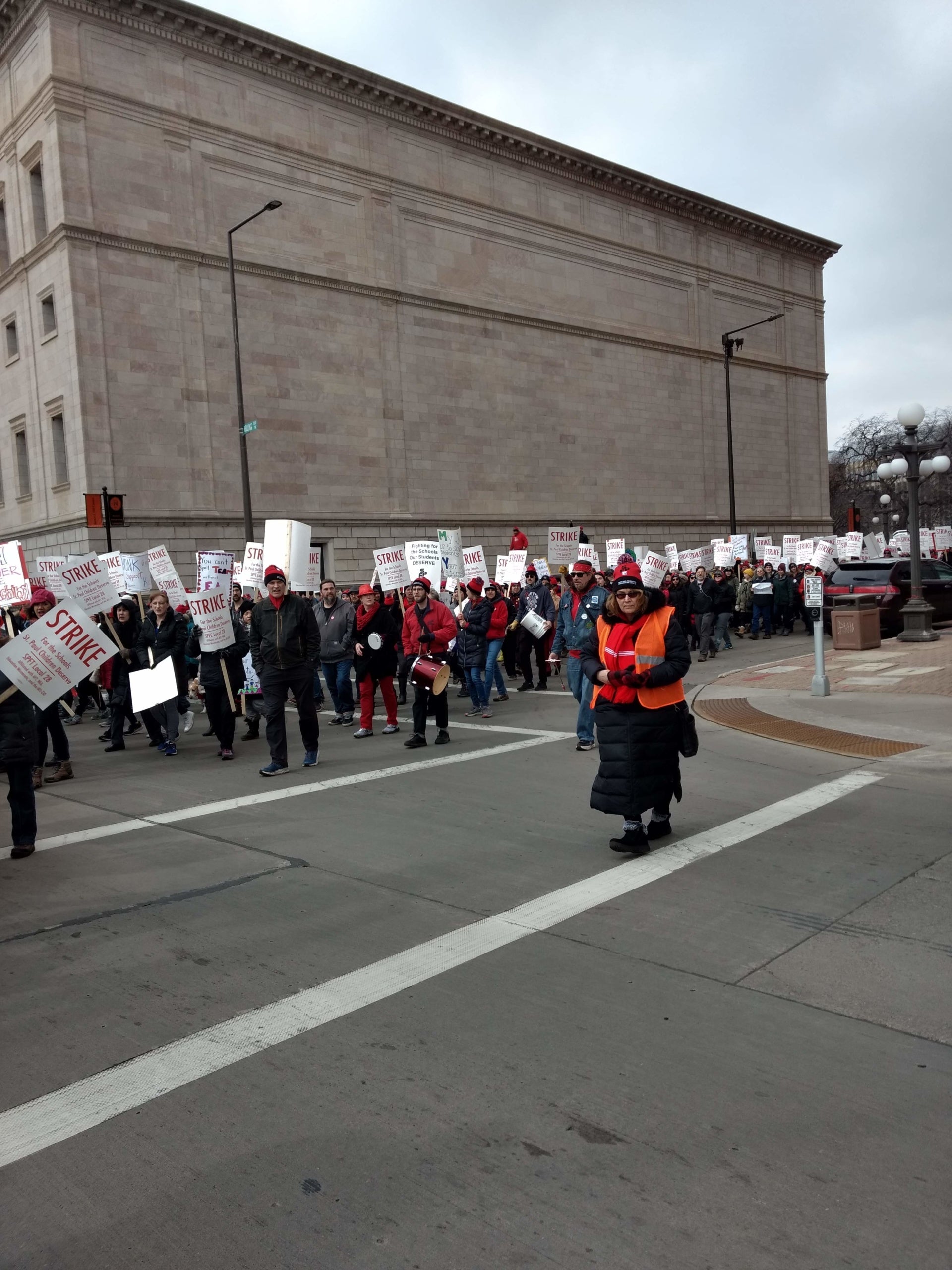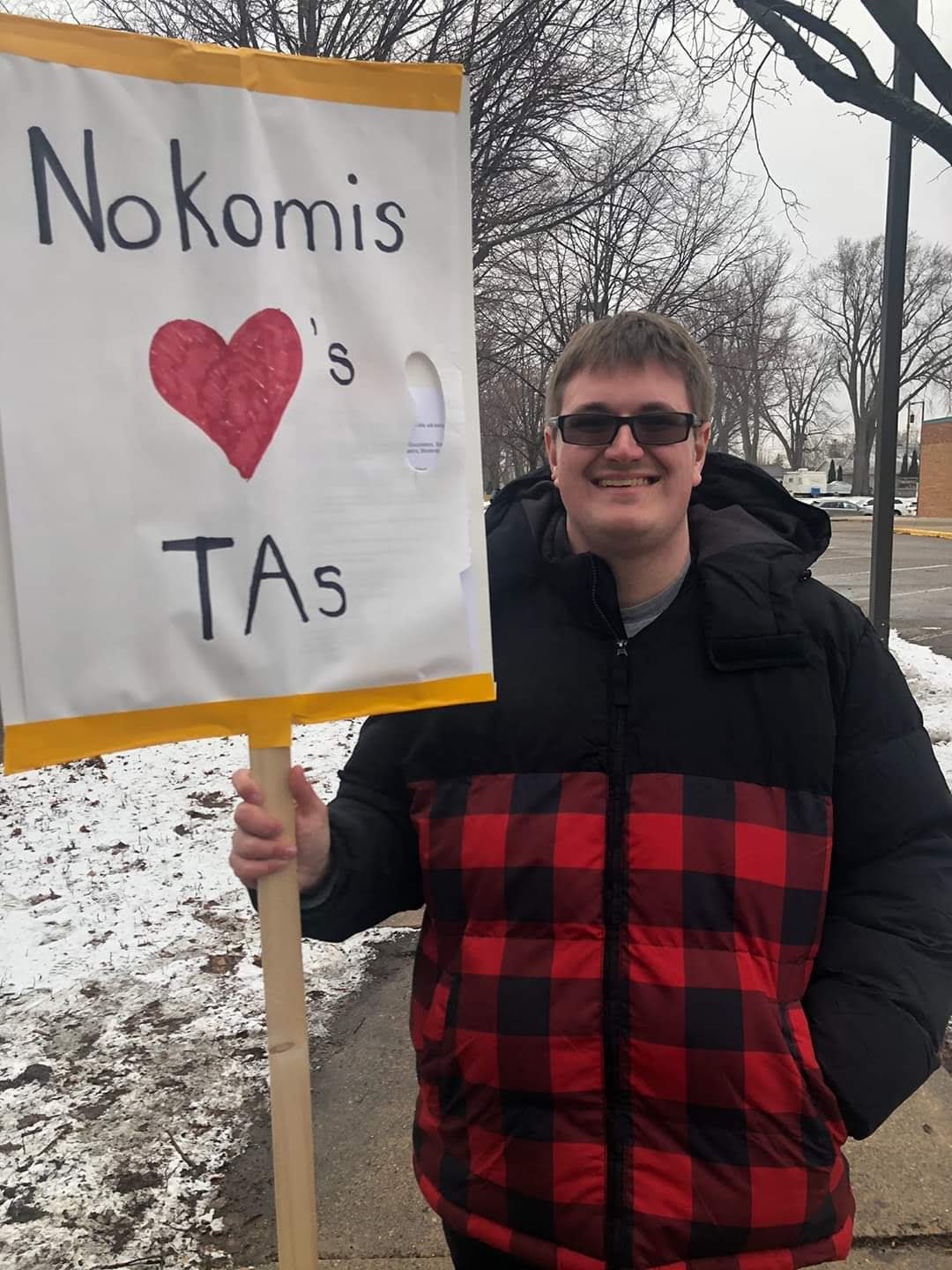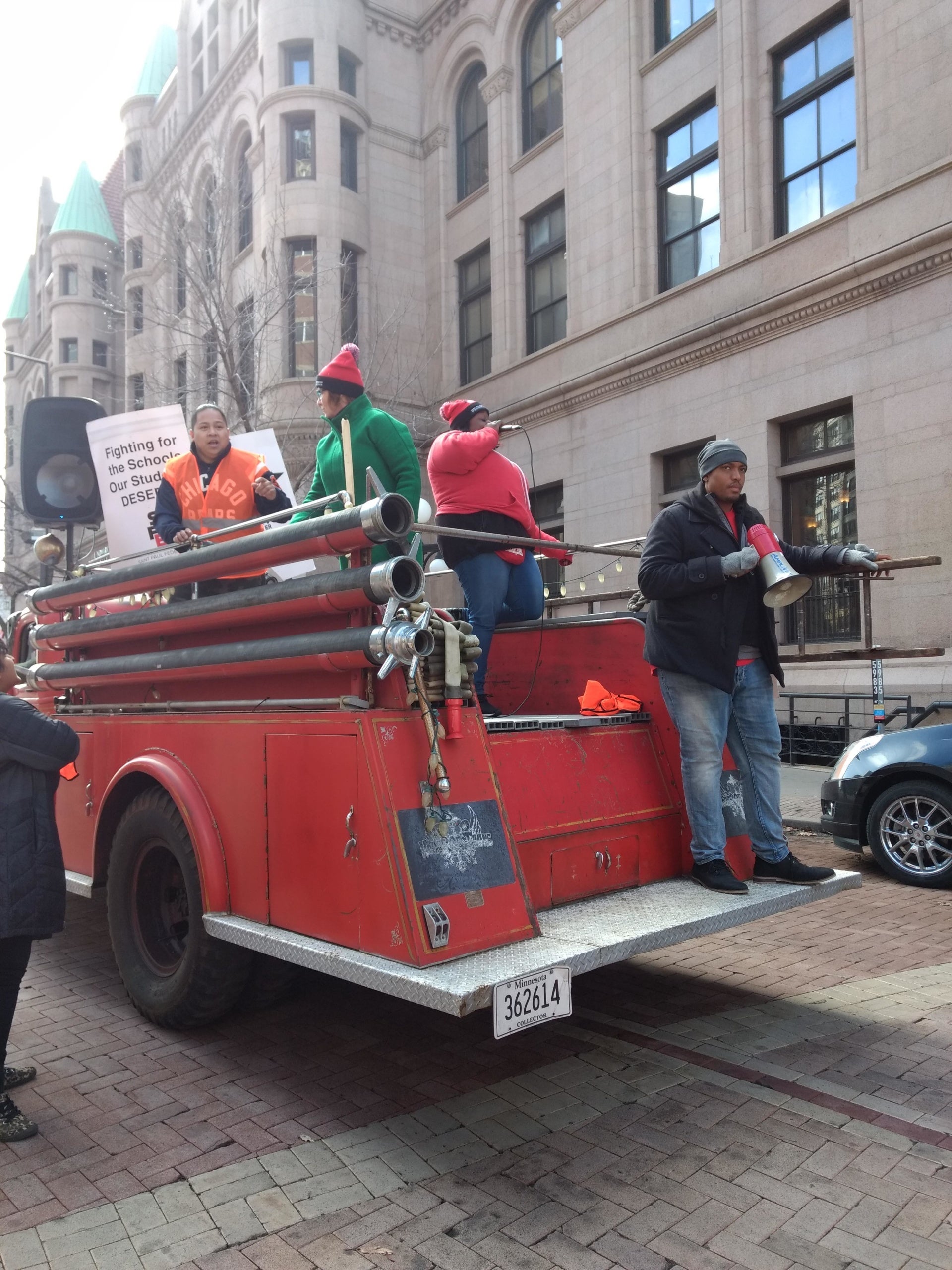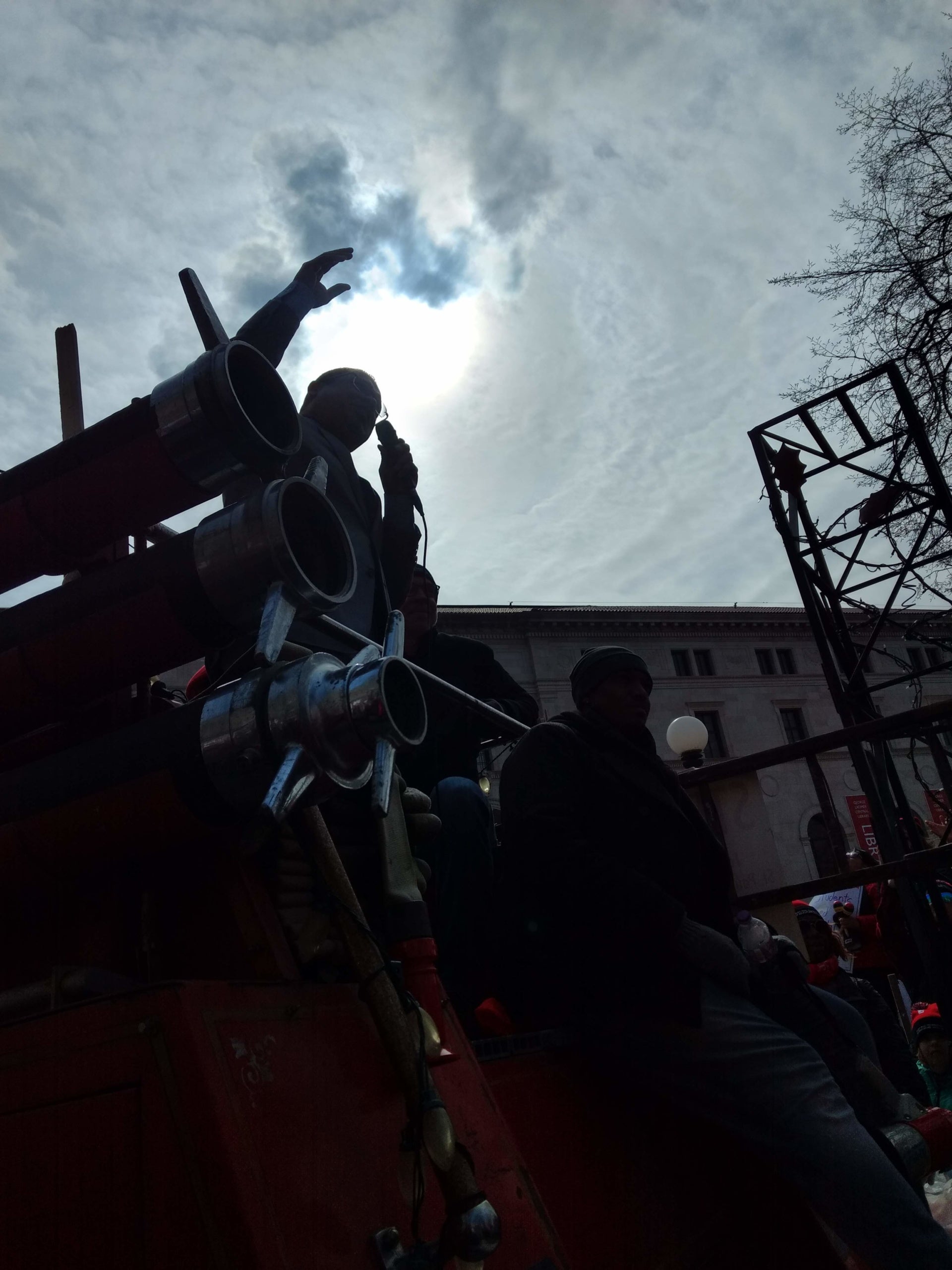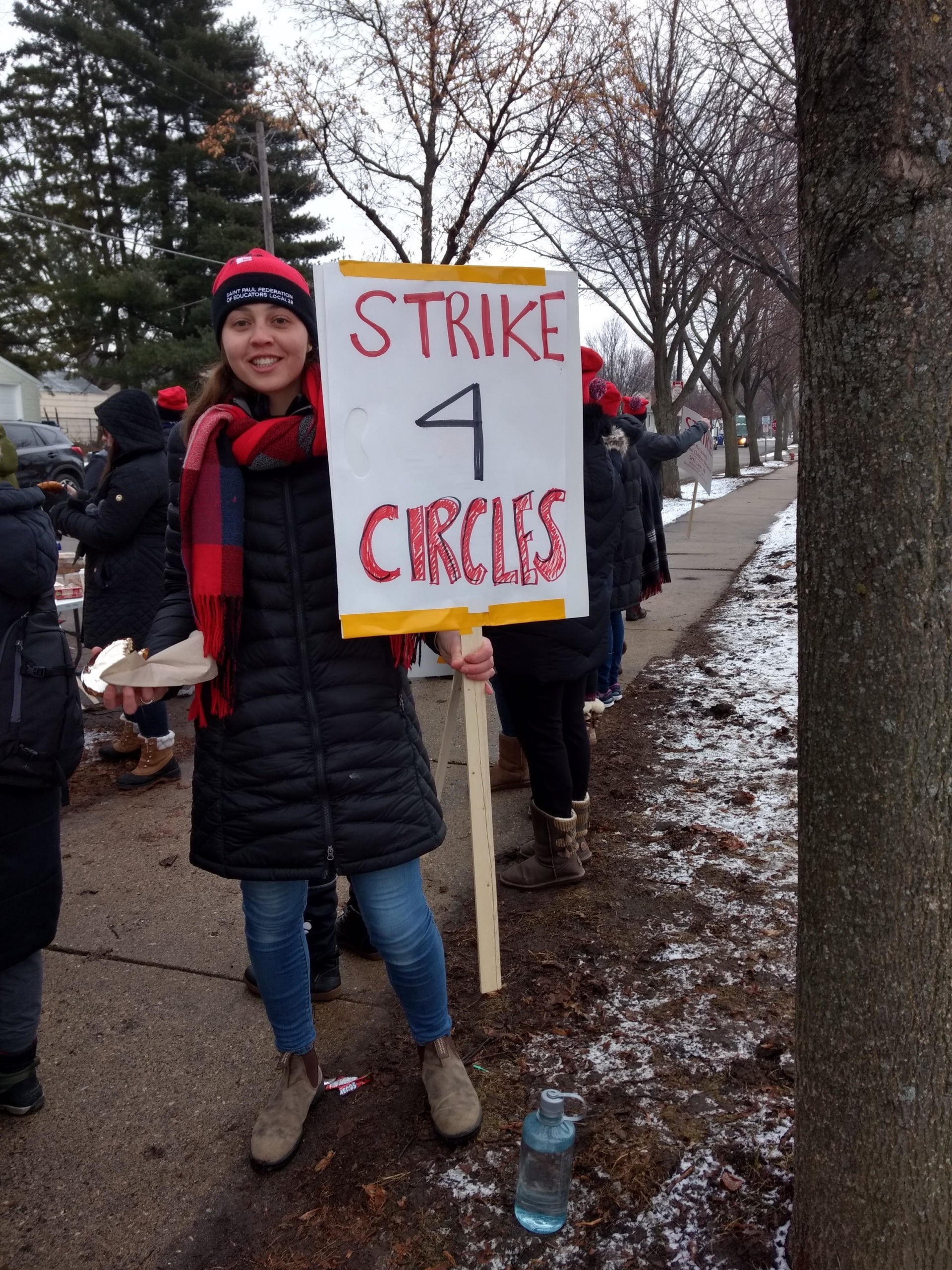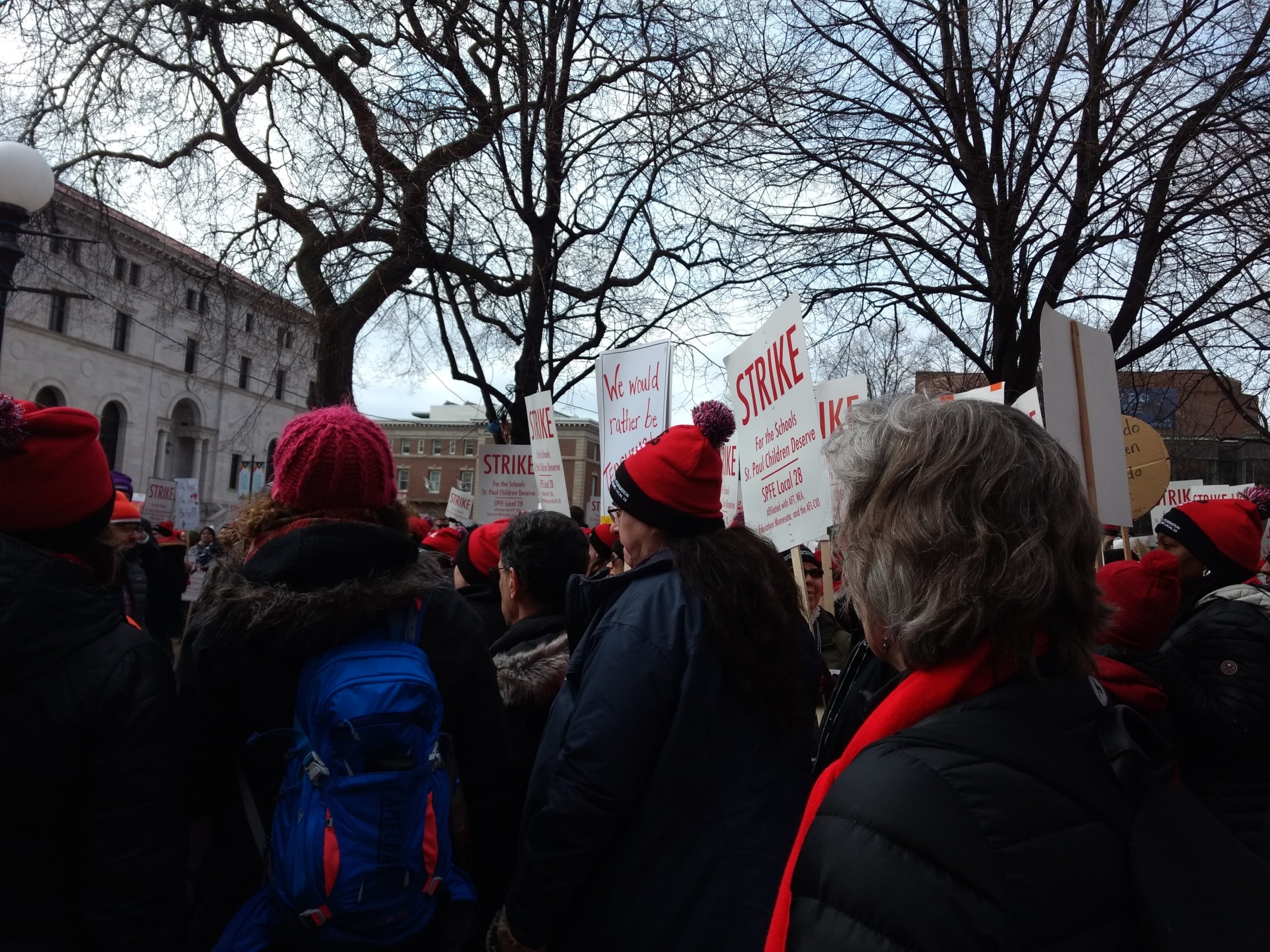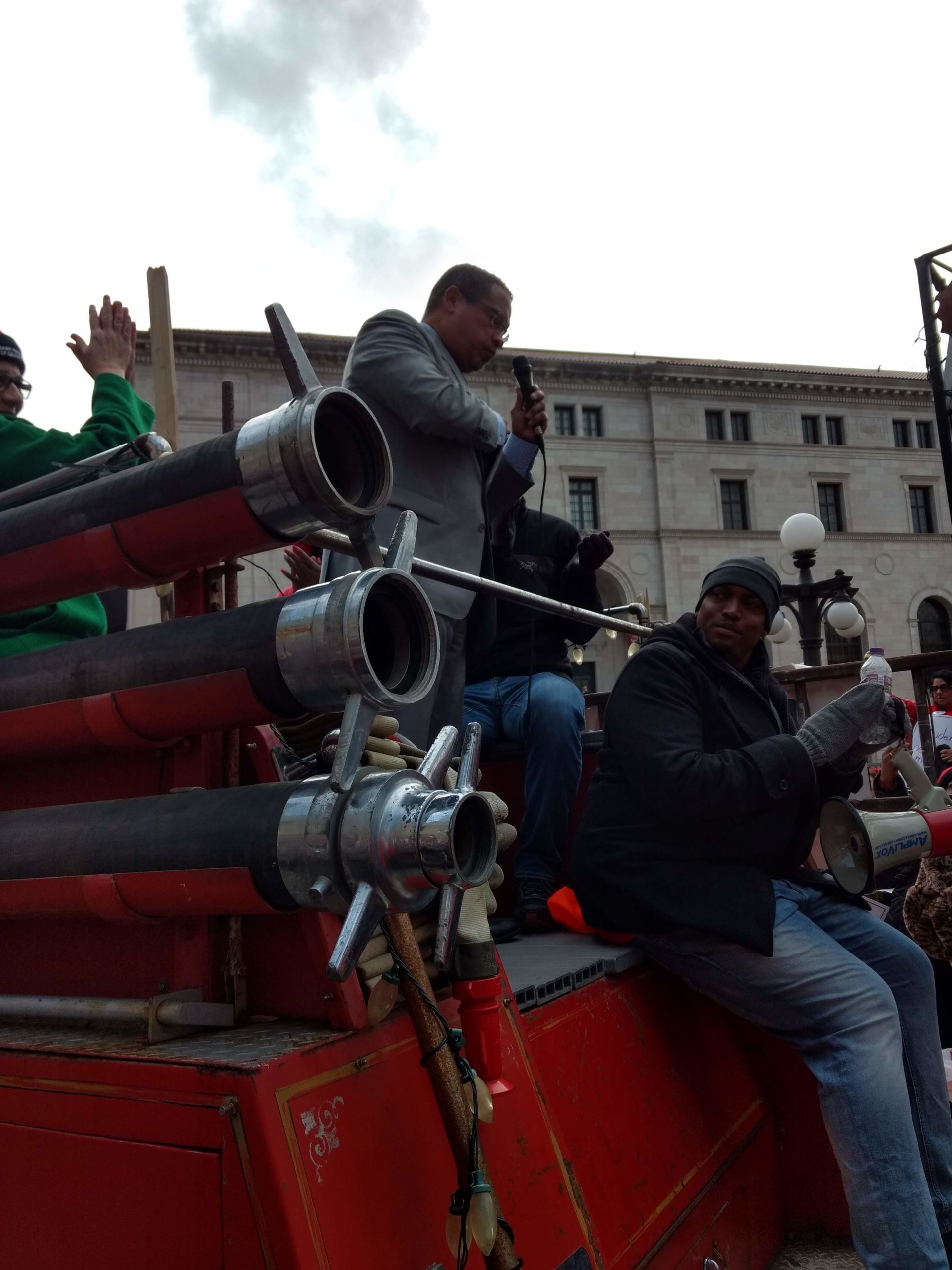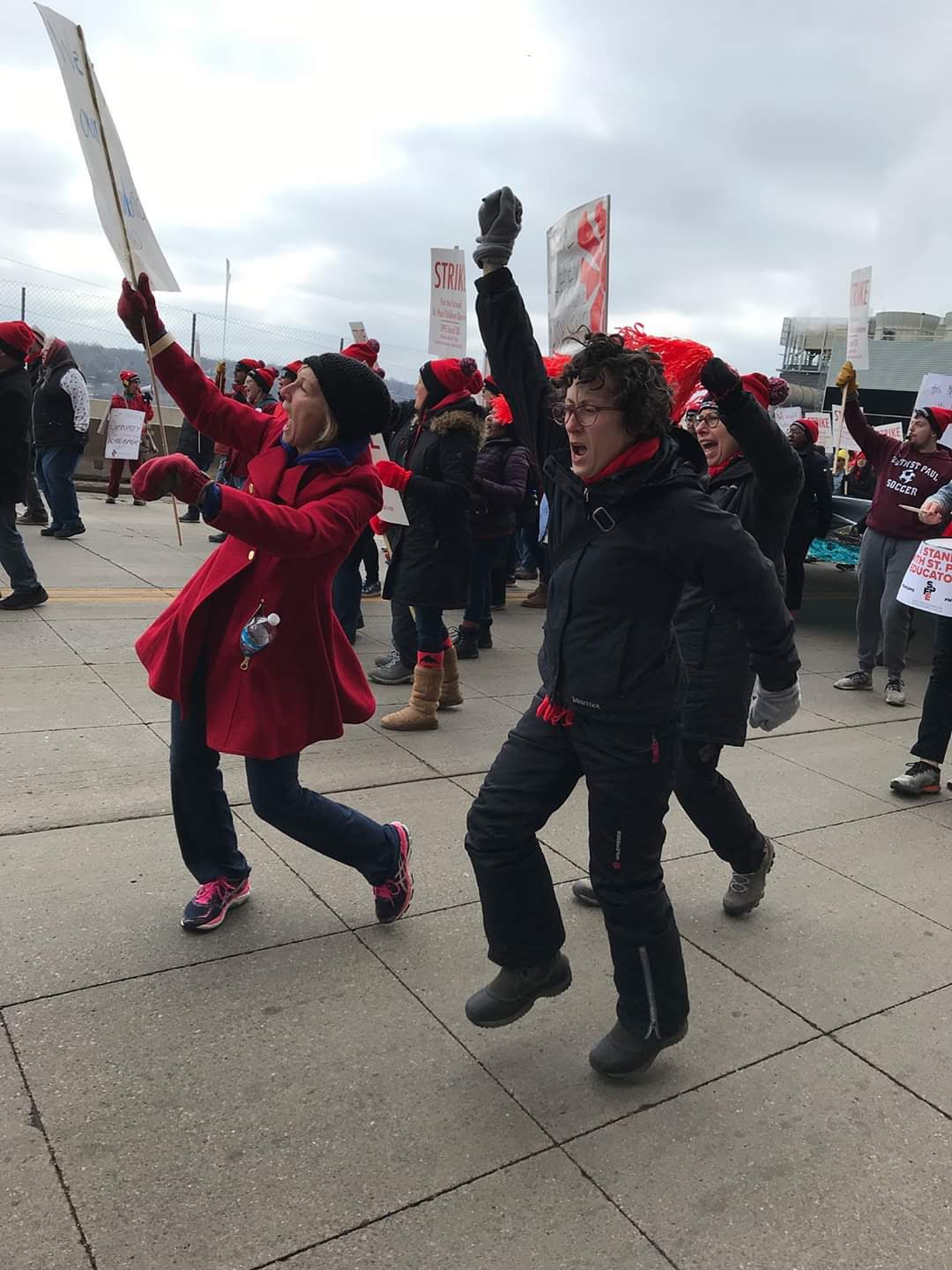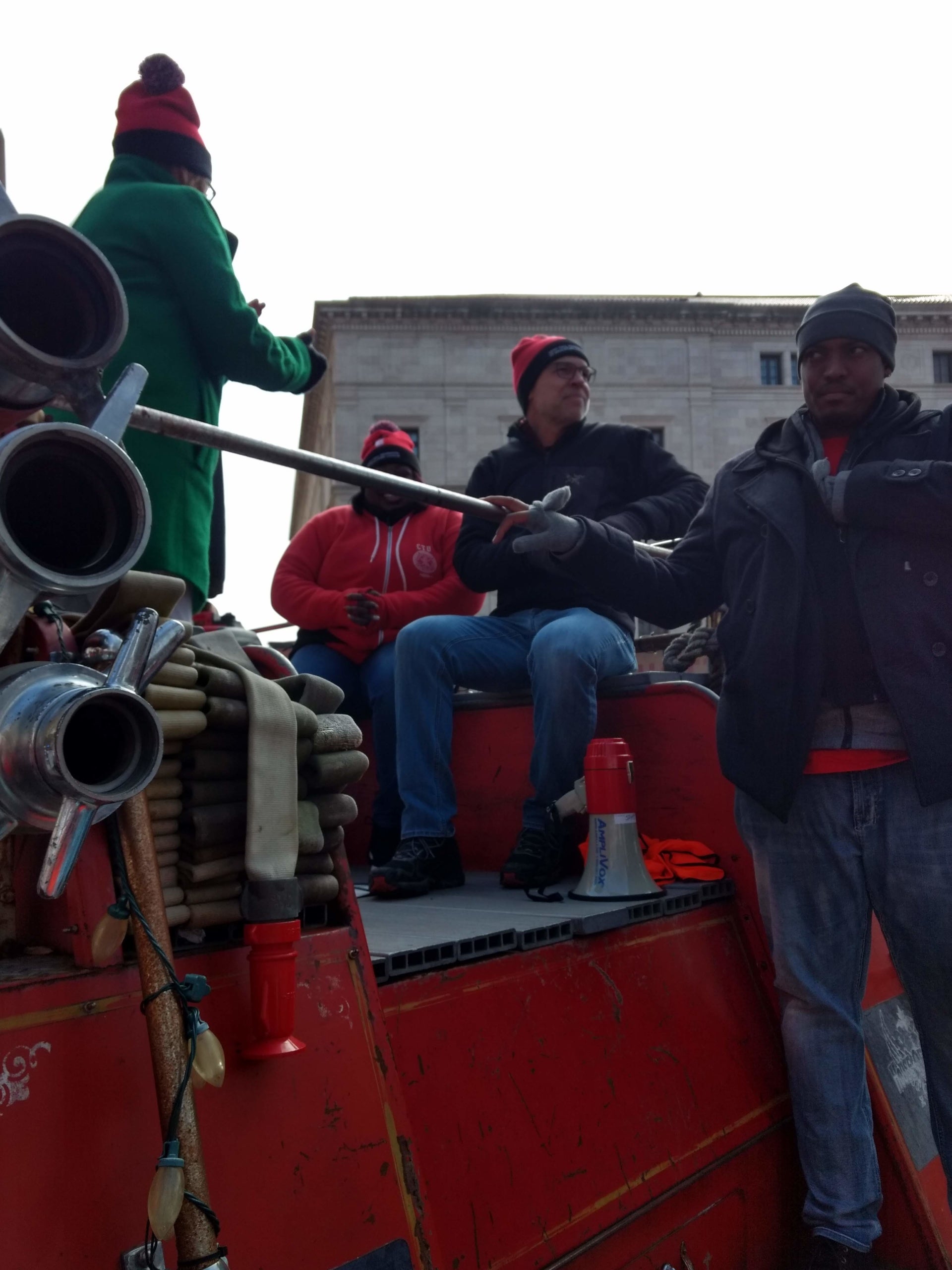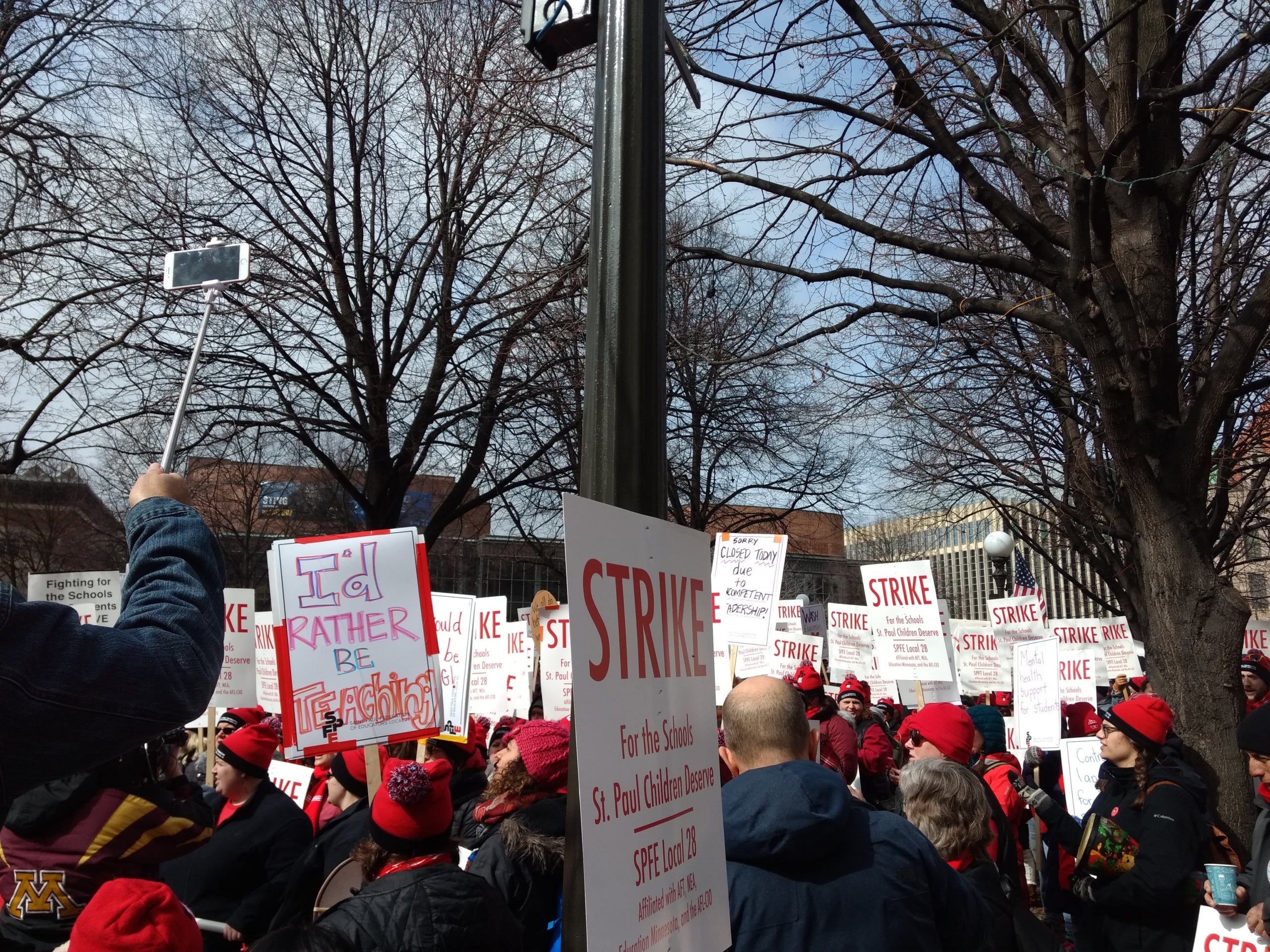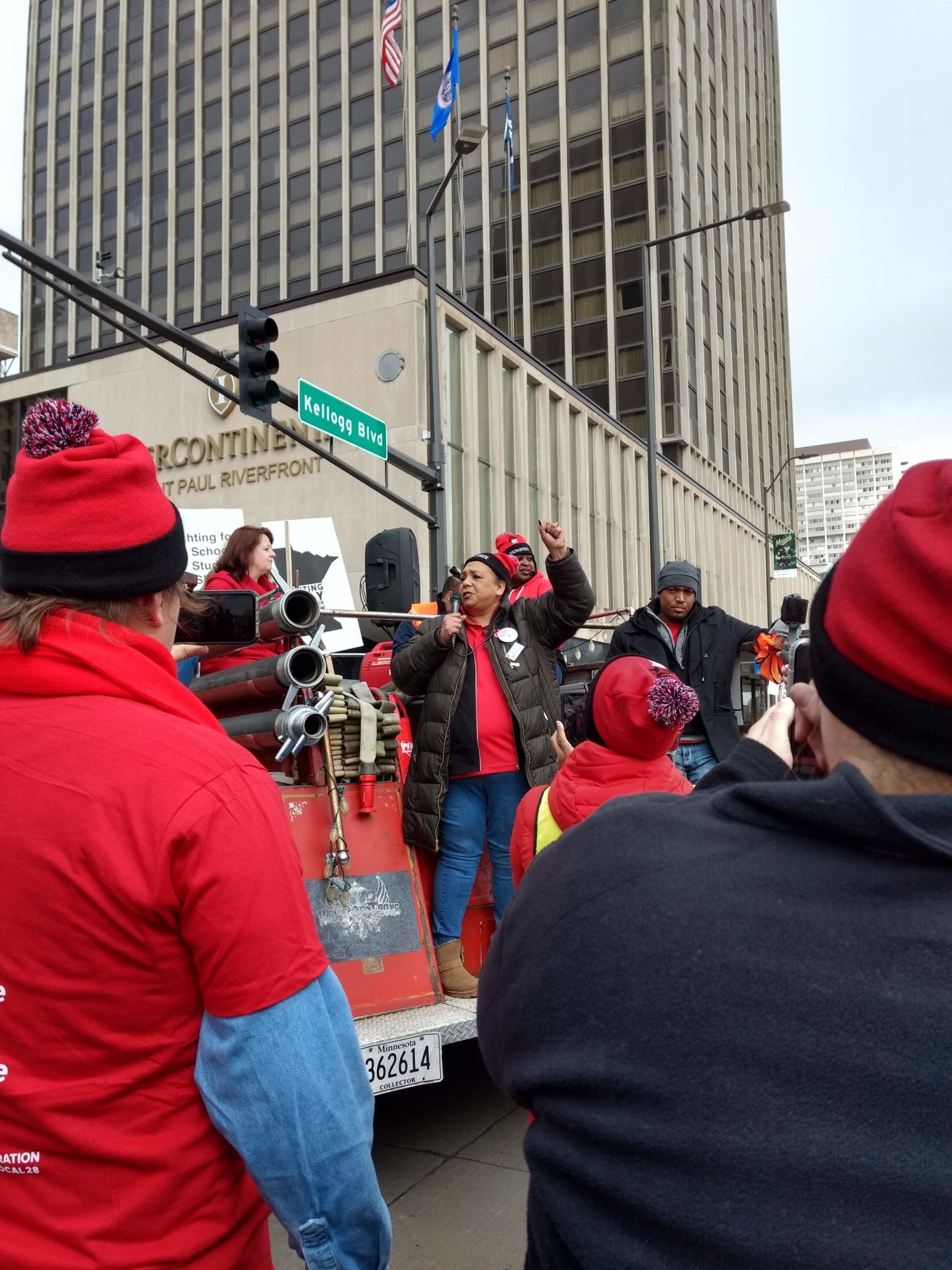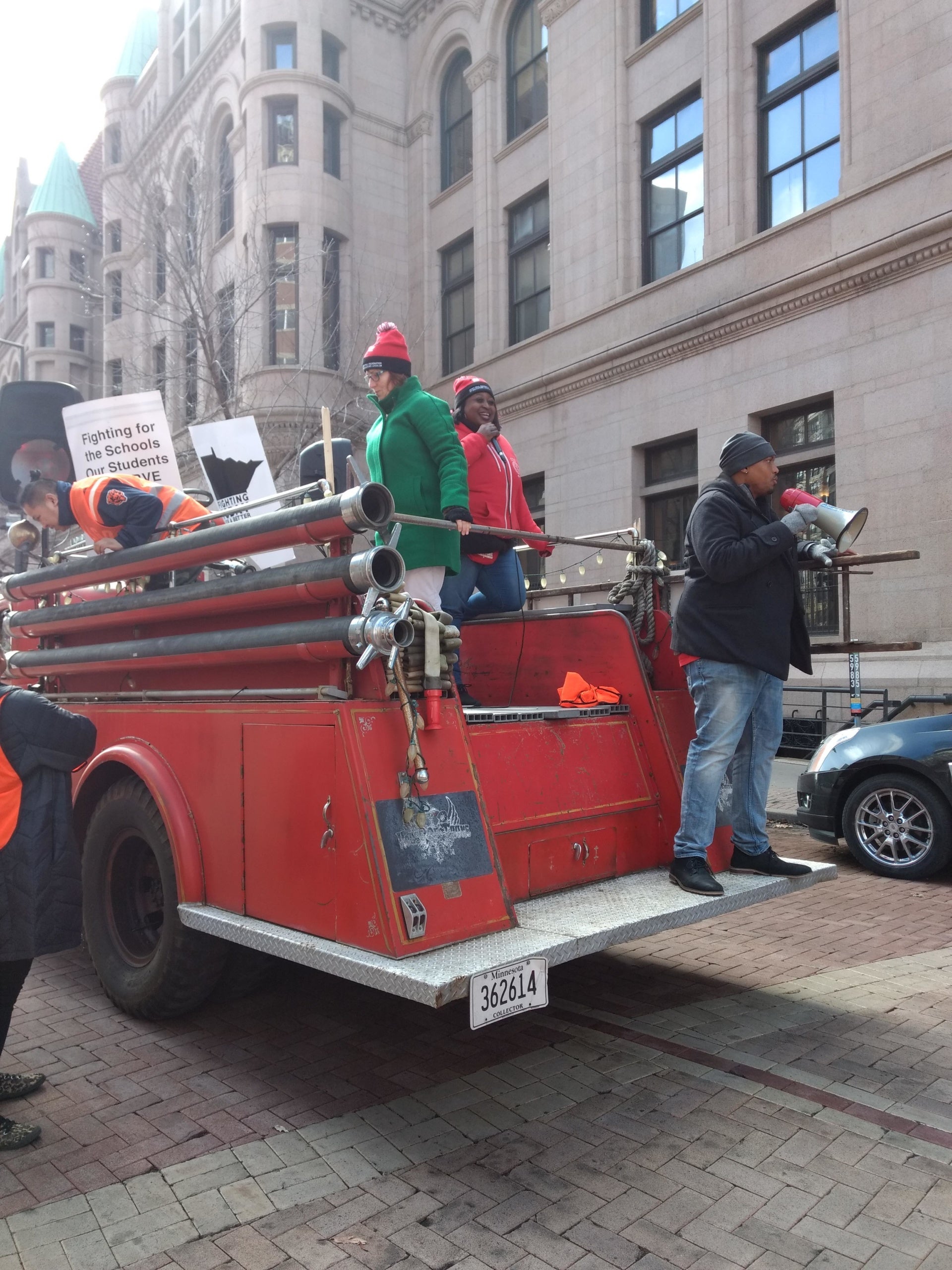

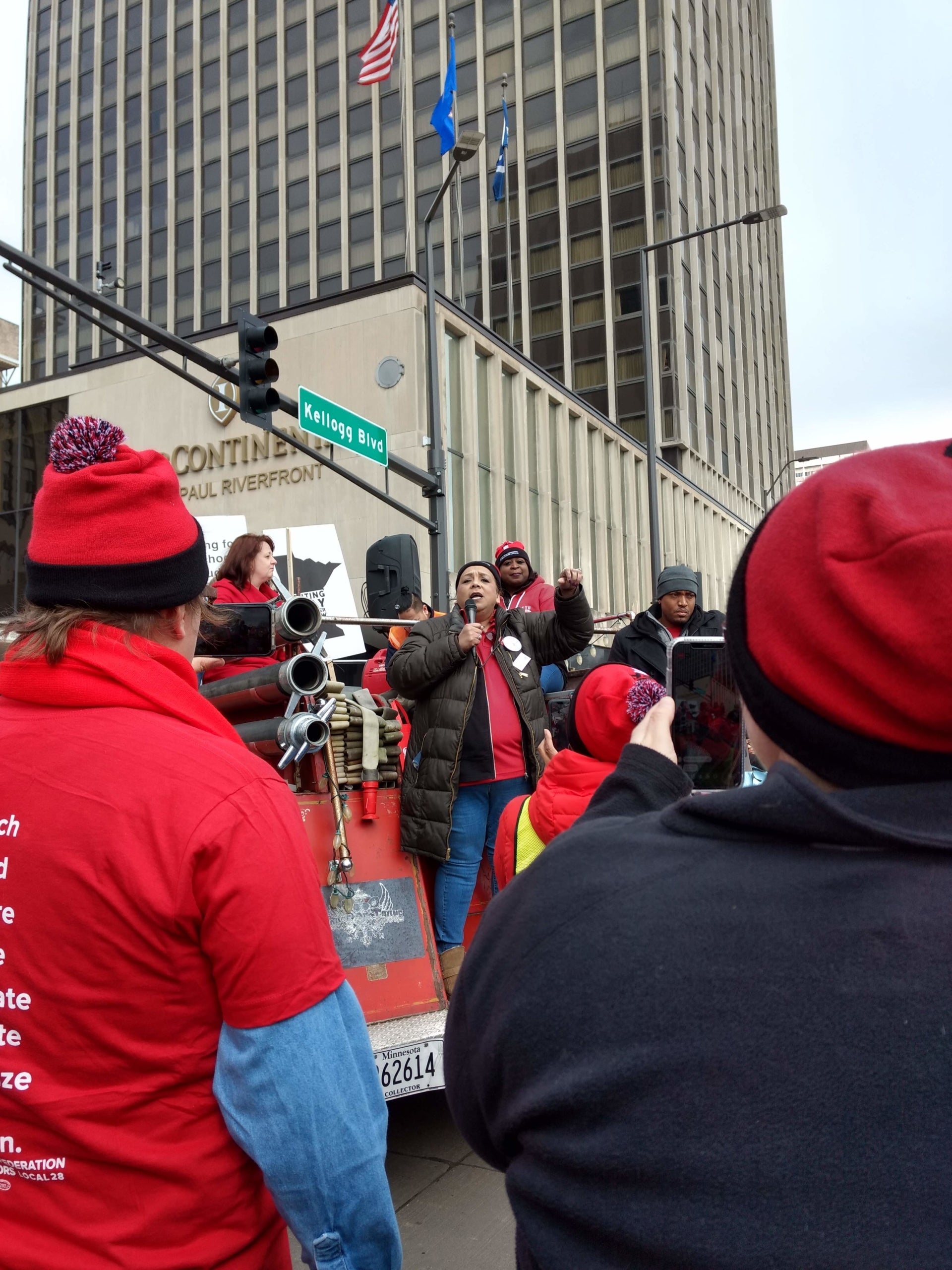
St. Paul 2020 Strike Photos, Set 1, Erica Schatzlein Collection
Photo Gallery
A gallery of photos to explore.

A gallery of photos to explore.
Women Have Always Worked: Fighting for Equality: 1950–2018.
An exploration from an online edX course.
In 2019, the percent of wage and salary workers who were members of unions—the union membership rate—was 10.3 percent, down by 0.2 percentage point from 2018, the U.S. Bureau of Labor Statistics reported today.
What Made the Battle of Blair Mountain the Largest Labor Uprising in American History. Its legacy lives on today in the struggles faced by modern miners seeking workers’ rights
In 2019, there were 25 major work stoppages involving 1,000 or more workers and lasting at least one shift, the U.S. Bureau of Labor Statistics reported today. Between 2010 and 2019 there were a total of 154 work stoppages, averaging 15 stoppages a year.
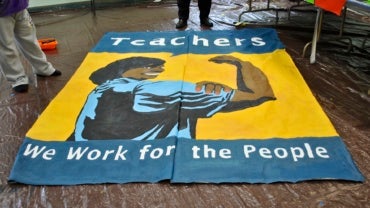
Not long ago, in the pages of this journal, I argued a number of propositions about the current state of historical research in the area of teacher unionism. One of those propositions was that a full explanation of the history of teacher union activity in the U.S.A. quite likely would require a three-pronged analysis involving the local, state, and national arenas.
From early in the 19th century through recent years, the Mahoning Valley has drawn new migrants and immigrants seeking economic opportunities and new homes. As those families settled in the area, they created the diverse cultural mix of our present day community. They brought new…
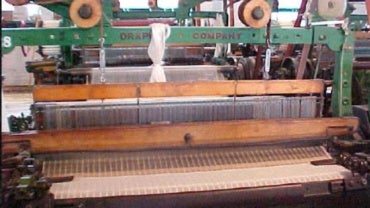
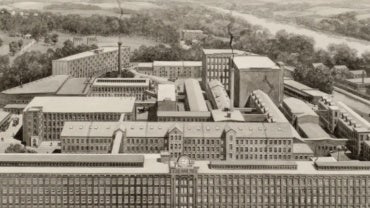
The Boott Cotton Mills Museum gives a snapshot of what is was like to work in New England cotton mills in the 1800s. The Museum, once Boott Mill #6, was originally owned by Kirk Boott, an industrialist who was responsible for much of the early urban planning that shaped Lowell’s industrial and residential landscape.
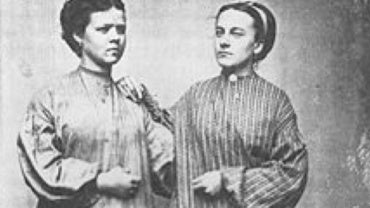
In 1907, Grace Strachan, a school principal and leader of New York’s Interborough Association of Women Teachers (IAWT), explained the significance of the organized teachers’ campaign. “I don’t think any of us are working simply for our own interests,” she offered.
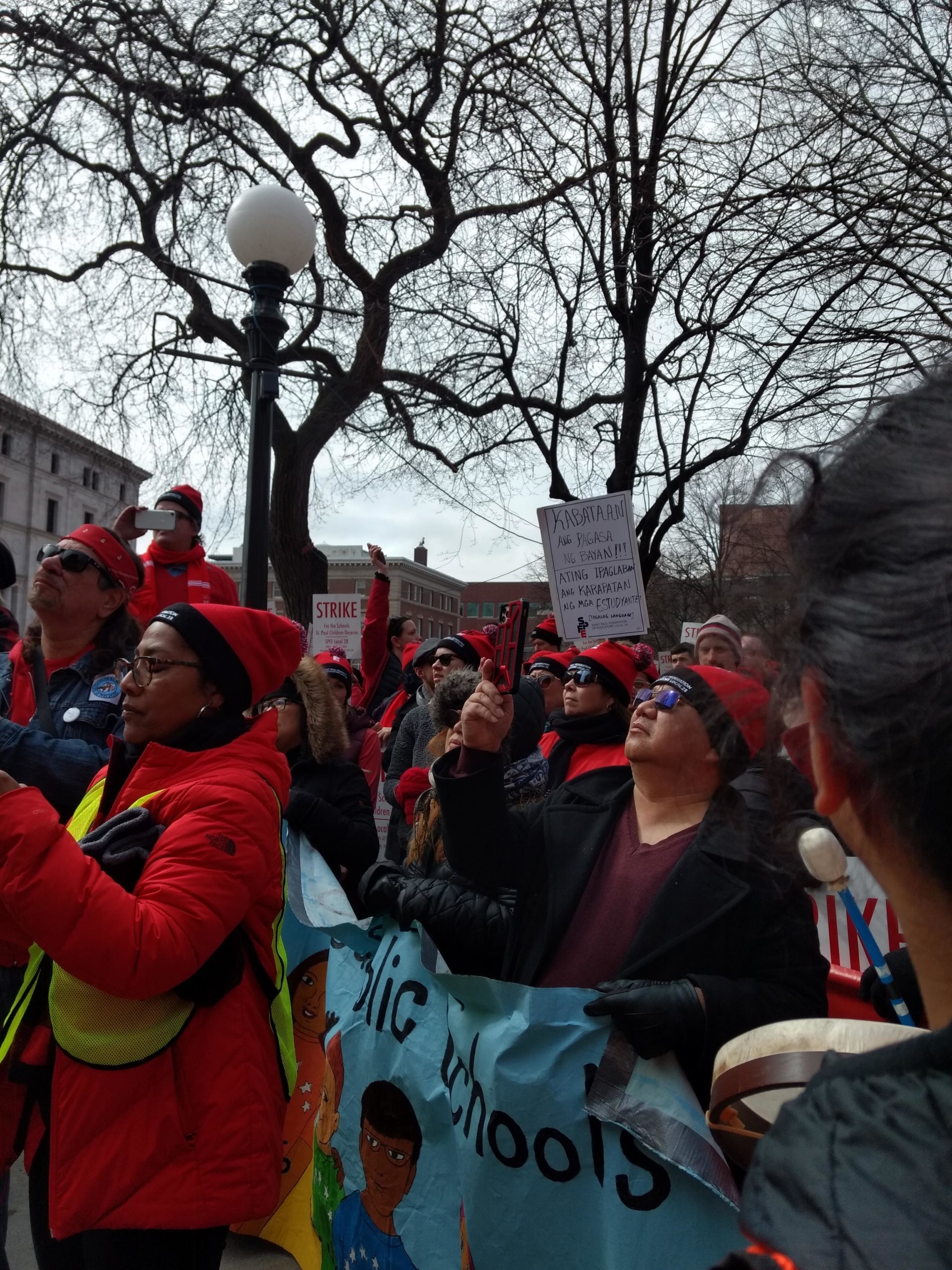
When Teachers Mobilize Oral Histories