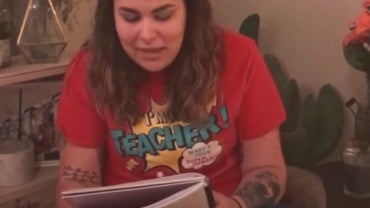

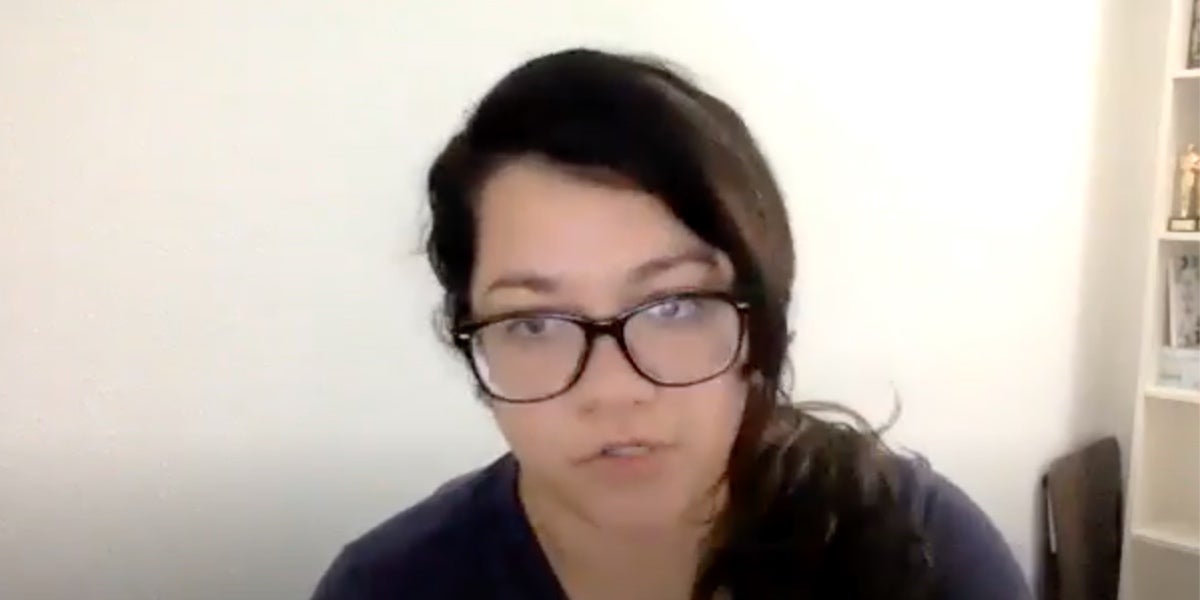
Vanessa Arredondo, Part 1, an Oral History
Oral History
When Teachers Mobilize Oral Histories

When Teachers Mobilize Oral Histories
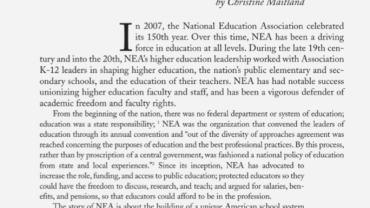
If the 1960’s were known as the era of vigorous student militancy in most sectors of American education, the 1970’s may well go down in history as the decade of the angry teacher.
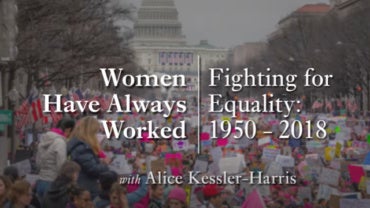
Women Have Always Worked: Fighting for Equality: 1950–2018.
An exploration from an online edX course.
From the first national strike in 1877 to the nation’s first unionized Apple store, Maryland workers have long been at the center of labor history, fighting in the name of a better, more just life for all. As the state of Maryland celebrates its 250th anniversary, Maryland250 Labor History aims to ensure that we not only remember and celebrate this legacy, but treat it as a guide for our future.
A collaborative and volunteer-run project, MD250 Labor History is bringing this history to life through historical documents, podcasts, walking tours, videos, and more. We hope it will serve as a robust resource for generations of workers to come.
In 2019, the percent of wage and salary workers who were members of unions—the union membership rate—was 10.3 percent, down by 0.2 percentage point from 2018, the U.S. Bureau of Labor Statistics reported today.
In 1907, Grace Strachan, a school principal and leader of New York’s Interborough Association of Women Teachers (IAWT), explained the significance of the organized teachers’ campaign. “I don’t think any of us are working simply for our own interests,” she offered.
A report covering salary, class size & staffing, academic freedom, shared decision making, assignments and more.