
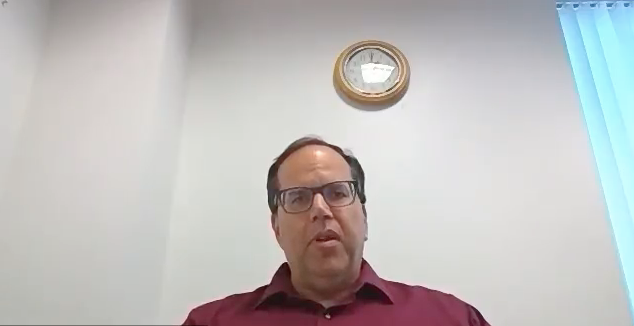
Alex Caputo-Pearl, an Oral History
Oral History
When Teachers Mobilize Oral Histories

When Teachers Mobilize Oral Histories
In 2007, the National Education Association celebrated its 150th year. Over this time, NEA has been a driving force in education at all levels.
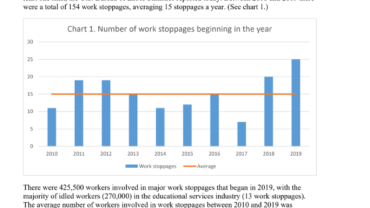
In 2019, the percent of wage and salary workers who were members of unions—the union membership rate—was 10.3 percent, down by 0.2 percentage point from 2018, the U.S. Bureau of Labor Statistics reported today.
The repeated argument I hear from people who are opposed to Oklahoma teachers walking out tomorrow is “we knew what we were doing when we signed up for this.” You’re right. We did. We signed up for the hardest job in the world and putting our kids first. Here’s a poem about it.
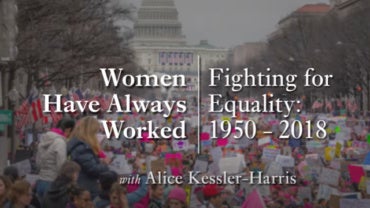
Women Have Always Worked: Fighting for Equality: 1950–2018.
An exploration from an online edX course.
In 1907, Grace Strachan, a school principal and leader of New York’s Interborough Association of Women Teachers (IAWT), explained the significance of the organized teachers’ campaign. “I don’t think any of us are working simply for our own interests,” she offered.
“Wildcat” strikes, like the one that teachers used effectively in West Virginia in February/March of this year, are when union members walk off the job despite the wishes of their leadership. By definition, they are something uncontrollable and spontaneous.