
National Domestic Workers Alliance – New York
History Site
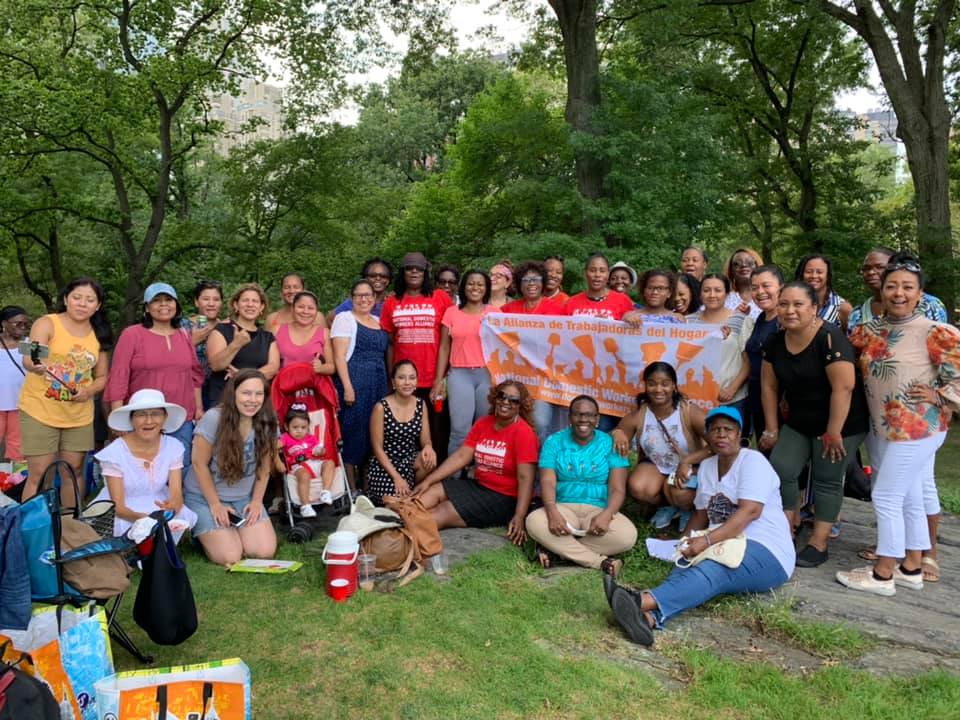
Domestic work is the work that makes all other work possible. Together, we can win the protections and recognition that this vital American workforce needs. Join us today!

Domestic work is the work that makes all other work possible. Together, we can win the protections and recognition that this vital American workforce needs. Join us today!
In 2018, there were 20 major work stoppages involving 485,000 workers, the U.S. Bureau of Labor Statistics reported today. The number of major work stoppages beginning in 2018 was the highest since 2007 (21 major work stoppages). The number of workers involved was the highest since 1986 (533,000 workers).
A comprehensive bibliography of information, documents and links of U.S. labor history sites on the internet. It was developed by labor historian Rosemary Feurer for the Labor and Working Class History Association. Visit site
The Wisconsin Labor History Society is a volunteer-based organization working to record and catalogue the historical labor events of Wisconsin.
America at Work, America at Leisure: Motion Pictures from 1894-1915 consists of 150 motion pictures, 62 of which also appear in other online collections. The majority of the films are from the Paper Print Collection, while the remainder are from the George Kleine Collection, both…
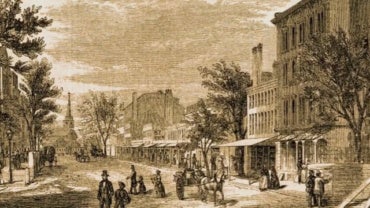
In the early 19th century the United States of America began to experience many changes. In parts of the country there was a shift from an agrarian society to an industrial society.
The ongoing Red for Ed movement in Arizona sparks an interesting discussion on its place as a social movement. This thesis examines the movement in close detail, particularly in regard to how it fits within the social movement literature’s insider/outsider framework.
The Flint sit-down strike, which started on Dec. 30, 1936, represented a shift in union organizing strategies from craft unionism (organizing white male skilled workers) to industrial unionism (organizing all the workers in an industry). The sit-down strike changed the balance of power between employers and workers.
In the town of Matewan, the West Virginia Mine Wars Museum sits at the site of a historic battle which erupted in May of 1920, setting into motion a chain of events that led to the largest armed uprising in the United States since our civil war.