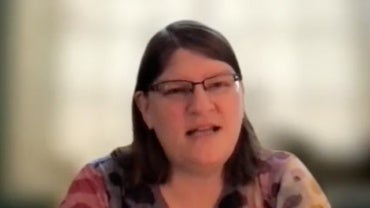

Stephanie Price, an Oral History
Oral History
When Teachers Mobilize Oral Histories

When Teachers Mobilize Oral Histories
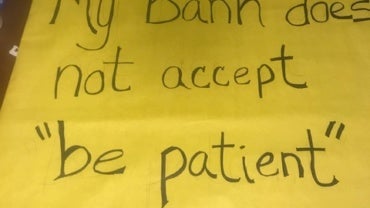
The repeated argument I hear from people who are opposed to Oklahoma teachers walking out tomorrow is “we knew what we were doing when we signed up for this.” You’re right. We did. We signed up for the hardest job in the world and putting our kids first. Here’s a poem about it.
In 1907, Grace Strachan, a school principal and leader of New York’s Interborough Association of Women Teachers (IAWT), explained the significance of the organized teachers’ campaign. “I don’t think any of us are working simply for our own interests,” she offered.
When Teachers Mobilize Oral Histories
While studies of the New York City Teachers Union (TU) generally attribute its eventual demise to the Red Scares of the 1940s and 1950s, this article situates the TU in the history of New York City teachers associations more generally.
In 2012, the Chicago Teachers Union (CTU) issued the groundbreaking report, The Schools Chicago’s Students Deserve. The report provided a counter-narrative to ideas popular among corporate education reformers (or de-formers, as some like to say).
When Teachers Mobilize Oral Histories
In 2018, there were 20 major work stoppages involving 485,000 workers, the U.S. Bureau of Labor Statistics reported today. The number of major work stoppages beginning in 2018 was the highest since 2007 (21 major work stoppages). The number of workers involved was the highest since 1986 (533,000 workers).
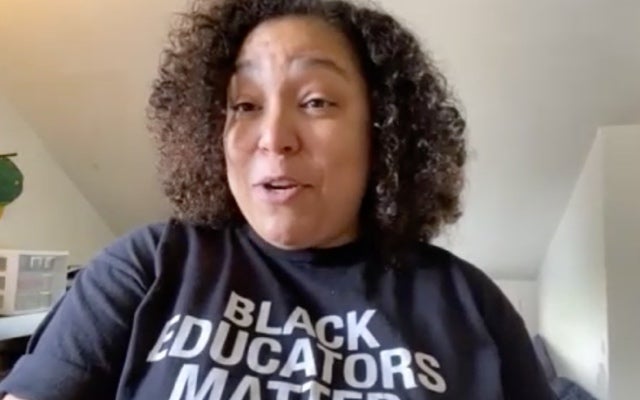
Teaching in St. Paul Public Schools was a destination for me because I knew our schools had a gorgeous student population that reflected our world. I also found an amazing group of dedicated, talented colleagues I am honored to work alongside and represent.