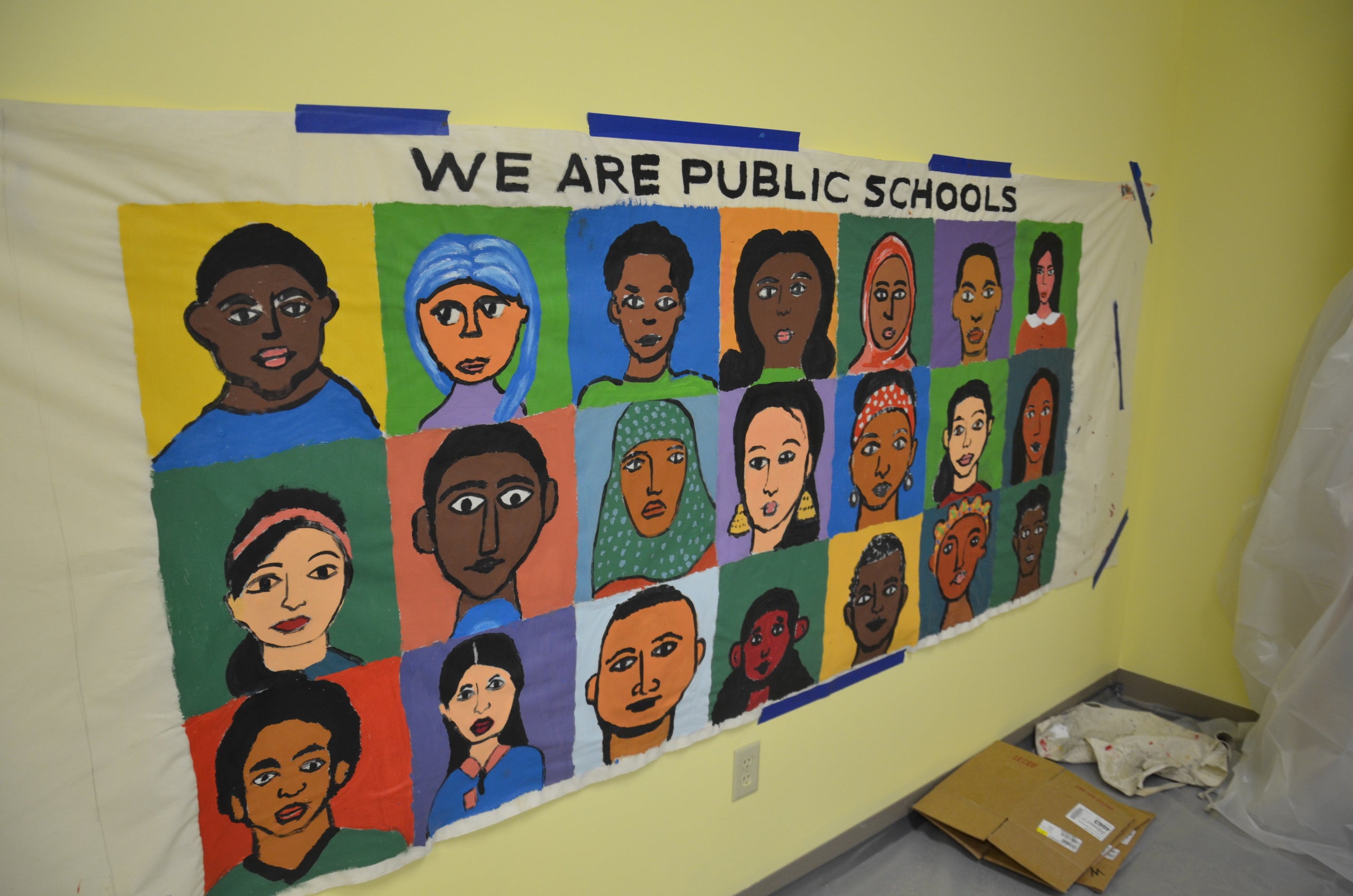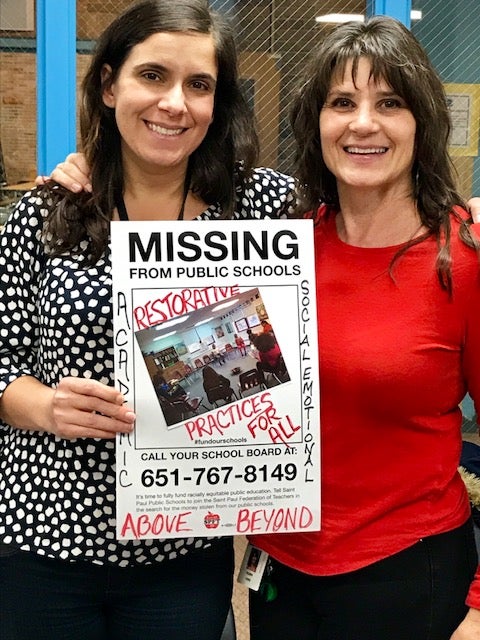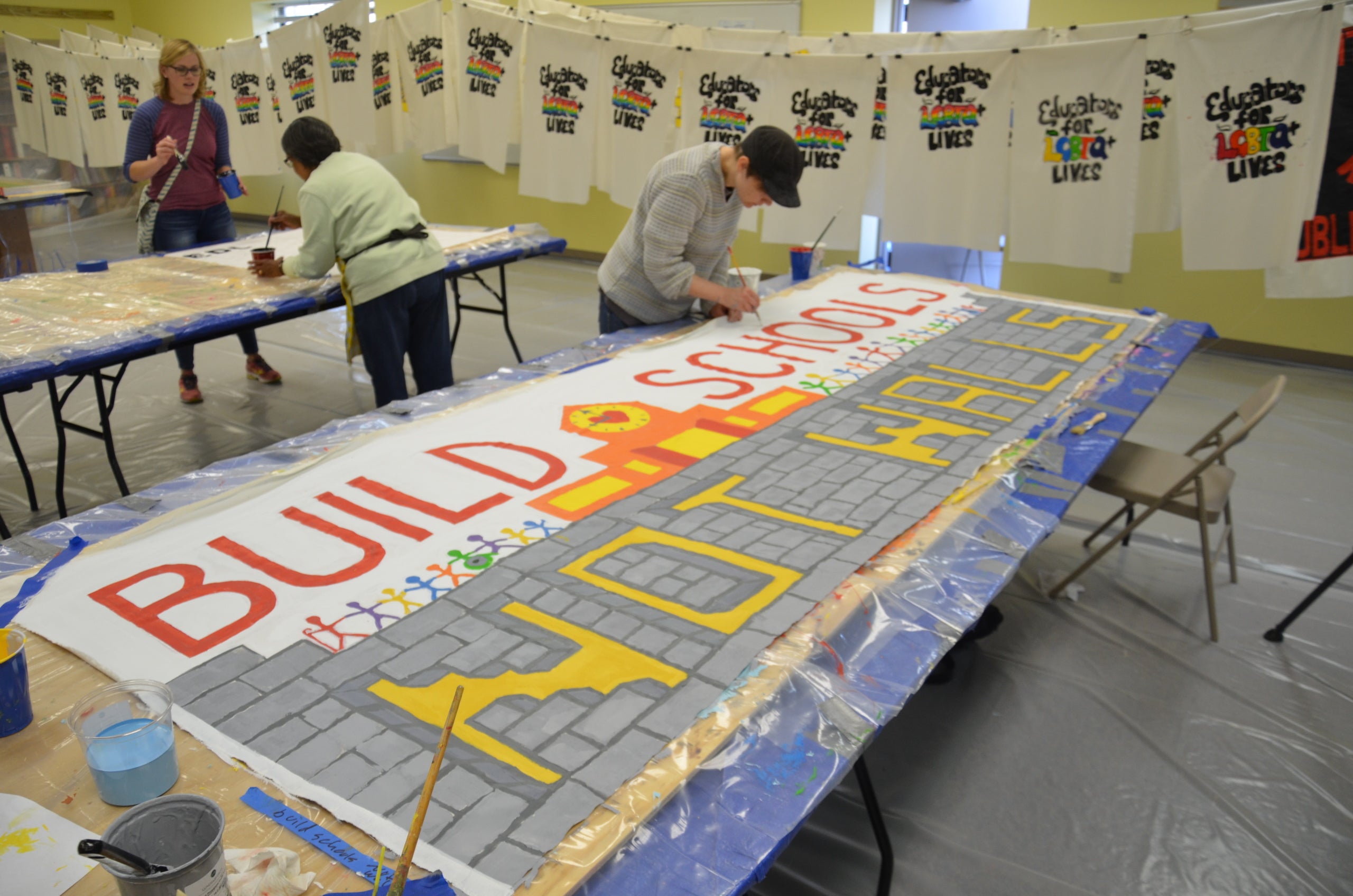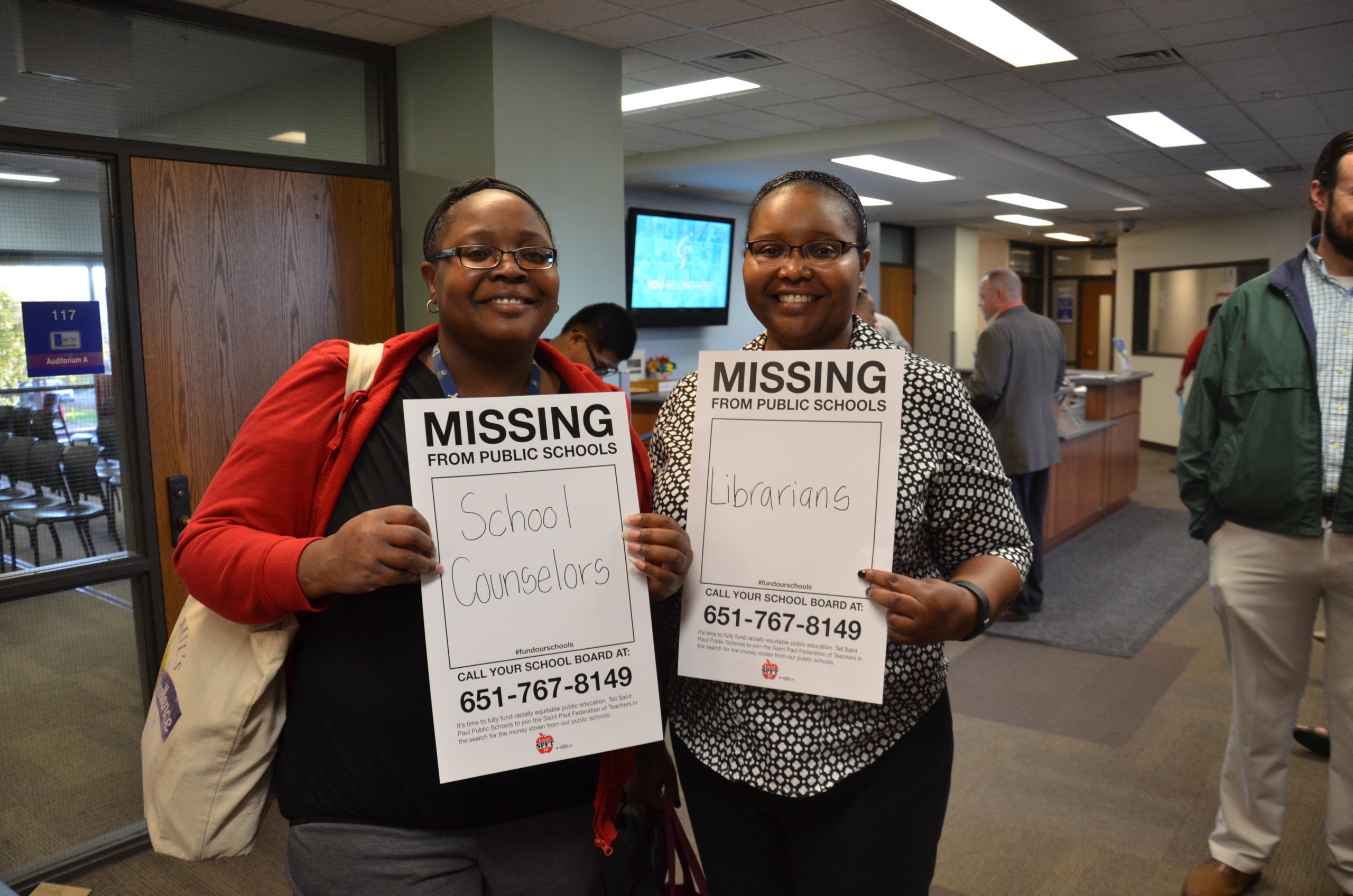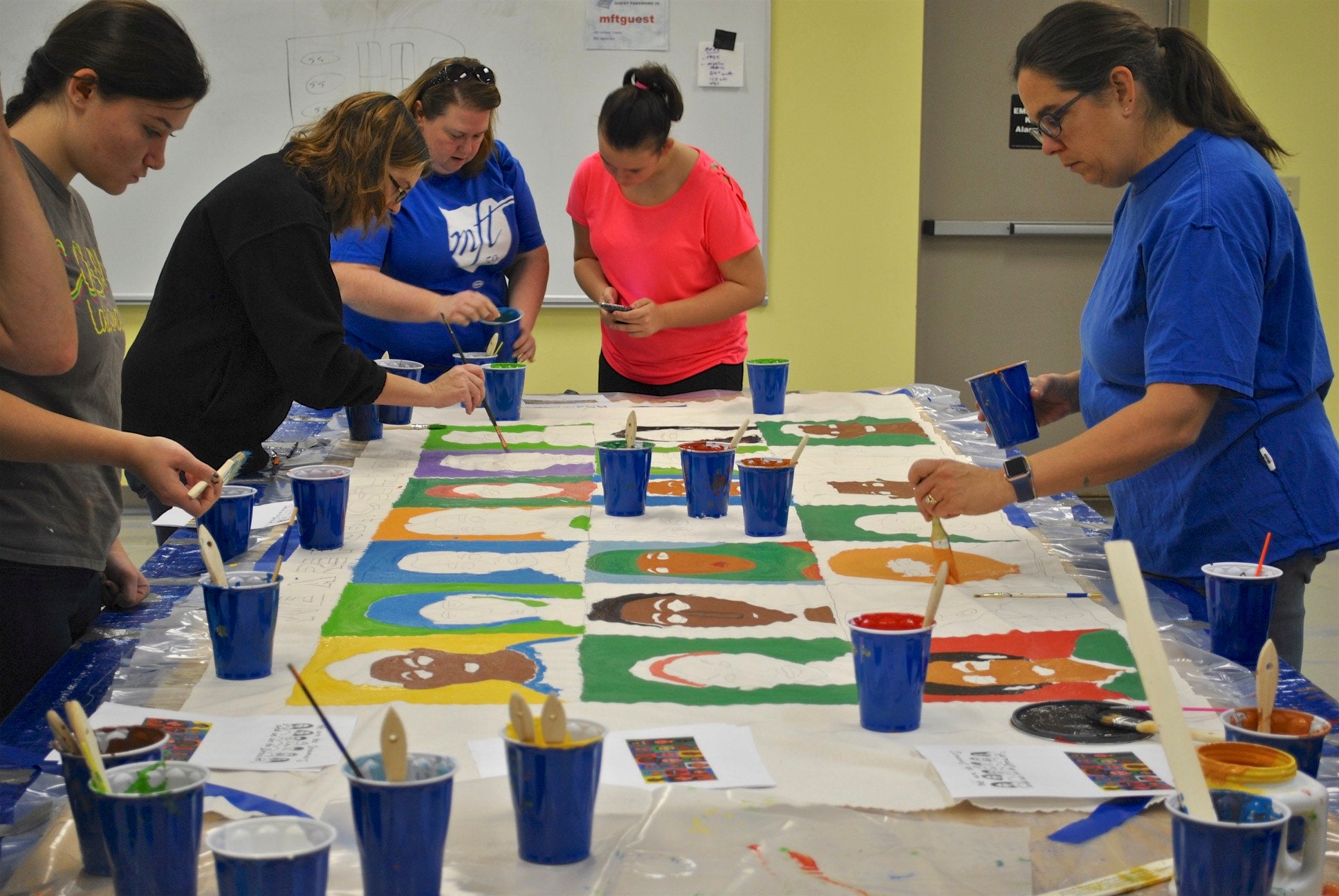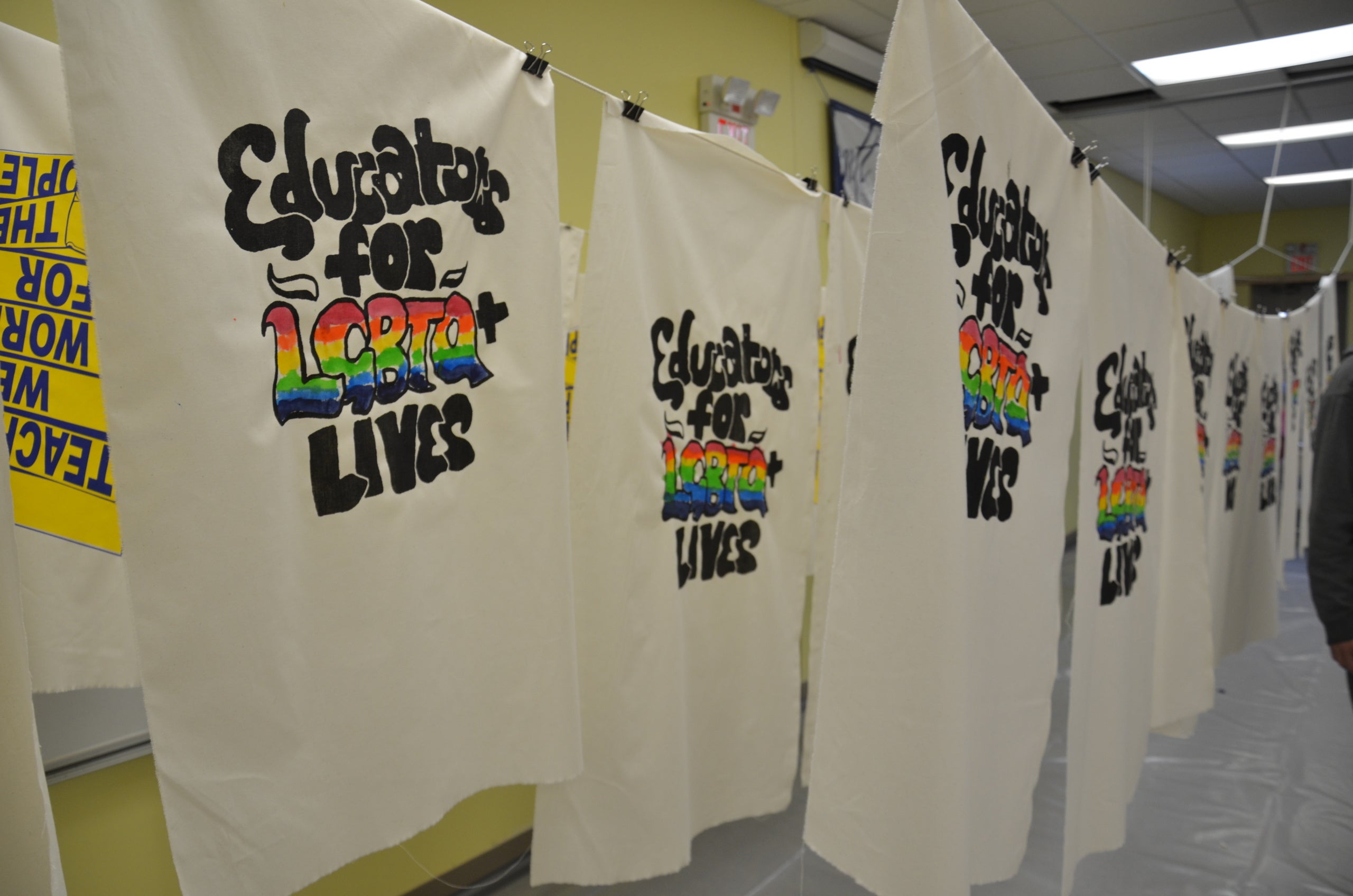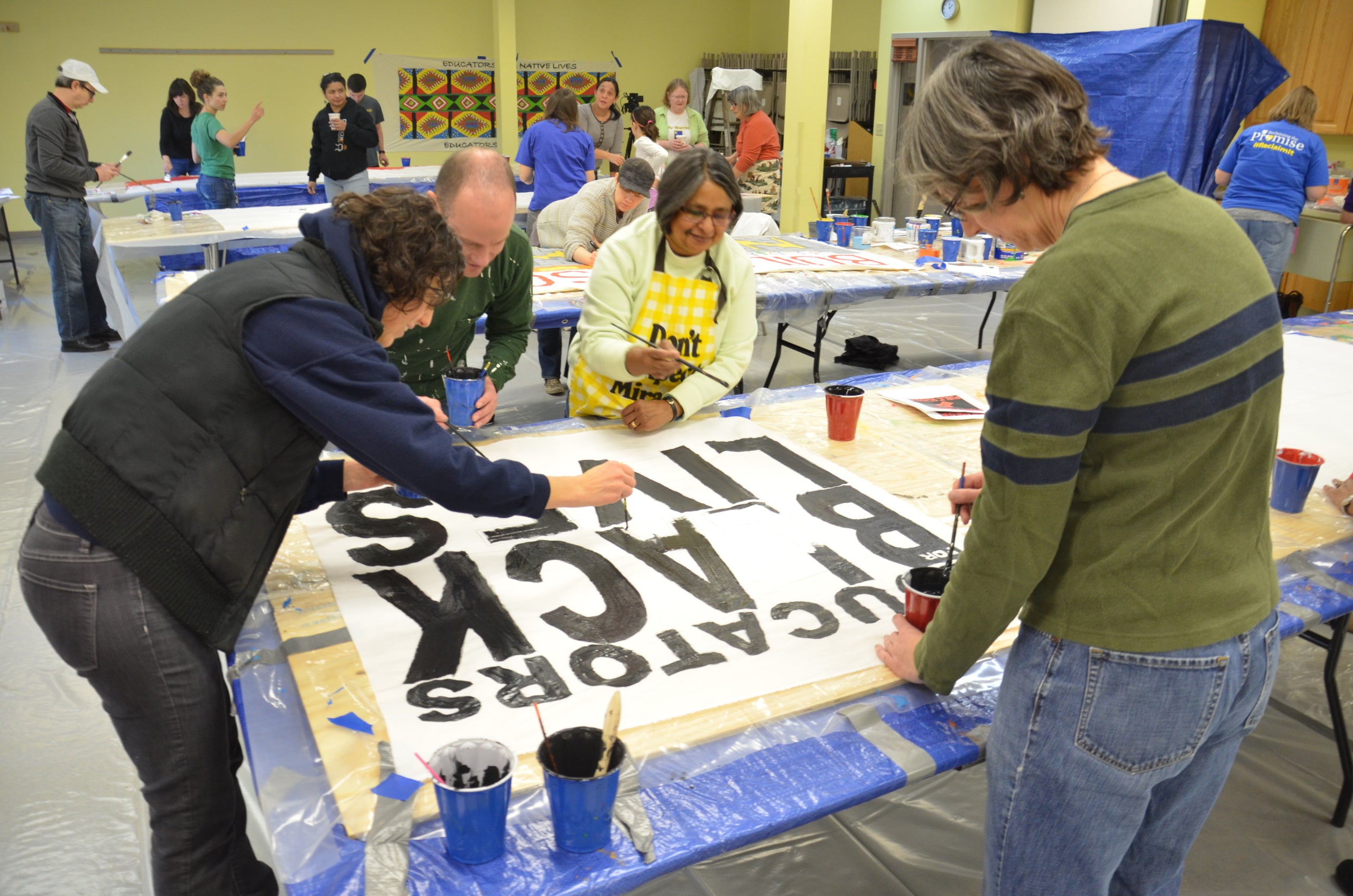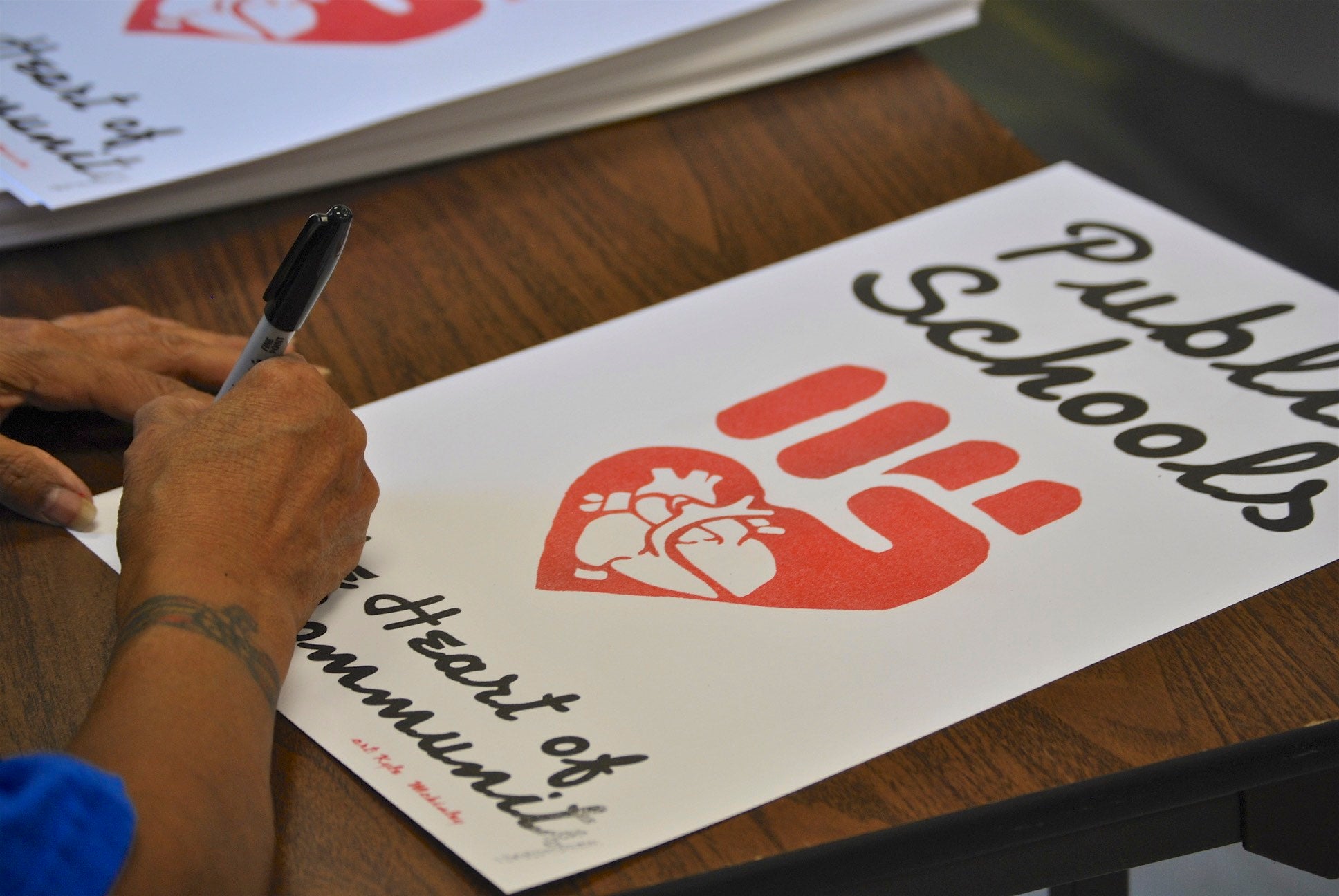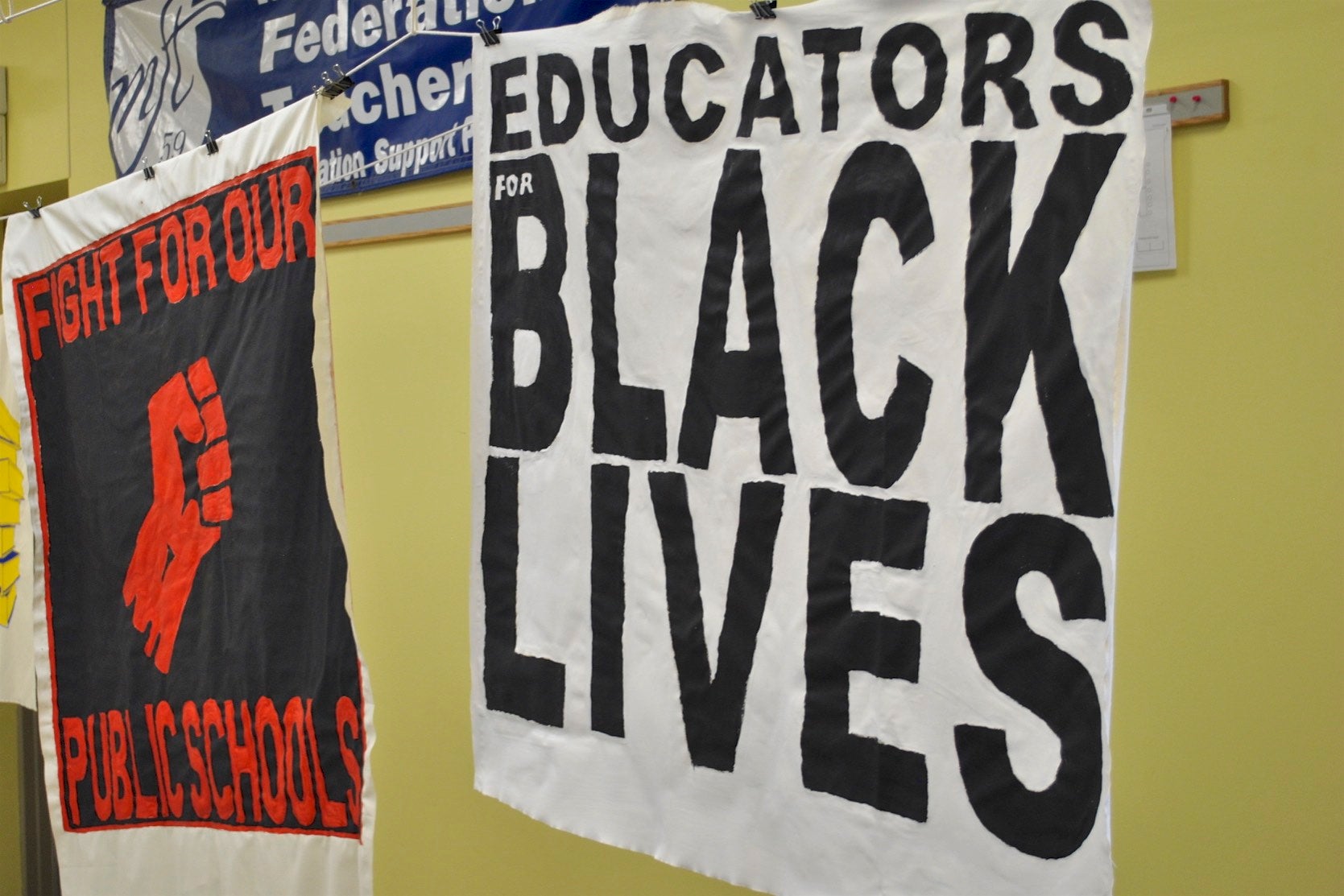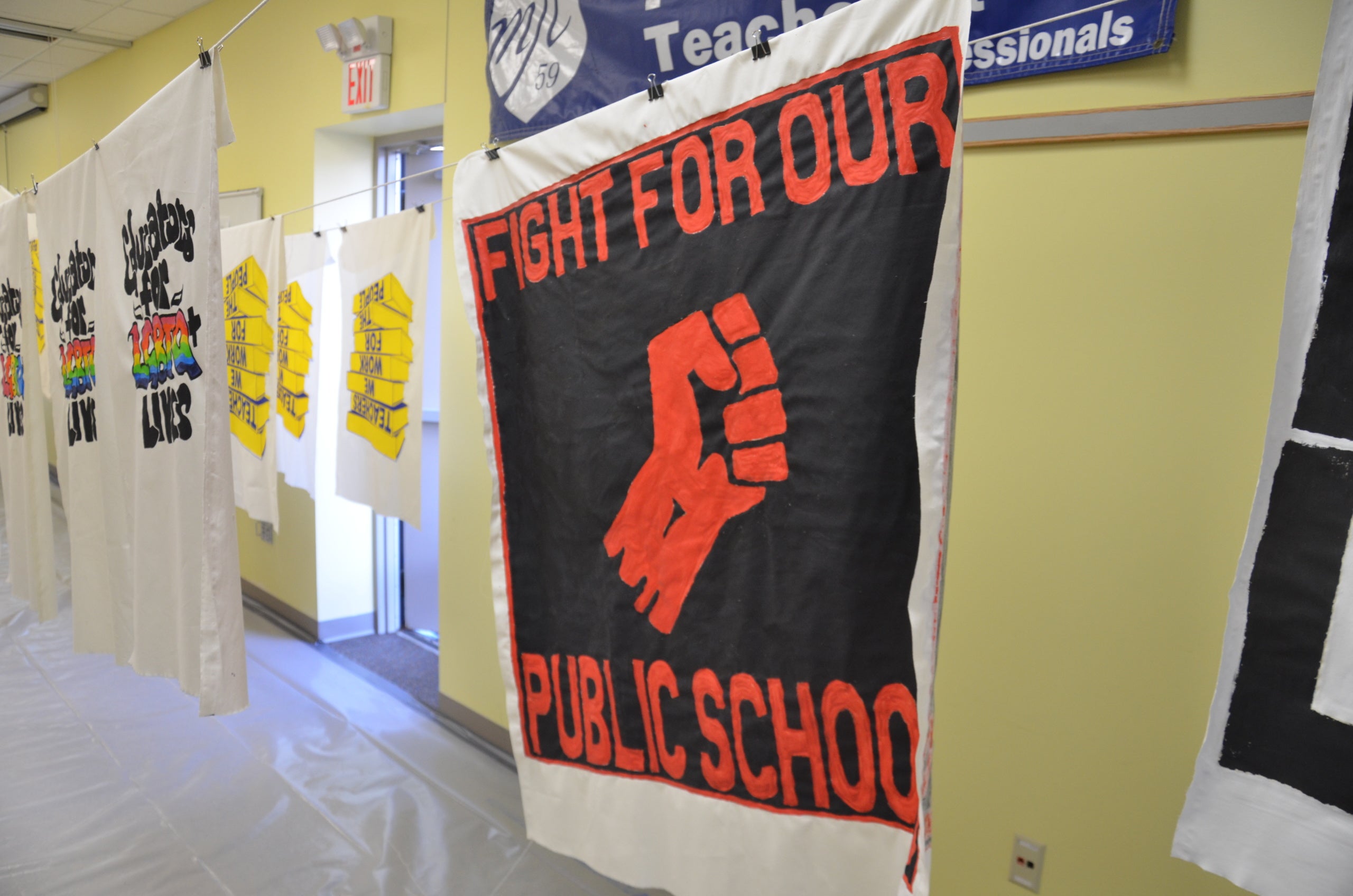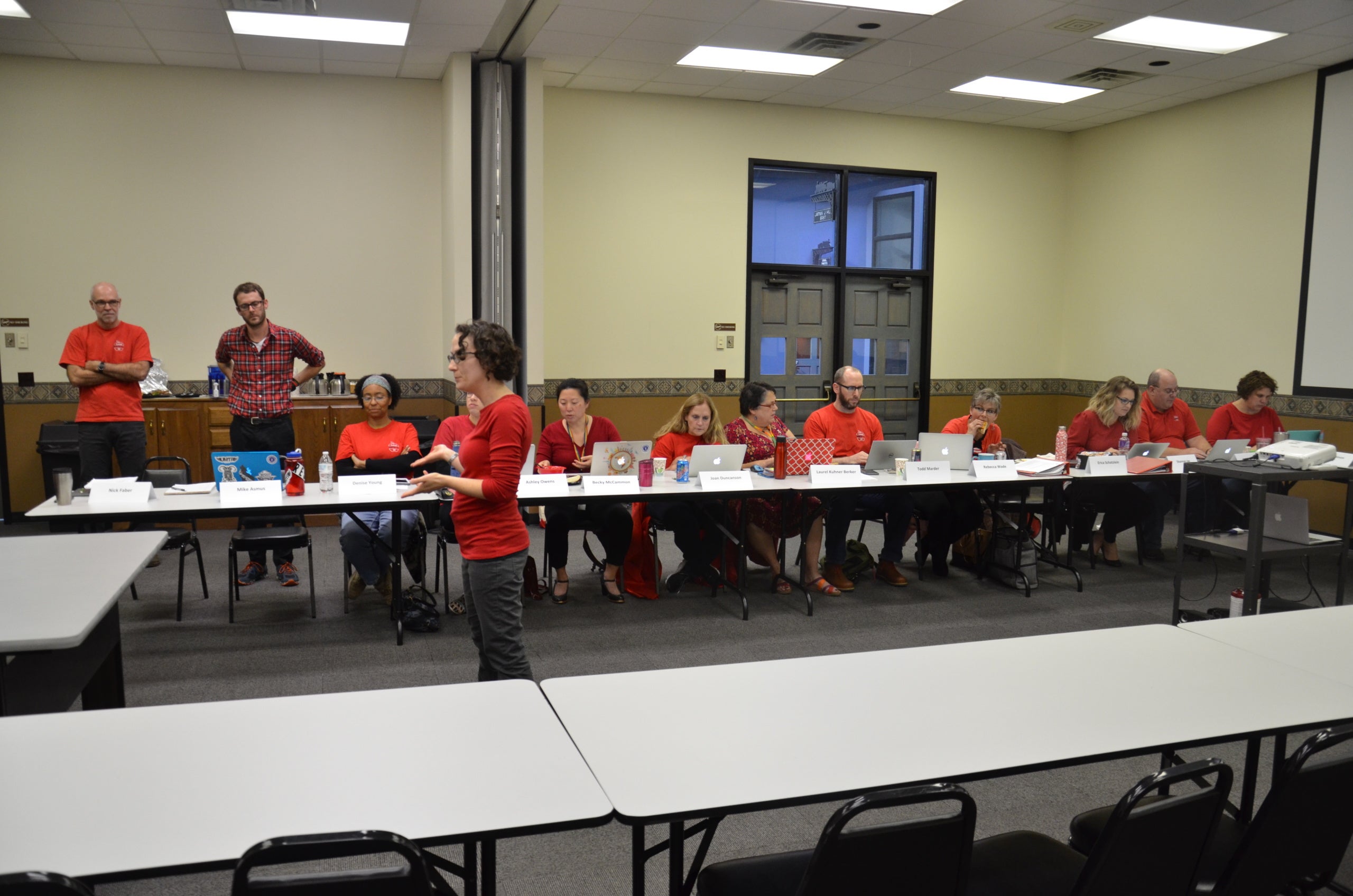

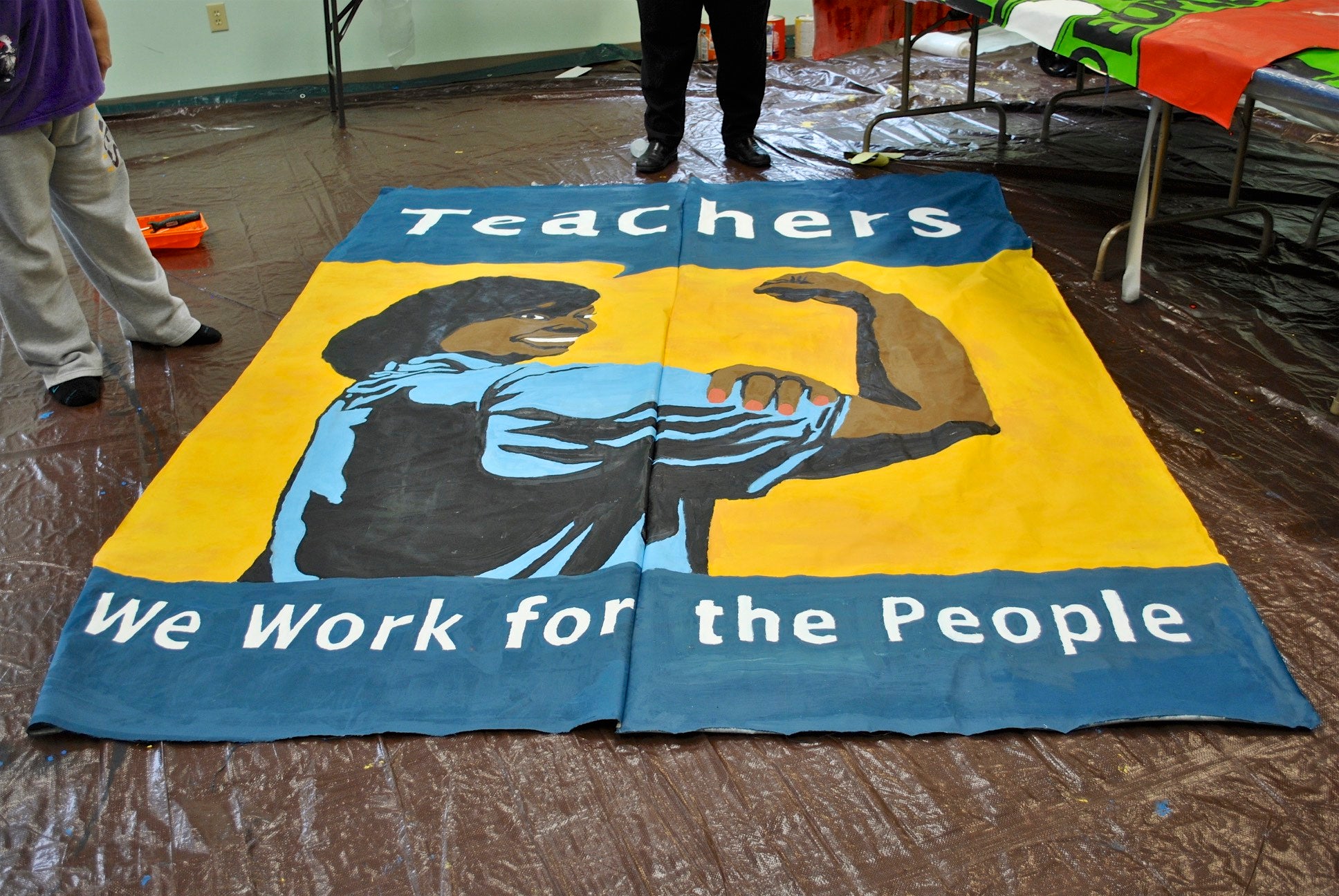
2017, Erica Schatzlein Collection
Photo Gallery
A gallery of photos to explore.

A gallery of photos to explore.
This is the official bibliography for LAWCHA’s Teaching and Public Sector Unionism initiative. A full listing of our resources can be found on the Teaching Resources page. For an overview of teachers’ unions, see our featured article, “A Century of Teacher Organizing: What Can We…
The Pacific Northwest Antiwar and Radical History Project is a multimedia web project that aims to chronicle the social impact of war and the rich history of antiwar activity in the Northwest. With video oral histories, hundreds of photographs and documents, GI underground newspapers, movement…
The Center for Working-Class Studies (CWCS) at Youngstown State University (YSU) was the first academic program in the U.S. to focus on issues of work and class. CWCS members have been at the forefront of “new working-class studies,” an international movement that brings together academics,…
The Samuel Gompers Papers collects, annotates, and makes available primary sources of American labor history. Founded by Stuart Kaufman in 1974, the project has published two microfilm series of union records and eleven volumes of Gompers’ papers. The nation’s leading trade unionist in the late…
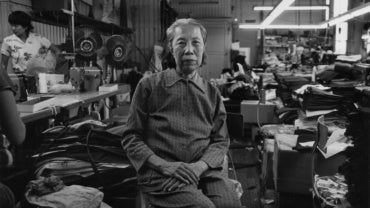
“And that’s how we did in the mill” is based on excerpts from oral histories with the last generation of women to work in the Lowell, Massachusetts textile mills, recorded by filmmaker Martha Norkunas in 1983.
The Howling Mob Society was a Pittsburgh-based group of anonymous artists, activists, and citizen historians with an interest in the oft-buried radical peoples’ history of the United States. We worked as a team throughout 2007-08 to research, fabricate, and install a series of ten historical markers which detail the events of the Great Railroad Strike of 1877 as they unfolded in Pittsburgh, PA.
In 1820 Lowell, known as East Chelmsford, MA at the time, had a population of 200 and was a farming community. Thirty years later, the population had grown to 33,000 and one could find 32 textile mills in existence there. Lowell was an ideal location for these mills because it was located near the Merrimac River. The river supplied the water necessary to run these factories.
In 2018, there were 20 major work stoppages involving 485,000 workers, the U.S. Bureau of Labor Statistics reported today. The number of major work stoppages beginning in 2018 was the highest since 2007 (21 major work stoppages). The number of workers involved was the highest since 1986 (533,000 workers).