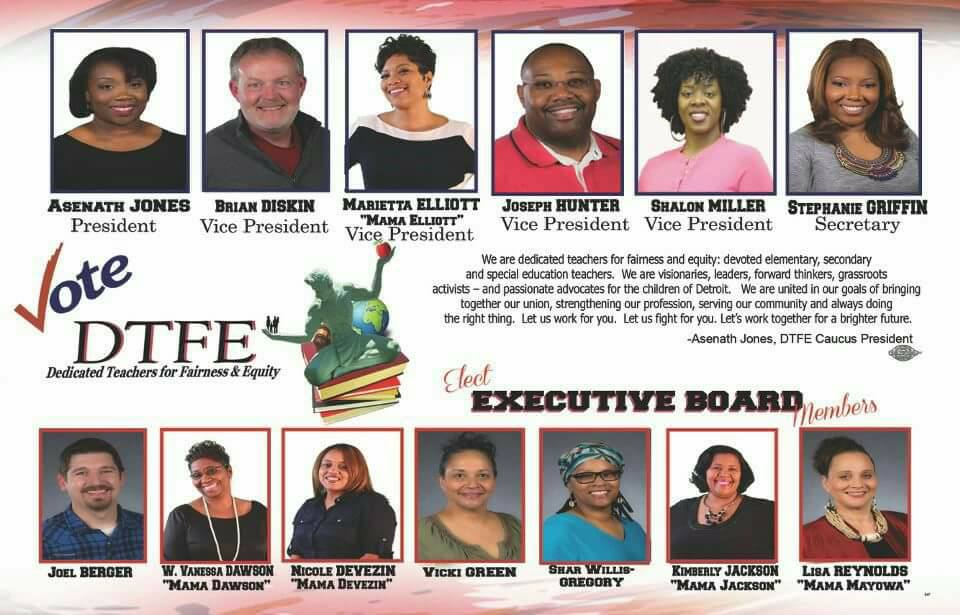

DTFE Caucus, Joel Berger Collection
Photo Gallery
A gallery of photos to explore.

A gallery of photos to explore.
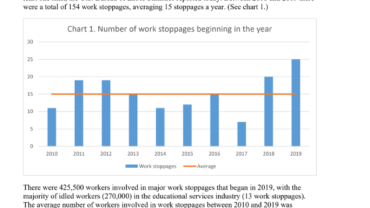
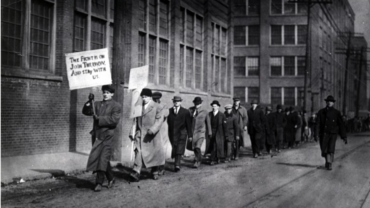
In 2019, there were 25 major work stoppages involving 1,000 or more workers and lasting at least one shift, the U.S. Bureau of Labor Statistics reported today. Between 2010 and 2019 there were a total of 154 work stoppages, averaging 15 stoppages a year.
LaborArts presents powerful images to further understanding of the past and present lives of working people. Our events and contests expand on this effort. The site includes curated Exhibits on particular subjects; the Collection, where one can search images from exhibits and other sources; and…
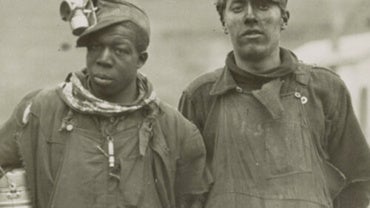
In the town of Matewan, the West Virginia Mine Wars Museum sits at the site of a historic battle which erupted in May of 1920, setting into motion a chain of events that led to the largest armed uprising in the United States since our civil war.
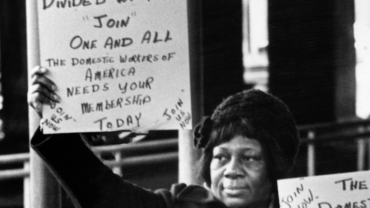
We are activist scholars — Jennifer Guglielmo, Michelle Joffroy, Diana Sierra Becerra — collaborating with the domestic workers movement (nannies, house cleaners, and home care workers) to give workers greater access to their own histories and cultures of resistance. These are educational tools for everyone to learn about these foundational histories.
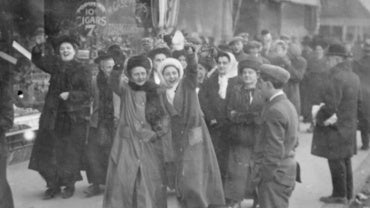
One of the most significant struggles for workers’ rights began on January 12, 1912, in Lawrence, Mass., when thousands of textile workers began a walkout that would come to be known as the Bread and Roses Strike, the Lawrence Textile Strike, and the Singing Strike. Read an overview and find teaching resources below.
The Lawrence Textile Strike was a public protest mainly of immigrant workers from several countries, including Austria, Belgium, Cuba, Canada, France, England, Germany, Greece, Ireland, Italy, Lithuania, Netherlands, Norway, Poland, Portugal, Russia, Scotland, Spain, Syria, and Turkey. According to the 1910 census, 65% of mill workers (many of whom eventually struck) lived in the United States for less than 10 years; 47% for less than five years.
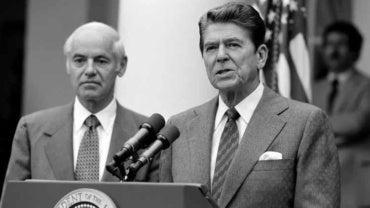
The Takeaway traces it all back to August 1981, when nearly 13,000 air traffic controllers went on strike creating a standoff with Ronald Reagan that ended when he fired the majority of them and de-certified their union, the Professional Air Traffic Controllers Organization.
Welcome to the Haymarket Affair Digital Collection. The Chicago Historical Society has created this digital collection to provide on-line access to its primary source materials relating to the Haymarket Affair, a controversial moment in Chicago’s past and a pivotal event in the early history of…