
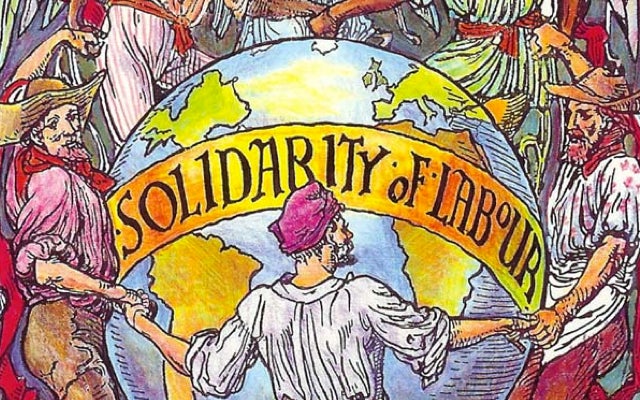
thank you for visiting the labor history resource project as we build this resource!

The Iowa Labor History Society is a non-profit made up of individuals and affiliate organizations that have joined together to preserve and promote the rich history of Iowa’s workers—the lives, labors, and struggles that shaped the history of our state.
This website, a joint project between the Walter P. Reuther library and the Wayne State University Library, will host primary resources from the AFT historical collections that will document various education reform initiatives that union and school boards have collaborated on, from pre-Nation at Risk…
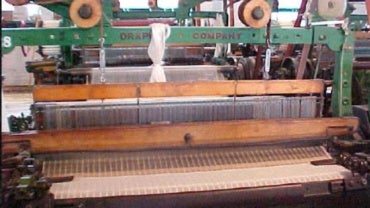
In 1820 Lowell, known as East Chelmsford, MA at the time, had a population of 200 and was a farming community. Thirty years later, the population had grown to 33,000 and one could find 32 textile mills in existence there. Lowell was an ideal location for these mills because it was located near the Merrimac River. The river supplied the water necessary to run these factories.
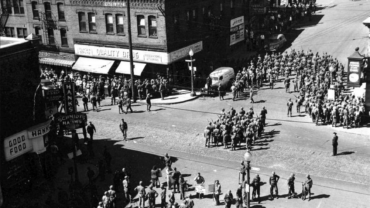
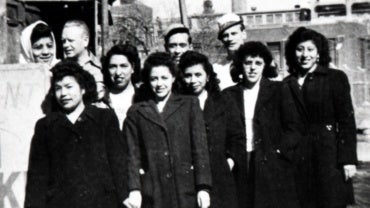
Many were home from war and wanted more than ever to live a long full life. Others had worked long days and nights during the war to feed the troops overseas as well as Americans on the home front. Some had migrated to the cities from farms and small towns looking for work.
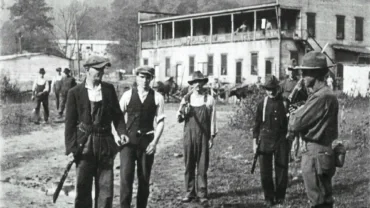
What Made the Battle of Blair Mountain the Largest Labor Uprising in American History. Its legacy lives on today in the struggles faced by modern miners seeking workers’ rights
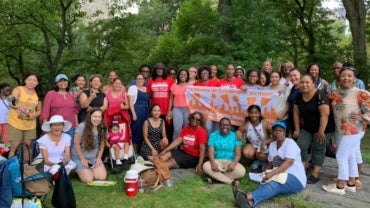
Domestic work is the work that makes all other work possible. Together, we can win the protections and recognition that this vital American workforce needs. Join us today!
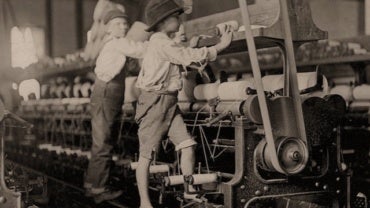
As early as the 1830s, many U.S. states had enacted laws restricting or prohibiting the employment of young children in industrial settings. However, in rural communities where child labor on the farm was common, employment of children in mills and factories did not arouse much…
If the 1960’s were known as the era of vigorous student militancy in most sectors of American education, the 1970’s may well go down in history as the decade of the angry teacher.

This website includes the records of the International Brotherhood of Teamsters and a collection of six oral histories from the National Education Association (NEA). Visit site