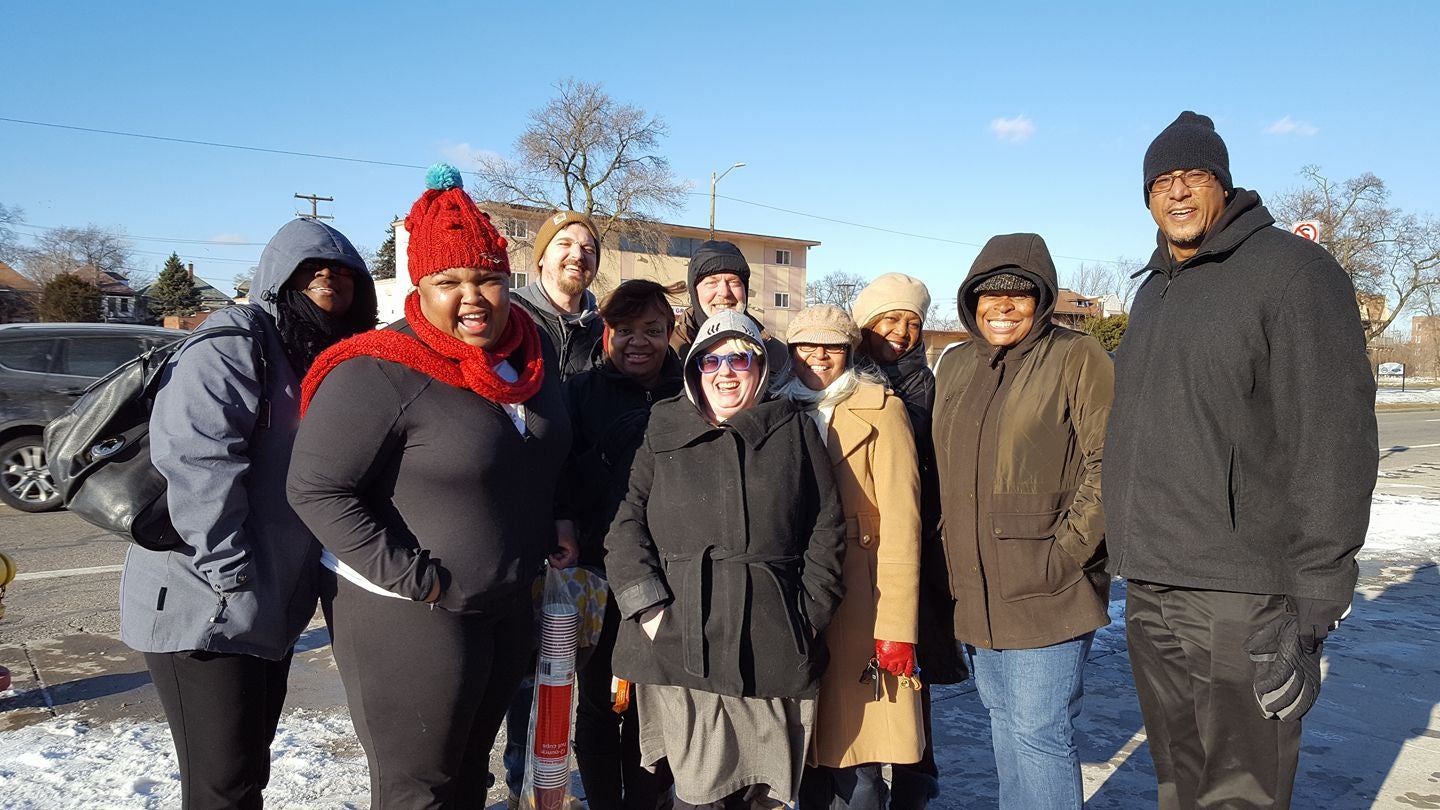


January 2017 Rally at Northwestern High, Detroit, Joel Berger Collection
Photo Gallery
A gallery of photos to explore.

A gallery of photos to explore.
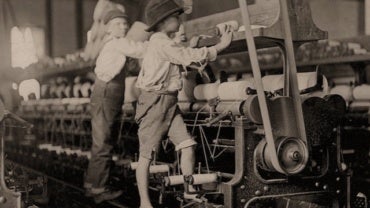
In 1820 Lowell, known as East Chelmsford, MA at the time, had a population of 200 and was a farming community. Thirty years later, the population had grown to 33,000 and one could find 32 textile mills in existence there. Lowell was an ideal location for these mills because it was located near the Merrimac River. The river supplied the water necessary to run these factories.
Not long ago, in the pages of this journal, I argued a number of propositions about the current state of historical research in the area of teacher unionism. One of those propositions was that a full explanation of the history of teacher union activity in the U.S.A. quite likely would require a three-pronged analysis involving the local, state, and national arenas.
On November 23, 1909, more than 20,000 Yiddish-speaking immigrants, mostly young women in their teens and early twenties, launched an eleven-week general strike in New York’s shirtwaist industry. Dubbed the Uprising of the 20,000, it was the largest strike by women to date in American history.
Though it’s a relatively recent field of study, women’s history is inscribed across all of the Harvard Library holdings gathered since 1638. By examining those holdings afresh and querying them in a new and feminist light, the curators of the Women Working collection have aggregated…
The Tamiment Library and Robert F. Wagner Labor Archives at New York University form a unique, internationally-known center for scholarly research on Labor and the Left. The primary focus of our collections is the complex relationship between trade unionism and progressive politics, and how this…
This encyclopedia appeared first as a published volume in 2004, but the published and electronic versions evolved together, part of an integrated vision of a new kind of historical encyclopedia. It includes thousands of entries, historical sources, and special features. One special feature, a map…
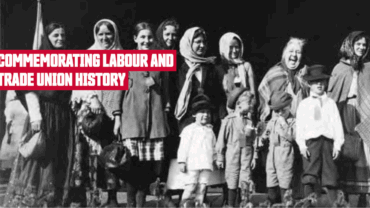
The International Trade Union and Labour Memory Network is a collaborative international project by a group of historians and labour activists. We aim to examine the commemoriation of labour history by highlighting what kind of labour and trade union memory work is undertaken across the globe, how trade unions use history and memory as a resource, and discuss the problems and challenges involved in commemoration.