thank you for visiting the labor history resource project as we build this resource!


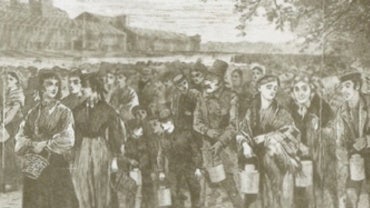
Lowell built on the advances made in the British textile industry, such as the use of the power loom, to industrialize American textile production. He was the first factory owner in the United States to create a textile mill that was vertically integrated.
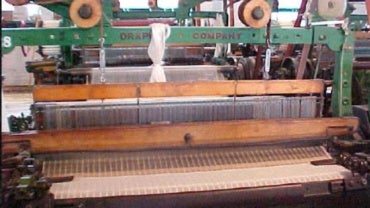
The Boott Cotton Mills Museum gives a snapshot of what is was like to work in New England cotton mills in the 1800s. The Museum, once Boott Mill #6, was originally owned by Kirk Boott, an industrialist who was responsible for much of the early urban planning that shaped Lowell’s industrial and residential landscape.
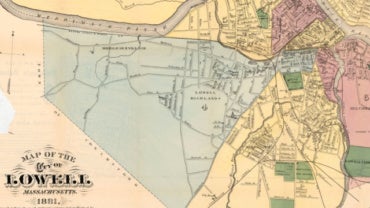
In 1820 Lowell, known as East Chelmsford, MA at the time, had a population of 200 and was a farming community. Thirty years later, the population had grown to 33,000 and one could find 32 textile mills in existence there. Lowell was an ideal location for these mills because it was located near the Merrimac River. The river supplied the water necessary to run these factories.
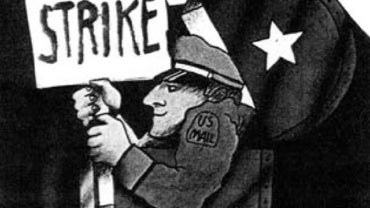
The wildcat Postal strike that began on March 18, 1970 signaled the end of collective begging and the beginning of collective bargaining that raised hundreds of thousands of postal workers, craft and management, from poverty level wages to middle class wage earners.
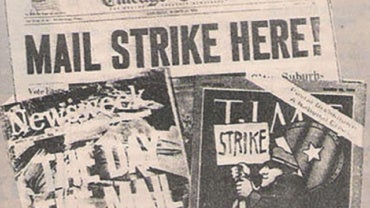
The first mass work stoppage in the 195-year history of the Postal Service began on March 18, 1970, with a walkout of letter carriers in Brooklyn and Manhattan who were demanding better wages.
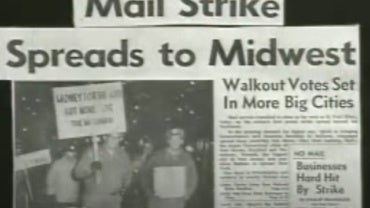
APWU remembers the Great Postal Strike of March 1970. For more background on the successful wildcat strike that earned postal workers the right to bargain collectively for better pay and benefits.
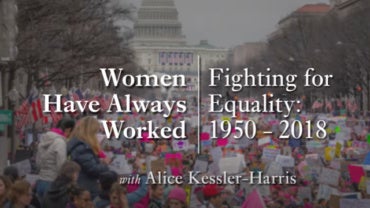
Women Have Always Worked: Fighting for Equality: 1950–2018.
An exploration from an online edX course.
Women Have Always Worked: Fighting for Equality: 1950–2018.
An exploration from an online edX course.
Women Have Always Worked: Fighting for Equality: 1950–2018.
An exploration from an online edX course.
Women Have Always Worked: Fighting for Equality: 1950–2018.
An exploration from an online edX course.
Women Have Always Worked: Fighting for Equality: 1950–2018.
An exploration from an online edX course.
Women Have Always Worked: Fighting for Equality: 1950–2018.
An exploration from an online edX course.