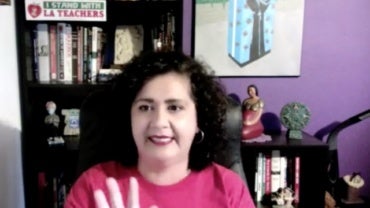

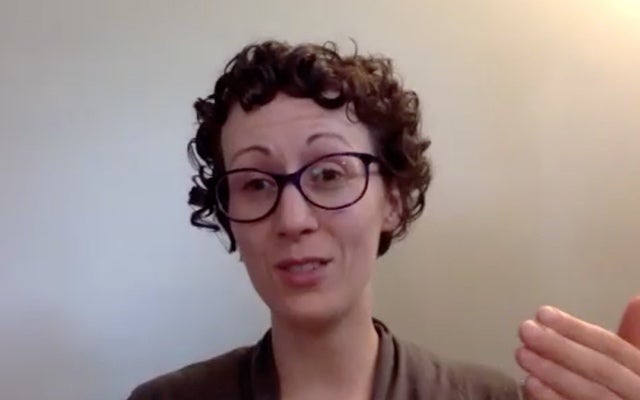
Erica Schatzlein, an Oral History
Oral History
When Teachers Mobilize Oral Histories

When Teachers Mobilize Oral Histories
In 2007, the National Education Association celebrated its 150th year. Over this time, NEA has been a driving force in education at all levels.
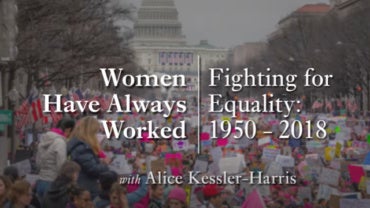
Women Have Always Worked: Fighting for Equality: 1950–2018.
An exploration from an online edX course.
“Culture becomes not a haven of ideas or a fixed state of experience but a social imaginary erupting out of a storied cultural real.” (Stewart 1996, 63-4)
I remember the day when my father, a West Virginia University professor, accompanied some of his students to Charleston for Undergraduate Research Day at the Capitol in February 2018.
If the 1960’s were known as the era of vigorous student militancy in most sectors of American education, the 1970’s may well go down in history as the decade of the angry teacher.
A gallery of photos to explore.
Not long ago, in the pages of this journal, I argued a number of propositions about the current state of historical research in the area of teacher unionism. One of those propositions was that a full explanation of the history of teacher union activity in the U.S.A. quite likely would require a three-pronged analysis involving the local, state, and national arenas.
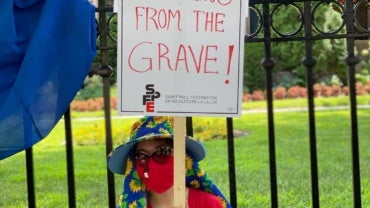
Teaching in St. Paul Public Schools was a destination for me because I knew our schools had a gorgeous student population that reflected our world. I also found an amazing group of dedicated, talented colleagues I am honored to work alongside and represent.
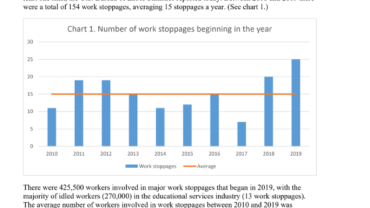
In 2019, the percent of wage and salary workers who were members of unions—the union membership rate—was 10.3 percent, down by 0.2 percentage point from 2018, the U.S. Bureau of Labor Statistics reported today.